
Safety
General information, not medical advice
Your prescriber and the leaflet in your pack know your situation. This page does not.
- Follow your prescriber and the leaflet
- Don't start, stop, or change a dose on your own
- Doses and warnings differ by country and product
Canasa Suppository: Uses, Dosage, Side Effects, Precautions and Alternates
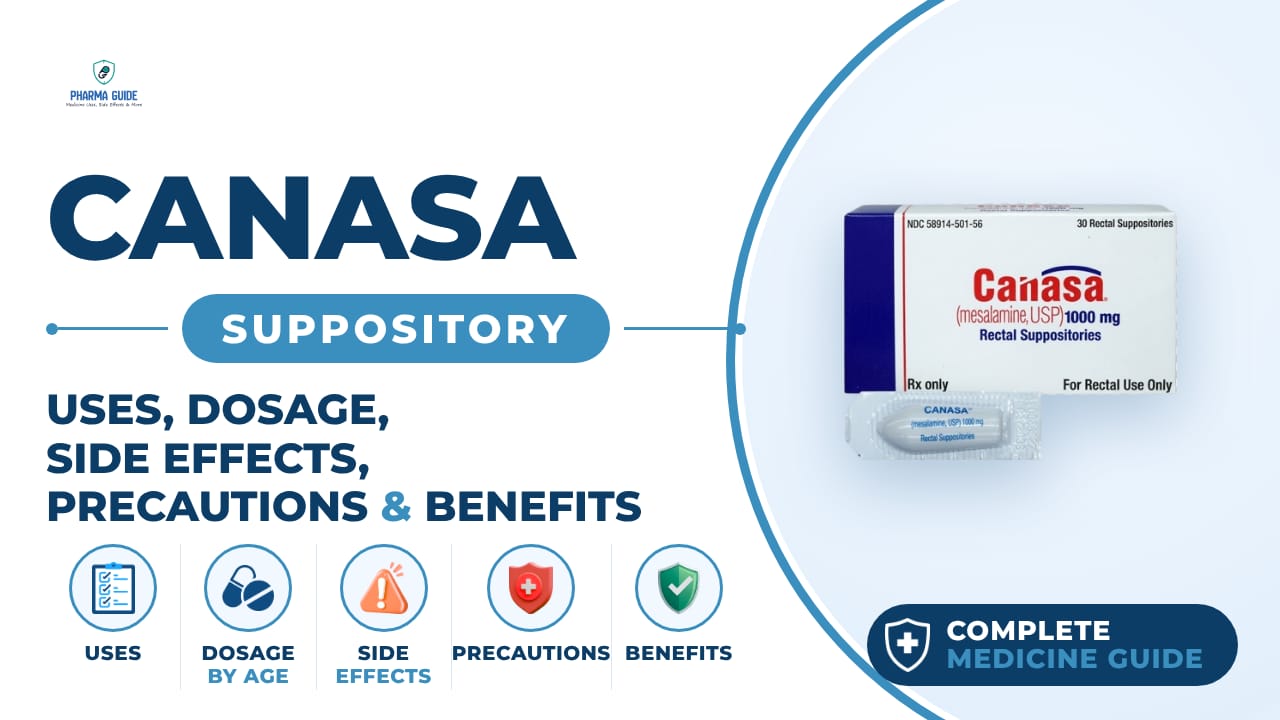
| Generic name | mesalamine |
|---|---|
| Drug class | Aminosalicylate (5-aminosalicylate) |
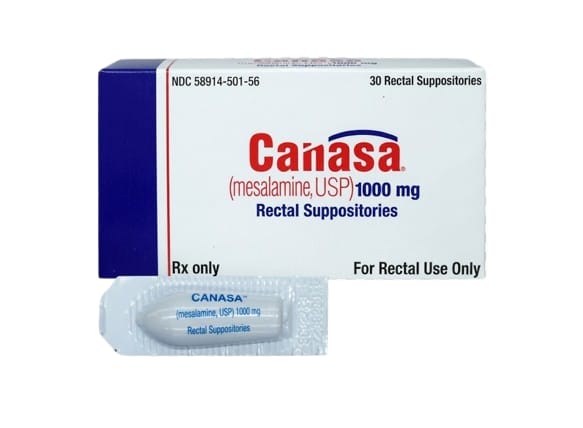
| Forms | Rectal suppository (1000 mg) |
Quick overview
Canasa Suppository contains mesalamine, an aminosalicylate medicine inserted into the rectum to treat ulcerative proctitis. It helps reduce rectal inflammation, bleeding, discomfort, and urgency caused by this condition. Canasa is used once daily at bedtime and is not recommended for children.
What is Canasa Suppository
Canasa is a prescription suppository medicine that contains mesalamine. It is inserted into the rectum to treat ulcerative proctitis, which is swelling and sores in the lining of the rectum caused by ulcerative colitis.
Canasa Suppository uses
- Ulcerative proctitis
- Inflammation of the rectum
- Rectal bleeding caused by ulcerative proctitis
- Rectal discomfort associated with ulcerative proctitis
- Frequent bowel movements associated with rectal inflammation
- Urgent need to pass stool due to ulcerative proctitis
Benefits of Canasa Suppository
- Reduces rectal inflammation.
- Helps relieve rectal bleeding.
- May reduce urgency and discomfort.
- Supports improvement in bowel symptoms.
- Helps control ulcerative proctitis flare-ups.
How Canasa Suppository works
The exact way mesalamine works is not fully understood. It is thought to act locally in the lining of the rectum to block certain chemicals in the gut that cause inflammation, which may help reduce swelling in the gut.
Canasa Suppository dosage
Insert the suppository into the rectum only; do not take it by mouth or put it in any other part of the body. Do not cut, split, or break the suppository. Use it one time each day at bedtime. Try to keep the suppository in your rectum for one to three hours or longer if possible, ideally overnight while sleeping. Drink plenty of fluids while using this medicine to help lower the risk of kidney stones.
If you miss a dose, insert it as soon as you remember, unless it is almost time for your next dose; do not insert two suppositories at the same time to make up for a missed dose. This medicine is not known to be safe or effective in children. It is not affected by food, so it can be used with or without food.
| Age group | Dose |
|---|---|
| Under 18 years | Not recommended |
| 18–64 years | 1000 mg, once/day |
| 65+ years | 1000 mg, once/day |
Available forms and strengths
- Rectal suppository (1000 mg)
Side effects of Canasa Suppository
Common
- Dizziness
- Rectal pain
- Fever
- Rash
- Acne
- Inflammation in the colon (colitis), which may cause diarrhea
- Headache
- Stomach pain
- Nausea
- Gas (flatulence)
Serious
- Kidney damage (urinating less often, swelling in feet, ankles, or hands, tiredness, confusion)
- Kidney stones (difficulty urinating, blood in urine, fever, chills, back or side pain)
- Liver problems (stomach pain, yellowing of skin or eyes, dark urine, severe nausea or vomiting, extreme tiredness)
- Serious allergic reactions (hives, swelling of lips or tongue, difficulty breathing)
- Serious skin reactions such as Stevens-Johnson syndrome or toxic epidermal necrolysis (rash, blisters, peeling skin, skin reddening, fever, sore throat, swollen lymph nodes)
- Acute intolerance syndrome (stomach cramping or pain, bloody diarrhea, fever, headache, rash)
- Heart inflammation (pericarditis or myocarditis) with chest pain, irregular heartbeat, shortness of breath
- Blood disorders, more common in older adults
Warnings and precautions
- This medicine can sometimes harm the kidneys. Your risk is higher if you already have kidney problems or take other medicines that can harm the kidneys, such as NSAIDs. You may need blood or urine tests to check your kidney function during treatment.
- A rare reaction called acute intolerance syndrome can occur, usually within one to three weeks of starting treatment, with symptoms that can look like a flare of ulcerative colitis.
- Serious allergic reactions can occur, including internal organ problems such as inflammation of the heart, liver, kidneys, or lungs.
- Rare but serious skin reactions can occur, such as Stevens-Johnson syndrome and toxic epidermal necrolysis.
- People with skin conditions like eczema may become more sensitive to sunlight and sunburn more easily while using this medicine.
- Kidney stones have been reported with this medicine. Staying well hydrated during treatment can help lower this risk.
- Do not use this medicine if you are allergic to aspirin or other salicylate medicines, or to mesalamine or any ingredient in the suppository.
- It is not known if this medicine is safe to use during pregnancy. Talk with your doctor about the risks and benefits before using it if you are pregnant or planning to become pregnant.
- This medicine can pass into breast milk, and some breastfed babies have had diarrhea. Talk with your doctor about the best way to feed your baby if you use this medicine.
- This medicine can affect kidney function, especially in people with existing kidney problems or those taking other medicines that can harm the kidneys. Your doctor will check your kidney function before and during treatment.
- People with a history of liver problems should discuss the risks and benefits with their doctor, since liver failure has been reported in people with existing liver disease who used mesalamine products.
- There are no known direct interactions between this medicine and alcohol, but alcohol may worsen some side effects like dizziness. Talk with your doctor about how much alcohol is safe for you during treatment.
Storage
- Store below 77 degrees Fahrenheit (25 degrees Celsius)
- May be refrigerated
- Keep away from direct heat, light, or humidity
- Keep out of the reach of children
When to see a doctor
- Stop using this medicine and contact your doctor right away if you develop cramps, stomach pain, bloody diarrhea, fever, headache, or rash, which could signal acute intolerance syndrome or an allergic reaction.
- Get medical help immediately for signs of a severe allergic reaction, such as chest pain, shortness of breath, decreased urination, or fatigue.
- Tell your doctor right away if you notice yellowing of your eyes, itchy skin, nausea or vomiting, or feeling very tired, which can be signs of liver problems.
- Stop using this medicine and seek medical attention right away if you develop blistering or peeling skin, high fever, flu-like symptoms, mouth sores, or swollen lymph nodes, which can be signs of a severe skin reaction.
- Call your doctor right away if you have signs of kidney stones, such as severe pain in your side or back, or blood in your urine.
Alternatives
- Rowasa
- Pentasa
- Salofalk
Watch the video
FAQs
What is Canasa Suppository used for?
Canasa Suppository contains mesalamine and is used to treat ulcerative proctitis, helping reduce rectal inflammation, bleeding, discomfort, and urgency.
How is Canasa Suppository used?
It is inserted into the rectum once daily at bedtime. Try to keep the suppository in the rectum for one to three hours or longer, ideally overnight while sleeping.
What should I do if I miss a dose of Canasa Suppository?
Insert the missed dose as soon as you remember, unless it is almost time for your next dose. Do not insert two suppositories at the same time to make up for a missed dose.
Can children use Canasa Suppository?
No, Canasa Suppository is not known to be safe or effective in children and is not recommended for use under 18 years of age.
What are the common side effects of Canasa Suppository?
Common side effects include dizziness, rectal pain, fever, rash, acne, colitis-related diarrhea, headache, stomach pain, nausea, and gas.
General information, not medical advice
Your prescriber and the leaflet in your pack know your situation. This page does not.
- Follow your prescriber and the leaflet
- Don't start, stop, or change a dose on your own
- Doses and warnings differ by country and product
Sources
Video
Related medicines
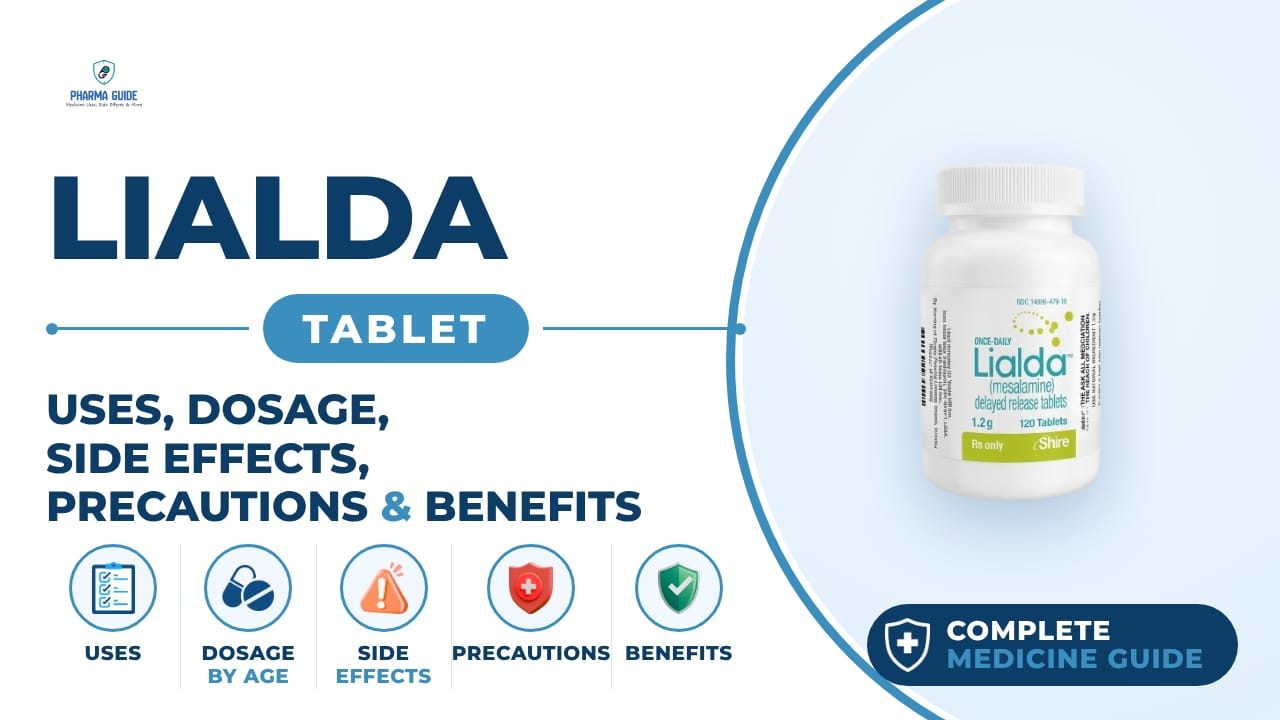
Lialda Tablet: Uses, Dosage, Side Effects, Precautions and Alternates
aminosalicylate (5-aminosalicylate)
Lialda (mesalamine) is used to induce and maintain remission of mild to moderate ulcerative colitis. Learn about dosage, side effects, and precautions.
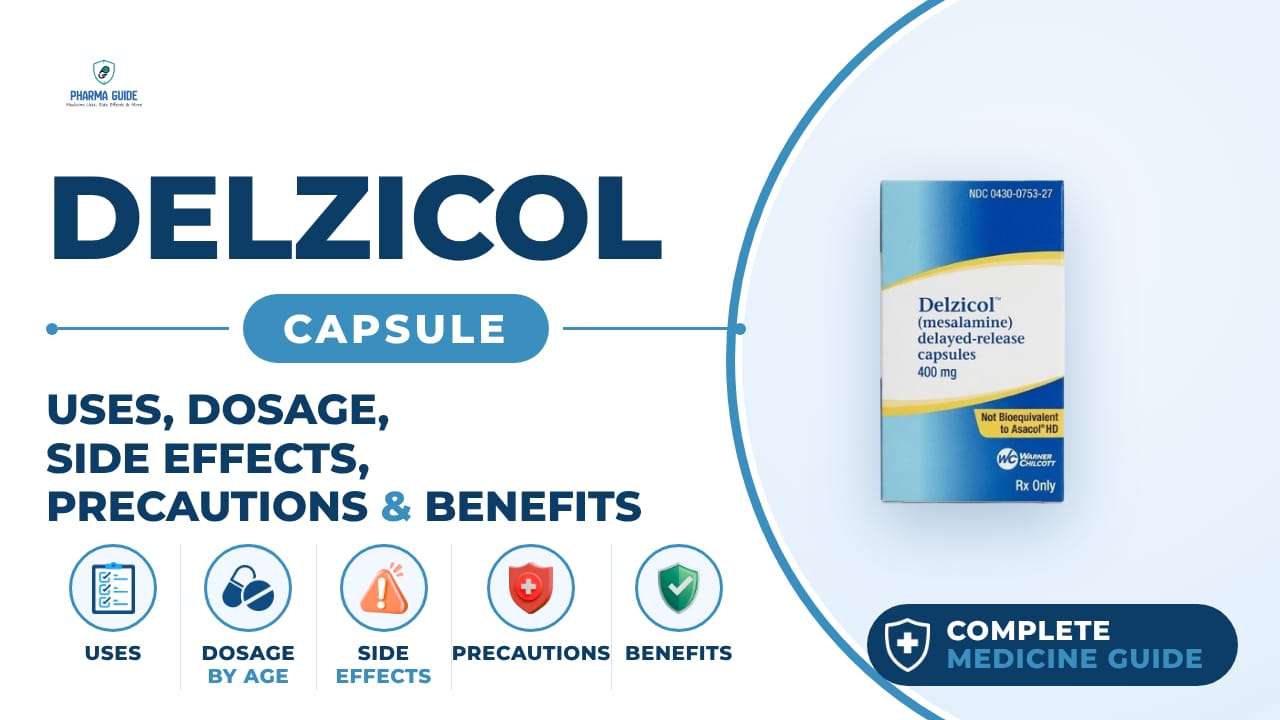
Delzicol Capsule: Uses, Dosage, Side Effects, Precautions and Alternates
Aminosalicylate (5-aminosalicylate)
Delzicol Capsule contains mesalamine, used for mild to moderate ulcerative colitis. Learn about its uses, dosage, side effects, and precautions.