
Safety
General information, not medical advice
Your prescriber and the leaflet in your pack know your situation. This page does not.
- Follow your prescriber and the leaflet
- Don't start, stop, or change a dose on your own
- Doses and warnings differ by country and product
Cancidas Injection: Uses, Dosage, Side Effects, Precautions and Alternates
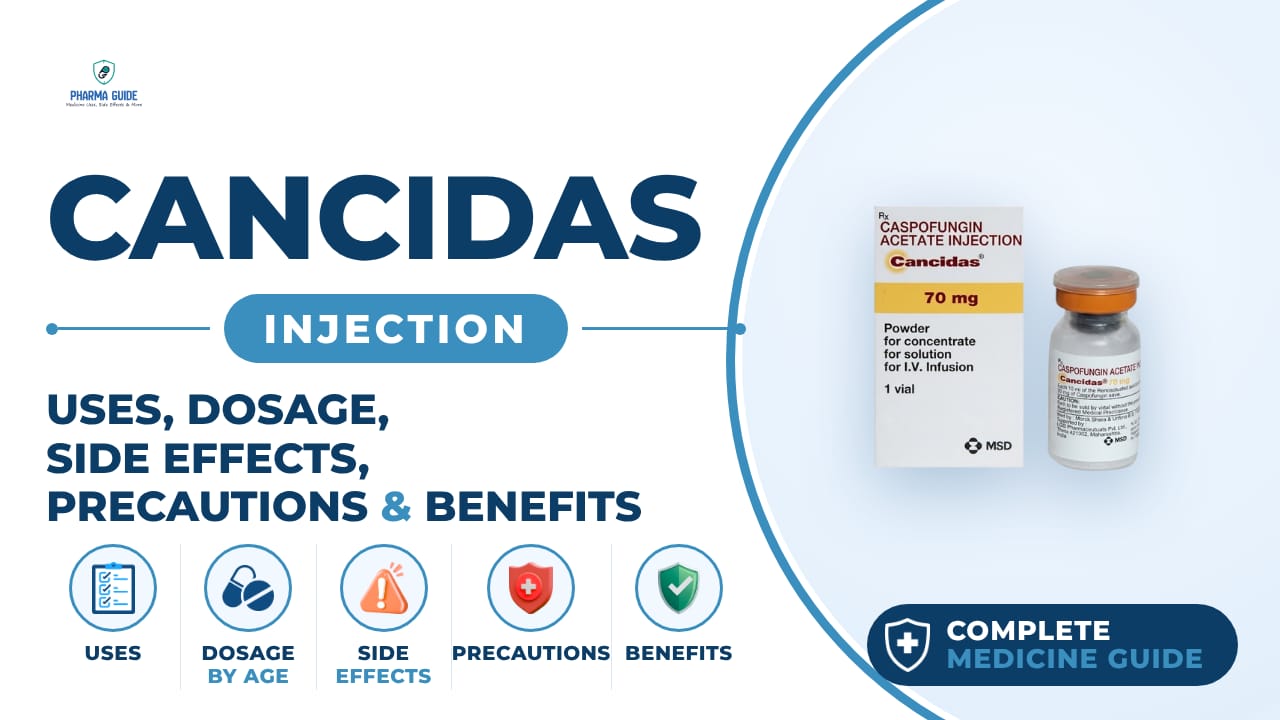
| Generic name | caspofungin |
|---|---|
| Drug class | Echinocandin antifungal |
| Forms | Injection |
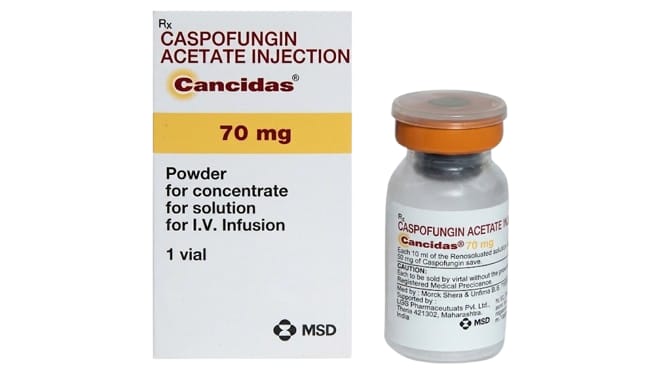
Quick overview
Cancidas Injection (caspofungin) is an echinocandin antifungal medicine given by IV to treat serious fungal infections caused by Candida and Aspergillus. It is used for conditions such as candidemia, intra-abdominal infections, esophageal candidiasis, invasive aspergillosis, and suspected fungal infections in high-risk patients with fever and low white blood cell counts. It works by weakening the fungal cell wall so the fungus cannot grow. It is given as a slow IV infusion, typically once daily.
What is Cancidas Injection
Cancidas is an antifungal medicine given by IV that fights serious fungal infections caused by Candida and Aspergillus fungi.
Cancidas Injection uses
- Empirical therapy for presumed fungal infections in patients with fever and low white blood cell counts (neutropenia)
- Treatment of invasive candidiasis, including candidemia (fungal infection in the blood), intra-abdominal abscesses, peritonitis, and pleural space infections
- Treatment of esophageal candidiasis (fungal infection of the food tube)
- Treatment of invasive aspergillosis in patients who cannot tolerate or did not respond to other antifungal therapies
Benefits of Cancidas Injection
- Treats Candida bloodstream infections.
- Treats certain abdominal Candida infections.
- Treats esophageal candidiasis.
- Helps treat certain invasive Aspergillus infections.
- Helps treat suspected fungal infections in high-risk patients.
How Cancidas Injection works
Cancidas works by blocking the production of a substance called beta (1,3)-D-glucan, which fungal cells need to build their cell wall. Without it, the fungal cell wall becomes weak and incomplete, so the fungus becomes fragile and cannot grow.
Cancidas Injection dosage
Cancidas is given as a slow infusion into a vein over about 1 hour; it should not be given as a quick injection. It must not be mixed or given at the same time as other medications in the same IV line, and it must not be mixed with diluents that contain dextrose (glucose).
Treatment is usually continued for at least 14 days after symptoms clear or cultures become negative, depending on the infection being treated. A loading dose is given on the first day for most infections, followed by a smaller daily dose thereafter, except for esophageal candidiasis which does not use a loading dose.
No dosage adjustment is needed for elderly patients or for patients with reduced kidney function. A dosage reduction may be needed for adults with moderate liver problems.
| Age group | Dose |
|---|---|
| Under 18 years | Not recommended |
| 18–64 years | 50 mg, once/day |
| 65+ years | 50 mg, once/day |
Available forms and strengths
- Injection
Side effects of Cancidas Injection
Common
- Fever
- Headache
- Chills
- Abdominal pain
- Nausea, diarrhea, vomiting
- Elevated liver enzyme levels
- Increased serum creatinine
- Anemia (low red blood cells)
- Rapid heartbeat (tachycardia)
- Low potassium levels (hypokalemia)
- Vein irritation/swelling (phlebitis), pain at the injection site, flushing
- Joint pain (arthralgia)
- Shortness of breath (dyspnea)
- Rash, itching, sweating, redness of skin (erythema)
Serious
- Severe allergic reaction (anaphylaxis) with swelling of face, lips and throat, difficulty breathing, rash, itching, or sensation of warmth
- Severe skin reactions such as Stevens-Johnson syndrome and toxic epidermal necrolysis, with symptoms like severe rash, blisters, peeling skin, or mouth sores, often with fever
- Serious liver problems, including hepatitis and liver failure, with symptoms like yellowing of skin or eyes, abdominal pain, nausea, vomiting, or pale stool
- Serious rash
Warnings and precautions
- Severe allergic reactions, including anaphylaxis, have occurred during treatment. If this happens, the medicine should be stopped and appropriate treatment given.
- Serious skin reactions, including Stevens-Johnson syndrome and toxic epidermal necrolysis, have been reported, and caution is needed in patients with a history of allergic skin reactions.
- Using Cancidas together with cyclosporine is not generally recommended because it can raise the risk of liver damage; it should only be used together if the benefit clearly outweighs the risk, and liver function should be monitored.
- Cancidas can cause abnormal liver function test results, and in some patients with serious underlying conditions, serious liver dysfunction, hepatitis, or liver failure have occurred.
- Cancidas has not been well studied in pregnant women. Animal studies showed it can harm the fetus. It should be used in pregnancy only if the potential benefit justifies the potential risk to the unborn baby.
- It is not known if this medicine passes into human breast milk, but it has been found in the milk of nursing animals. Women receiving Cancidas should not breastfeed.
- No dosage change is needed for patients with kidney problems, including those with mild to severe kidney impairment. This medicine is not removed by dialysis, so no extra dose is needed after dialysis.
- Patients with mild liver problems do not need a dose change, but those with moderate liver problems need a lower daily dose.
- There is no experience in patients with severe liver problems. Patients should tell their doctor if they have had or currently have liver problems, and should be monitored for worsening liver function during treatment.
Storage
- The lyophilized single-dose vials should be stored at 2°C to 8°C (36°F to 46°F)
- Discard unused portion of the vial
- Reconstituted Cancidas may be stored at 15°C to 25°C (room temperature) for up to 1 hour before being added to the infusion bag
- The final patient infusion solution should be used without delay, but it can be stored for up to 24 hours at 15°C to 25°C or up to 48 hours refrigerated at 2°C to 8°C
- Do not freeze
When to see a doctor
- Get emergency help right away if you notice signs of a severe allergic reaction, such as hives, difficulty breathing, or swelling of your face or throat.
- Seek medical attention immediately if you develop a severe skin reaction, such as fever, sore throat, burning eyes, skin pain, or a red/purple rash that spreads and causes blistering and peeling.
- Contact your doctor right away if you notice yellowing of the skin or eyes, dark urine, pale stools, nausea, vomiting, loss of appetite, or upper stomach pain, as these can be signs of liver problems.
- Call your doctor immediately if you think you may have missed a dose or received too much medicine.
Alternatives
- Anidulafungin
- Micafungin
- Mycamine
Watch the video
FAQs
What is Cancidas Injection used for?
It is used to treat candidemia and other invasive candidiasis infections, intra-abdominal abscesses, peritonitis, pleural space infections, esophageal candidiasis, invasive aspergillosis in patients who cannot tolerate other therapies, and suspected fungal infections in high-risk patients with fever and low white blood cell counts.
How is Cancidas Injection given?
It is given as a slow IV infusion over about 1 hour, typically once daily, and should not be given as a quick injection or mixed with other medications or dextrose-containing diluents in the same line.
How does Cancidas Injection work?
It blocks production of beta (1,3)-D-glucan, a substance fungal cells need to build their cell wall, making the fungal cell wall weak and incomplete so the fungus becomes fragile and cannot grow.
What are the common side effects of Cancidas Injection?
Common side effects include fever, headache, chills, abdominal pain, nausea, diarrhea, vomiting, elevated liver enzymes, increased serum creatinine, anemia, rapid heartbeat, low potassium, vein irritation or pain at the injection site, joint pain, shortness of breath, and skin rash or itching.
Is Cancidas Injection safe during pregnancy or breastfeeding?
It has not been well studied in pregnant women and animal studies showed it can harm the fetus, so it should only be used if the benefit outweighs the risk. Women receiving Cancidas should not breastfeed.
General information, not medical advice
Your prescriber and the leaflet in your pack know your situation. This page does not.
- Follow your prescriber and the leaflet
- Don't start, stop, or change a dose on your own
- Doses and warnings differ by country and product
Sources
Video
Related medicines
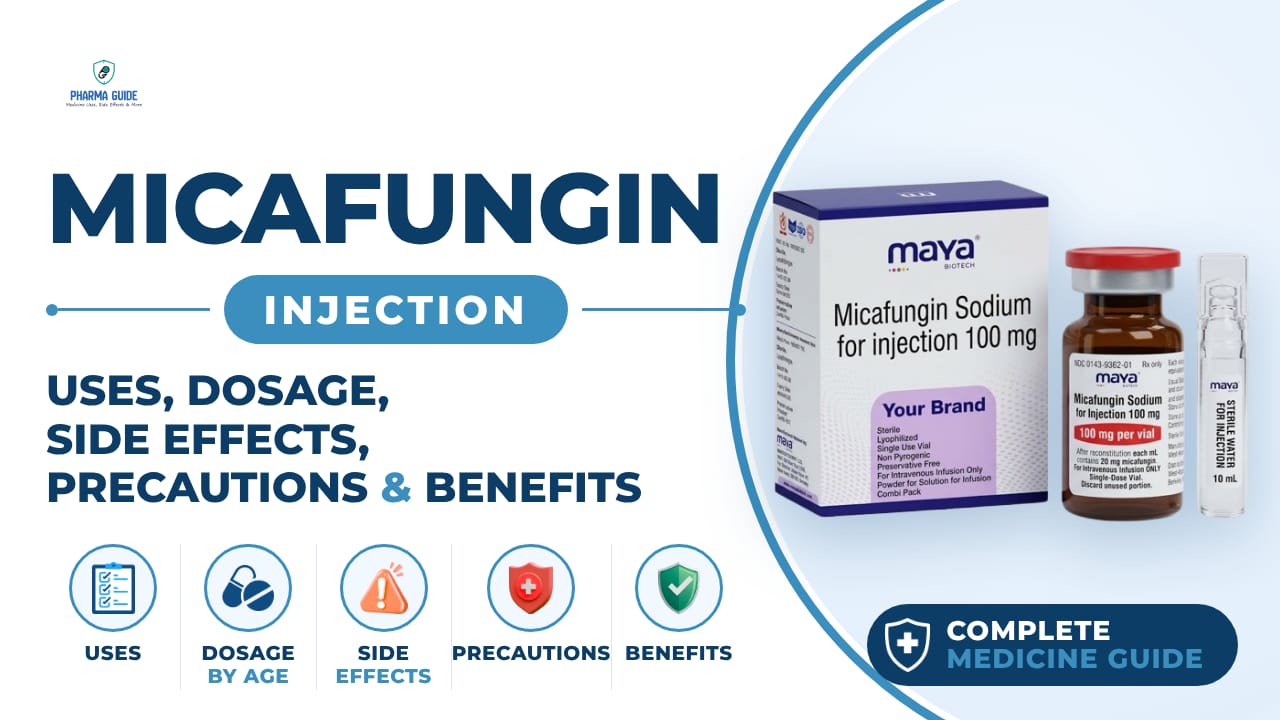
Micafungin Injection: Uses, Dosage, Side Effects, Precautions and Alternates
Echinocandin antifungal
Micafungin Injection is an antifungal medicine used to treat Candida infections and prevent them in stem cell transplant patients. Learn dosage, side effects,
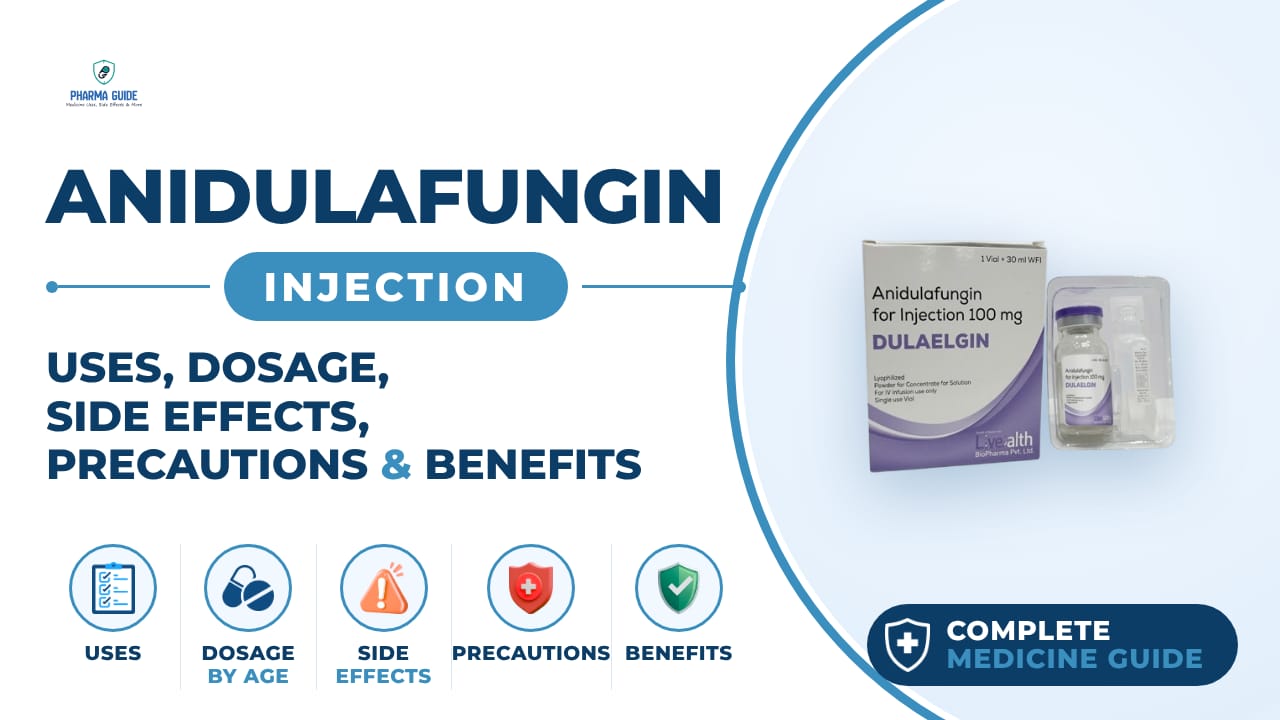
Anidulafungin Injection: Uses, Dosage, Side Effects, Precautions and Alternates
Echinocandin antifungal
Anidulafungin Injection is an IV echinocandin antifungal for serious Candida infections of the blood, abdomen, and esophagus, given once daily.