
Safety
General information, not medical advice
Your prescriber and the leaflet in your pack know your situation. This page does not.
- Follow your prescriber and the leaflet
- Don't start, stop, or change a dose on your own
- Doses and warnings differ by country and product
Micafungin Injection: Uses, Dosage, Side Effects, Precautions and Alternates

| Generic name | micafungin sodium |
|---|---|
| Drug class | Echinocandin antifungal |
| Forms | Injection |
Quick overview
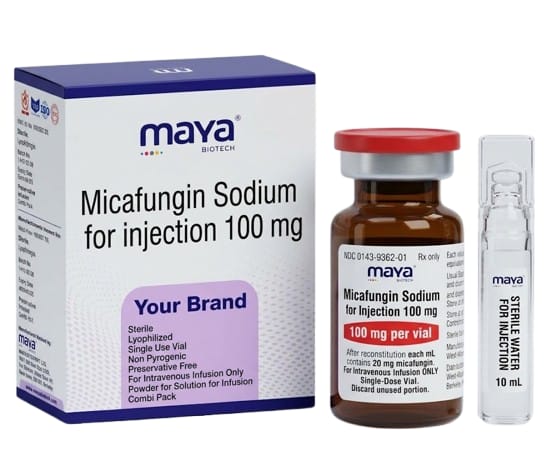
Micafungin Injection (micafungin sodium) is an echinocandin antifungal medicine given into a vein. It is used to treat certain fungal infections caused by Candida and to help prevent these infections in people having a stem cell transplant. It works by weakening the fungal cell wall, causing the fungal cells to die.
What is Micafungin Injection
Micafungin is an antifungal medicine given into a vein. It is used to treat certain fungal infections caused by Candida and to help prevent these infections in people having a stem cell transplant.
Micafungin Injection uses
- Treatment of candidemia, acute disseminated candidiasis, Candida peritonitis and abscesses
- Treatment of esophageal candidiasis (a fungal infection of the food tube connecting the mouth to the stomach)
- Prevention of Candida infections in patients undergoing a hematopoietic stem cell transplant
Benefits of Micafungin Injection
- Clears or reduces fungal infections caused by susceptible Candida species
- Helps prevent Candida infections in people at high risk, such as stem cell transplant patients
How Micafungin Injection works
Micafungin blocks an enzyme fungi need to build their cell walls. Without a strong cell wall, the fungal cells become weak, fall apart, and die.
Micafungin Injection dosage
Micafungin is given once daily as a slow infusion into a vein, usually over about one hour. It must not be mixed with other medicines in the same IV line. An existing IV line should be flushed with saline before the infusion is given. Treatment length depends on the type of infection and is decided by your doctor. Children's doses are based on body weight, so tell your doctor about any weight changes.
| Age group | Dose |
|---|---|
| Under 18 years | Not recommended |
| 18–64 years | 100 mg, once/day |
| 65+ years | 100 mg, once/day |
Available forms and strengths
Injection
Side effects of Micafungin Injection
Common
- Rash
- Nausea, vomiting, diarrhea, abdominal pain
- Fever
- Headache
- Itching (pruritus)
- Facial swelling
- Vasodilatation (widening of blood vessels, causing flushing)
- Fatigue
- Injection site reactions, including inflammation of the veins (phlebitis, thrombophlebitis)
- Low blood potassium or magnesium levels
- Changes in liver function test results
- Low white blood cell, red blood cell, or platelet counts
Serious
- Serious allergic reactions, including anaphylaxis and shock
- Stevens-Johnson syndrome and toxic epidermal necrolysis (severe skin reactions)
- Serious liver problems, including hepatitis or worsening liver failure
- Kidney problems or kidney failure
- Destruction of red blood cells (hemolysis) or hemolytic anemia
- Signs of infection or sepsis
Warnings and precautions
- Micafungin can cause severe allergic reactions, including shock. Treatment should be stopped if this happens.
- Micafungin can cause serious liver problems, including liver inflammation or worsening liver failure.
- Micafungin can cause kidney problems, kidney failure, and abnormal kidney function test results.
- Micafungin can cause destruction of red blood cells, known as hemolysis or hemolytic anemia.
- In animal studies, high doses given for a long time were linked to liver tumors, so the medicine should not be used at higher than recommended doses or for longer than needed.
- Micafungin has not been well studied in pregnant women and may harm an unborn baby. It should only be used in pregnancy if the benefits outweigh the risks.
- It is not known if micafungin passes into breast milk, so caution is needed if used while breastfeeding.
- No dose change is needed for kidney problems, but kidney function should be monitored since kidney impairment and kidney failure have been reported.
- People with liver problems may need closer monitoring of liver function during treatment.
Storage
- Store unopened vials protected from light at controlled room temperature, 15-30°C
- The reconstituted product may be stored in the original vial, protected from light, for up to 24 hours at room temperature, 25°C
- The diluted infusion should be protected from light and may be stored for up to 24 hours at room temperature, 25°C
- Micafungin is preservative-free; discard partially used vials
When to see a doctor
- Get emergency help right away for signs of a severe allergic reaction, such as hives, trouble breathing, or swelling of the face, lips, tongue, or throat.
- Call your doctor right away if you notice yellowing of the skin or eyes, dark urine, or stomach pain, which can be signs of liver problems.
- Tell your doctor immediately about fever, chills, rapid heartbeat, dizziness, or feeling faint, which can be signs of a serious reaction.
- Contact a healthcare professional, hospital emergency department, or poison control right away if you think too much medicine was given, even without symptoms.
Alternatives
- Fluconazole
- Anidulafungin
- Caspofungin
Watch the video
FAQs
What is Micafungin Injection used for?
It is used to treat candidemia, acute disseminated candidiasis, Candida peritonitis and abscesses, esophageal candidiasis, and to prevent Candida infections in people undergoing a hematopoietic stem cell transplant.
How is Micafungin Injection given?
It is given once daily as a slow infusion into a vein, usually over about one hour. It must not be mixed with other medicines in the same IV line, and an existing IV line should be flushed with saline before infusion.
What are the common side effects of Micafungin Injection?
Common side effects include rash, nausea, vomiting, diarrhea, abdominal pain, fever, headache, itching, facial swelling, flushing, fatigue, injection site reactions, low potassium or magnesium levels, changes in liver function tests, and low blood cell counts.
What serious warnings are associated with Micafungin Injection?
Micafungin can cause severe allergic reactions including shock, serious liver problems, kidney problems or failure, and destruction of red blood cells (hemolysis). High doses given for a long time in animal studies were linked to liver tumors.
Is Micafungin Injection safe during pregnancy or breastfeeding?
It has not been well studied in pregnant women and may harm an unborn baby, so it should only be used if benefits outweigh risks. It is not known if it passes into breast milk, so caution is needed while breastfeeding.
General information, not medical advice
Your prescriber and the leaflet in your pack know your situation. This page does not.
- Follow your prescriber and the leaflet
- Don't start, stop, or change a dose on your own
- Doses and warnings differ by country and product
Sources
Video
Related medicines

Anidulafungin Injection: Uses, Dosage, Side Effects, Precautions and Alternates
Echinocandin antifungal
Anidulafungin Injection is an IV echinocandin antifungal for serious Candida infections of the blood, abdomen, and esophagus, given once daily.
Cancidas Injection: Uses, Dosage, Side Effects, Precautions and Alternates
Echinocandin antifungal
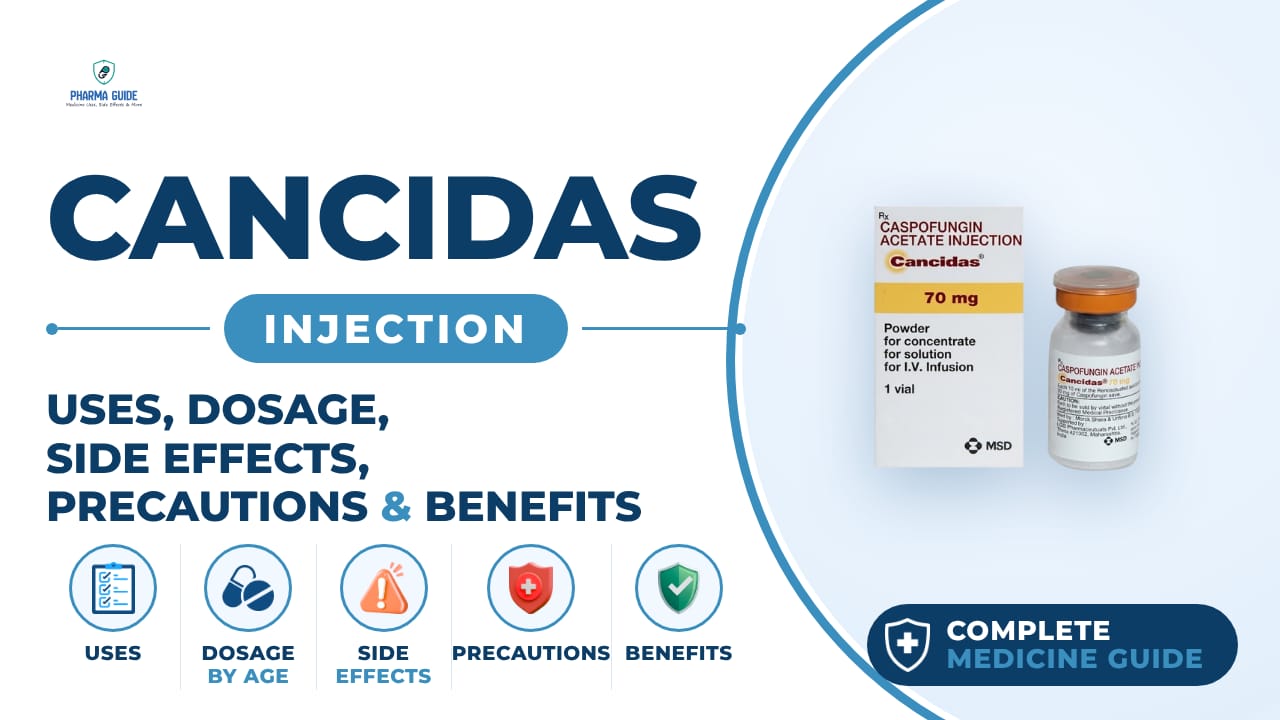
Cancidas Injection (caspofungin) is an IV antifungal for serious Candida and Aspergillus infections. Learn its uses, dosage, side effects, and precautions.