
Safety
General information, not medical advice
Your prescriber and the leaflet in your pack know your situation. This page does not.
- Follow your prescriber and the leaflet
- Don't start, stop, or change a dose on your own
- Doses and warnings differ by country and product
Cataflam Tablet: Uses, Dosage, Side Effects, Precautions and Alternates
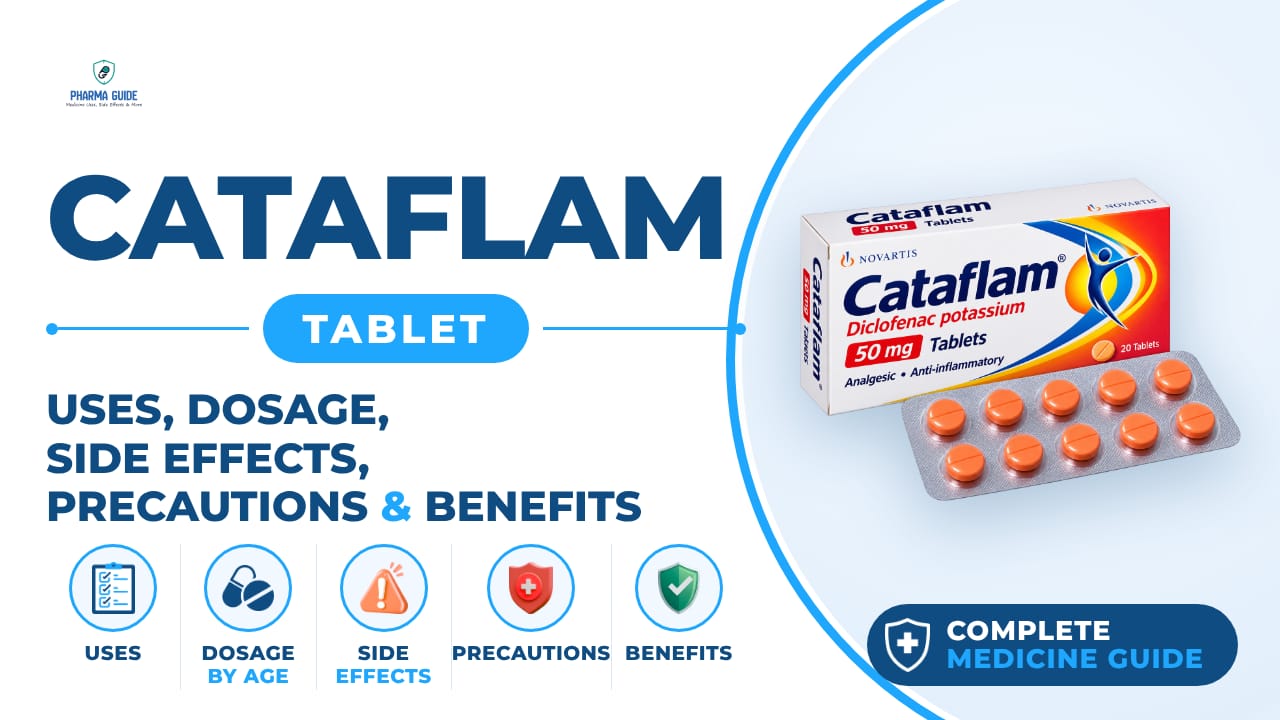
| Generic name | Diclofenac potassium |
|---|---|
| Drug class | Nonsteroidal anti-inflammatory drug (NSAID) |
| Forms | Sugar-coated tablet (25 mg or 50 mg), Coated tablet, Oral drops, Suppositories |
Quick overview
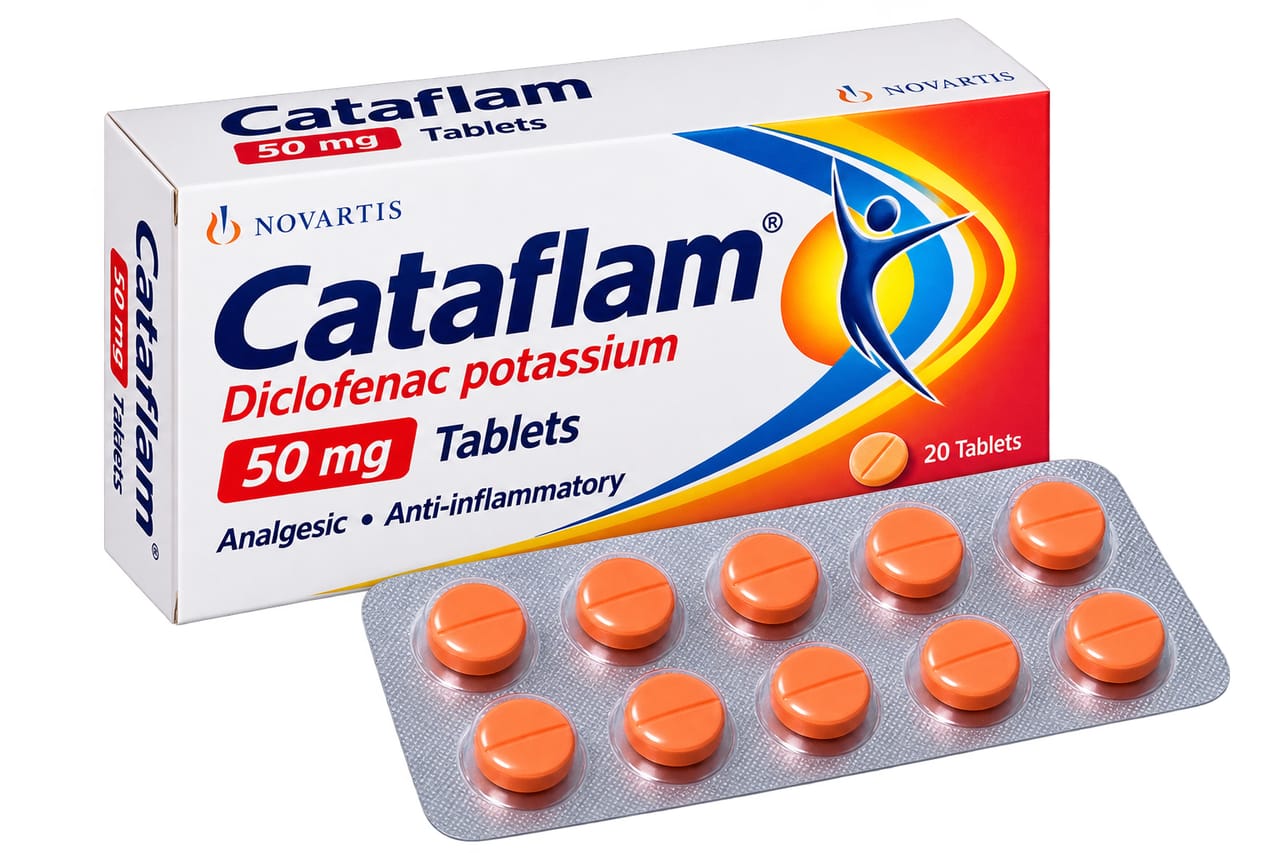
Cataflam Tablet contains diclofenac potassium, a nonsteroidal anti-inflammatory drug (NSAID). It is used to relieve pain and reduce inflammation and swelling in conditions such as joint, muscle and tendon pain, gout attacks, injuries, period pain, and migraine. Cataflam works by blocking the production of prostaglandins, substances in the body that cause inflammation, pain and fever. It should be used at the lowest effective dose for the shortest time needed, as advised by your doctor.
What is Cataflam Tablet
Cataflam is a medicine that contains diclofenac potassium, which belongs to a group of medicines called non-steroidal anti-inflammatory drugs (NSAIDs). NSAIDs reduce pain and inflammation. They have no effect on the causes of inflammation.
Cataflam Tablet uses
- Joint, muscle or tendon pain
- Attacks of gout
- Pain and swelling after surgery
- Sprains, strains and other injuries
- Gynaecology problems such as period pain
- Painful ear, nose or throat infections
- Migraine
- Mild to moderate pain
- Signs and symptoms of osteoarthritis or rheumatoid arthritis
- Painful conditions of the spine (vertebral column)
- Non-articular rheumatism
Benefits of Cataflam Tablet
- Relieves pain and reduces inflammation and swelling
- Has a rapid onset of action, making it suitable for acute painful and inflammatory conditions
- Relieves period pain and reduces the extent of bleeding
- Helps relieve migraine headache and eases nausea and vomiting that come with it
How Cataflam Tablet works
Cataflam blocks the making of substances in the body called prostaglandins. Prostaglandins play an important role in causing inflammation, pain and fever, so lowering them reduces these symptoms.
Cataflam Tablet dosage
Take Cataflam by mouth. Swallow the tablets whole with a drink, preferably before a meal, unless your doctor or pharmacist has told you otherwise. Do not crush, chew or suck the tablets.
Your doctor may also prescribe another medicine to protect your stomach, especially if you have had stomach problems before, are elderly, or take certain other medicines.
Take the tablet at least 1 hour before or 4 to 6 hours after taking colestipol or cholestyramine (medicines for high cholesterol), as these can reduce the effect of Cataflam.
Use the lowest dose that works, for the shortest time needed. Keep taking the tablets for as long as you have been told, unless you have problems, in which case check with your doctor. Taking with food does not change how much medicine is absorbed, though it may slightly delay the start of its effect.
| Age group | Dose |
|---|---|
| Under 14 years | Not recommended |
| 14–17 years | 75–100 mg per day, divided into 2–3 doses |
| 18 years and older | 50 mg 2–3 times daily, depending on the condition |
Available forms and strengths
- Sugar-coated tablet (25 mg or 50 mg)
- Coated tablet
- Oral drops
- Suppositories
Side effects of Cataflam Tablet
Common
- Stomach pain, heartburn, nausea, vomiting, diarrhea
- Indigestion, wind (flatulence), loss of appetite
- Headache, dizziness, vertigo
- Skin rash or spots
- Raised levels of liver enzymes in the blood
- Constipation
- Itching, sweating
- Stuffy nose
- Increased blood pressure
- Swelling or pain in your arms or legs
Serious
- Chest pain or tightness with shortness of breath
- Breathlessness, difficulty breathing when lying down, swelling of the feet or legs
- Vomiting of blood or bleeding from the bowel (black tarry stools)
- Sudden slurred speech, facial drooping, weakness, disorientation or speech problems (signs of stroke)
- Allergic reactions such as skin rash, itching, bruising, peeling or blistering, wheezing or shortness of breath, swelling of the face, lips, hands or fingers, low blood pressure and fainting
- Mild cramping and tenderness of the abdomen followed by rectal bleeding or bloody diarrhea
- Chest pain, which can be a sign of a serious allergic reaction called Kounis syndrome
- Yellowing of the skin or the whites of the eyes
- Pain in the abdomen and lower back with feeling sick or loss of appetite (signs of pancreatitis)
- Persistent sore throat or high temperature
- Serious skin rashes including Stevens-Johnson syndrome and toxic epidermal necrolysis (Lyell's syndrome)
- Stomach ulcers or bleeding
- Heart problems such as heart attack, heart failure or palpitations
- Kidney problems such as little or no urinating or swelling
Warnings and precautions
- Talk to your doctor before taking this medicine if you are pregnant or might become pregnant. Do not take Cataflam in the last 3 months of pregnancy as it could harm your unborn child or cause problems at delivery. Do not take it during the first 6 months of pregnancy unless it is absolutely necessary and your doctor advises it. If used for more than a few days from 20 weeks of pregnancy, it can cause kidney problems in your unborn baby.
- Do not breast-feed while taking Cataflam. This is because small amounts may pass into the mother's milk.
- Do not take Cataflam if you have severe kidney problems. It is not to be used in patients with kidney failure. Tell your doctor if you have kidney problems, as you may need blood tests to check your kidney function during treatment.
- Do not take Cataflam if you have severe liver problems. It is not to be used in patients with liver failure. Tell your doctor if you have liver problems, as you may need blood tests to check your liver function during treatment.
- Avoid drinking alcohol. It may increase your risk of stomach bleeding.
- Very occasionally people have reported that Cataflam made them feel dizzy, tired or sleepy, and some had problems with eyesight. If you are affected in this way, you should not drive or use any tools or machines.
- There is a small increased risk of heart attack or stroke when taking a medicine like Cataflam. The risk is higher with higher doses taken for a long time. Always follow your doctor's instructions on how much to take and for how long.
- Cataflam may cause stomach or intestinal bleeding, which can be fatal. This can happen without warning at any time, especially in older adults.
- Do not use diclofenac just before or after heart bypass surgery (coronary artery bypass graft, or CABG).
- Because it is an anti-inflammatory medicine, Cataflam may reduce the symptoms of infection, such as headache and high temperature. If you feel unwell and see a doctor, tell them you are taking Cataflam.
- If you are elderly or underweight you may be more sensitive to the effects of Cataflam. Take the smallest amount that gives relief, for the shortest possible time, and tell your doctor straight away about any side effects, especially stomach problems.
- This medicine is not recommended for use in children and adolescents under 14 years of age.
- Cataflam contains sucrose. If you have been told you cannot tolerate some sugars, contact your doctor before taking this medicine.
Storage
- Keep this medicine out of the sight and reach of children.
- Do not take Cataflam after the expiry date stated on the blister pack and carton after 'EXP'. The expiry date refers to the last day of that month.
- Store in the original package.
- Do not store above 30°C.
- Protect from moisture.
- Do not throw away medicines via wastewater or household waste. Ask your pharmacist how to throw away medicines you no longer use.
When to see a doctor
- Stop taking Cataflam and see a doctor straight away if you have chest pain or tightness with shortness of breath, breathlessness, difficulty breathing when lying down, or swelling of the feet or legs.
- Get emergency medical help if you have signs of a heart attack or stroke, such as chest pain spreading to your jaw or shoulder, sudden numbness or weakness on one side of the body, slurred speech, or feeling short of breath.
- Stop taking Cataflam and see a doctor straight away if you notice signs of stomach bleeding, such as vomiting blood, black tarry stools, or vomit that looks like coffee grounds.
- Get emergency medical help if you have signs of an allergic reaction such as hives, difficult breathing, or swelling in your face or throat, or a severe skin reaction with fever, sore throat, burning eyes, skin pain, or a red or purple rash with blistering and peeling.
- If you accidentally take too much Cataflam, tell your doctor or go to your nearest hospital emergency department straight away. Take your medicine pack with you. You can also call your local poison control center. Signs of overdose may include vomiting, stomach bleeding, diarrhea, dizziness, hearing problems or fits.
- If you experience any signs or symptoms of problems with your heart or blood vessels such as chest pain, shortness of breath, weakness, or slurring of speech, contact your doctor immediately.
Alternatives
- Voltaren
- Arthrotec
- Flector
- Pennsaid
- Solaraze
- Voltaren Gel
Watch the video
FAQs
What is Cataflam Tablet used for?
Cataflam is used to relieve pain and reduce inflammation and swelling in conditions such as joint, muscle and tendon pain, gout attacks, injuries, period pain, migraine, osteoarthritis, rheumatoid arthritis and painful ear, nose or throat infections.
How should Cataflam Tablet be taken?
Cataflam should be swallowed whole with a drink, preferably before a meal, without crushing, chewing or sucking the tablets. It should be taken at the lowest effective dose for the shortest time needed, as advised by your doctor.
What is the dosage of Cataflam for adults?
Adults 18 years and older typically take 50 mg 2–3 times daily, depending on the condition being treated.
Can Cataflam be taken during pregnancy?
Cataflam should not be taken in the last 3 months of pregnancy, and should be avoided during the first 6 months unless absolutely necessary and advised by your doctor, as it can cause harm to the unborn baby.
What are the serious side effects of Cataflam Tablet?
Serious side effects include chest pain, stomach ulcers or bleeding, signs of stroke, allergic reactions, liver problems such as yellowing of the skin, kidney problems, and serious skin reactions like Stevens-Johnson syndrome.
General information, not medical advice
Your prescriber and the leaflet in your pack know your situation. This page does not.
- Follow your prescriber and the leaflet
- Don't start, stop, or change a dose on your own
- Doses and warnings differ by country and product
Sources
- Cataflam 50 mg Coated Tablets Package Leaflet, Novartis Ireland Limited, last revised 10/2022
- Drugs.com – Cataflam (diclofenac), medically reviewed by Sophia Entringer, PharmD, last updated May 28, 2025
- Cataflam Sep 2022 SIN prescribing information, Novartis Pharma AG, Basel, Switzerland
Video
Related medicines
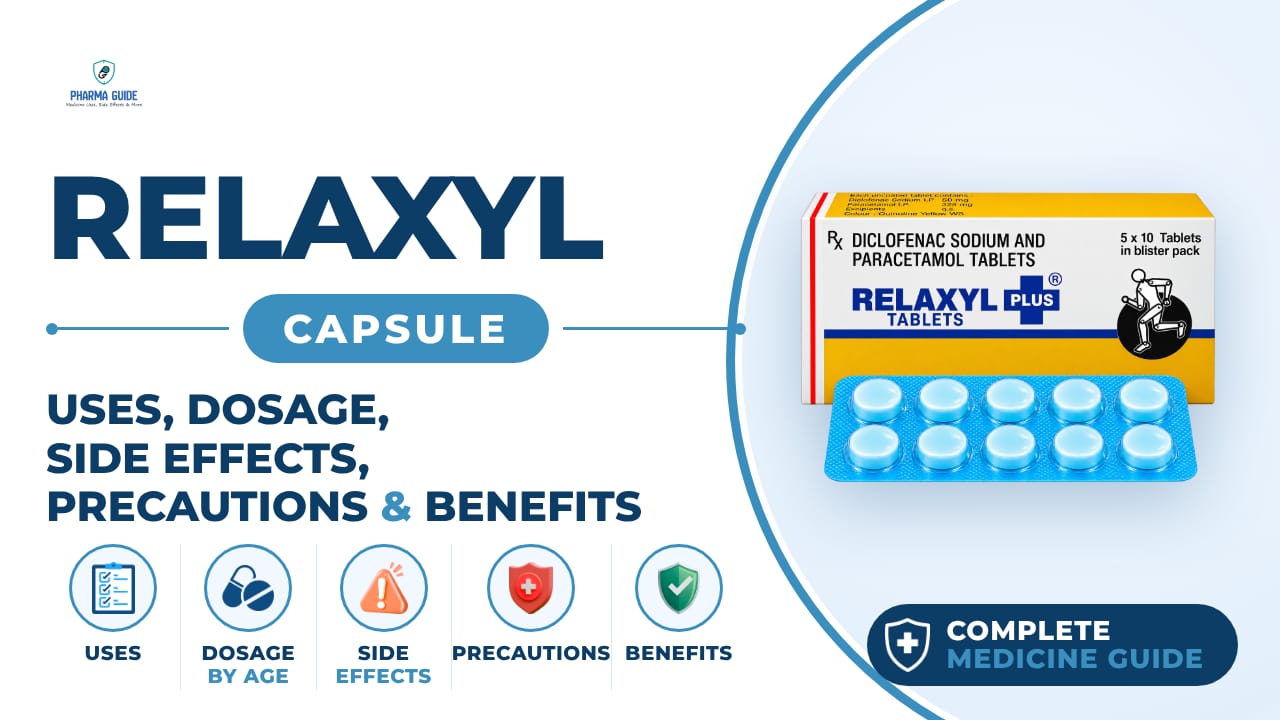
Relaxyl Capsule: Uses, Dosage, Side Effects, Precautions and Alternates
Nonsteroidal Anti-Inflammatory Drug (NSAID)
Relaxyl Capsule contains diclofenac, an NSAID used to relieve joint and muscle pain, swelling, and inflammation. Learn uses, dosage, and side effects.
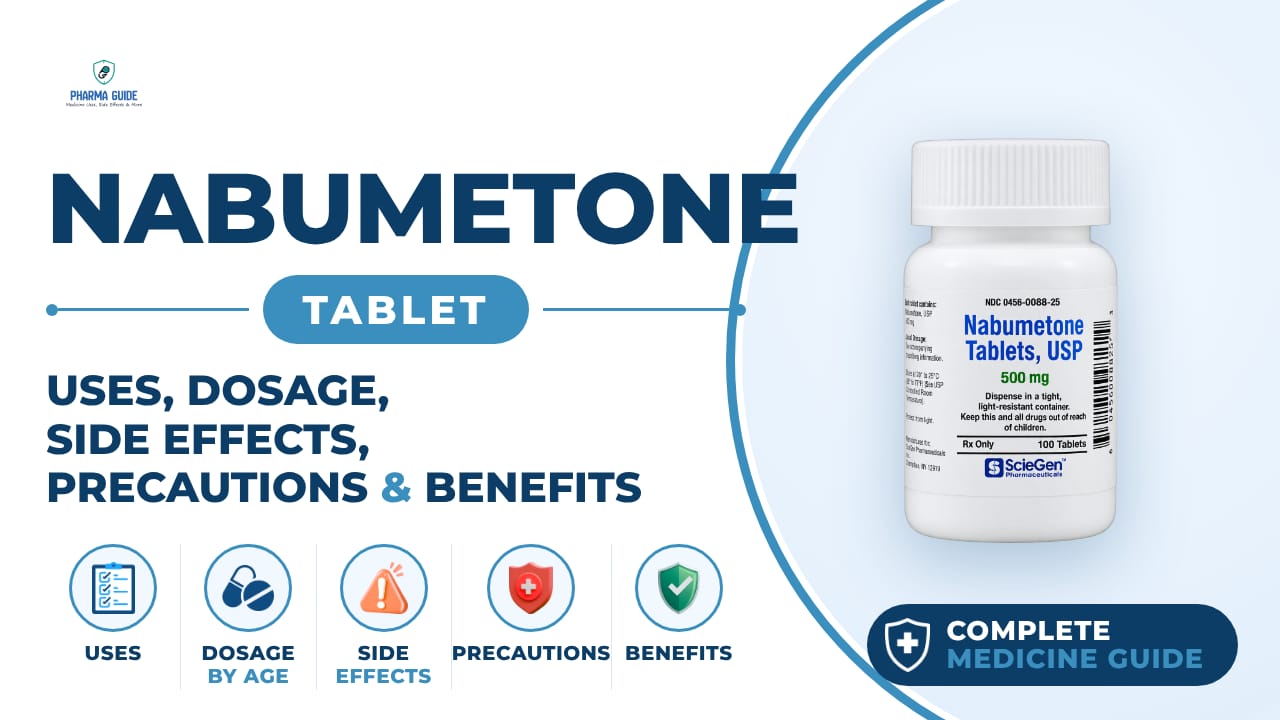
Nabumetone Tablet: Uses, Dosage, Side Effects, Precautions and Alternates
Nonsteroidal anti-inflammatory drug (NSAID)
Nabumetone Tablet is an NSAID for osteoarthritis and rheumatoid arthritis pain relief. Learn its dosage, uses, side effects, and safety warnings.