
Safety
General information, not medical advice
Your prescriber and the leaflet in your pack know your situation. This page does not.
- Follow your prescriber and the leaflet
- Don't start, stop, or change a dose on your own
- Doses and warnings differ by country and product
Cedax Capsule: Uses, Dosage, Side Effects, Precautions and Alternates
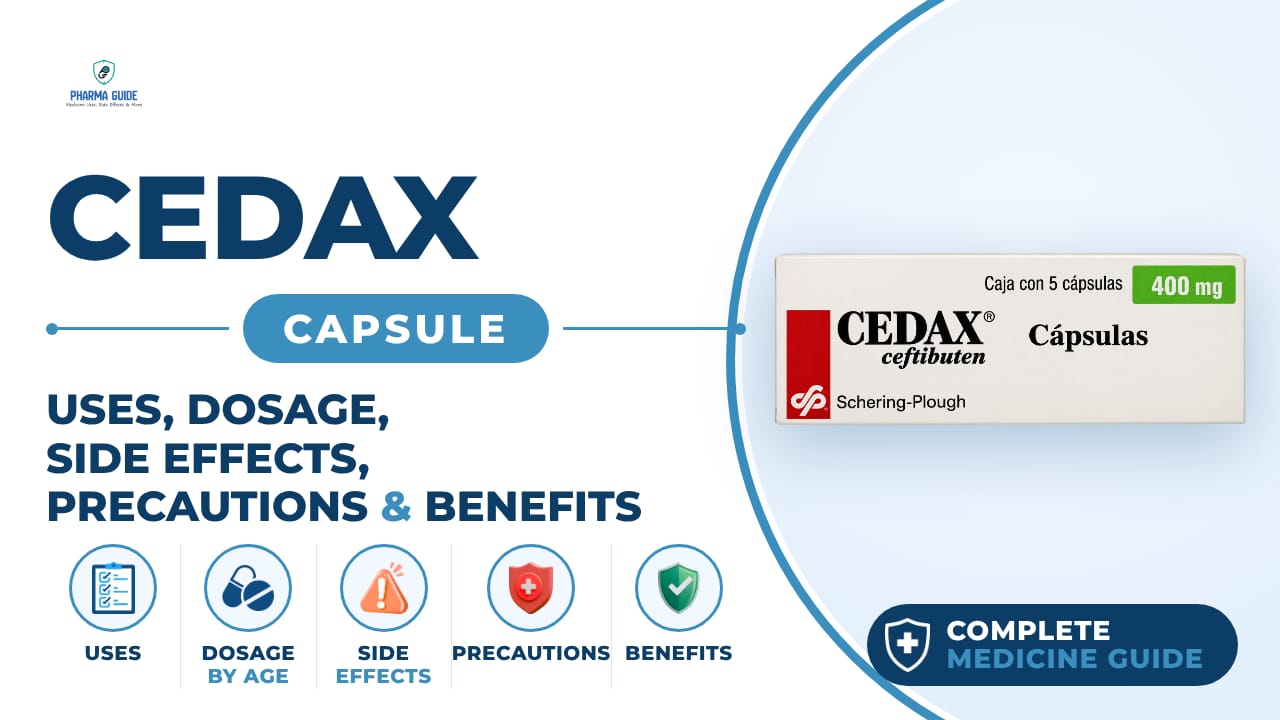
| Generic name | ceftibuten |
|---|---|
| Drug class | Cephalosporins, 3rd Generation |
| Forms | Capsule |
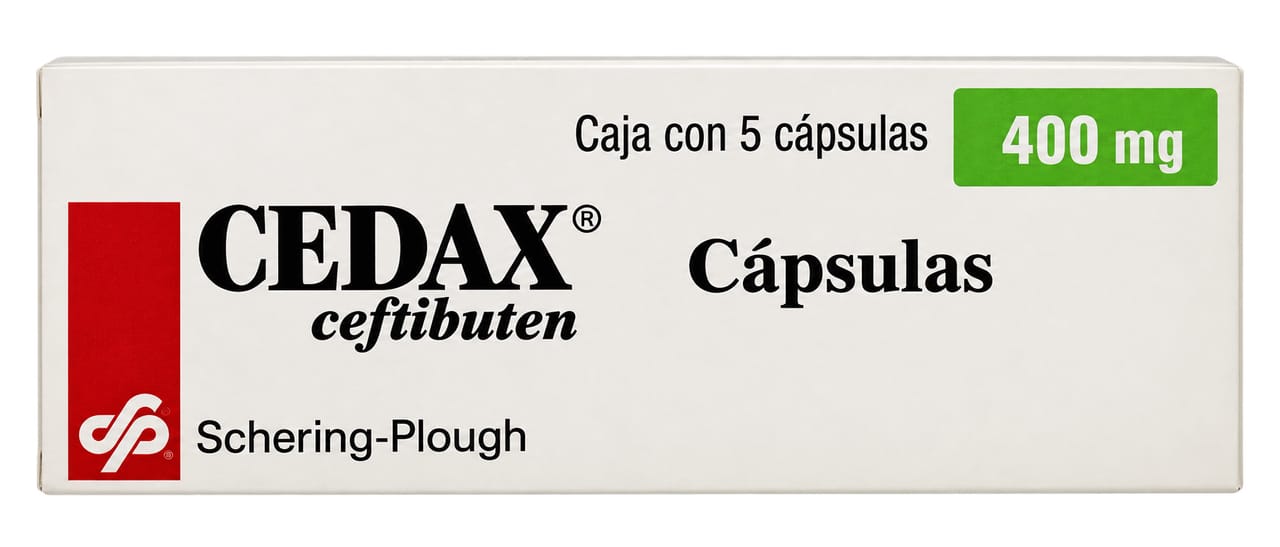
Quick overview
Cedax Capsule contains ceftibuten, a third-generation cephalosporin antibiotic. It is used to treat acute bacterial flare-ups of chronic bronchitis, acute bacterial middle ear infections, and pharyngitis or tonsillitis caused by Streptococcus pyogenes. It works by stopping bacteria from building their cell walls, leading to bacterial death. Cedax should be used exactly as prescribed and taken for the full course of treatment.
What is Cedax Capsule
Cedax (ceftibuten) is a cephalosporin antibiotic used to treat many different types of infections caused by bacteria.
Cedax Capsule uses
- Acute bacterial flare-ups of chronic bronchitis caused by certain bacteria
- Acute bacterial middle ear infections (otitis media) caused by certain bacteria
- Pharyngitis and tonsillitis caused by Streptococcus pyogenes
Benefits of Cedax Capsule
- Treats bacterial throat infections.
- Helps treat middle ear infections.
- Treats certain respiratory tract infections.
- Helps stop the growth of susceptible bacteria.
- Helps relieve infection symptoms as the bacteria are eliminated.
How Cedax Capsule works
Ceftibuten works by attaching to proteins that bacteria need to build their cell walls, which blocks wall formation and leads to the bacteria's death.
Cedax Capsule dosage
Cedax Oral Suspension should be taken at least 2 hours before a meal or at least 1 hour after a meal. Food can affect how well the capsule form is absorbed, so take it consistently with regard to meals as your doctor advises. Take this medication for the entire length of time prescribed by your doctor, even if symptoms improve before the infection is fully treated. Ceftibuten will not treat a viral infection such as the common cold or flu. Elderly patients may need their dose adjusted and should be monitored closely, particularly for kidney function.
| Age group | Dose |
|---|---|
| Under 18 years | Not recommended |
| 18–64 years | 400 mg, once/day |
| 65+ years | 400 mg, once/day |
Available forms and strengths
Capsule
Side effects of Cedax Capsule
Common
- Nausea
- Vomiting
- Belching
- Constipation
- Diarrhea
- Stomach upset or pain
- Headache
- Dizziness
- Drowsiness
- Tired feeling
- Stiff or tight muscles
- Numbness or tingly feeling
- Feeling agitated, irritable, restless, or hyperactive
- Dry mouth
- White patches or sores inside the mouth or on the lips
- Unusual or unpleasant taste in the mouth
- Stuffy nose, noisy breathing
- Sleep problems (insomnia)
- Itching or skin rash
- Vaginal itching or discharge
Serious
- Hives, difficulty breathing, swelling of the face, lips, tongue, or throat
- Dark urine, persistent nausea or vomiting, yellowing of the eyes or skin (jaundice)
- Black stool
- Change in the amount of urine
- Joint pain
- Fever
- Persistent sore throat
- Easy bleeding or unusual bruising
- Fast or pounding heartbeat
- Seizure
- Mood changes, confusion
- Persistent or bloody diarrhea, abdominal pain or cramping, blood or mucus in stool
- Severe dizziness
- Fever, sore throat, and headache with a severe blistering, peeling, and red skin rash
- Increased thirst, loss of appetite, swelling, weight gain, feeling short of breath, urinating less than usual or not at all
Warnings and precautions
- Tell your doctor before starting Cedax if you have ever had an allergic reaction to ceftibuten, other cephalosporins, penicillins, or other drugs, because cross-reaction between these drug types can occur in up to 10% of people with a penicillin allergy.
- Stop the drug right away if an allergic reaction happens.
- Severe diarrhea linked to antibiotic use (pseudomembranous colitis) can occur during or after treatment and can range from mild to life-threatening.
- This medicine is not suitable for people with a known allergy to the cephalosporin group of antibiotics.
- Cedax should be prescribed carefully in people with a history of gastrointestinal disease, especially colitis.
- Taking too much of this type of antibiotic can irritate the brain and lead to seizures.
- Cedax should be used during pregnancy only if clearly needed, as prescribed by a doctor.
- It is not known if ceftibuten passes into breast milk at normal doses, so caution is advised and you should consult your doctor before breastfeeding.
- People with reduced kidney function, especially those with a creatinine clearance below 50 mL/min or who are on dialysis, may need a lower dose and should be monitored closely.
- Avoid if allergic to ceftibuten or cephalosporin antibiotics.
- Inform your doctor if you have kidney disease.
- Seek medical help for severe diarrhea or bloody stools.
Storage
- Store the capsules between 36°F and 77°F (2°C and 25°C)
- Replace cap securely after each opening
- For the oral suspension, keep tightly closed, shake well before each use, store in the refrigerator after mixing, and discard any unused portion after 14 days
When to see a doctor
Get emergency medical help right away for signs of a serious allergic reaction, such as hives, trouble breathing, or swelling of the face, lips, tongue, or throat.
Call your doctor right away if you have watery or bloody diarrhea, fever with chills and body aches, unusual bleeding, blood in your urine, a seizure, pale or yellowed skin with dark urine and confusion, yellowing of the skin or eyes, swollen glands with rash or joint pain, a severe blistering or peeling skin rash with fever and sore throat, or signs of kidney trouble like reduced urination, swelling, and shortness of breath.
If you get diarrhea that is watery or contains blood while taking this medicine, call your doctor and do not take anti-diarrhea medicine unless your doctor tells you to.
Alternatives
- Cefdinir
- Cefpodoxime
- Cefixime
Watch the video
FAQs
What is Cedax Capsule used for?
Cedax Capsule is used to treat acute bacterial flare-ups of chronic bronchitis, acute bacterial middle ear infections (otitis media), and pharyngitis or tonsillitis caused by Streptococcus pyogenes.
How does Cedax Capsule work?
Ceftibuten, the active ingredient in Cedax, works by attaching to proteins that bacteria need to build their cell walls, blocking wall formation and leading to the bacteria's death.
What is the dosage of Cedax Capsule for adults?
For adults aged 18-64 years and those 65 and older, the dose is 400 mg once daily. Cedax is not recommended for use in children under 18 years.
What are the common side effects of Cedax Capsule?
Common side effects include nausea, vomiting, diarrhea, stomach upset, headache, dizziness, drowsiness, dry mouth, unusual taste in the mouth, sleep problems, and itching or skin rash.
Who should avoid taking Cedax Capsule?
Cedax should be avoided by people with a known allergy to ceftibuten or other cephalosporin antibiotics, and used cautiously in those with a history of gastrointestinal disease, especially colitis, or reduced kidney function.
General information, not medical advice
Your prescriber and the leaflet in your pack know your situation. This page does not.
- Follow your prescriber and the leaflet
- Don't start, stop, or change a dose on your own
- Doses and warnings differ by country and product
Sources
Video
Related medicines
Ceftibuten Capsule: Uses, Dosage, Side Effects, Precautions and Alternates
Cephalosporins, 3rd Generation
Ceftibuten Capsule is a third-generation cephalosporin antibiotic for bronchitis, ear and throat infections, sinusitis, and UTIs. Learn dosage, side effects,

Injectafer Injection: Uses, Dosage, Side Effects, Precautions and Alternates
Iron products
Injectafer (ferric carboxymaltose) treats iron deficiency anemia and heart failure-related iron deficiency via IV. Learn uses, dosage, side effects, and