
Safety
General information, not medical advice
Your prescriber and the leaflet in your pack know your situation. This page does not.
- Follow your prescriber and the leaflet
- Don't start, stop, or change a dose on your own
- Doses and warnings differ by country and product
Cefadroxil Capsule: Uses, Dosage, Side Effects, Precautions and Alternates
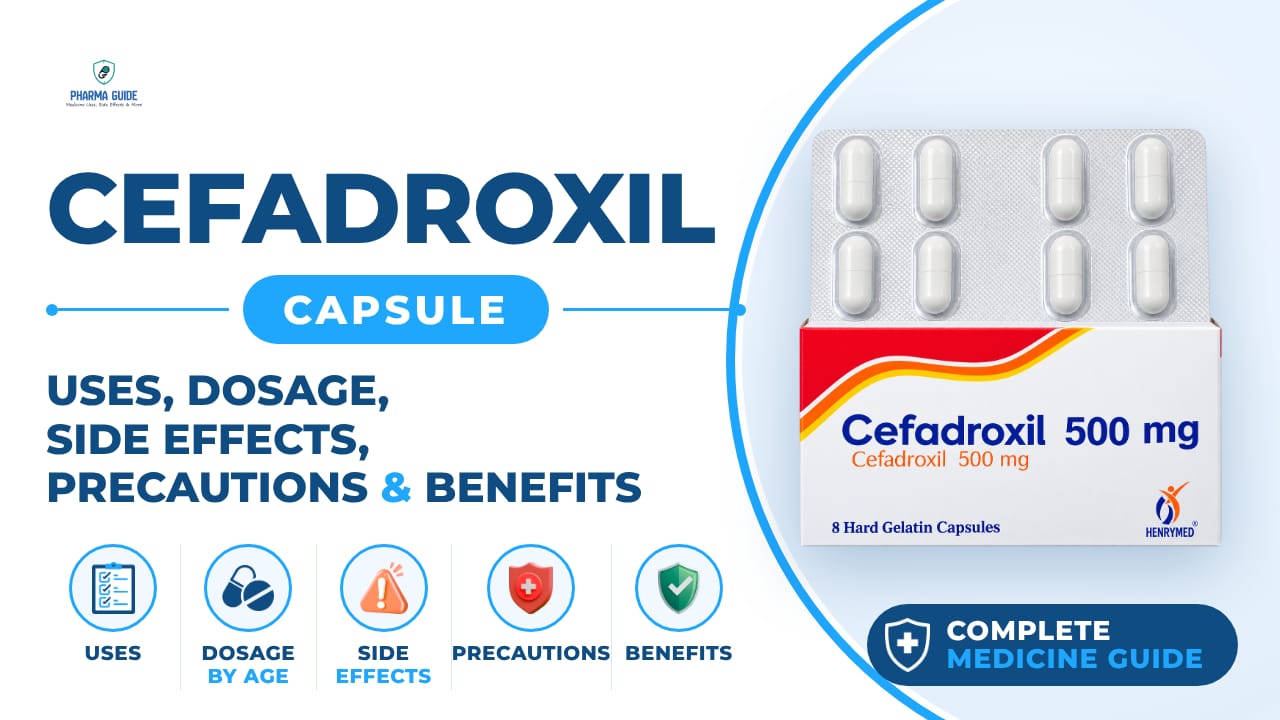
| Generic name | Cefadroxil |
|---|---|
| Drug class | Cephalosporin antibiotic (first-generation) |
| Forms | Capsule |
Quick overview
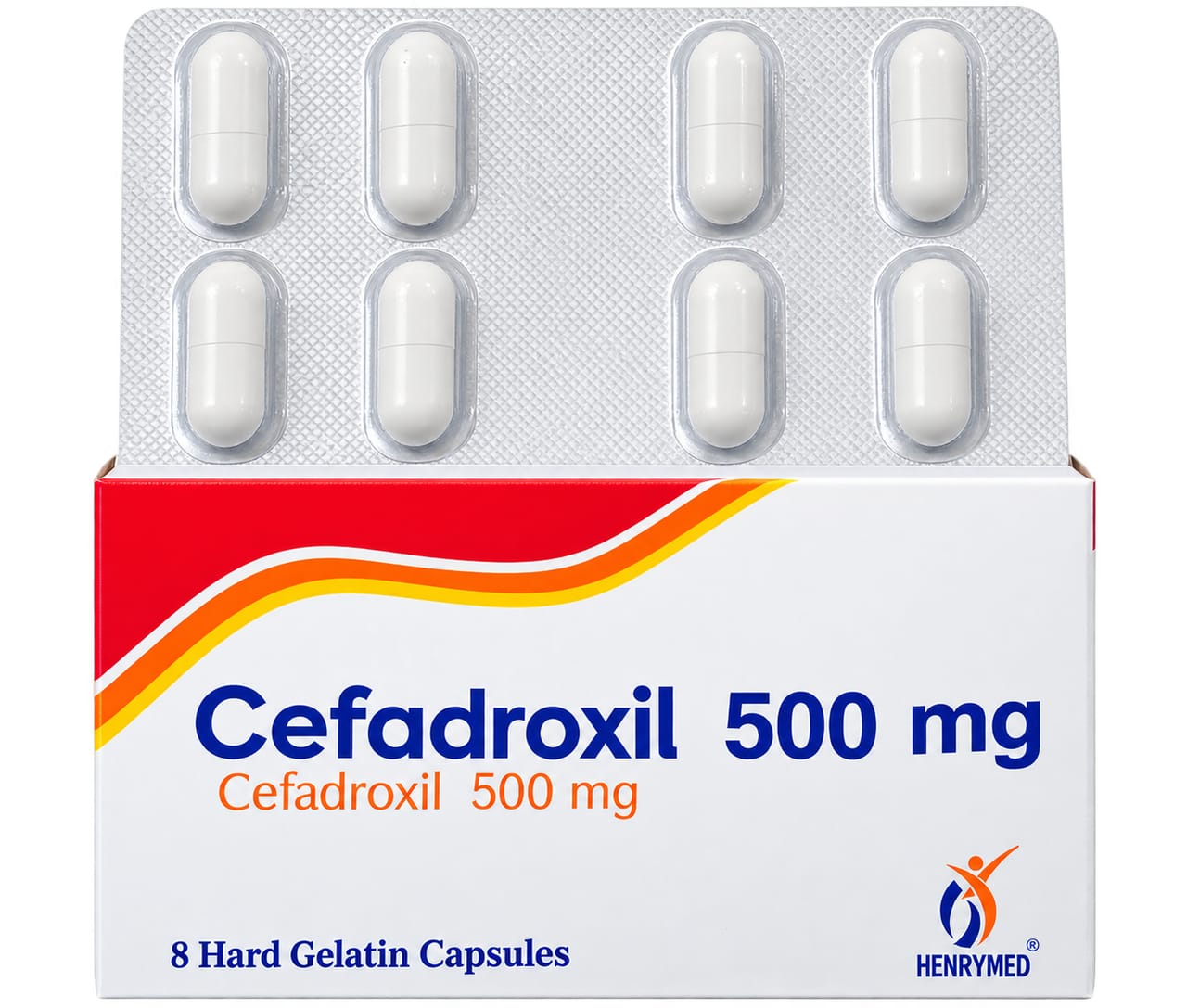
Cefadroxil Capsule contains the generic medicine Cefadroxil, a first-generation cephalosporin antibiotic. It is used to treat bacterial infections of the urinary tract, skin, throat, and lower respiratory tract, and it does not work against viral infections like the common cold. It works by killing susceptible bacteria, and it is available as a capsule.
What is Cefadroxil Capsule
Cefadroxil is an antibiotic that belongs to a class of drugs called cephalosporins. It is used to treat bacterial infections and does not work against viral infections like the common cold.
Cefadroxil Capsule uses
- Urinary tract infections caused by E. coli, P. mirabilis, and Klebsiella species
- Skin and skin structure infections caused by staphylococci and/or streptococci
- Pharyngitis and/or tonsillitis caused by Streptococcus pyogenes (Group A beta-hemolytic streptococci)
- Lower respiratory tract infections, including pneumonia, caused by susceptible organisms
Benefits of Cefadroxil Capsule
- Effectively kills susceptible bacteria causing urinary tract, skin, throat, and lung infections
- Well absorbed when taken by mouth, allowing convenient oral dosing
How Cefadroxil Capsule works
Cefadroxil works by killing bacteria. It attaches to certain proteins inside the bacteria's cell wall and stops the wall from being built properly, which causes the bacteria to break apart and die.
Cefadroxil Capsule dosage
This medicine can be taken with or without food. Taking it with food may help reduce stomach upset. Take the medicine exactly as directed even if you start feeling better early in treatment. Do not skip doses or stop early, since this can make the infection harder to treat and increase bacterial resistance. Do not share this medicine with others. A minimum of 10 days of treatment is recommended for infections caused by Group A beta-hemolytic streptococci.
| Age group | Dose |
|---|---|
| Under 6 years | Usually use oral suspension, with the dose determined by the child's clinician |
| 6–11 years | Usually capsules are not preferred; a liquid formulation may be easier to dose |
| 12–17 years | 500 mg every 12 hours |
| Adults (18+ years) | 500 mg every 12 hours |
Available forms and strengths
- Capsule
Side effects of Cefadroxil Capsule
Common
- Nausea
- Vomiting
- Diarrhea
- Rash
- Abdominal cramps
- Upset stomach
- Heartburn
- Gas (flatulence)
- Dizziness
- Weakness
- Drowsiness
- Nervousness
- Headache
- Vaginal itching or yeast infection
Serious
- Allergic reaction (difficulty breathing, throat closing, swelling of lips, face, or tongue, hives or rash)
- Severe nausea, vomiting, or diarrhea
- Severe skin reactions such as skin peeling, scaling, or blistering with or without pus, which may affect the eyes, mouth, nose, or genitals
- Severe rash, bumps under the skin, skin pain, or skin color changes
- Swelling and redness of eyes or face
- Flu-like feeling, fever, chills, body aches, swollen glands, cough
- Shortness of breath, chest pain or discomfort
- Signs of colon inflammation (colitis) such as watery or bloody diarrhea, which may occur even weeks after stopping the medicine
Warnings and precautions
- The safety of this medicine during pregnancy has not been established, so it is generally not recommended unless your doctor decides it is clearly needed.
- This medicine passes into breast milk, so nursing mothers who need to take it should stop breastfeeding.
- People with reduced kidney function need a lower dose or less frequent dosing because the medicine can build up in the body. Your doctor may need to check your kidney function before and during treatment.
- Tell your doctor before starting this medicine if you have ever had an allergic reaction to cefadroxil, other cephalosporins, or penicillins, since cross-reactions between these drug groups can happen.
- This medicine can cause severe skin reactions that may also affect other organs, including skin peeling, blistering, or a widespread rash.
- Antibiotics including this one can cause inflammation of the colon, which may show up as diarrhea during or even months after treatment.
- Using this medicine when it is not needed, or not finishing the full course, can make bacteria resistant so the medicine may not work in the future.
Storage
- Store between 15°C and 30°C
- Protect from high humidity
- Keep out of reach and sight of children
When to see a doctor
- Get medical help right away if you have signs of an allergic reaction, such as trouble breathing, throat tightness, swelling of the lips, face, or tongue, hives, or a rash.
- Stop the medicine and get medical help immediately if you develop severe nausea, vomiting, or diarrhea.
- Seek immediate medical care if you notice skin peeling, blistering, severe rash, skin pain, or color changes, especially with swelling of the eyes or face, fever, chills, body aches, or shortness of breath and chest pain.
- Contact your healthcare provider or emergency services right away if you think you have taken too much of this medicine, even if you feel fine.
Alternatives
- Cephalexin
- Amoxicillin
- Clindamycin
- Cefuroxime
Watch the video
FAQs
What is Cefadroxil Capsule used for?
It is used to treat bacterial infections of the urinary tract, skin, throat (pharyngitis/tonsillitis), and lower respiratory tract, including pneumonia caused by susceptible organisms.
How should Cefadroxil Capsule be taken?
It can be taken with or without food, though taking it with food may reduce stomach upset. The usual adult and adolescent (12-17 years) dose is 500 mg every 12 hours. It should be taken exactly as directed and the full course completed even if symptoms improve early.
What are the common side effects of Cefadroxil Capsule?
Common side effects include nausea, vomiting, diarrhea, rash, abdominal cramps, upset stomach, heartburn, gas, dizziness, weakness, drowsiness, nervousness, headache, and vaginal itching or yeast infection.
Can Cefadroxil Capsule be taken during pregnancy or breastfeeding?
Its safety during pregnancy has not been established, so it is generally not recommended unless clearly needed. It passes into breast milk, so nursing mothers who need to take it should stop breastfeeding.
Who should be cautious when taking Cefadroxil Capsule?
People with reduced kidney function need a lower dose or less frequent dosing, and those with a history of allergic reactions to cefadroxil, other cephalosporins, or penicillins should tell their doctor before starting due to possible cross-reactions.
General information, not medical advice
Your prescriber and the leaflet in your pack know your situation. This page does not.
- Follow your prescriber and the leaflet
- Don't start, stop, or change a dose on your own
- Doses and warnings differ by country and product
Sources
- https://go.drugbank.com/drugs/DB01140
- DailyMed - CEFADROXIL cefadroxil capsule, Aurobindo Pharma Limited
- https://pdf.hres.ca/dpd_pm/00056563.PDF - TEVA-CEFADROXIL Product Monograph
Video
Related medicines

Injectafer Injection: Uses, Dosage, Side Effects, Precautions and Alternates
Iron products
Injectafer (ferric carboxymaltose) treats iron deficiency anemia and heart failure-related iron deficiency via IV. Learn uses, dosage, side effects, and

Gliclazide Tablet: Uses, Dosage, Side Effects, Precautions and Alternates
Sulfonylurea (hypoglycemic/antidiabetic agent)
Gliclazide Tablet is a sulfonylurea for type 2 diabetes that boosts insulin release. Learn about dosage, side effects, warnings, and precautions.