Cefuroxime Tablet: Uses, Dosage, Side Effects, Precautions and Alternates
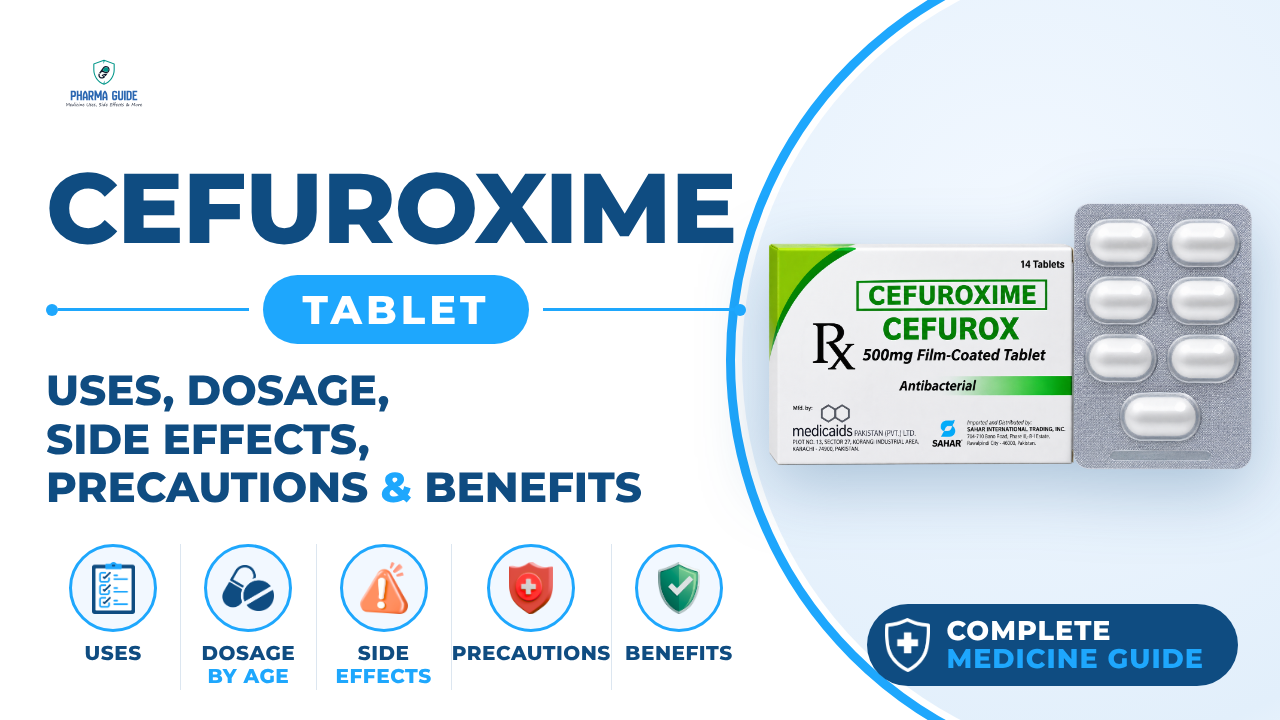
| Generic name | Cefuroxime (as cefuroxime axetil) |
|---|---|
| Drug class | Cephalosporin antibiotic |
| Forms | Tablet, Oral suspension, Injectable preparation |
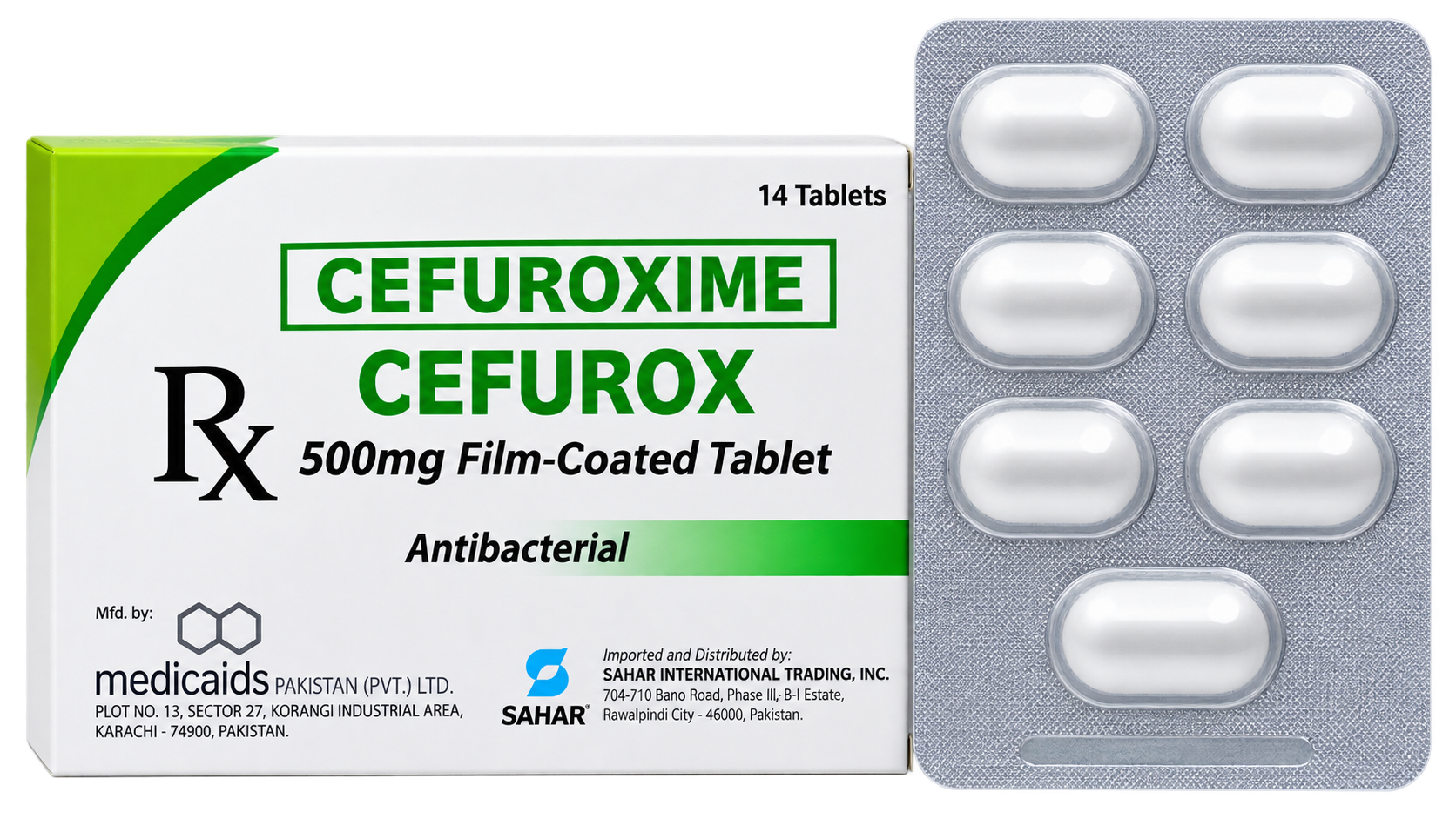
Quick overview
Cefuroxime Tablet is a cephalosporin antibiotic used to treat certain bacterial infections, including respiratory tract infections, skin infections, urinary tract infections, Lyme disease, and gonorrhea. It works by stopping bacteria from growing and killing them by damaging their cell wall. It should be taken with food, swallowed whole, and the full course should be completed even if you start to feel better. It only treats bacterial infections and does not work for viral infections such as colds or flu.
What is Cefuroxime Tablet
Cefuroxime is an antibiotic medicine in a group of medicines called cephalosporins. It is used to treat certain infections caused by bacteria. It only treats bacterial infections and does not work for viral infections such as colds or flu.
Cefuroxime Tablet uses
- Treating certain infections caused by bacteria
- Treating Lyme disease (an infection spread by ticks)
- Treating gonorrhea (a sexually transmitted disease)
- Treating upper respiratory tract infections such as sore throat, tonsillitis, ear infections, and sinus infections
- Treating lower respiratory tract infections such as pneumonia or bronchitis
- Treating skin infections
- Sometimes used to treat pneumonia
- Treating certain urinary tract infections
Benefits of Cefuroxime Tablet
- Helps clear up bacterial infections
- You should begin to feel better during the first few days of treatment
How Cefuroxime Tablet works
Cefuroxime works by stopping the growth of bacteria and killing bacteria. It damages the bacteria's cell wall, which they need to survive.
Cefuroxime Tablet dosage
Cefuroxime comes as a tablet to take by mouth. Take it at around the same times every day. For best absorption, take the tablets with food. Swallow tablets whole with a drink of water. Because the crushed tablet has a strong bitter taste, do not chew or crush the tablet.
Take cefuroxime exactly as directed and do not take more or less than prescribed. Keep taking cefuroxime until you finish the prescription, even if you feel better. If you stop too soon or skip doses, your infection may not be fully treated and the bacteria may become resistant.
If you take antacids that contain magnesium or aluminum, take them at least 1 hour before or 2 hours after cefuroxime. APO-CEFUROXIME tablets are not recommended for infants and children under 12 years of age.
| Age group | Dose |
|---|---|
| Under 3 months | Not established; specialist guidance required |
| 3 months–11 years | Usually 10–15 mg/kg twice daily; suspension is generally preferred |
| 12–17 years | 250–500 mg twice daily, depending on infection |
| 18–64 years | 250–500 mg twice daily, depending on infection |
| 65+ years | Adult dose; adjust for kidney impairment |
Available forms and strengths
- Tablet
- Oral suspension
- Injectable preparation
Side effects of Cefuroxime Tablet
Common
- Nausea
- Vomiting
- Diarrhea
- Abdominal pain
- Headache
- Dizziness
- Drowsiness
- Fever
- Change in taste
- Vaginal yeast symptoms or mild skin rash
- Increased levels of liver enzymes (dark urine, fatigue, loss of appetite, yellowing of skin or eyes)
Serious
- Allergic reactions: rash, itching, hives, difficulty breathing or swallowing, wheezing, swelling of the face, throat, tongue, lips, or eyes
- Watery or bloody stools, stomach cramps, or fever during treatment or for up to two or more months after stopping treatment (bowel inflammation/Clostridium difficile colitis)
- A return of fever, sore throat, chills, or other signs of infection
- Overgrowth of yeast (Candida), such as thrush or vaginal inflammation
- Erythema multiforme (severe skin rash that may blister and look like small targets)
- Hemolytic anemia (breakdown of red blood cells): pale skin, weakness, tiredness, shortness of breath, yellowing of skin and/or eyes, fever
- Seizures (fits)
- Severe Cutaneous Adverse Reactions (SCAR): skin peeling, scaling or blistering, severe rash, swelling and redness of eyes or face, flu-like feeling
- Kounis syndrome: chest pain, shortness of breath, faintness with signs of an allergic reaction
Warnings and precautions
- Tell your doctor if you are pregnant or plan to become pregnant.
- The safety of cefuroxime in pregnancy has not been established.
- It should be used during pregnancy only if clearly needed.
- If you become pregnant while taking it, call your doctor.
- Cefuroxime passes into human breast milk.
- Talk to your doctor about whether to stop breastfeeding temporarily during treatment.
- Tell your doctor if you have or have ever had kidney disease.
- Cefuroxime is mainly removed by the kidneys, and people with reduced kidney function may need a lower dose and monitoring.
- Tell your doctor if you have or have ever had liver disease.
- This medicine may cause dizziness. Do not drive or operate machinery if you are feeling dizzy.
- Do not take cefuroxime if you have ever had cephalosporin-associated hemolytic anemia, because the breakdown of red blood cells can come back much more severely.
- Serious and occasionally fatal allergic reactions and severe skin reactions have been reported with beta-lactam medicines, including cefuroxime.
- Cefuroxime may make hormonal birth control (pills, patches, rings, and injections) less effective. Use another method of contraception, such as condoms, while taking it.
- Diarrhea caused by Clostridium difficile can occur during treatment or up to two or more months after stopping antibiotics and can range from mild to fatal.
- Do not use antibiotics when they are not needed. Antibiotics do not work for colds, flu, or other viral infections, and unnecessary use increases the risk of infections that resist treatment.
Storage
- Keep this medication in the container it came in, tightly closed, and out of reach of children
- Store the tablets at room temperature (15°C to 30°C) and away from excess heat and moisture (not in the bathroom)
- Do not flush this medication down the toilet
- Dispose of unneeded medications in a way so that pets, children, and other people cannot take them; use a medicine take-back program
When to see a doctor
- Call your doctor right away or get emergency medical treatment if you have signs of an allergic reaction such as rash, itching, hives, trouble breathing or swallowing, wheezing, or swelling of the face, throat, tongue, lips, or eyes.
- Get urgent medical help if you have watery or bloody stools, stomach cramps, or fever during treatment or for up to two or more months after stopping.
- Call your doctor if you have a return of fever, sore throat, chills, or other signs of infection.
- In case of overdose, call your local poison control center. If the person has collapsed, had a seizure, has trouble breathing, or cannot be awakened, call emergency services right away.
- Stop taking the drug and get immediate medical help for seizures, severe skin reactions (SCAR), hemolytic anemia, or Kounis syndrome.
Alternatives
- Cephalexin
- Cefadroxil
- Amoxicillin
- Amoxicillin-Clavulanate
- Ceftriaxone
- Azithromycin
- Clarithromycin
Watch the video
FAQs
What is Cefuroxime Tablet used for?
It is used to treat certain bacterial infections, including upper and lower respiratory tract infections, skin infections, urinary tract infections, Lyme disease, and gonorrhea. It does not work for viral infections such as colds or flu.
How should I take Cefuroxime Tablet?
Take it at around the same times every day with food for best absorption. Swallow tablets whole with water; do not chew or crush them since the crushed tablet has a strong bitter taste. Complete the full prescribed course even if you feel better.
Can I take antacids with Cefuroxime Tablet?
If you take antacids containing magnesium or aluminum, take them at least 1 hour before or 2 hours after cefuroxime.
What are the common side effects of Cefuroxime Tablet?
Common side effects include nausea, vomiting, diarrhea, abdominal pain, headache, dizziness, drowsiness, fever, change in taste, vaginal yeast symptoms or mild skin rash, and increased liver enzymes.
Does Cefuroxime affect birth control?
Yes, cefuroxime may make hormonal birth control such as pills, patches, rings, and injections less effective, so another method of contraception like condoms should be used while taking it.
Sources
- MedlinePlus (https://medlineplus.gov/druginfo/meds/a601206.html)
- AHFS Patient Medication Information, American Society of Health-System Pharmacists
- APO-CEFUROXIME Product Monograph, Apotex Inc. (Health Canada), Last Revised FEB 21, 2025
- Acibadem International Health Library
Video
Related medicines
Cefpodoxime Tablet: Uses, Dosage, Side Effects, Precautions and Alternates
Cephalosporin antibiotic
Cefpodoxime Tablet is a cephalosporin antibiotic for bronchitis, ear infections, pneumonia, sinusitis, and UTIs. Learn dosage, side effects, and precautions.
Cefdinir Capsule: Uses, Dosage, Side Effects, Precautions and Alternates
Cephalosporin antibiotic
Cefdinir Capsule is a cephalosporin antibiotic for bacterial infections like pneumonia, sinusitis, and skin infections. Learn dosage, side effects, and