
Safety
General information, not medical advice
Your prescriber and the leaflet in your pack know your situation. This page does not.
- Follow your prescriber and the leaflet
- Don't start, stop, or change a dose on your own
- Doses and warnings differ by country and product
Cenobamate Tablet: Uses, Dosage, Side Effects, Precautions and Alternates
| Generic name | Cenobamate |
|---|---|
| Drug class | Anticonvulsant (carbamate-class antiepileptic; also known as an antiseizure medication) |
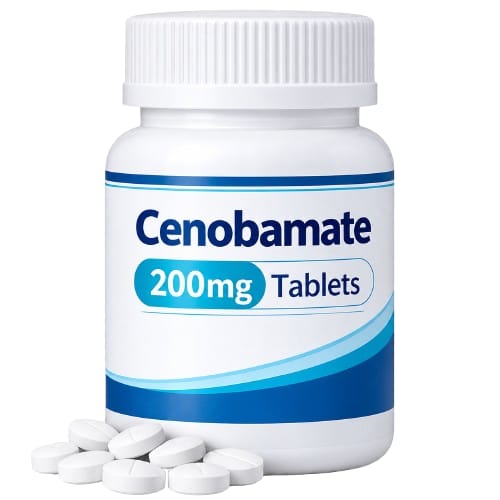
| Forms | Tablets (12.5 mg, 25 mg, 50 mg, 100 mg, 150 mg, 200 mg) |
Quick overview
Cenobamate is a prescription tablet, generically known as cenobamate, belonging to the anticonvulsant (antiepileptic) drug class. It is used to treat partial-onset (focal) seizures in adults with epilepsy, usually alongside other seizure medicines. It works by calming overactive nerve activity in the brain through two mechanisms, helping to reduce seizure frequency.
What is Cenobamate Tablet
Cenobamate is a prescription tablet used to treat partial-onset (focal) seizures in adults with epilepsy. It belongs to a group of medicines called antiepileptic drugs and is usually taken together with other seizure medicines.
Cenobamate Tablet uses
- Treatment of partial-onset (focal) seizures in adult patients with epilepsy, used alone or together with other antiseizure medicines
- Add-on (adjunctive) treatment for focal seizures that have not been adequately controlled despite trying at least 2 other antiepileptic medicines
Benefits of Cenobamate Tablet
- Helps control focal seizures
- May reduce how often seizures occur
- Reduces abnormal electrical activity in the brain
- May improve overall seizure control
- Supports management of epilepsy
How Cenobamate Tablet works
Cenobamate works in two main ways in the brain: it blocks a sustained electrical current in nerve cells carried by sodium channels, which calms down overactive nerve firing, and it also boosts a calming brain chemical system called GABA. Together these actions help prevent the abnormal electrical activity that causes seizures.
Cenobamate Tablet dosage
Take this medicine once daily, at around the same time each day, with or without food. Swallow tablets whole with a glass of water. Tablets can also be crushed and mixed with water for people who cannot swallow whole tablets, including for administration through a feeding (nasogastric) tube.
Your doctor will start you on a low dose and slowly raise it every two weeks over about 10-12 weeks until you reach your regular maintenance dose. Do not increase your dose faster than your doctor tells you to.
If you miss a dose, take it as soon as you remember unless it is close to your next scheduled dose, in which case skip the missed dose. Do not double up.
Do not stop taking this medicine suddenly; your doctor will have you lower the dose gradually over at least 2 weeks unless there is a safety reason to stop right away.
Older adults are usually started on a lower dose and monitored carefully because they may be more sensitive to side effects. This medicine is not approved for use in children.
| Age group | Dose |
|---|---|
| Under 18 years | Not recommended |
| 18–64 years | 12.5–400 mg, once/day |
| 65+ years | 12.5–400 mg, once/day |
Available forms and strengths
- Tablets: 12.5 mg, 25 mg, 50 mg, 100 mg, 150 mg, 200 mg
Side effects of Cenobamate Tablet
Common
- Feeling sleepy or tired (somnolence, fatigue)
- Dizziness
- Double vision or blurred vision
- Headache
- Problems with balance or coordination
- Nausea, vomiting, constipation, or diarrhea
- Dry mouth
- Confusion or trouble concentrating, memory problems
- Irritability
Serious
- Signs of a serious skin/allergic reaction called DRESS: fever, rash, swollen glands, facial swelling, unusual bruising or bleeding, painful mouth or eye sores
- Liver problems: yellowing of skin or eyes, dark urine, pale stools, nausea, vomiting, loss of appetite, tiredness, upper right stomach pain
- Heart rhythm changes (QT shortening): fast or pounding heartbeat, fluttering in the chest, sudden dizziness or fainting
- Thoughts of suicide or self-harm, or new/worsening depression, anxiety, or mood changes
- Severe allergic reaction: swelling of face/lips/tongue/throat, difficulty breathing or swallowing, hives
- Signs of infection that do not go away
- Severe muscle pain or weakness
Warnings and precautions
- A serious and potentially life-threatening allergic reaction called DRESS (affecting the skin and internal organs) has occurred with this medicine, especially when the dose was increased too quickly. Following the recommended slow dose increase schedule helps lower this risk.
- This medicine can shorten part of the heart's electrical cycle (the QT interval), so it should not be used by people with a rare genetic heart condition called Familial Short QT syndrome, and caution is needed with other medicines that also shorten the QT interval.
- Like other antiseizure medicines, this drug can increase the risk of suicidal thoughts or actions, even in people without a prior history of this.
- Serious liver injury, including liver failure requiring a transplant, has occurred in people taking this medicine. Blood tests to check liver function are recommended before and during treatment.
- Stopping this medicine suddenly can cause seizures to come back more often or cause a dangerous condition of continuous seizures; the dose should be lowered gradually under medical supervision.
- This medicine may make hormonal birth control (like the pill) less effective, so an additional non-hormonal method of contraception is recommended.
- This medicine has some potential for abuse and physical or psychological dependence, and is classified as a controlled substance.
- There isn't enough information to know if cenobamate is safe during pregnancy. It should only be used if your doctor decides it's clearly needed, and women who may become pregnant should consider enrolling in a pregnancy registry.
- It isn't known whether cenobamate passes into breast milk or could affect a nursing baby, so you and your doctor should decide together whether to breastfeed or take this medicine.
- People with kidney problems may need a lower dose, and this medicine should not be used by people with end-stage kidney disease or those on dialysis.
- This medicine should be used carefully in people with mild to moderate liver problems, usually at a lower maximum dose, and should not be used at all in people with severe liver impairment.
- Drinking alcohol while taking this medicine is not recommended because it can increase sleepiness and other nervous system side effects.
- This medicine can cause sleepiness, dizziness, and vision changes, so you should not drive or use machinery until you know how it affects you.
Storage
- Store at room temperature, between 20°C to 25°C (68°F to 77°F), with brief excursions to 15–30°C (59–86°F) allowed
- Keep out of the sight and reach of children
- Do not use after the expiry date on the package
- Dispose of unused or expired medicine according to local requirements rather than throwing it in household waste or flushing it
When to see a doctor
- Get emergency help right away if you have swelling of the face, lips, tongue, or throat, trouble breathing or swallowing, or hives, as these can be signs of a severe allergic reaction.
- Seek medical care immediately if you develop fever, rash, swollen glands, unusual bruising or bleeding, or painful sores in the mouth or around the eyes, which could mean a serious drug reaction (DRESS).
- Contact your doctor right away if you notice yellowing of your skin or eyes, dark urine, pale stools, nausea, vomiting, loss of appetite, or unusual tiredness, as these may be signs of liver damage.
- Contact a healthcare provider immediately if you have thoughts of harming or killing yourself, or notice new or worsening depression, anxiety, agitation, or unusual mood or behavior changes.
- Get medical help if you have fast or pounding heartbeats, fluttering in your chest, or sudden dizziness that could indicate a heart rhythm problem.
Alternatives
- Oxcarbazepine
- Levetiracetam
- Lamotrigine
Watch the video
FAQs
What is Cenobamate tablet used for?
Cenobamate is used to treat partial-onset (focal) seizures in adults with epilepsy, either alone or as an add-on treatment alongside other antiepileptic medicines, particularly when seizures have not been adequately controlled by at least 2 other antiseizure medicines.
How does Cenobamate work?
Cenobamate works in two ways: it blocks a sustained electrical current in nerve cells carried by sodium channels to calm overactive nerve firing, and it boosts the calming brain chemical system called GABA, together helping prevent the abnormal electrical activity that causes seizures.
How should Cenobamate be taken?
Cenobamate is taken once daily at about the same time each day, with or without food. Tablets can be swallowed whole with water or crushed and mixed with water, including for administration through a feeding tube. Your doctor will start you on a low dose and slowly raise it every two weeks over about 10-12 weeks.
What are the serious side effects of Cenobamate?
Serious side effects include DRESS (a severe skin/allergic reaction with fever, rash, swollen glands, and facial swelling), liver problems, heart rhythm changes (QT shortening), thoughts of suicide or self-harm, severe allergic reactions, and signs of infection that do not go away.
Can I stop taking Cenobamate suddenly?
No, you should not stop taking Cenobamate suddenly, as this can cause seizures to come back more often or lead to a dangerous condition of continuous seizures. Your doctor will have you lower the dose gradually over at least 2 weeks unless there is a safety reason to stop right away.
General information, not medical advice
Your prescriber and the leaflet in your pack know your situation. This page does not.
- Follow your prescriber and the leaflet
- Don't start, stop, or change a dose on your own
- Doses and warnings differ by country and product
Sources
Video
Related medicines

Injectafer Injection: Uses, Dosage, Side Effects, Precautions and Alternates
Iron products
Injectafer (ferric carboxymaltose) treats iron deficiency anemia and heart failure-related iron deficiency via IV. Learn uses, dosage, side effects, and

Gliclazide Tablet: Uses, Dosage, Side Effects, Precautions and Alternates
Sulfonylurea (hypoglycemic/antidiabetic agent)
Gliclazide Tablet is a sulfonylurea for type 2 diabetes that boosts insulin release. Learn about dosage, side effects, warnings, and precautions.