
Safety
General information, not medical advice
Your prescriber and the leaflet in your pack know your situation. This page does not.
- Follow your prescriber and the leaflet
- Don't start, stop, or change a dose on your own
- Doses and warnings differ by country and product
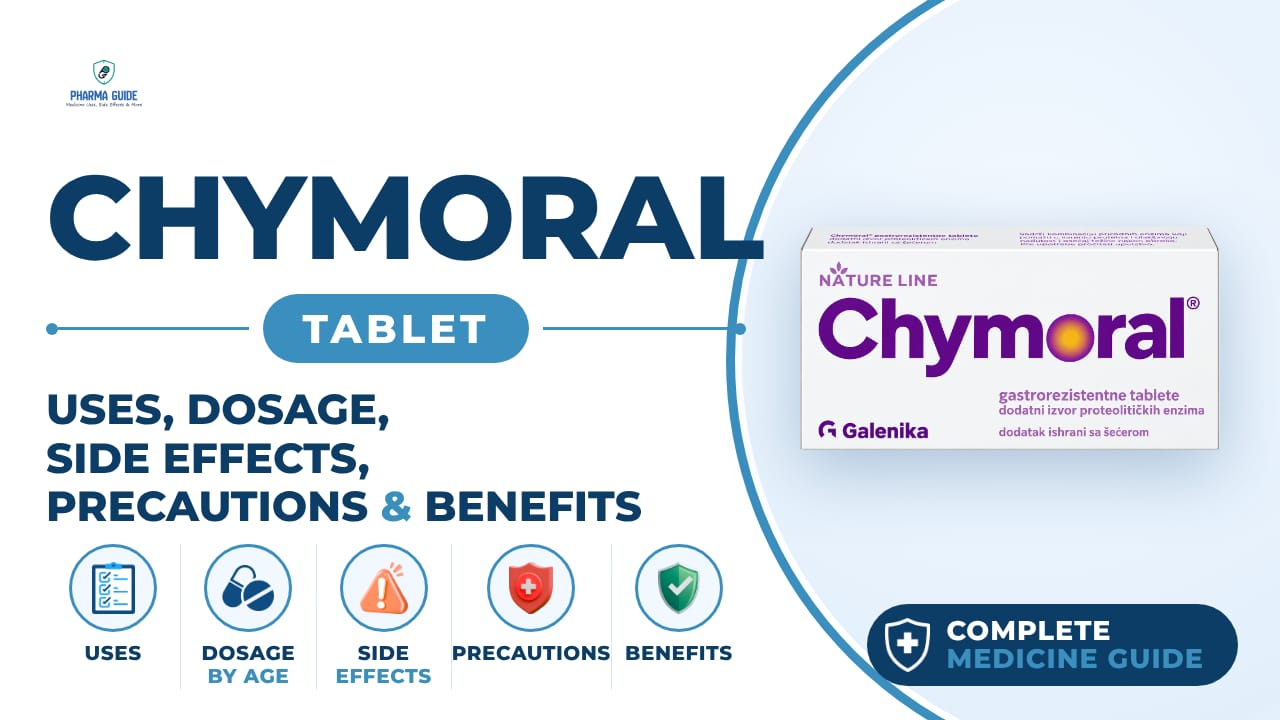
Chymoral Tablet: Uses, Dosage, Side Effects, Precautions and Alternates
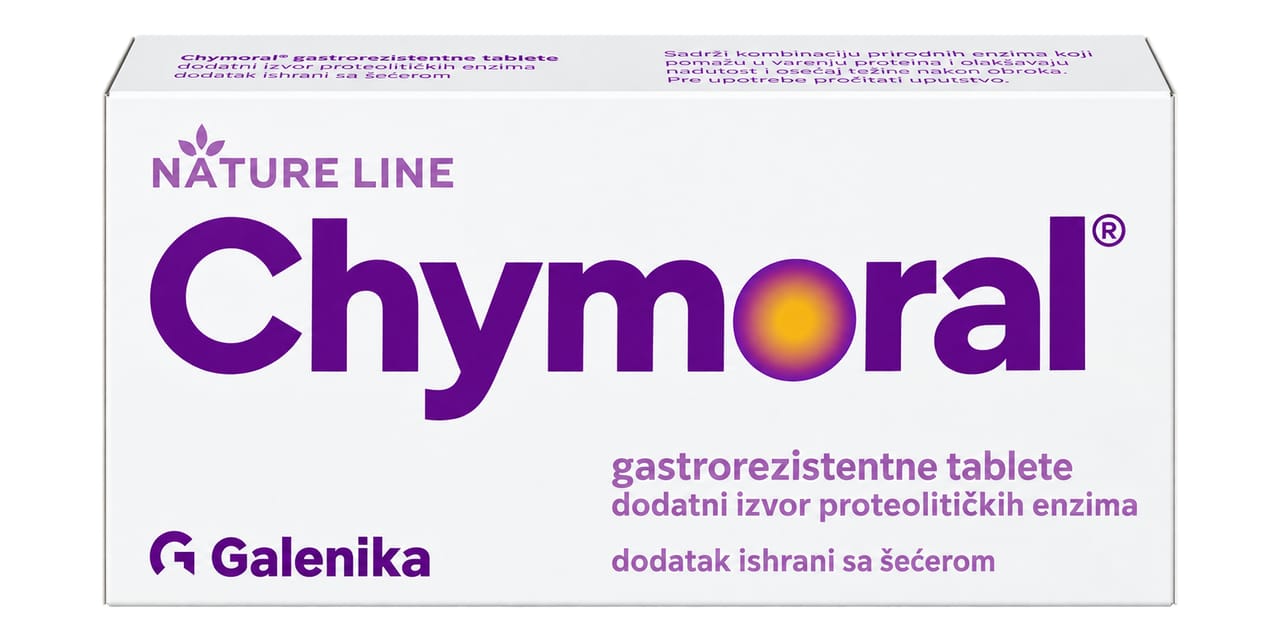
| Generic name | Trypsin and Chymotrypsin |
|---|---|
| Drug class | Proteolytic enzyme (anti-inflammatory enzyme combination) |
| Forms | Tablet (enteric-coated) |
Quick overview
Chymoral Tablet (Trypsin and Chymotrypsin) is a proteolytic enzyme-based medicine used to reduce swelling, inflammation, and discomfort linked to injuries, surgery, and certain inflammatory conditions. It is enteric-coated and taken as directed by a physician, typically several times daily before meals. It carries precautions related to pregnancy, breastfeeding, kidney and liver conditions, and certain drug interactions.
What is Chymoral Tablet
Chymoral Forte is an enzyme-based medicine containing trypsin and chymotrypsin. It is commonly prescribed to help reduce swelling, inflammation, and discomfort associated with injuries, surgery, and certain inflammatory conditions.
Chymoral Tablet uses
- Soft tissue injuries, fractures, dislocations, sprains, and strains
- Post-operative wounds and swelling (oedema)
- Abdominal hysterectomy and pelvic inflammatory disease
- Haematoma (blood clots outside blood vessels)
- Episiotomy and Caesarean section recovery
- Tooth extraction and peri-apical abscess
- Maxillofacial surgery
- Post-surgical pain and swollen muscle injuries
- Necrotic tissues
- Chronic respiratory disorders
- Trauma after intracapsular cataract removal
- Inflammatory diseases
Benefits of Chymoral Tablet
- Reduces swelling and inflammation in conditions like arthritis and other inflammatory disorders
- Provides relief from pain associated with injuries, surgeries, and inflammatory conditions
- Aids in the healing process post-surgery or injury by promoting better tissue repair
- Can help improve joint mobility and function by reducing pain and inflammation
- Contains digestive enzymes that may assist in better digestion and absorption of nutrients
- Helps combat oxidative stress in the body
How Chymoral Tablet works
The medicine contains the enzymes trypsin and chymotrypsin, which break down proteins involved in the inflammatory process. This helps reduce swelling and inflammation and supports tissue healing after injuries or surgery.
Chymoral Tablet dosage
It is usually taken four times daily, about half an hour before a meal, or as prescribed by the physician. Swallow the tablet whole to keep its special coating intact; do not chew or crush it. Take it at the same times each day for better results. Do not take two doses together to make up for a missed one. If a dose is missed, take it as soon as you remember, but skip it if it is almost time for the next dose. Follow the treatment plan exactly as directed by your physician. It is generally recommended on an empty stomach, about 30 minutes before a meal.
| Age group | Dose |
|---|---|
| Under 12 Years | Use only if prescribed by a healthcare professional |
| 12–17 Years | Dose according to medical advice and product strength |
| Adults (18–64 Years) | 1 tablet 2–3 times daily, as prescribed |
| Older Adults (65+ Years) | 1 tablet 2–3 times daily, according to medical advice |
Available forms and strengths
- Tablet (enteric-coated)
Side effects of Chymoral Tablet
Common
- Itching
- Shortness of breath
- Diarrhea
- Skin rashes
- Stomach pain or discomfort
- Bloating
- Indigestion
- Occasional gastric disturbance
Serious
- Allergic reaction
- Swelling of the lips or throat
- Shock
- Loss of consciousness
- Increase in eye pressure
- Corneal swelling
- Inflammation in the eyes (uveitis)
- Hypersensitivity reactions
- Death (very rare)
Warnings and precautions
- Use during pregnancy is not advisable as it may harm the baby. Animal studies have shown negative effects on fetal development, though this has not been proven in humans. Your doctor should weigh the risks and benefits before prescribing it.
- Breastfeeding mothers should be careful, as the medicine passing through breast milk may cause an allergic reaction in infants. Discuss this with your doctor beforehand.
- This medicine is not recommended for people with kidney impairment or disorders, due to the risk of harmful effects.
- People with severe liver problems should not take this medicine, and those with liver issues should avoid it to prevent further complications.
- Drinking alcohol while taking this medicine may cause drowsiness and increase the risk of stomach problems.
- Be careful when driving or operating heavy machinery after taking this medicine, as it may cause dizziness or drowsiness.
- Do not take this medicine if you have severe liver problems, kidney impairment, peptic ulcer, high pressure in the eye, or an allergy to its ingredients.
- Avoid taking this medicine if you have any hyperreaction to it, which can cause rash, severe allergic reaction, or serum sickness.
- Taking this medicine with blood thinners such as heparin, warfarin, or clopidogrel increases the risk of bleeding, so combining them should generally be avoided.
- People with heart conditions should only take this medicine in small doses as advised by a doctor and should not receive high injectable doses; those with uncontrolled high blood pressure should not take it, as it can cause dehydration and increase bleeding risk.
- Taking more than the prescribed amount can cause dizziness, nausea, vomiting, and headache, and will not help treat your condition any better.
Storage
- Keep in a dry and clean place that is safe and out of the reach of children, at room temperature
- If exposed to air, heat, or light, the medicine may deteriorate due to chemical changes, and taking deteriorated medicine can be harmful
When to see a doctor
- Get medical help right away if you have any serious side effects such as a severe allergic reaction, trouble breathing, or swelling of the lips or throat.
- Contact your doctor right away if you take too much of this medicine, as it can cause dizziness, nausea, vomiting, or headache.
- Talk to your doctor if your symptoms get worse or more severe while taking this medicine.
- Seek medical advice if you notice unusual or ongoing symptoms while taking this medicine.
Alternatives
- Proteolytic enzyme preparations
- Trypsin + Chymotrypsin combinations
- Bromelain
- Serratiopeptidase Tablets
Watch the video
FAQs
What is Chymoral Tablet used for?
It is used to reduce swelling, inflammation, and discomfort linked to soft tissue injuries, fractures, surgery, haematoma, tooth extraction, and other inflammatory conditions.
How should I take Chymoral Tablet?
It is usually taken four times daily, about half an hour before a meal, or as prescribed. Swallow the tablet whole without chewing or crushing it to keep the coating intact.
What are the common side effects of Chymoral Tablet?
Common side effects include itching, shortness of breath, diarrhea, skin rashes, stomach pain, bloating, indigestion, and occasional gastric disturbance.
Can I take Chymoral Tablet during pregnancy?
Use during pregnancy is not advisable as it may harm the baby, based on animal studies, though this hasn't been proven in humans. A doctor should weigh the risks and benefits.
Is Chymoral Tablet safe for people with kidney or liver problems?
No, it is not recommended for people with kidney impairment, and those with severe liver problems should not take this medicine due to the risk of complications.
General information, not medical advice
Your prescriber and the leaflet in your pack know your situation. This page does not.
- Follow your prescriber and the leaflet
- Don't start, stop, or change a dose on your own
- Doses and warnings differ by country and product
Sources
Video
Related medicines

Injectafer Injection: Uses, Dosage, Side Effects, Precautions and Alternates
Iron products
Injectafer (ferric carboxymaltose) treats iron deficiency anemia and heart failure-related iron deficiency via IV. Learn uses, dosage, side effects, and

Gliclazide Tablet: Uses, Dosage, Side Effects, Precautions and Alternates
Sulfonylurea (hypoglycemic/antidiabetic agent)
Gliclazide Tablet is a sulfonylurea for type 2 diabetes that boosts insulin release. Learn about dosage, side effects, warnings, and precautions.