
Safety
General information, not medical advice
Your prescriber and the leaflet in your pack know your situation. This page does not.
- Follow your prescriber and the leaflet
- Don't start, stop, or change a dose on your own
- Doses and warnings differ by country and product
Cilostazol Tablet: Uses, Dosage, Side Effects, Precautions and Alternates
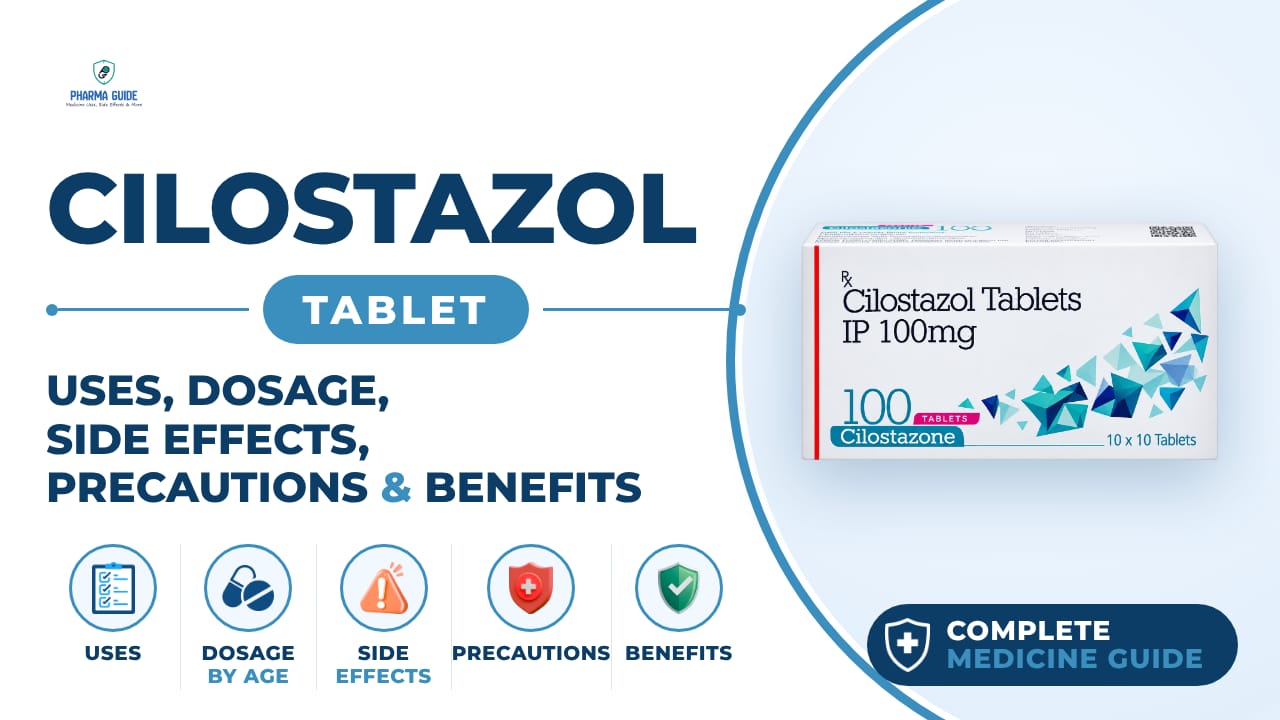
| Generic name | cilostazol |
|---|---|
| Drug class | Phosphodiesterase III (PDE III) inhibitor, antiplatelet agent |
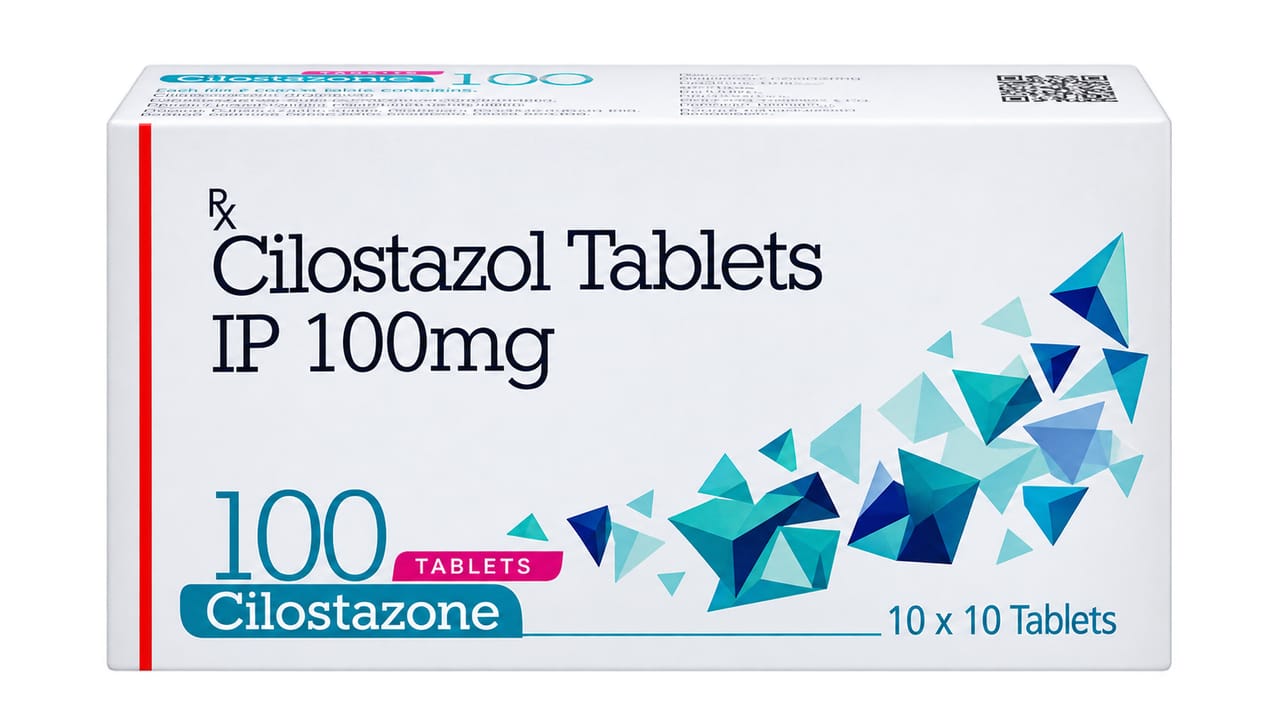
| Forms | 50 mg oral tablets, 100 mg oral tablets |
Quick overview
Cilostazol Tablet (generic name cilostazol) is a phosphodiesterase III (PDE III) inhibitor and antiplatelet agent used to reduce leg pain caused by poor blood flow during walking or exercise. It works by widening blood vessels and preventing platelets from sticking together, which can increase the distance a person is able to walk before leg pain starts. It is taken by mouth, usually twice a day, and is not recommended for use in children.
What is Cilostazol Tablet
Cilostazol is a prescription tablet used to reduce leg pain caused by poor blood flow during walking or exercise. It belongs to a group of medicines called antiplatelet agents.
Cilostazol Tablet uses
- Reduces symptoms of intermittent claudication (leg pain during walking or exercise caused by narrowed blood vessels)
- May be used for other conditions as determined by a health care provider
Benefits of Cilostazol Tablet
- Helps widen blood vessels to improve blood flow to the legs
- Helps prevent platelets from sticking together
- Can increase the distance a person is able to walk before leg pain starts
How Cilostazol Tablet works
Cilostazol blocks a protein called phosphodiesterase III. This raises levels of a substance called cAMP in platelets and blood vessels, which helps stop platelets from clumping together and helps blood vessels widen, improving blood flow to the legs.
Cilostazol Tablet dosage
Take this medicine by mouth, usually twice a day. Take it at least 30 minutes before or 2 hours after breakfast and dinner, at around the same times every day. Follow your doctor's instructions carefully and do not take more or less than prescribed. Do not break, chew, or crush the tablet.
Continue taking it even if you feel well; do not stop without talking to your doctor. You may notice improvement in 2 to 4 weeks, but it can take up to 12 weeks for the full benefit. Tell your doctor if your symptoms do not improve after about 3 months. This medicine is not recommended for use in children, since safety and effectiveness have not been studied in this age group.
| Age group | Dose |
|---|---|
| Under 18 years | Not recommended |
| 18–64 years | 100 mg, twice/day |
| 65+ years | 100 mg, twice/day |
Available forms and strengths
- 50 mg oral tablets
- 100 mg oral tablets
Side effects of Cilostazol Tablet
Common
- Headache
- Diarrhea
- Abnormal stools (poop)
- Feeling of skipped heart beats
- Dizziness
- Heartburn
- Nausea
- Stomach pain
- Muscle pain
- Loss of appetite
Serious
- Severe allergic reactions (breathing problems, wheezing, racing heart, fever, swollen lymph nodes, swelling of face/lips/mouth/tongue/throat, trouble swallowing, itching, hives, nausea or vomiting, dizziness, fainting, stomach cramps, joint pain)
- Heart problems such as irregular heartbeat, palpitations, fast heartbeat, or low blood pressure
- Chest pain or shortness of breath
- Blood disorders such as agranulocytosis, low platelet levels, or low white blood cell levels
- Unusual weakness or tiredness, frequent infection, fever, easy bruising or bleeding
- Unusual bleeding or bruising
- Swelling of the arms, hands, feet, ankles, or lower legs
Warnings and precautions
- People with heart failure of any severity should not take this medicine, because similar drugs have been linked to an increased risk of death in people with heart failure.
- Do not take this medicine if you are allergic to cilostazol or any of its ingredients.
- Avoid grapefruit or grapefruit juice while taking this medicine, since it can raise the amount of medicine in your body and increase the risk of side effects.
- This medicine should be avoided if you have bleeding disorders or active bleeding, such as from a stomach ulcer.
- Tell your doctor about all other medicines, vitamins, and herbal products you take, since several interact with this medicine, including certain antifungal and antibiotic medicines, omeprazole, diltiazem, and others.
- Pregnancy: It is not known if cilostazol can harm an unborn baby. Tell your doctor if you are pregnant or planning to become pregnant.
- Breastfeeding: It is not known if cilostazol passes into breast milk. You should either stop breastfeeding or stop taking this medicine, as advised by your doctor.
- Kidney: Tell your doctor if you have kidney disease. This medicine is not recommended if you have severe kidney problems, as it may make your condition worse.
- Liver: Tell your doctor if you have or have had liver disease.
- Alcohol: It is not known for certain how alcohol affects this medicine, but drinking alcohol may increase the risk of feeling dizzy while taking it.
- Driving: This medicine may affect your alertness or coordination. Do not drive or do activities that require alertness until you know how it affects you.
Storage
- Keep this medication in the container it came in, tightly closed, and out of reach of children.
- Store it at room temperature and away from excess heat and moisture (not in the bathroom).
- Dispose of unneeded medications in a way so that pets, children, and other people cannot take them. Do not flush this medication down the toilet. Use a medicine take-back program.
When to see a doctor
- Get emergency help right away if you have signs of a severe allergic reaction, such as hives, swelling of the face, lips, mouth or tongue, or trouble breathing.
- Call your doctor right away if you have chest pain, shortness of breath, or feel dizzy, lightheaded, or faint.
- Call your doctor right away if you notice unusual weakness or tiredness, frequent infections, fever, or easy bruising or bleeding, which can be signs of a blood problem.
- If you think you have taken too much of this medicine, get medical help right away or contact a poison control center.
- Call emergency services right away if someone has collapsed, had a seizure, is having trouble breathing, or cannot be woken up.
Alternatives
- Clopidogrel
- Pletal
- Pentoxifylline
Watch the video
FAQs
What is Cilostazol Tablet used for?
It is used to reduce symptoms of intermittent claudication, which is leg pain during walking or exercise caused by narrowed blood vessels.
How does Cilostazol Tablet work?
It blocks phosphodiesterase III, raising cAMP levels in platelets and blood vessels, which helps stop platelets from clumping and helps blood vessels widen, improving blood flow to the legs.
How should I take Cilostazol Tablet?
Take it by mouth, usually twice a day, at least 30 minutes before or 2 hours after breakfast and dinner, at the same times each day. Do not break, chew, or crush the tablet.
How long does it take for Cilostazol Tablet to work?
Improvement may be noticed in 2 to 4 weeks, but it can take up to 12 weeks for the full benefit. Tell your doctor if symptoms do not improve after about 3 months.
Who should not take Cilostazol Tablet?
People with heart failure of any severity should not take it, as similar drugs have been linked to increased risk of death in heart failure patients. It should also be avoided by those allergic to cilostazol or with bleeding disorders or active bleeding.
General information, not medical advice
Your prescriber and the leaflet in your pack know your situation. This page does not.
- Follow your prescriber and the leaflet
- Don't start, stop, or change a dose on your own
- Doses and warnings differ by country and product
Sources
Video
Related medicines

Injectafer Injection: Uses, Dosage, Side Effects, Precautions and Alternates
Iron products
Injectafer (ferric carboxymaltose) treats iron deficiency anemia and heart failure-related iron deficiency via IV. Learn uses, dosage, side effects, and

Gliclazide Tablet: Uses, Dosage, Side Effects, Precautions and Alternates
Sulfonylurea (hypoglycemic/antidiabetic agent)
Gliclazide Tablet is a sulfonylurea for type 2 diabetes that boosts insulin release. Learn about dosage, side effects, warnings, and precautions.