
Safety
General information, not medical advice
Your prescriber and the leaflet in your pack know your situation. This page does not.
- Follow your prescriber and the leaflet
- Don't start, stop, or change a dose on your own
- Doses and warnings differ by country and product
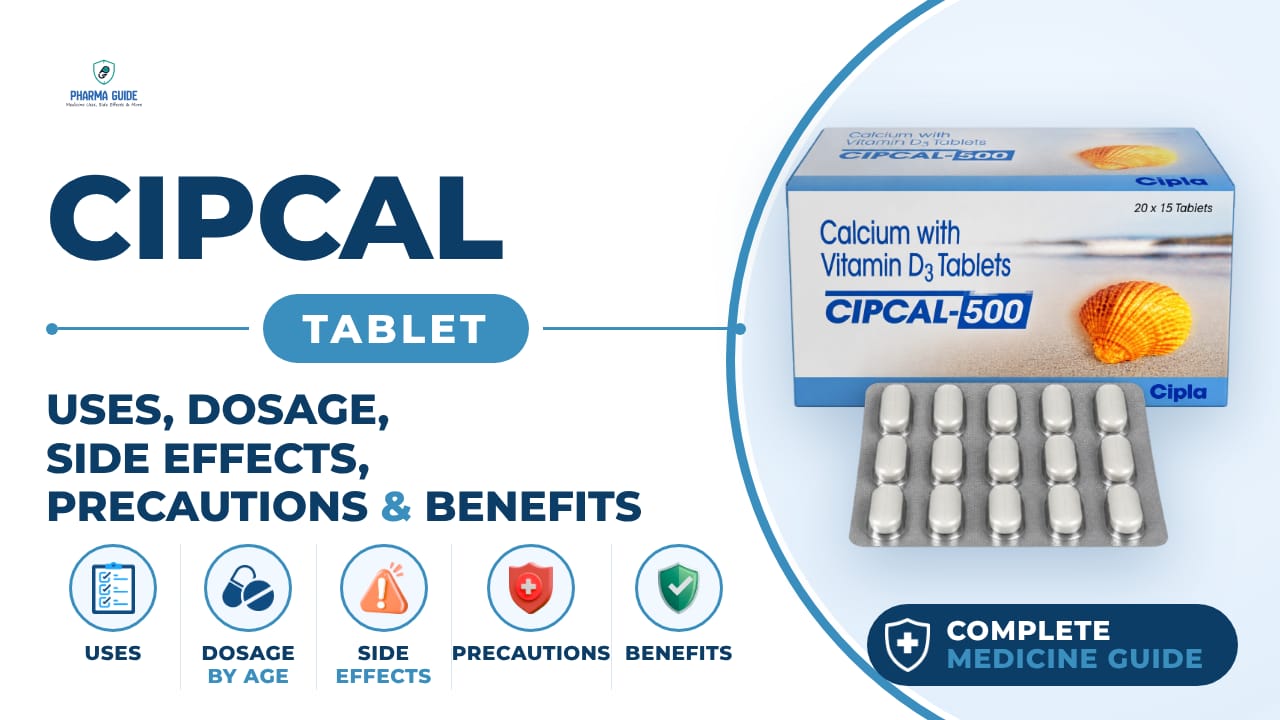
Cipcal Tablet: Uses, Dosage, Side Effects, Precautions and Alternates
| Generic name | Calcium Carbonate + Vitamin D3 (Cholecalciferol) |
|---|---|
| Drug class | Dietary supplement |
| Forms | Tablet, Capsule, Syrup, Granules |
Quick overview
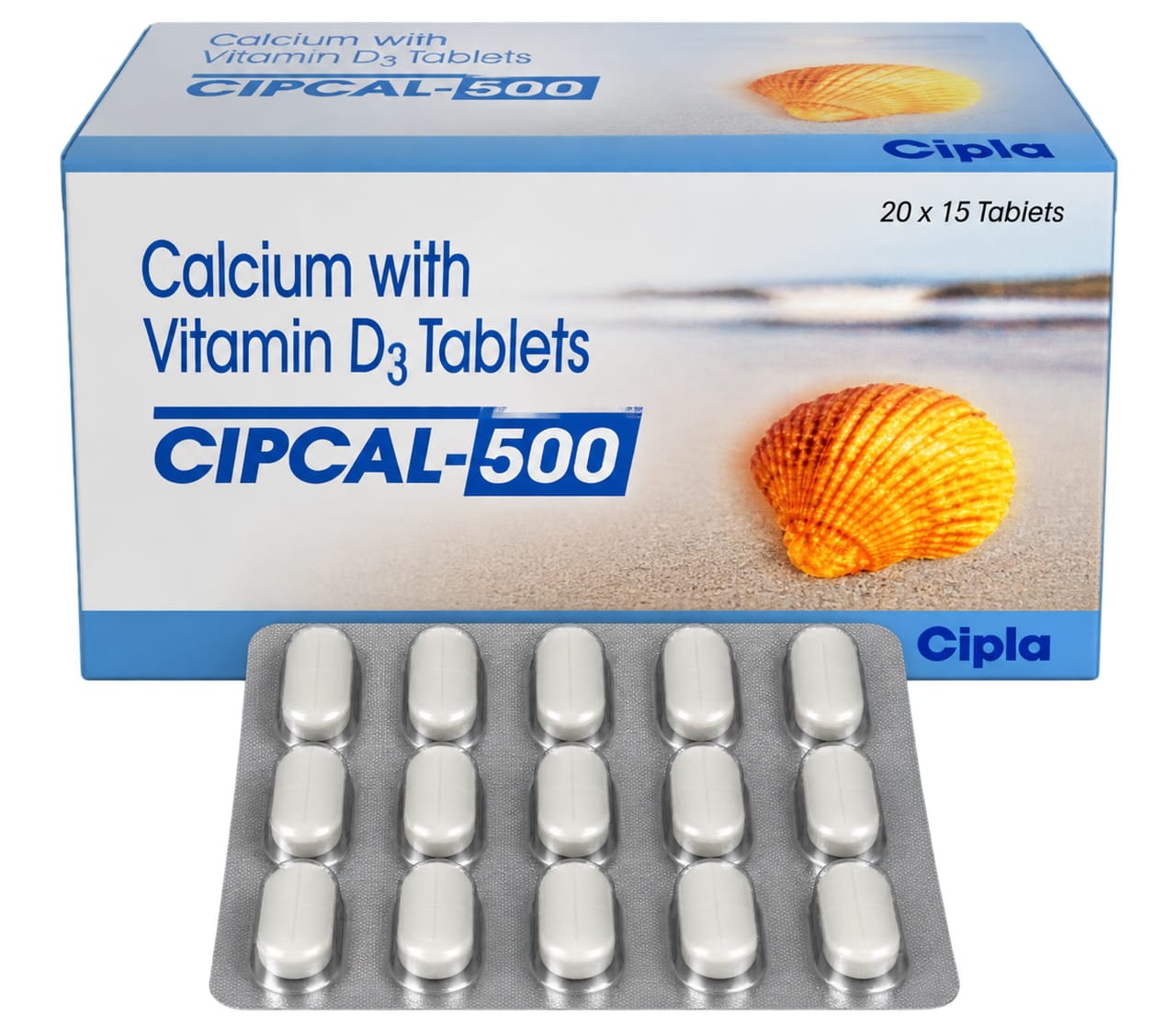
Cipcal Tablet contains Calcium Carbonate and Vitamin D3 (Cholecalciferol) and belongs to the dietary supplement class. It provides a combination of calcium and vitamin D3 to enhance the body's natural calcium absorption and support bone health and overall wellbeing. It is available in tablet, capsule, syrup, and granule forms.
What is Cipcal Tablet
Cipcal 500mg Tablet is a dietary supplement that provides a combination of calcium and vitamin D3, two vital nutrients that help enhance the body's natural calcium absorption. It is specifically formulated to support bone health and promote overall wellbeing.
Cipcal Tablet uses
- Bone health
- Overall wellbeing
- Vitamin D deficiency
- Osteoporosis
- Hypoparathyroidism
- Osteomalacia and Rickets (bone disease due to Vitamin D deficiency)
- Bone Pain
Benefits of Cipcal Tablet
- Supports Healthy Bone Structure: Calcium is a vital mineral for the structure and function of bones and teeth
- Enhances Calcium Absorption: Vitamin D3 helps improve the absorption of calcium, making it more effective for bone health
- Bone Strength and Support: Regular intake of calcium with vitamin D3 may contribute to maintaining overall bone health and strength
- Convenient Dosage: Each tablet provides a balanced dose of calcium and vitamin D3, offering ease of supplementation in your daily routine
How Cipcal Tablet works
Calcium is essential for building and maintaining strong bones and teeth, while vitamin D3 helps the body absorb calcium from the intestines into the bloodstream so it can be used effectively for bone strength and density.
Cipcal Tablet dosage
Cipcal Tablet can be taken with or without food, as directed by your doctor. For best absorption, take it with a full glass of water, ideally with meals. It is recommended to take it in the morning or with your main meal to help enhance calcium absorption, though timing may be adjusted based on personal routine. Take preferably with a meal to help your body absorb vitamin D3. Do not break, crush, or chew the medicine. Try taking it at the same time every day to help you remember.
If you forget a dose, take it as soon as you remember; if it is almost time for your next dose, skip the missed dose and do not double up.
| Age group | Dose |
|---|---|
| Children | 500 mg Calcium once daily (as advised according to nutritional needs) |
| Adults (18–64 Years) | 500 mg Calcium once or twice daily (as directed) |
| Older Adults (65+ Years) | 500 mg Calcium once or twice daily; adjusted based on calcium and vitamin D status |
Available forms and strengths
- Tablet (500mg)
- Capsule
- Syrup
- Granules
Side effects of Cipcal Tablet
Common
- Nausea
- Bloating
- Mild stomach upset
- Constipation
- Diarrhea
Serious
- Allergic reaction symptoms such as rash, itching or swelling (especially of face, tongue, or throat), severe dizziness, trouble breathing
- High blood calcium levels (hypercalcemia) with symptoms like nausea or vomiting, constipation, loss of appetite, increased thirst or urination, mental or mood changes (confusion, stupor), muscle weakness or bone pain, irregular heartbeat
Warnings and precautions
- Do not take Cipcal if you are allergic to calcium carbonate, Vitamin D3, or any other ingredients in this medicine.
- Patients with heart disease or conditions like hypercalcemia should use Cipcal with caution and consult their doctor before taking it.
- Cipcal should only be used in children when recommended by a pediatrician.
- Elderly patients should use Cipcal with caution, as they may be at increased risk of hypercalcemia and may need regular monitoring.
- Tell your doctor before taking Cipcal if you have a condition that affects calcium absorption, are taking certain medications like thiazide diuretics, corticosteroids, or digoxin, have a history of gastrointestinal disorders, or are on a low-salt diet.
- Cipcal is not recommended if you have high blood calcium levels, high urine calcium levels, or conditions that cause high vitamin D levels such as sarcoidosis.
- Cipcal is not recommended if you have kidney stones, as it may increase the risk of developing stones further.
- Cipcal should be used with caution if you have arrhythmia, as it may worsen the condition; your doctor may monitor your heart or adjust the dose.
- Pregnancy: Cipcal should be used with caution during pregnancy, as high doses of calcium may harm the fetus. Consult your doctor before taking this medication.
- Breastfeeding: Cipcal is considered safe during breastfeeding at recommended doses, but you should consult your doctor before using it while nursing.
- Kidney: Cipcal should be used with caution in patients with kidney problems or kidney stones. Consult your doctor before taking it.
- Liver: Cipcal is generally safe for liver function, but caution is advised in patients with liver disease. Speak with your doctor before use.
- Alcohol: Avoid excessive alcohol while taking Cipcal, as it may reduce calcium absorption and increase the risk of side effects.
- Driving: Cipcal does not usually affect your ability to drive or operate machines, but avoid these activities if you feel drowsy or dizzy.
Storage
- Store Cipcal at room temperature, away from moisture and direct sunlight
- Keep it out of reach of children
- Do not use the tablets after the expiration date
- Store below 30°C
- Protect from excessive heat and direct sun
When to see a doctor
- Seek immediate medical attention if you notice signs of an allergic reaction such as skin rash, swelling or itching (especially of the face, lips, or throat), or difficulty breathing.
- Get medical help if you have signs of high blood calcium such as nausea or vomiting, constipation, loss of appetite, increased thirst or urination, confusion or mood changes, muscle weakness or bone pain, or irregular heartbeat.
- Seek help if you have symptoms of kidney stones such as severe back or abdominal pain, painful or difficult urination, or blood in the urine.
- Get medical attention for severe stomach problems such as persistent abdominal pain, severe constipation, or vomiting.
- If you suspect an overdose, showing signs like excessive thirst, frequent urination, nausea, or confusion, contact a doctor or seek emergency medical care immediately.
Alternatives
- Shelcal Tablet
- Calcirol Tablet
- Calcium Sandoz
Watch the video
FAQs
What is Cipcal Tablet used for?
Cipcal Tablet is used to support bone health, treat vitamin D deficiency, osteoporosis, hypoparathyroidism, osteomalacia, rickets, bone pain, and promote overall wellbeing.
What are the common side effects of Cipcal Tablet?
Common side effects include nausea, bloating, mild stomach upset, constipation, and diarrhea.
How should Cipcal Tablet be taken?
Cipcal Tablet can be taken with or without food, ideally with a full glass of water and with meals, ideally in the morning or with the main meal. It should not be broken, crushed, or chewed, and should be taken at the same time daily.
What precautions should be taken before using Cipcal Tablet?
Avoid Cipcal if allergic to its ingredients, if you have high blood calcium or urine calcium levels, kidney stones, or conditions like sarcoidosis. Use with caution if you have heart disease, arrhythmia, kidney problems, or are elderly, and consult your doctor if pregnant or breastfeeding.
What should I do if I miss a dose of Cipcal Tablet?
If you miss a dose, take it as soon as you remember; if it is almost time for your next dose, skip the missed one and do not double up.
General information, not medical advice
Your prescriber and the leaflet in your pack know your situation. This page does not.
- Follow your prescriber and the leaflet
- Don't start, stop, or change a dose on your own
- Doses and warnings differ by country and product
Sources
- Netmeds.com - Cipcal 500mg Tablet 15'S
- Practo.com - Cipcal D3 Capsule
- Zeelab Pharmacy - Cipcal 500 Tablet
- myUpchar.com - Cipcal Tablet
- Truemeds.in - Cipcal 500 Tablet 15
Video
Related medicines
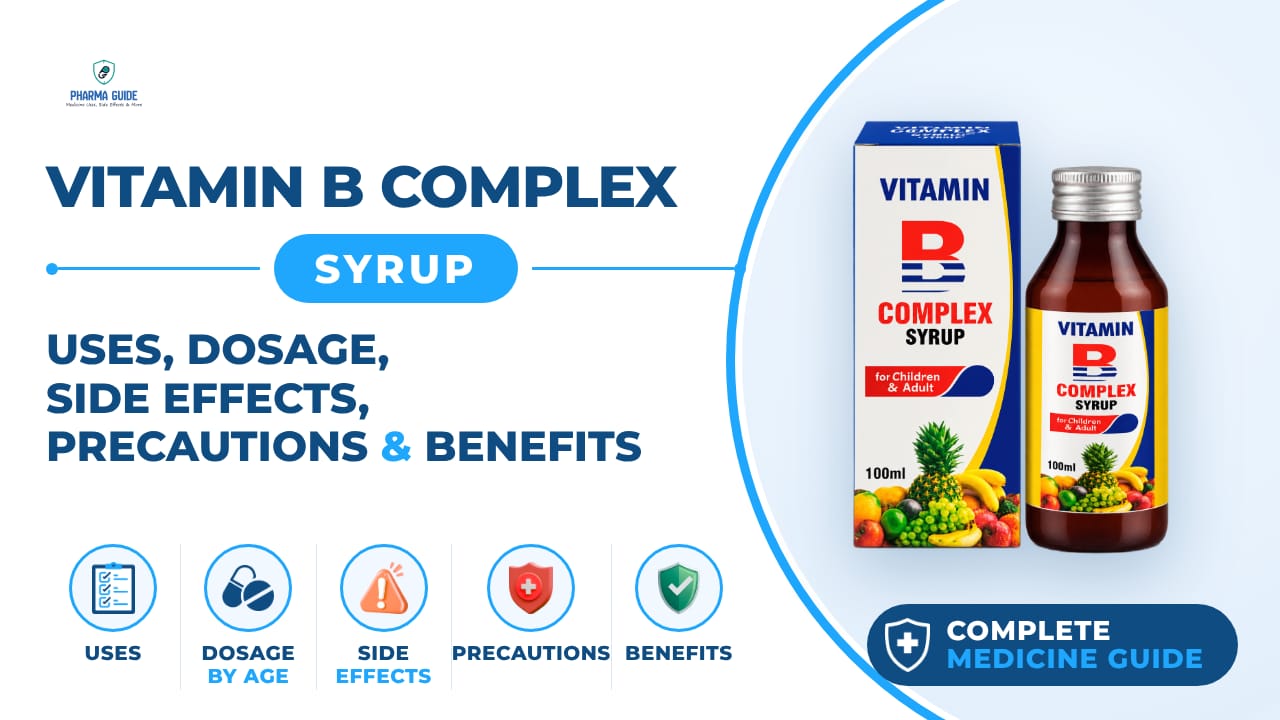
Vitamin B Complex Syrup: Uses, Dosage, Side Effects, Precautions and Alternates
Dietary supplement
Vitamin B Complex Syrup combines eight B vitamins to correct deficiencies and support energy, nerve, and blood cell function. Learn uses, dosage, and side

Injectafer Injection: Uses, Dosage, Side Effects, Precautions and Alternates
Iron products
Injectafer (ferric carboxymaltose) treats iron deficiency anemia and heart failure-related iron deficiency via IV. Learn uses, dosage, side effects, and