
Safety
General information, not medical advice
Your prescriber and the leaflet in your pack know your situation. This page does not.
- Follow your prescriber and the leaflet
- Don't start, stop, or change a dose on your own
- Doses and warnings differ by country and product
Vitamin B Complex Syrup: Uses, Dosage, Side Effects, Precautions and Alternates
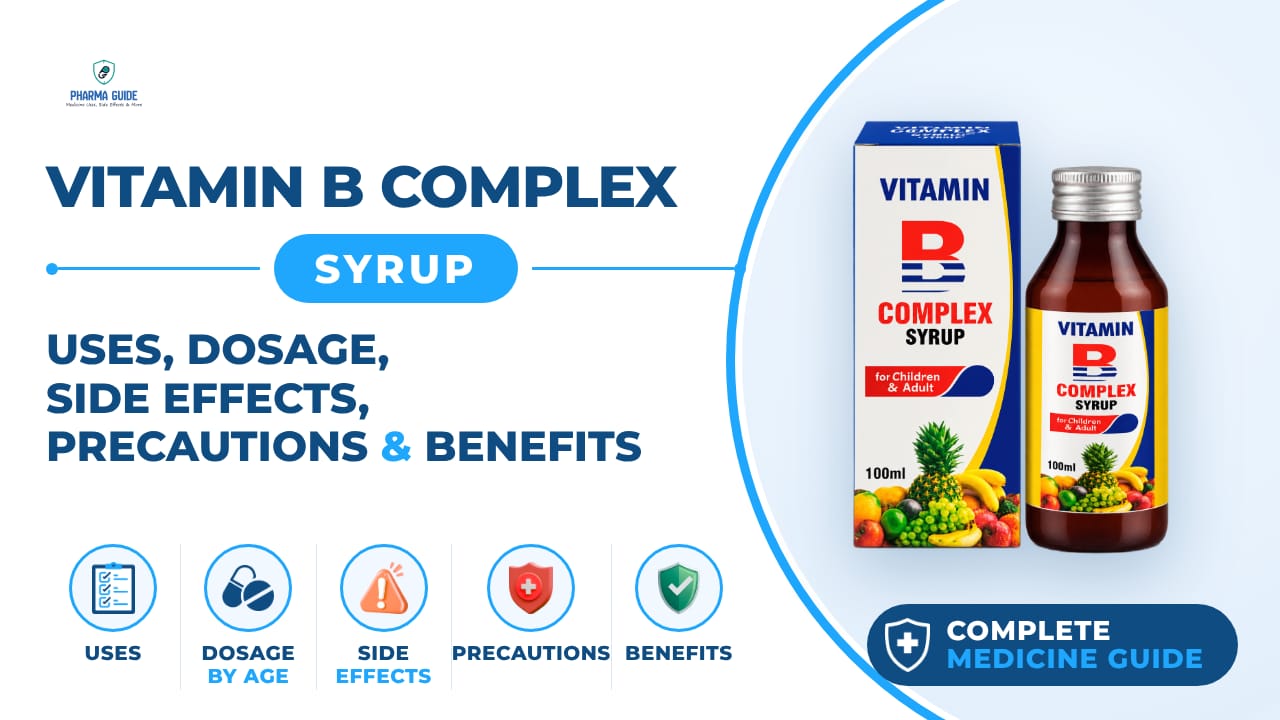
| Drug class | Dietary supplement |
|---|---|
| Forms | tablet, syrup (liquid), gummies, injection, dissolving products, nasal preparations |
Quick overview
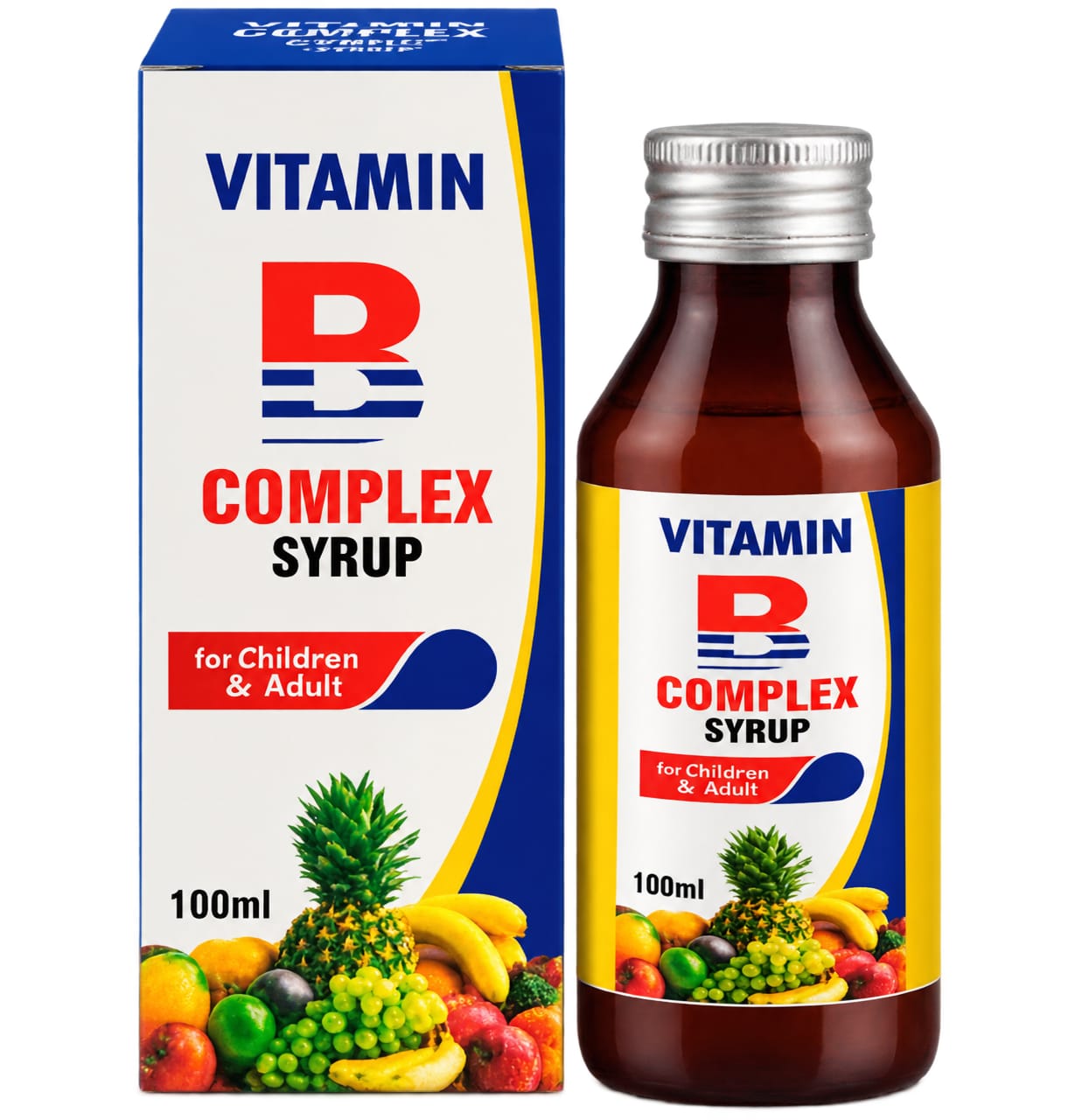
Vitamin B Complex Syrup is a dietary supplement that combines several or all of the eight B vitamins (B1, B2, B3, B5, B6, B7, B9, and B12) in one product. It is used to correct diagnosed deficiencies, support people with limited diets or absorption problems, and help meet increased needs during pregnancy or breastfeeding. The B vitamins help the body use energy from food and support nerve and blood cell function. It should be used exactly as directed, as very high doses of certain B vitamins can cause serious side effects.
What is Vitamin B Complex Syrup
Vitamin B Complex is a dietary supplement that combines several or all of the eight B vitamins (B1, B2, B3, B5, B6, B7, B9, and B12) into one product. These vitamins are water-soluble, meaning the body does not store most of them and needs a fresh supply from food or supplements each day.
Vitamin B Complex Syrup uses
- Correcting a diagnosed deficiency in one or more B vitamins
- Supporting people whose diets limit certain foods, such as vegans or vegetarians
- Helping people with health conditions that affect nutrient absorption
- Supporting increased needs during pregnancy or breastfeeding
Benefits of Vitamin B Complex Syrup
- May help reduce fatigue and boost mood in people with low levels of B vitamins
- May help improve symptoms of depression or anxiety in some people, though it is not a cure for mental health conditions
- Supports fetal brain and nerve development when taken during pregnancy
How Vitamin B Complex Syrup works
The B vitamins act as helpers (coenzymes) that assist the body in turning carbohydrates, fats, and proteins into usable energy. They also support brain and nerve function, help make DNA and new cells, and help form healthy red blood cells.
Vitamin B Complex Syrup dosage
This syrup can be taken at any time of day. Taking it with food may help reduce nausea or stomach discomfort. Some people prefer taking it in the morning because B vitamins are linked to energy metabolism, though it does not act as a stimulant. Try to take it at the same time each day for consistency, and follow the directions on the product label or the instructions from your healthcare professional. Daily use may or may not be needed depending on why you are taking it and your individual health situation.
| Age group | Dose |
|---|---|
| Under 1 year | 5 mL once daily |
| 1–12 years | 5 mL twice daily |
| 13–64 years | 5 mL three times daily |
| 65+ years | 5 mL three times daily |
Available forms and strengths
- Tablet
- Syrup (liquid)
- Gummies
- Injection
- Dissolving products
- Nasal preparations
Side effects of Vitamin B Complex Syrup
Common
- Flushing
- Stomach discomfort or upset
- Nausea
- Bright yellow urine (harmless)
Serious
- Signs of very high vitamin B3 levels: flushing, yellowing of the skin or eyes, itching, fatigue, nausea, vomiting
- Signs of very high vitamin B6 levels: poor muscle control, loss of balance, numbness in arms and legs, bone pain
- Nerve damage from long-term high doses of B6
- Liver damage, high blood sugar, or skin flushing from high doses of B3 (niacin)
Warnings and precautions
- B vitamins, especially B9 (folate) and B12, are important during pregnancy to support the baby's brain and nervous system development. Talk to a doctor before starting supplements during pregnancy.
- People who are breastfeeding need more B vitamins, particularly B9 and B12, to support their infant's development.
- People with kidney disease may be at higher risk of vitamin B6 deficiency and should seek medical advice before starting a high-dose supplement.
- High doses of niacin (vitamin B3) may cause liver damage, so talk with a doctor before taking high-dose products, especially if you have liver problems.
- People who drink alcohol heavily are more likely to have low levels of B vitamins, since alcohol can reduce nutrient absorption and increase how much is lost in urine.
- Taking supplements with unnecessarily high doses of B vitamins can cause serious side effects, even though the vitamins are water-soluble.
- High doses of vitamin B6 taken over time can damage nerves, and large amounts of niacin can cause flushing and may affect the liver, blood sugar, or blood pressure.
- Taking too much folic acid can hide the signs of a vitamin B12 deficiency while nerve damage continues, so it's important not to take high doses without medical advice.
- Vitamin injections should only be given under proper medical supervision, since unnecessary injections can cause harm without providing any benefit.
Storage
- Keep the bottle in a cool, dry place at room temperature
- Don't store it in your bathroom because moisture in the air could affect how well the product works
- Don't use it after the expiration date on the package
- Keep it stored in its original container, since exposure to light can destroy the vitamin B2 component
When to see a doctor
- See a healthcare professional if you have ongoing tiredness, weakness, shortness of breath, numbness, tingling, balance problems, or unexplained changes in memory or mood.
- Get medical advice before starting a high-dose supplement if you are pregnant or breastfeeding, have kidney or liver disease, have had bariatric or intestinal surgery, follow a vegan diet, have a digestive disorder, or take certain medicines like metformin, seizure medicines, or acid-reducing medicines.
- Seek medical attention if you experience symptoms of overdose such as increased thirst, skin disorders, blurred vision, abdominal pain, nausea and vomiting, frequent urination, diarrhea, or skin flushing.
Alternatives
- Neurobion Syrup
- Vitamin B1 + B6 + B12 Syrup
- Becosules Syrup
Watch the video
FAQs
What is Vitamin B Complex Syrup used for?
It is used to correct diagnosed B vitamin deficiencies, support people with limited diets like vegans or vegetarians, help those with nutrient absorption problems, and meet increased needs during pregnancy or breastfeeding.
What is the dosage of Vitamin B Complex Syrup?
Dosage varies by age: 5 mL once daily for under 1 year, 5 mL twice daily for 1–12 years, and 5 mL three times daily for ages 13–64 and 65+. It can be taken any time of day, and taking it with food may reduce nausea.
What are the side effects of Vitamin B Complex Syrup?
Common side effects include flushing, stomach discomfort, nausea, and bright yellow urine, which is harmless. Serious side effects from very high doses can include signs of excess B3 or B6, such as skin yellowing, poor muscle control, numbness, and nerve damage.
Is Vitamin B Complex Syrup safe during pregnancy?
B vitamins, especially B9 and B12, are important during pregnancy to support the baby's brain and nervous system development, but you should talk to a doctor before starting supplements during pregnancy.
How should Vitamin B Complex Syrup be stored?
Keep the bottle in a cool, dry place at room temperature, avoid storing it in the bathroom due to moisture, keep it in its original container to protect it from light, and don't use it after the expiration date.
General information, not medical advice
Your prescriber and the leaflet in your pack know your situation. This page does not.
- Follow your prescriber and the leaflet
- Don't start, stop, or change a dose on your own
- Doses and warnings differ by country and product
Sources
Video
Related medicines
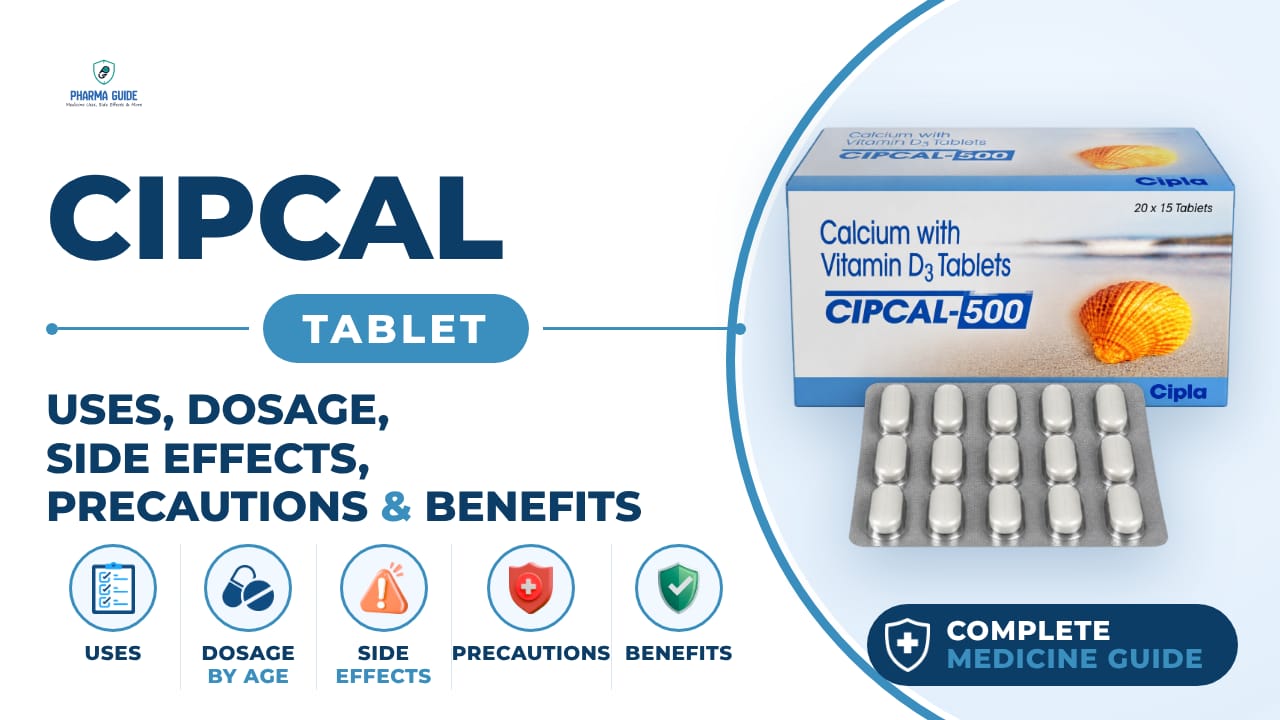
Cipcal Tablet: Uses, Dosage, Side Effects, Precautions and Alternates
Dietary supplement
Cipcal Tablet combines Calcium Carbonate and Vitamin D3 to support bone health. Learn about its uses, dosage, side effects, and precautions.

Injectafer Injection: Uses, Dosage, Side Effects, Precautions and Alternates
Iron products
Injectafer (ferric carboxymaltose) treats iron deficiency anemia and heart failure-related iron deficiency via IV. Learn uses, dosage, side effects, and