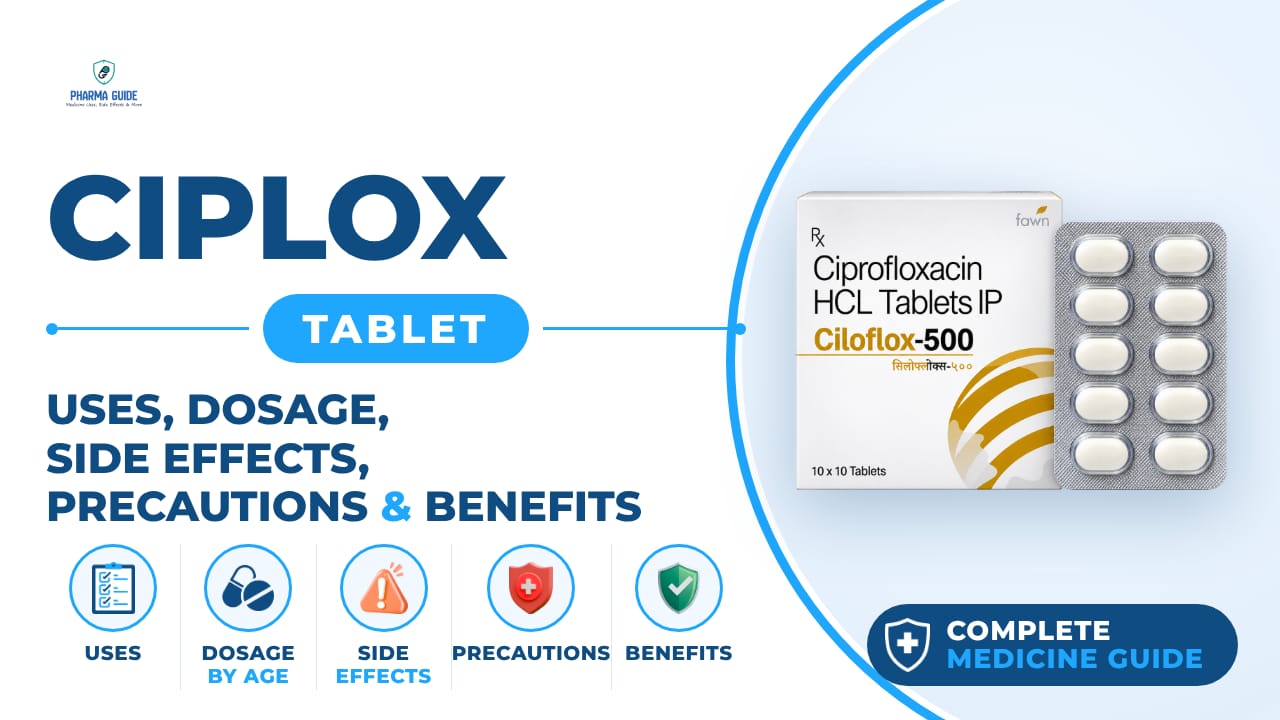
Ciplox Tablet: Uses, Dosage, Side Effects, Precautions and Alternates
| Generic name | Ciprofloxacin |
|---|---|
| Drug class | Fluoroquinolone Antibiotic |
| Forms | Tablet, Eye drops, Eye ointment, Eye/Ear drops, Infusion, Cream, Capsule |
Quick overview
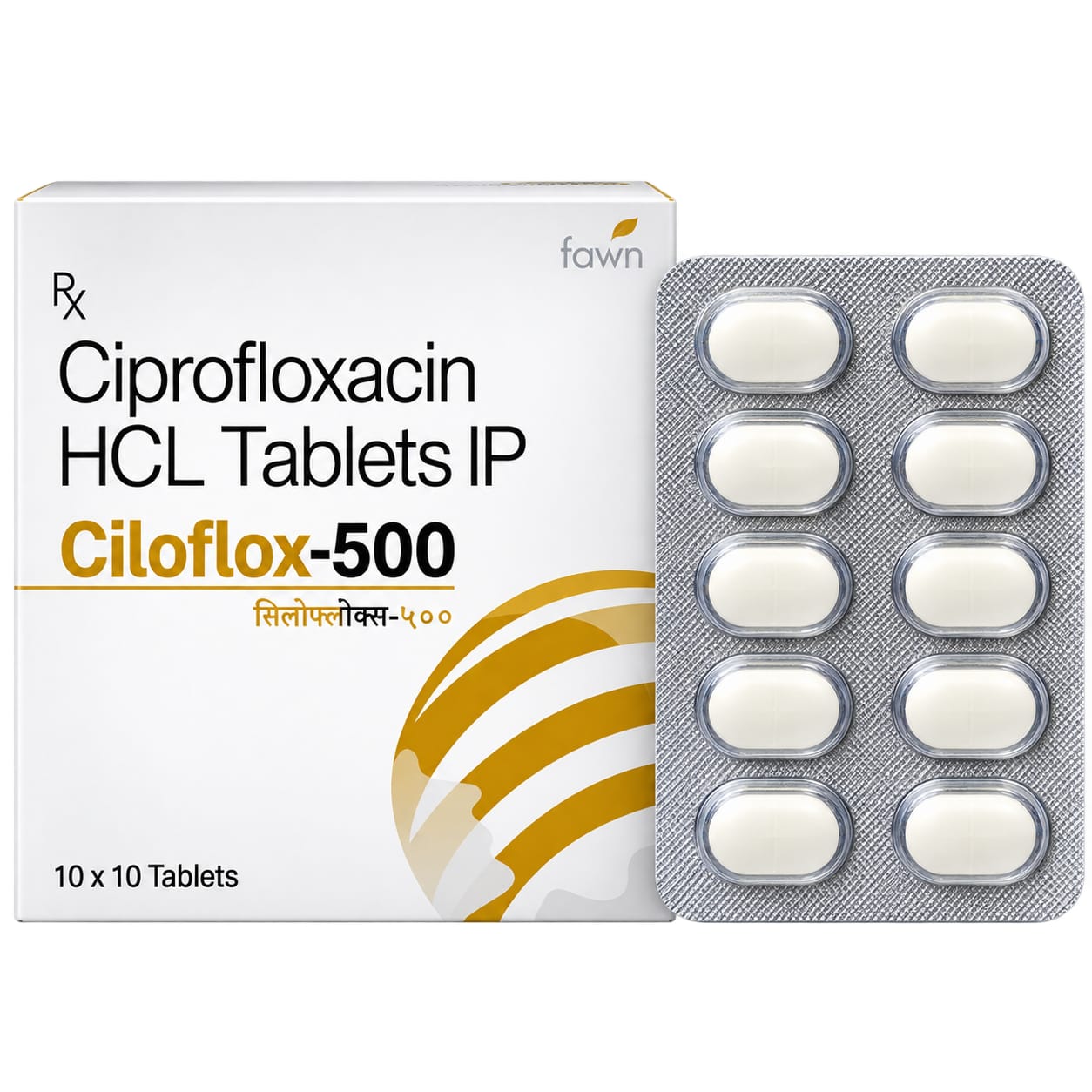
Ciplox Tablet contains ciprofloxacin, a fluoroquinolone antibiotic used to treat bacterial infections affecting the skin, joints, lungs, urinary tract, and other areas of the body. It works by stopping bacteria from growing, which kills them. Ciplox should only be used for bacterial infections, not viral ones, and the full course of treatment should be completed as prescribed.
What is Ciplox Tablet
Ciplox Tablet is an antibiotic medicine that contains ciprofloxacin. It is used to treat bacterial infections that affect areas like the skin, joints, lungs, or urinary tract. It is effective against many types of bacteria. It kills or stops the growth of the bacteria that cause infection. It should be used only for bacterial infections and is not effective against infections caused by viruses.
Ciplox Tablet uses
- Community acquired pneumonia
- Bronchitis
- Cystitis (bladder infection)
- Prostatitis
- Gonococcal infection
- Joint infection
- Pneumonia with cystic fibrosis
- Pyelonephritis (kidney infection)
- Inhalation anthrax
- Plague
- Urinary tract infections
- Skin and soft tissue infections
- Bone and joint infections
- Certain types of bacterial diarrhea
- Gastrointestinal infections
- Ear and eye infections
Benefits of Ciplox Tablet
- Broad-spectrum antibiotic suitable for various bacterial infections
- Helps in rapid reduction of infection-related symptoms
- Improves recovery and reduces the risk of complications
- Easy administration with a proven safety profile
How Ciplox Tablet works
Ciplox works by stopping the action of a bacterial enzyme called DNA-gyrase. This destabilises the bacterial DNA and prevents the bacteria from growing, which kills them.
Ciplox Tablet dosage
Ciplox Tablet can be taken with or without food, as advised by your doctor. Take it at around the same time every day so it is easier to remember. Swallow the tablet whole with a full glass of water, and do not chew or crush it.
Take this medicine one to two hours before or after taking antacids, as antacids increase the time it takes to work. Take it at least two hours before or after dairy products, as they can affect how well it is absorbed. Avoid caffeine-containing products while taking this medicine, and stay well hydrated.
Finish the entire course of treatment even if you feel better, to avoid antibiotic resistance. Do not give your medicine to other people even if their condition seems the same as yours.
| Age group | Dose |
|---|---|
| Under 18 years | Not routinely recommended; use only for specific infections under specialist supervision |
| 18–64 years | Common adult doses: 250–750 mg every 12 hours, depending on the infection |
| 65+ years | Usually the same adult dosing, but kidney function may require dose adjustment |
Available forms and strengths
- Tablet
- Eye drops
- Eye ointment
- Eye/Ear drops
- Infusion
- Cream
- Capsule
Side effects of Ciplox Tablet
Common
- Diarrhoea
- Stomach pain
- Headache
- Weakness
- Nausea and vomiting
- Dizziness
- Skin rash or itching
- Decreased appetite
- Runny nose
- Sneezing
- Increased sensitivity to sunlight
Serious
- White patches in the mouth or on the tongue
- Joint pain
- Black or tarry stools
- Fever with chills
- Chest tightness
- Ringing or buzzing in the ears
- Muscle pain
- Numbness of the hands
- Swelling of face, lips, eyelids, tongue, hands and feet
- Tendonitis or tendon rupture
- Confusion, tremors, or seizures
- Allergic reactions
Warnings and precautions
- This medicine is not recommended during pregnancy because of the risk of harmful effects on the developing joints of the baby.
- Take it only if your doctor recommends it.
- This medicine is not known to be harmful during breastfeeding, but it does pass into breast milk in small amounts.
- If you are breastfeeding, talk to your doctor before taking it.
- Watch the baby for signs of yeast infection like diarrhoea, a thick white coating on the tongue, and diaper rash.
- Use this medicine with extreme caution if you have kidney problems because of the risk of kidney damage.
- Your doctor may adjust your dose based on your condition.
- Patients with liver disease may need dose adjustments and regular monitoring.
- The interaction with alcohol is unknown.
- It is advisable to consult your doctor before drinking alcohol while taking this medicine.
- This medicine may cause dizziness, confusion, or disorientation.
- Do not drive or operate machinery if you experience any of these symptoms.
- This medicine can cause muscle damage, usually on the tendons around the ankles. Tell your doctor if you feel pain, numbness, or tingling in your muscles.
- Finish your entire course of treatment even if you feel better, to avoid antibiotic resistance. If you still feel unwell after completing the course, consult your doctor.
- This medicine can cause diarrhoea because it may also kill helpful bacteria in your stomach or intestine. Consult your pharmacist or doctor before taking any anti-diarrhoeal medication.
- Do not take this medicine if you have tendonitis or a tendon rupture, as it can worsen your condition. The risk of tendon problems is higher in older people.
- Avoid this medicine if you have myasthenia gravis, a muscle condition that causes severe weakness, because it may worsen your condition.
- Do not take this medicine if you are allergic to it or to other quinolone antibiotics.
- Use with caution if you have conditions like seizures, depression, or psychotic conditions, as this medicine can trigger or worsen them.
- This medicine may cause heart rhythm problems (prolonged QT interval) if you are taking medicines for heart conditions, which may cause fast or irregular heartbeats.
Storage
- Store in a cool and dry place, preferably at room temperature, protected from light and moisture.
- Keep the original container tightly sealed to prevent contamination.
- Avoid storing the medicine in areas with temperature changes, such as bathrooms, kitchens, or near heat-emitting appliances.
- Check the expiry date and dispose of any unused or expired tablets responsibly. Do not flush them or pour them down the drain. Ask your pharmacist or healthcare provider about safe disposal methods.
- Keep the medicine out of the reach of children.
When to see a doctor
- Seek immediate medical attention if you notice symptoms of a serious allergic reaction like skin rash, itching or swelling (especially of the face, tongue, or throat), severe dizziness, or breathing difficulties.
- Get emergency medical help if you have severe diarrhoea that is watery or bloody.
- Seek emergency medical attention if you suspect you have taken an overdose.
- Stop use and seek medical attention if tendon pain or swelling occurs.
Alternatives
- Levofloxacin
- Ofloxacin
- Moxifloxacin
- Azithromycin
- Clarithromycin
- Doxycycline
- Amoxicillin
Watch the video
FAQs
What is Ciplox Tablet used for?
Ciplox Tablet is used to treat bacterial infections affecting the skin, joints, lungs, and urinary tract, including conditions like pneumonia, bronchitis, cystitis, prostatitis, kidney infections, and certain bacterial diarrhoea. It should only be used for bacterial infections, not viral ones.
How does Ciplox Tablet work?
Ciplox works by stopping the action of a bacterial enzyme called DNA-gyrase. This destabilises the bacterial DNA and prevents the bacteria from growing, which kills them.
How should I take Ciplox Tablet?
Ciplox Tablet can be taken with or without food at the same time each day. Swallow it whole with a full glass of water without chewing or crushing it. Take it one to two hours before or after antacids and at least two hours before or after dairy products, and avoid caffeine while on this medicine.
Can Ciplox Tablet be taken during pregnancy or breastfeeding?
Ciplox is not recommended during pregnancy due to the risk of harmful effects on the baby's developing joints. During breastfeeding, it passes into breast milk in small amounts, so you should talk to your doctor before taking it and watch the baby for signs of yeast infection.
What are the serious side effects of Ciplox Tablet?
Serious side effects include tendonitis or tendon rupture, joint and muscle pain, numbness of the hands, swelling of the face or limbs, black or tarry stools, confusion, tremors or seizures, and allergic reactions.
Sources
- MedlinePlus Drug Information: Ciprofloxacin
- Medicines.org.uk (emc)
- Accessdata.fda.gov drug label
- PubChem: Ciprofloxacin
- NCBI Bookshelf: Ciprofloxacin (Thai, Salisbury and Zito, 2020)
Video
Related medicines

Ciprofloxacin Eye Drops: Uses, Dosage, Side Effects, Precautions and Alternates
Fluoroquinolone antibiotic
Ciprofloxacin Eye Drops (0.3%) treat bacterial eye infections like conjunctivitis and keratitis. Learn dosage, side effects, warnings, and storage tips.

Mefenamic Acid Capsule: Uses, Dosage, Side Effects, Precautions and Alternates
Nonsteroidal anti-inflammatory drug (NSAID)
Mefenamic Acid Capsule is an NSAID for mild to moderate pain and menstrual cramps. Learn uses, dosage, side effects, and important safety warnings.