
Safety
General information, not medical advice
Your prescriber and the leaflet in your pack know your situation. This page does not.
- Follow your prescriber and the leaflet
- Don't start, stop, or change a dose on your own
- Doses and warnings differ by country and product
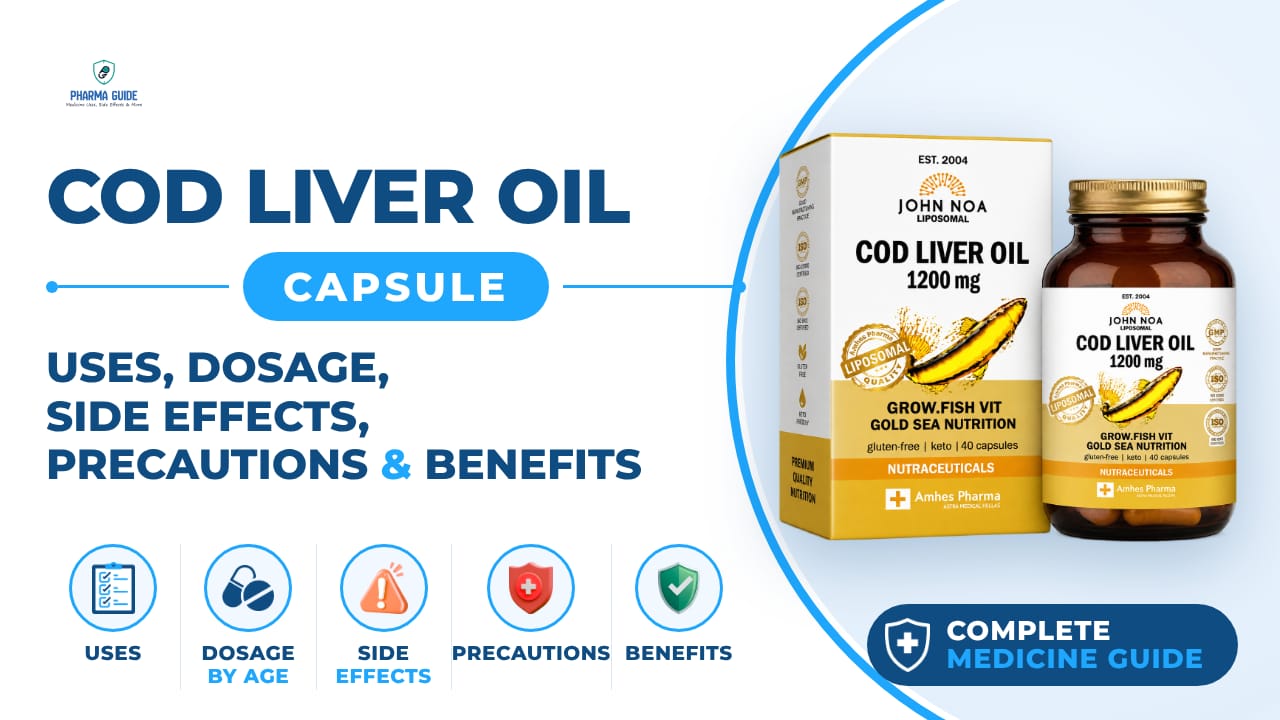
Cod Liver Oil Capsule: Uses, Dosage, Side Effects, Precautions and Alternates
| Generic name | Cod Liver Oil |
|---|---|
| Drug class | Vitamin & Nutritional Supplement |
| Forms | Capsules (hard or soft), Pearls, Softgels, Oil concentrate-filled caplets, Liquid form, Syrup (for children) |
Quick overview
Cod Liver Oil Capsule is a dietary supplement made from the oil of cod fish liver, providing omega-3 fatty acids along with vitamin A and vitamin D. It is used to support vitamin levels and may help with conditions such as high cholesterol, high triglycerides, high blood pressure, and joint discomfort. It comes in capsules, softgels, pearls, and liquid forms. As with any supplement, it carries some side effects and precautions to be aware of.
What is Cod Liver Oil Capsule
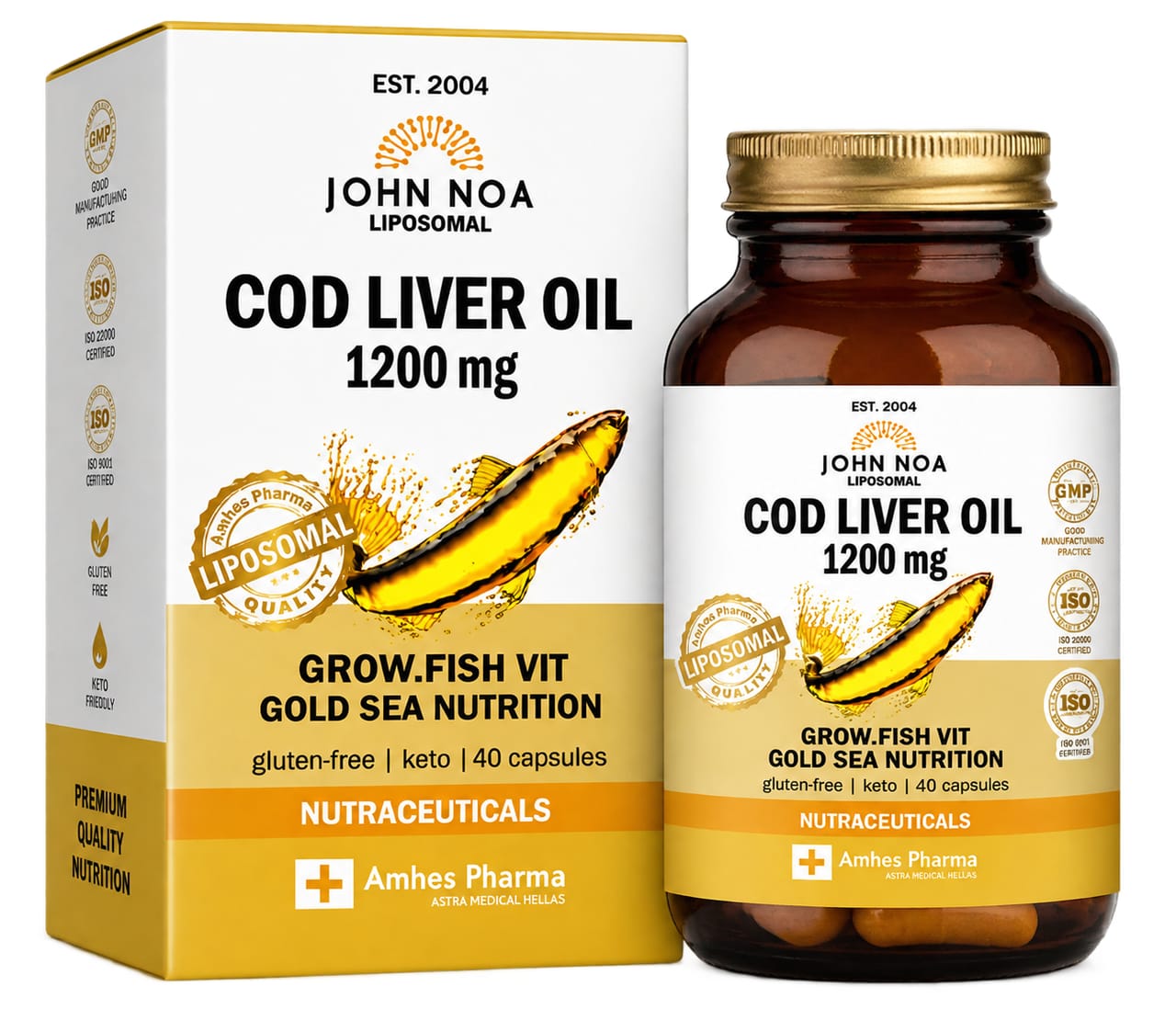
Cod liver oil is an oil taken from the liver of cod fish. It is a source of omega-3 fatty acids and also contains vitamin A and vitamin D. It is sold as a dietary supplement in forms such as capsules, softgels, or liquid.
Cod Liver Oil Capsule uses
- Used as a source of vitamin A and vitamin D
- Used to help with high cholesterol and high triglyceride levels
- Used for kidney disease in people with diabetes
- Used for high blood pressure
- Used for heart disease
- Used for osteoarthritis and rheumatoid arthritis
- Used for depression
- Used for the autoimmune disease systemic lupus erythematosus (SLE)
- Used for glaucoma
- Used for middle ear infections (otitis media)
- Used to help prevent respiratory infections
- Used for an age-related eye condition called macular degeneration
- Sometimes put on the skin to help heal wounds, burns, and rashes
- May support brain, heart, and joint health
Benefits of Cod Liver Oil Capsule
- Contains omega-3 fatty acids linked to reduced inflammation and lower cholesterol
- May help lower blood triglyceride levels
- May cause a slight but meaningful reduction in blood pressure
- May help support healthy bones by aiding calcium absorption
- May reduce joint pain and stiffness in rheumatoid arthritis
- May help support eye health
- Rich source of vitamin A, which supports the eyes, skin, immune system, and bones
- Rich source of vitamin D, which supports bones, teeth, muscles, and the immune system
How Cod Liver Oil Capsule works
Cod liver oil contains fatty acids that make it harder for the blood to clot easily. These fatty acids also help reduce pain and swelling.
Cod Liver Oil Capsule dosage
Take by mouth with a glass of water. It can be taken with or without food, though taking it with meals can reduce stomach side effects. Follow the directions on the product label or talk to your care team about how much to take, and do not take more than the recommended amount. Special care may be needed for children, so talk to your care team before giving it to a child. If you miss a dose, take it as soon as you remember, but if it is almost time for your next dose, skip the missed one — do not double up. This medicine is only for the person it was recommended for; do not share it with others.
| Age group | Dose |
|---|---|
| Under 1 Year | Use only if recommended by a healthcare professional |
| 1–12 Years | Usually 1 capsule daily (strength depends on product) |
| 13–17 Years | Usually 1 capsule daily |
| Adults (18–64 Years) | Usually 1–2 capsules daily (commonly 1000 mg capsules) |
| Older Adults (65+ Years) | Usually 1–2 capsules daily as advised |
Available forms and strengths
- Capsules (hard or soft)
- Pearls
- Softgels
- Oil concentrate-filled caplets
- Liquid form
- Syrup (for children)
- Commonly available as 1000 mg capsules
Side effects of Cod Liver Oil Capsule
Common
- Belching
- Bad breath
- Heartburn
- Loose stools
- Nausea
- Metallic taste in mouth
- Upset stomach
- Fishy aftertaste
- Nosebleeds
Serious
- Allergic reactions — skin rash, itching, hives, swelling of the face, lips, tongue, or throat
- Increased risk of bleeding or bruising, especially at high doses
- Symptoms of too much vitamin A, such as nausea, vomiting, loss of appetite, skin problems, fatigue, dizziness, severe headaches, stomach pain, pain behind the eyes, bone or joint pain, vision problems, or hair loss
- Symptoms of too much vitamin D, such as high blood calcium, nausea, reduced appetite, weakness, weight loss, confusion, frequent urination, or kidney problems
Warnings and precautions
Taking high doses of cod liver oil is considered possibly unsafe. High doses might make it harder for blood to clot and can increase the chance of bleeding. High doses can also push vitamin A and vitamin D levels too high.
If you take medicine for high blood pressure, be careful using cod liver oil, since it can lower blood pressure and combining the two might make your blood pressure drop too low.
Taking cod liver oil together with medicines that slow blood clotting, such as aspirin or warfarin, might increase the chances of bruising and bleeding.
Cod liver oil is probably safe in pregnancy only at amounts that do not exceed the recommended daily intake of vitamin A and vitamin D. Taking larger amounts is considered possibly unsafe, and pregnant women should not take cod liver oil that provides more than the stated upper limits of vitamin A and vitamin D.
As with pregnancy, breastfeeding women should stick to amounts of cod liver oil that do not exceed the recommended daily intakes of vitamin A and vitamin D.
Tell your care team if you have kidney disease before taking cod liver oil.
Tell your care team if you have liver disease before taking cod liver oil.
Tell your care team if you often drink alcohol before starting cod liver oil.
Storage
- Keep out of the reach of children and pets
- Store at room temperature
- Protect from moisture
- Get rid of any unused supplement after the expiration date
When to see a doctor
Get medical help right away if you have signs of an allergic reaction, such as skin rash, itching, hives, or swelling of the face, lips, tongue, or throat.
If you think you have taken too much of this medicine, contact a poison control center or go to an emergency room right away.
Alternatives
- Fish Oil Capsules
- Vitamin D3 Supplements
- Krill Oil Capsules
Watch the video
FAQs
What is Cod Liver Oil Capsule used for?
It is used as a source of vitamin A and vitamin D, and may help with high cholesterol, high triglycerides, high blood pressure, heart disease, joint conditions like arthritis, depression, and other conditions. It is also sometimes applied to the skin to help heal wounds, burns, and rashes.
What are the common side effects of Cod Liver Oil Capsule?
Common side effects include belching, bad breath, heartburn, loose stools, nausea, metallic taste in mouth, upset stomach, fishy aftertaste, and nosebleeds.
What is the usual dosage of Cod Liver Oil Capsule for adults?
Adults aged 18 to 64 usually take 1–2 capsules daily, commonly in 1000 mg capsule strength, though the exact amount should follow the product label or care team guidance.
Is Cod Liver Oil Capsule safe during pregnancy?
It is probably safe during pregnancy only at amounts that do not exceed the recommended daily intake of vitamin A and vitamin D; higher amounts are considered possibly unsafe.
Can Cod Liver Oil Capsule interact with blood thinners?
Yes, taking cod liver oil with medicines that slow blood clotting, such as aspirin or warfarin, might increase the chances of bruising and bleeding.
General information, not medical advice
Your prescriber and the leaflet in your pack know your situation. This page does not.
- Follow your prescriber and the leaflet
- Don't start, stop, or change a dose on your own
- Doses and warnings differ by country and product
Sources
Video
Related medicines

Injectafer Injection: Uses, Dosage, Side Effects, Precautions and Alternates
Iron products
Injectafer (ferric carboxymaltose) treats iron deficiency anemia and heart failure-related iron deficiency via IV. Learn uses, dosage, side effects, and

Gliclazide Tablet: Uses, Dosage, Side Effects, Precautions and Alternates
Sulfonylurea (hypoglycemic/antidiabetic agent)
Gliclazide Tablet is a sulfonylurea for type 2 diabetes that boosts insulin release. Learn about dosage, side effects, warnings, and precautions.