
Safety
General information, not medical advice
Your prescriber and the leaflet in your pack know your situation. This page does not.
- Follow your prescriber and the leaflet
- Don't start, stop, or change a dose on your own
- Doses and warnings differ by country and product
Coenzyme Q10 Capsule: Uses, Dosage, Side Effects, Precautions and Alternates
| Generic name | Coenzyme Q10 |
|---|---|
| Drug class | Antioxidant supplement |
| Forms | Capsule, Tablet |
Quick overview
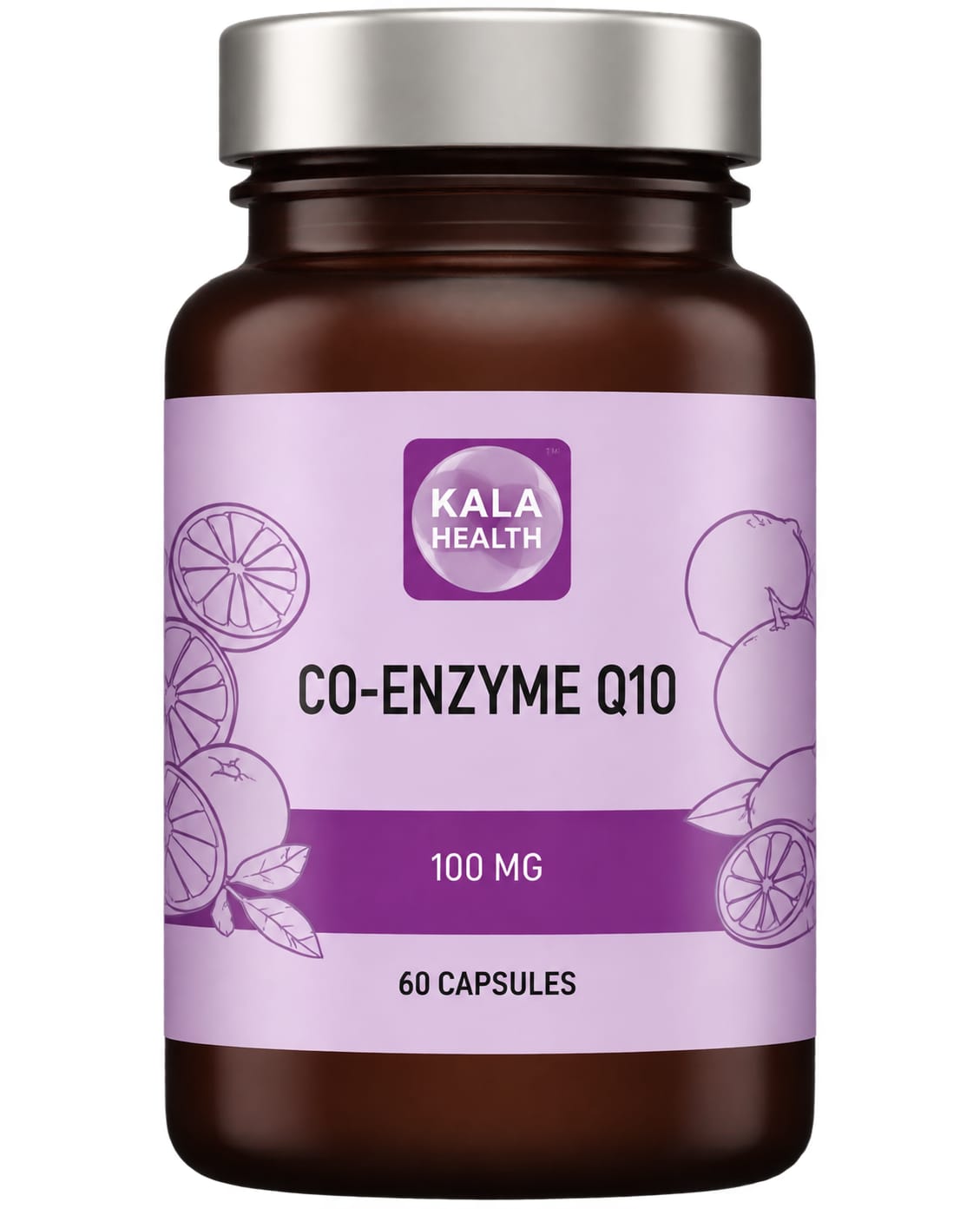
Coenzyme Q10 Capsule is an antioxidant supplement that may support heart and blood vessel health and help protect cells from damage. It is sometimes used for migraines, heart failure, and high blood pressure. The FDA has not evaluated this supplement for any medical use.
What is Coenzyme Q10 Capsule
Coenzyme Q10 Capsule contains Coenzyme Q10, an antioxidant supplement. It may support heart and blood vessel health and helps protect your cells from damage. The FDA has not evaluated this supplement for any medical use.
Coenzyme Q10 Capsule uses
- Migraines
- Heart failure
- High blood pressure
Benefits of Coenzyme Q10 Capsule
- May help improve treatment outcomes for people with heart failure
- May help with fertility
- May support skin health as you age
- May reduce migraine frequency and severity
- May benefit exercise performance
- May help with diabetes management by improving insulin sensitivity and blood sugar regulation
- May play a role in cancer prevention by reducing oxidative stress
- May benefit brain health
- May have a protective effect on the lungs
How Coenzyme Q10 Capsule works
Coenzyme Q10 is found in the mitochondria of cells, where it plays a key role in producing energy for the body. It also acts as an antioxidant, helping to protect cells from damage.
Coenzyme Q10 Capsule dosage
Take this medication by mouth with water. Take it as directed on the package labeling or as directed by your care team. Take it with a high-fat meal, since it is fat-soluble and taking it with food helps your body absorb it better. Do not take it more often than directed. Talk to your care team about use in children, since special care may be needed.
If you miss a dose, take it as soon as you can. If it is almost time for your next dose, just take that one dose. Do not double up.
| Age group | Dose |
|---|---|
| Children (Under 18 Years) | Use only if recommended by a healthcare professional |
| Adults (18–64 Years) | Usually 100–200 mg daily depending on need |
| Older Adults (65+ Years) | Usually 100–200 mg daily as advised |
Available forms and strengths
- Capsule
- Tablet
Side effects of Coenzyme Q10 Capsule
Common
- Diarrhea
- Heartburn
- Nausea
- Trouble sleeping
- Upset stomach
Serious
- Allergic reactions—skin rash, itching, hives, swelling of the face, lips, tongue, or throat
Warnings and precautions
- This supplement may interact with medications for high blood pressure and with warfarin, a blood thinner. It may also reduce how well warfarin works. Inform your doctor if you take blood thinners such as warfarin.
- Herbal and dietary supplements are not regulated like medications, so their purity and strength can vary. The safety and effects of this supplement for treating a specific disease are not well known, and it is not intended to diagnose, treat, cure, or prevent any disease.
- People who are at risk of gastrointestinal bleeding should be cautious, since a case of severe gastrointestinal bleeding was reported in one study, though this appears to be rare.
- Some CoQ10 products have been found to contain different amounts of the ingredient than what's on the label, and some may absorb poorly due to slow disintegration.
- There is limited research on using this supplement during pregnancy, so caution is advised. Tell your care team if you are pregnant or trying to get pregnant.
- Coenzyme Q10 occurs naturally in breast milk, but there isn't enough research on taking it as a supplement while breastfeeding, so caution is advised. Tell your care team if you are breastfeeding.
- Consult a doctor before use if you are pregnant or breastfeeding, for kidney-related precautions.
- Tell your health care provider if you drink alcohol, since it may interact with your medication.
- Stop use if allergic reactions or unusual symptoms occur, including while driving.
Storage
- Keep out of the reach of children and pets.
- Store at room temperature or as directed on the package label.
- Get rid of any unused medication after the expiration date.
- Take the medication to a medication take-back program; check with your pharmacy or law enforcement to find a location.
- If you cannot return the medication, check the label or package insert to see if it should be thrown out in the garbage or flushed down the toilet. If unsure, ask your care team.
- If it is safe to put in the trash, empty the medication out of the container, mix it with cat litter, dirt, coffee grounds, or other unwanted substance, seal the mixture in a bag or container, and put it in the trash.
When to see a doctor
- Report allergic reactions to your care team right away, including skin rash, itching, hives, or swelling of the face, lips, tongue, or throat.
- If you think you have taken too much of this medicine, contact a poison control center or emergency room right away.
- Visit your care team for regular checks on your progress and tell them if your symptoms do not improve or get worse.
Alternatives
- L-Carnitine
- Alpha-Lipoic Acid
- Omega-3 Fish Oil
- Magnesium Supplements
Watch the video
FAQs
What is Coenzyme Q10 Capsule used for?
It is sometimes used for migraines, heart failure, and high blood pressure, and may support heart and blood vessel health and help protect cells from damage.
How should I take Coenzyme Q10 Capsule?
Take it by mouth with water as directed on the package labeling or by your care team. Take it with a high-fat meal since it is fat-soluble and food helps your body absorb it better. Do not take it more often than directed.
What is the usual dosage of Coenzyme Q10 Capsule?
Adults and older adults usually take 100–200 mg daily depending on need. Children should only use it if recommended by a healthcare professional.
What are the side effects of Coenzyme Q10 Capsule?
Common side effects include diarrhea, heartburn, nausea, trouble sleeping, and upset stomach. Serious allergic reactions such as rash, itching, hives, or swelling of the face, lips, tongue, or throat can occur.
Does Coenzyme Q10 interact with any medications?
It may interact with medications for high blood pressure and with warfarin, a blood thinner, and may reduce how well warfarin works, so tell your doctor if you take blood thinners.
General information, not medical advice
Your prescriber and the leaflet in your pack know your situation. This page does not.
- Follow your prescriber and the leaflet
- Don't start, stop, or change a dose on your own
- Doses and warnings differ by country and product
Sources
Video
Related medicines

Injectafer Injection: Uses, Dosage, Side Effects, Precautions and Alternates
Iron products
Injectafer (ferric carboxymaltose) treats iron deficiency anemia and heart failure-related iron deficiency via IV. Learn uses, dosage, side effects, and

Gliclazide Tablet: Uses, Dosage, Side Effects, Precautions and Alternates
Sulfonylurea (hypoglycemic/antidiabetic agent)
Gliclazide Tablet is a sulfonylurea for type 2 diabetes that boosts insulin release. Learn about dosage, side effects, warnings, and precautions.