
Safety
General information, not medical advice
Your prescriber and the leaflet in your pack know your situation. This page does not.
- Follow your prescriber and the leaflet
- Don't start, stop, or change a dose on your own
- Doses and warnings differ by country and product
Colestid Tablet: Uses, Dosage, Side Effects, Precautions and Alternates
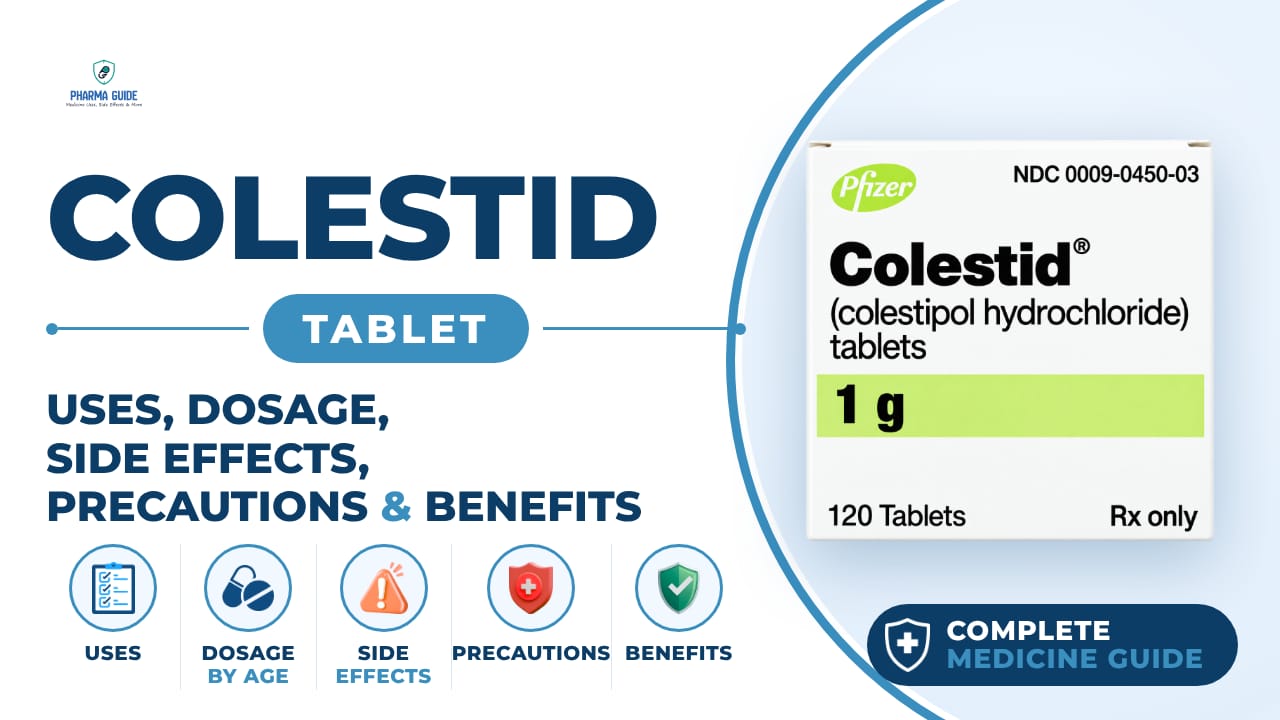
| Generic name | colestipol |
|---|---|
| Drug class | Bile acid sequestrant |
| Forms | Tablet, Granules for oral suspension |
Quick overview
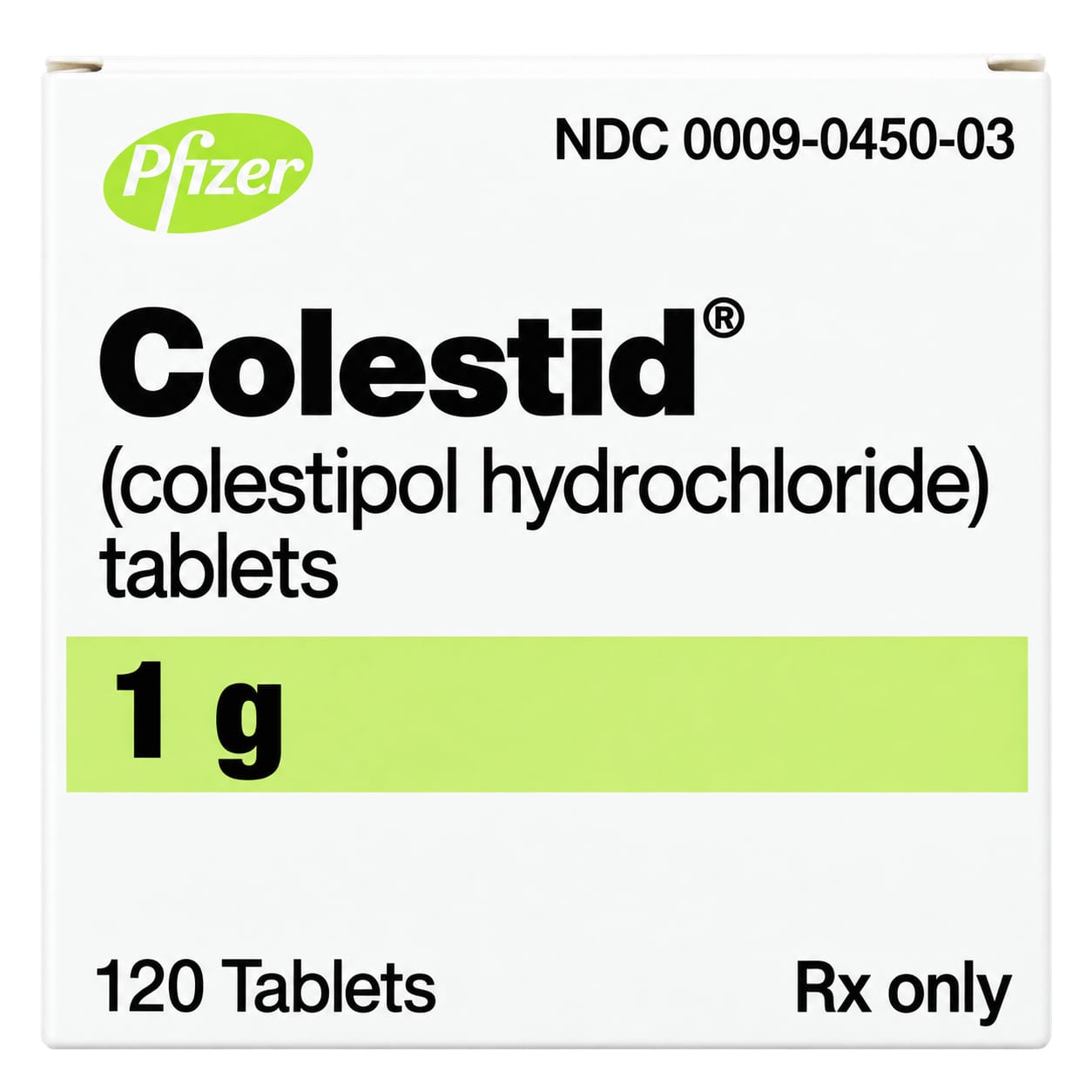
Colestid Tablet (colestipol) is a bile acid sequestrant used along with diet and exercise to lower LDL ("bad") cholesterol in the blood. It works by binding bile acids in the gut so the body uses more cholesterol to make new ones, which helps reduce cholesterol levels over time. It is taken by mouth with meals and a full glass of liquid, and it may take several weeks to months to see improved cholesterol levels.
What is Colestid Tablet
Colestid is a cholesterol-lowering medicine. It is used along with diet and exercise to lower 'bad' cholesterol (LDL) in the blood. Its generic name is colestipol, and it belongs to the bile acid sequestrant drug class.
Colestid Tablet uses
- Lowers LDL ('bad') cholesterol in the blood
- Used as part of treatment to reduce the risk of heart attacks, stroke, and hardened arteries from high cholesterol
Benefits of Colestid Tablet
- Lowering LDL cholesterol may reduce the risk of hardened arteries, which can lead to heart attacks, stroke, and circulation problems
- Helps prevent heart disease and arteriosclerosis (hardening of the arteries) when combined with diet changes
How Colestid Tablet works
Colestid works by binding bile acids in the gut and removing them from the body in the stool. This makes the body use more cholesterol to make new bile acids, which lowers the amount of cholesterol in the blood.
Colestid Tablet dosage
Swallow each tablet whole, one at a time; do not cut, crush, or chew the tablets. Take tablets with a full glass of water or another liquid you prefer, with meals. Tell your doctor if a tablet feels like it gets stuck in your throat or chest after swallowing. Take other medicines at least 1 hour before or 4 hours after taking this medicine to avoid reducing their absorption. Keep taking this medicine along with your prescribed diet, weight control, and exercise plan, even if you feel well, since high cholesterol often has no symptoms. It may take several weeks to months of regular use before your cholesterol levels improve.
| Age group | Dose |
|---|---|
| Under 18 years | Not established |
| 18–64 years | Initially 2 g once or twice daily; adjust gradually as prescribed |
| 65+ years | Initially 2 g once or twice daily; adjust gradually as prescribed |
Available forms and strengths
- Tablet
- Granules for oral suspension
Side effects of Colestid Tablet
Common
- Constipation
- Hemorrhoids
- Stomach pain or abdominal discomfort
- Diarrhea or loose stools
- Gas (bloating and flatulence)
- Indigestion and heartburn
- Nausea and vomiting
- Headache
- Dizziness
- Backache or joint/muscle pain
Serious
- Trouble swallowing or feeling like a tablet is stuck in the throat/chest
- Severe constipation or stomach pain
- Black, bloody, or tarry stools
- Signs of an allergic reaction: hives, difficulty breathing, swelling of face, lips, tongue, or throat
- Unusual bleeding or bruising
Warnings and precautions
- Never take the granule form of this medicine dry. Always mix it with water or another liquid first, because swallowing it dry could cause choking or breathing problems.
- Always swallow tablets one at a time and whole; do not cut, crush, or chew them, since the tablets can be larger than other pills you may have taken.
- This medicine can reduce how well your other medicines are absorbed. Take other medicines at least 1 hour before or 4 hours after taking this medicine.
- Drink plenty of fluids each day while taking this medicine to help prevent constipation, and check with your doctor before using a laxative or stool softener.
- This medicine may reduce absorption of certain vitamins (A, D, E, K) and folic acid, which over time can increase bleeding risk due to low vitamin K.
- This medicine is not approved for use in people younger than 18 years old.
- Some forms of this medicine may contain phenylalanine, which can be harmful to people with phenylketonuria (PKU). Talk to your doctor before use if you have PKU.
- Colestid is not expected to harm an unborn baby at normal doses, but it can make it harder for your body to absorb certain vitamins needed during pregnancy. Tell your doctor if you are pregnant or planning to become pregnant.
- This medicine can make it harder for your body to absorb certain vitamins that are important while breastfeeding. Tell your doctor if you are breastfeeding before taking this medicine.
- Tell your doctor if you have liver disease before taking this medicine.
- Avoid alcohol while taking this medicine, as part of a heart-healthy lifestyle.
- This medicine is not expected to affect your ability to drive or use machines.
Storage
- Store at room temperature away from moisture and heat
- Store at controlled room temperature between 20° and 25°C (68° to 77°F)
- Protect from heat, direct sunlight, moisture and humidity
- Keep out of the reach of children and pets
- Get rid of any unused medication after the expiration date
- Take the medication to a medication take-back program if possible; if not, check the label or ask your care team whether it should be thrown in the trash or flushed, and if trash is safe, mix it with something like cat litter or coffee grounds, seal it in a bag, and throw it away
When to see a doctor
- Get emergency medical help right away if you have signs of an allergic reaction such as hives, trouble breathing, or swelling of your face, lips, tongue, or throat.
- Call your doctor right away if you have trouble swallowing, severe constipation or stomach pain, or black, bloody, or tarry stools.
- Call your care team if you haven't had a bowel movement for 3 days, as this medicine can cause constipation.
- Contact your doctor if a tablet feels stuck after you swallow it, and do not take this medicine again until you talk to your doctor.
- If you think you have taken too much of this medicine, contact a poison control center or emergency room right away.
Alternatives
- Cholestyramine (Questran)
- Ezetimibe (Zetia)
- Rosuvastatin (Crestor)
Watch the video
FAQs
What is Colestid Tablet used for?
Colestid is used along with diet and exercise to lower LDL ('bad') cholesterol in the blood, helping reduce the risk of heart attacks, stroke, and hardened arteries.
How does Colestid Tablet work?
It binds bile acids in the gut and removes them in the stool, causing the body to use more cholesterol to make new bile acids, which lowers blood cholesterol levels.
How should I take Colestid Tablet?
Swallow each tablet whole with a full glass of water or another liquid with meals; do not cut, crush, or chew it. Take other medicines at least 1 hour before or 4 hours after this medicine.
What are the common side effects of Colestid Tablet?
Common side effects include constipation, hemorrhoids, stomach pain, diarrhea, gas, indigestion, nausea, headache, dizziness, and backache or joint/muscle pain.
How long does it take for Colestid Tablet to improve cholesterol levels?
It may take several weeks to months of regular use before cholesterol levels improve.
General information, not medical advice
Your prescriber and the leaflet in your pack know your situation. This page does not.
- Follow your prescriber and the leaflet
- Don't start, stop, or change a dose on your own
- Doses and warnings differ by country and product
Sources
Video
Related medicines
Colestipol Tablet: Uses, Dosage, Side Effects, Precautions and Alternates
Bile acid sequestrant
Colestipol Tablet lowers LDL and total cholesterol by removing bile acids. Learn how it works, dosage, side effects, warnings, and alternatives.

Injectafer Injection: Uses, Dosage, Side Effects, Precautions and Alternates
Iron products
Injectafer (ferric carboxymaltose) treats iron deficiency anemia and heart failure-related iron deficiency via IV. Learn uses, dosage, side effects, and