
Safety
General information, not medical advice
Your prescriber and the leaflet in your pack know your situation. This page does not.
- Follow your prescriber and the leaflet
- Don't start, stop, or change a dose on your own
- Doses and warnings differ by country and product
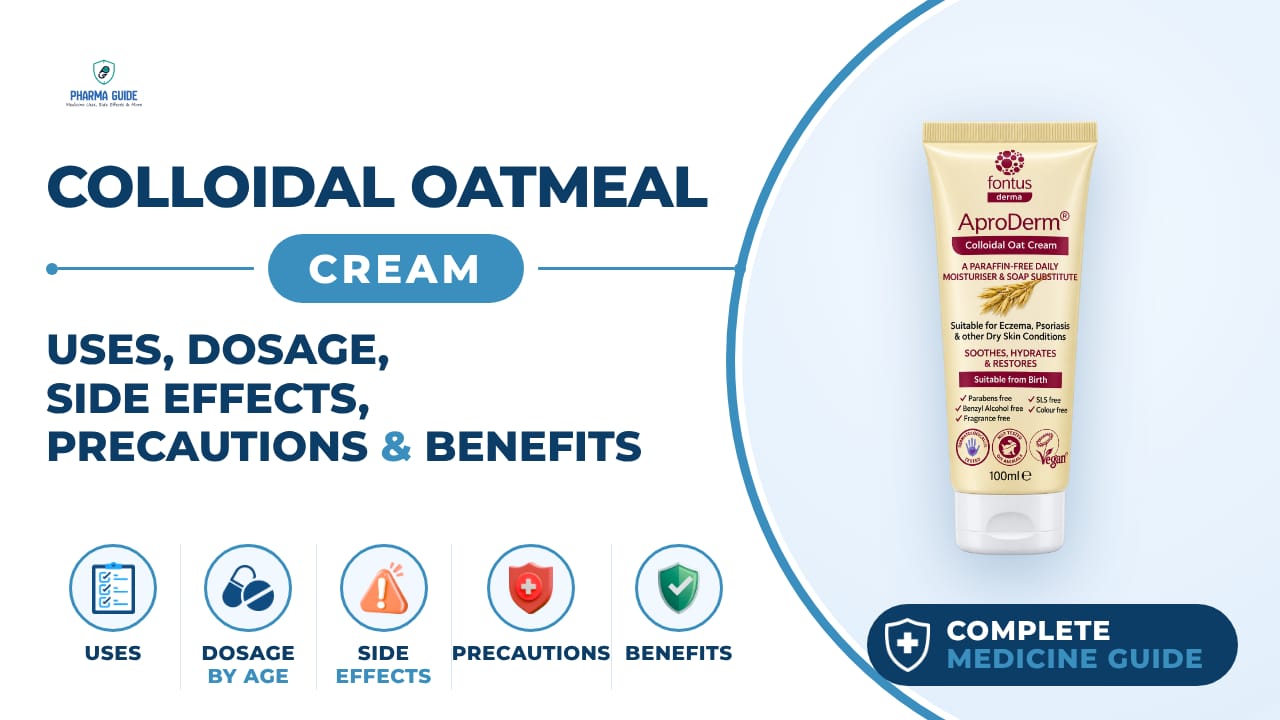
Colloidal Oatmeal Cream: Uses, Dosage, Side Effects, Precautions and Alternates
| Forms | Cream, Lotion, Toner, Sunscreen |
|---|
Quick overview
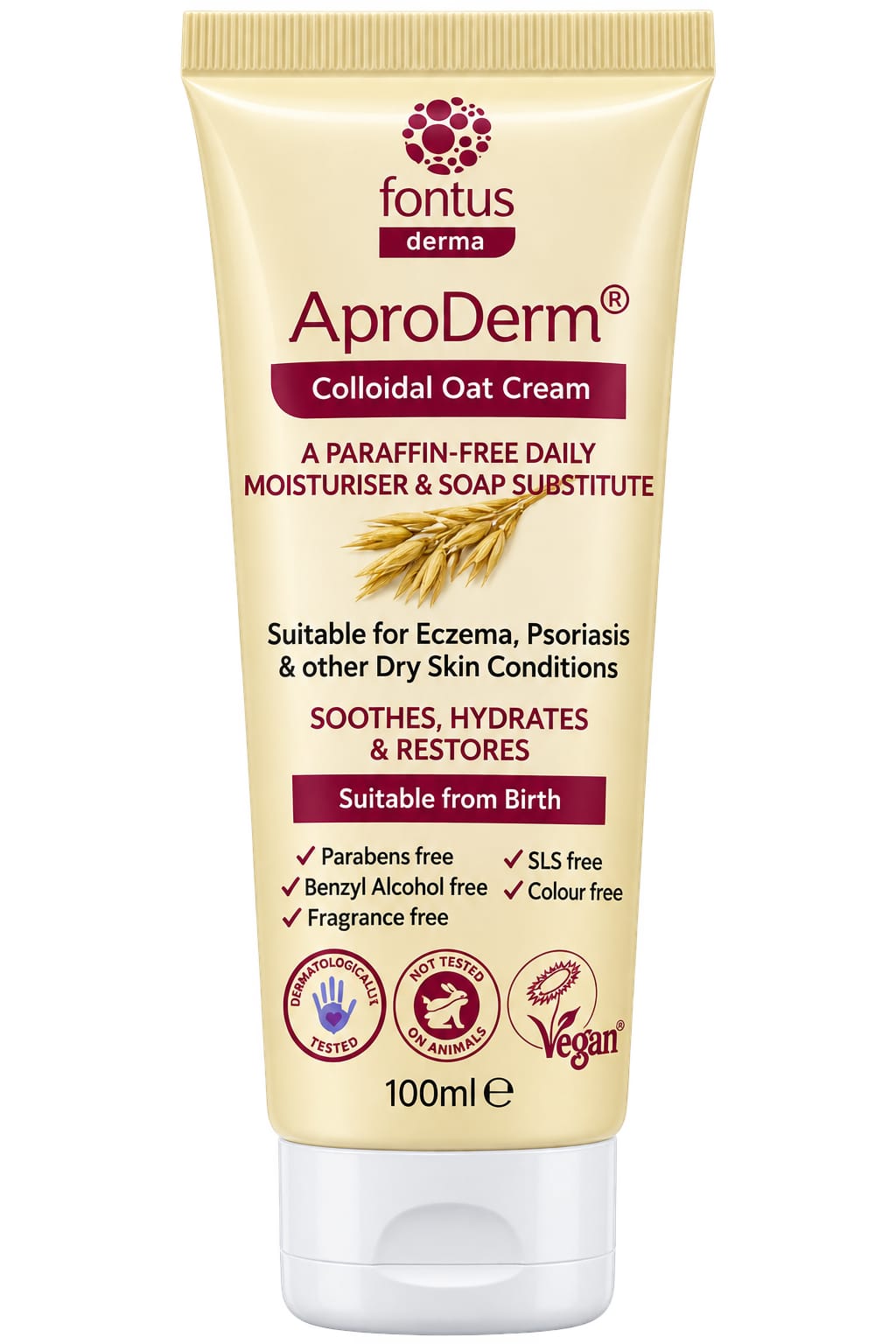
Colloidal Oatmeal Cream is a topical skin product made from finely ground oats that have been processed to release soothing compounds. It is recognized by the FDA as a safe skin protectant and is used to relieve dry, itchy, and sensitive skin, including conditions like eczema and dermatitis. It comes in several forms, including cream, lotion, toner, and sunscreen, and is generally applied as needed to affected skin.
What is Colloidal Oatmeal Cream
Colloidal oatmeal is finely ground oats that have been boiled to extract their beneficial compounds, including lipids, proteins, antioxidants, and avenanthramides. It is recognized by the FDA as a safe skin protectant and is used in creams, lotions, and other skincare products to soothe dry, itchy, and sensitive skin.
Colloidal Oatmeal Cream uses
- Soothing dry, itchy, and sensitized skin caused by dryness, climate, or skin conditions like eczema
- Used as a treatment for dermatitis and other inflammatory dry skin conditions
- Relieving itchiness caused by radiation treatments for cancer patients
- Temporary relief of minor skin irritation and itching due to rashes, eczema, poison ivy or oak, and insect bites
Benefits of Colloidal Oatmeal Cream
- Creates a protective barrier on the skin that helps prevent moisture loss and shield against environmental irritants
- Has anti-inflammatory and antioxidant effects that help reduce redness and irritation
- Draws moisture into the skin for hydration and softness
- Helps buffer skin pH to support skin barrier restoration
- Strengthens the skin's barrier function
- Hydrates without clogging pores
How Colloidal Oatmeal Cream works
Colloidal oatmeal works in several ways: it forms a protective film on the skin that holds in moisture and blocks irritants, its long-chain sugars draw water into the skin, and compounds called avenanthramides calm redness, itching, and irritation. It also helps balance the skin's pH, which supports the skin's natural barrier.
Colloidal Oatmeal Cream dosage
Colloidal Oatmeal Cream can be used in cleansers, moisturizers, masks, or serums as part of a daily skincare routine. For moisturizer use, it can be applied morning and night to keep hydration up. It can also be used after shaving or sun exposure to help soothe and restore skin. For a bath soak, add it to warm (not hot) water, soak for 10 to 15 minutes, then gently pat dry and follow with a rich cream. People with dry or sensitive skin may use it more often, while those with oily skin may prefer less frequent use to avoid a greasy feel.
| Age group | Dose |
|---|---|
| Children 2–11 years | Apply to affected areas as needed, often 1–3 times daily depending on the product |
| 12–17 years | Apply a thin layer as needed to dry, itchy, or irritated skin |
| 18–64 years | Apply to affected skin as needed, following the product label |
Available forms and strengths
- Cream
- Lotion
- Toner
- Sunscreen
Side effects of Colloidal Oatmeal Cream
Common
- Mild skin irritation
- Redness
Serious
- Allergic reaction in people with an oat allergy
Warnings and precautions
- Do not use colloidal oatmeal if you have a known oat allergy, as it can cause an allergic reaction.
- If you are allergic to oats specifically, avoid using colloidal oatmeal products, as this can cause side effects like redness.
- If you have a gluten allergy, be careful using oatmeal products, since they may contain traces of gluten from processing. Gluten-free oatmeal is available.
- Before using any product with colloidal oatmeal, check the full ingredient list in case it contains other ingredients you are allergic to.
- Available human data on use during pregnancy are limited. Colloidal Oatmeal Cream should be used during pregnancy only when the expected benefit justifies the potential risk, under medical supervision.
- It is not known whether Colloidal Oatmeal Cream passes into human breast milk. A clinician should weigh the benefits of breastfeeding against the need for treatment before use.
- No special kidney precautions are generally required with topical use. No routine liver precautions are generally required. There is no meaningful interaction with alcohol, and it does not affect driving.
Storage
- Store at 20°C to 25°C (68°F to 77°F).
- Keep in a dry place, protected from excessive moisture and heat.
- Keep in the original, tightly closed container.
- Do not store in the bathroom or near a sink.
- Keep out of reach of children and pets.
When to see a doctor
- Tell your doctor about any other medications or topical treatments you are using before combining them with colloidal oatmeal, to check for interactions.
- It's best to consult a skincare professional or dermatologist to find out if colloidal oatmeal is right for your specific skin concerns.
Alternatives
- Calamine lotion
- Ceramide moisturizer
- Dimethicone cream
Watch the video
FAQs
What is Colloidal Oatmeal Cream used for?
It is used to soothe dry, itchy, and sensitized skin caused by dryness, climate, or conditions like eczema and dermatitis. It also provides temporary relief from minor skin irritation due to rashes, poison ivy or oak, insect bites, and itchiness from cancer radiation treatments.
How does Colloidal Oatmeal Cream work?
It forms a protective film on the skin that holds in moisture and blocks irritants, its long-chain sugars draw water into the skin, and compounds called avenanthramides calm redness, itching, and irritation. It also helps balance the skin's pH to support the skin barrier.
How is Colloidal Oatmeal Cream applied?
It can be used in cleansers, moisturizers, masks, or serums as part of a daily skincare routine, applied morning and night, after shaving, or after sun exposure. It can also be added to a warm bath soak for 10 to 15 minutes, followed by a rich cream.
What are the side effects of Colloidal Oatmeal Cream?
Common side effects include mild skin irritation and redness. A serious but less common risk is an allergic reaction in people with an oat allergy.
Who should avoid using Colloidal Oatmeal Cream?
People with a known oat allergy should avoid it, as it can cause an allergic reaction. Those with a gluten allergy should also be cautious, since oatmeal products may contain traces of gluten from processing, though gluten-free options are available.
General information, not medical advice
Your prescriber and the leaflet in your pack know your situation. This page does not.
- Follow your prescriber and the leaflet
- Don't start, stop, or change a dose on your own
- Doses and warnings differ by country and product
Sources
- https://prequelskin.com/blogs/skin-notes-skincare-blog/colloidal-oatmeal-in-skincare?srsltid=AYCX9vItqlKHY2pE8Ol7QwhUrl-iRtfrmlbvvbHMvzaHxNLhNoFLpWy7
- https://www.firstaidbeauty.com/blogs/skin-concern/colloidal-oatmeal-what-it-is-how-it-works-skincare-uses?srsltid=AYCX9vKrWT12aCIYyTZuJJ_0zqGNzAKjBtz1ojQMwupzIw72A6ft3Y3T
- https://skinkraft.com/blogs/articles/colloidal-oatmeal-for-skin
Video
Related medicines

Injectafer Injection: Uses, Dosage, Side Effects, Precautions and Alternates
Iron products
Injectafer (ferric carboxymaltose) treats iron deficiency anemia and heart failure-related iron deficiency via IV. Learn uses, dosage, side effects, and

Gliclazide Tablet: Uses, Dosage, Side Effects, Precautions and Alternates
Sulfonylurea (hypoglycemic/antidiabetic agent)
Gliclazide Tablet is a sulfonylurea for type 2 diabetes that boosts insulin release. Learn about dosage, side effects, warnings, and precautions.