
Safety
General information, not medical advice
Your prescriber and the leaflet in your pack know your situation. This page does not.
- Follow your prescriber and the leaflet
- Don't start, stop, or change a dose on your own
- Doses and warnings differ by country and product
Combivir Tablet: Uses, Dosage, Side Effects, Precautions and Alternates
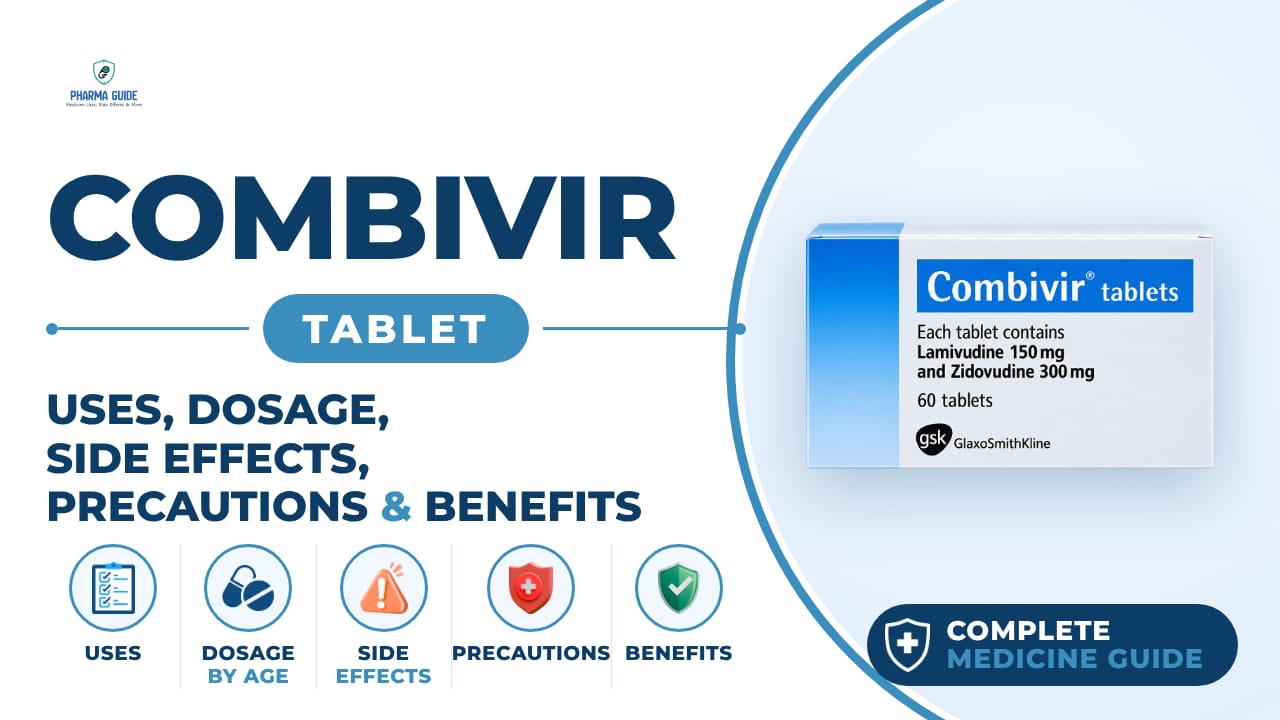
| Generic name | lamivudine and zidovudine |
|---|---|
| Drug class | Antiretroviral combination (nucleoside analogue reverse transcriptase inhibitors, NRTIs) |
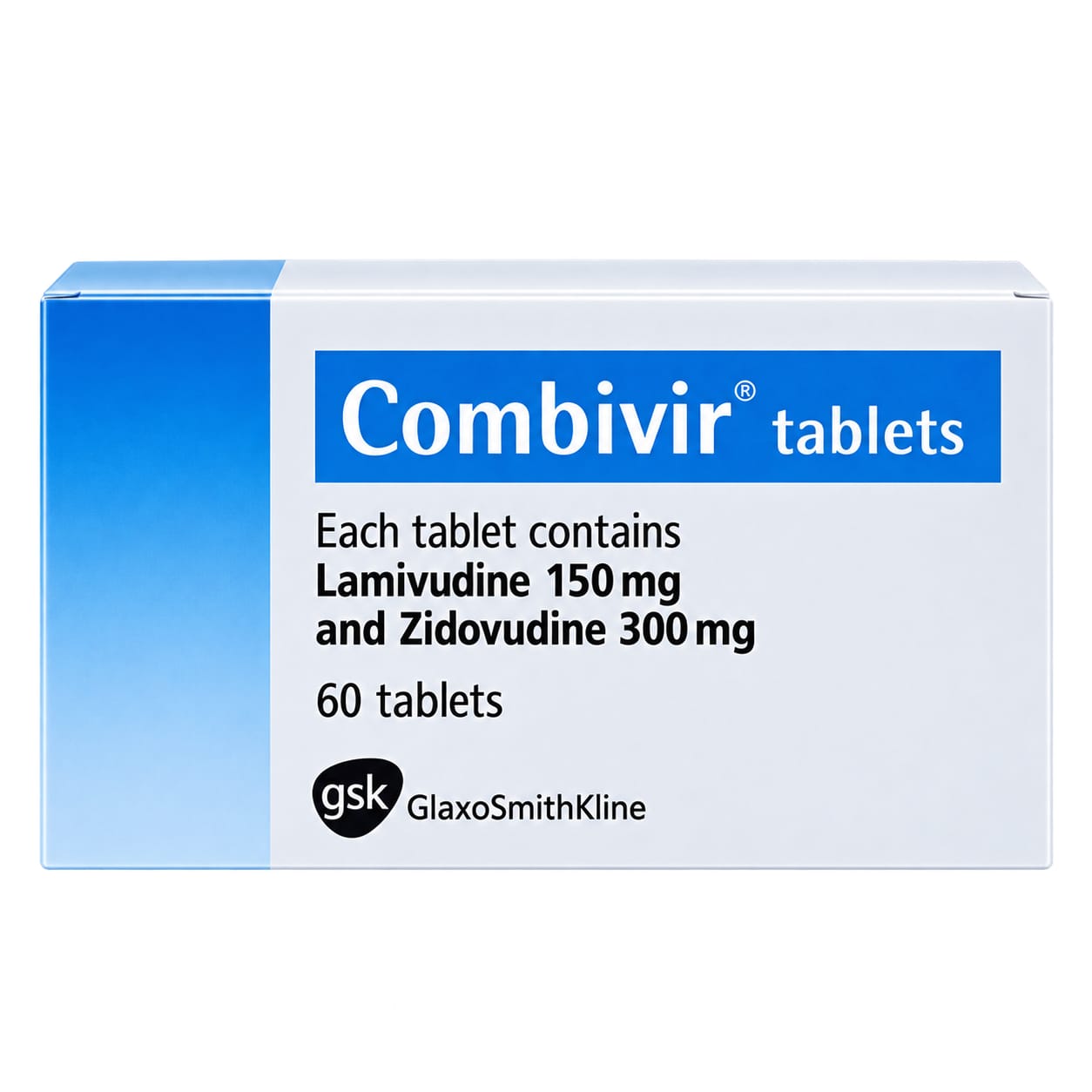
| Forms | Film-coated tablet (scored and unscored versions) |
Quick overview
Combivir is a combination antiretroviral medicine containing lamivudine and zidovudine. It is used together with other anti-HIV medicines to treat HIV infection. Combivir does not cure HIV, but it reduces the amount of virus in the body and helps protect the immune system.
What is Combivir Tablet
Combivir is a combination medicine containing two antiviral drugs, lamivudine and zidovudine, belonging to the antiretroviral combination class known as nucleoside analogue reverse transcriptase inhibitors (NRTIs). It is used together with other anti-HIV medicines to treat HIV infection. It does not cure HIV, but it reduces the amount of virus in the body and helps protect the immune system.
Combivir Tablet uses
- Treatment of HIV (human immunodeficiency virus) infection in adults and children, used in combination with other antiretroviral medicines
- Treats HIV-1 infection
- Helps reduce HIV viral load
- Helps maintain CD4 cell counts
- Blocks HIV reverse transcriptase
- Used as part of combination antiretroviral therapy
Benefits of Combivir Tablet
- Reduces the amount of HIV virus in the body and keeps it at a low level
- Increases the CD4 cell count, which helps the body fight infection
- Combined with zidovudine, reduces the risk of disease progression and death from HIV
How Combivir Tablet works
Lamivudine and zidovudine are converted inside cells into active forms that block an HIV enzyme needed to copy its genetic material, which stops the virus from multiplying.
Combivir Tablet dosage
Combivir can be taken with or without food. Swallow the tablet whole with water; try not to crush it so you get the full dose. If you cannot swallow tablets whole, the tablet may be crushed and mixed with a small amount of soft food or liquid, and the whole dose should be taken right away.
Take your doses at regular times, spacing adult doses about 12 hours apart. Keep taking this medicine every day as prescribed; do not stop without talking to your doctor, even if you feel well. If you forget a dose, take it as soon as you remember, then continue as before; do not take a double dose to make up for a missed one.
Combivir is not recommended for children weighing less than 14 kg, since the dose cannot be adjusted properly for their weight.
| Age group | Dose |
|---|---|
| Children/adolescents ≥30 kg | 1 tablet twice daily |
| 18–64 years | 1 tablet twice daily |
Available forms and strengths
- Film-coated tablet (scored and unscored versions)
Side effects of Combivir Tablet
Common
- Headache
- Nausea
- Vomiting
- Diarrhoea
- Stomach pain or cramps
- Loss of appetite
- Dizziness
- Tiredness, lack of energy
- Fever
- General feeling of being unwell
- Difficulty sleeping (insomnia)
- Muscle pain and discomfort
- Joint pain
- Cough
- Irritated or runny nose
- Skin rash
- Hair loss
Serious
- Low red blood cell count (anaemia)
- Low white blood cell count (neutropenia or leukopenia)
- Lactic acidosis (build-up of lactic acid in the blood)
- Liver problems including enlarged liver, fatty liver, or hepatitis
- Pancreatitis (inflammation of the pancreas)
- Serious allergic reaction with swelling of face, tongue or throat, causing difficulty swallowing or breathing
- Loss of body fat from the face, arms, legs and buttocks (lipoatrophy)
- Osteonecrosis (bone tissue damage from reduced blood supply)
- Muscle breakdown (rhabdomyolysis)
- Fits (convulsions)
- Heart muscle disease (cardiomyopathy)
- Failure of the bone marrow to make new blood cells (aplastic anaemia or pure red cell aplasia)
Warnings and precautions
- Combivir may cause a serious, sometimes fatal, condition called lactic acidosis with liver problems, especially in overweight women or those with liver disease.
- Zidovudine can cause serious blood problems such as anaemia and low white blood cell counts, especially in people with advanced HIV disease, so regular blood tests are needed.
- Combivir should not be combined with other medicines containing lamivudine, emtricitabine, or with stavudine, as this can reduce effectiveness or cause harm. People starting HIV treatment may develop inflammation from old hidden infections or new autoimmune conditions as their immune system recovers.
- Treatment can cause loss of body fat from the face, arms, legs and buttocks (lipoatrophy), which may not fully reverse even after stopping the medicine.
- Combining Combivir with ribavirin is not recommended because it increases the risk of anaemia.
- If you are pregnant, planning to become pregnant, or become pregnant while taking Combivir, talk to your doctor about the risks and benefits for you and your baby.
- Women with HIV are advised not to breastfeed because HIV can be passed to the baby through breast milk, and small amounts of the medicine also pass into breast milk.
- People with kidney disease may need separate lamivudine and zidovudine preparations instead of Combivir so the dose can be adjusted properly.
- People with liver problems, including hepatitis B or C, may need separate preparations instead of Combivir, and should be monitored closely; stopping lamivudine can cause hepatitis B to flare up.
- Caution is advised with alcohol, as alcohol use is a known risk factor for liver disease and for a bone condition called osteonecrosis that has been seen with combination HIV therapy.
- Combivir can cause dizziness, headache and tiredness, so do not drive or use machines until you know how it affects you.
Storage
- Do not store above 30°C
- Keep out of the sight and reach of children
- Do not use after the expiry date stated on the carton
- Do not throw away medicines via wastewater or household waste; ask your pharmacist how to dispose of medicines you no longer use
When to see a doctor
- Get medical help right away if you notice signs of a serious allergic reaction such as swelling of the face, tongue, or throat, or trouble breathing or swallowing.
- Seek medical help immediately if you have signs of lactic acidosis such as fast or difficult breathing, drowsiness, numbness or weakness in the limbs, nausea, vomiting, or stomach pain.
- Stop taking Combivir and contact your doctor immediately if you have signs of pancreatitis such as severe stomach pain, nausea or vomiting.
- Tell your doctor if you notice loss of fat from your legs, arms or face, as this may mean your HIV treatment needs to change.
- Tell your doctor if you develop joint aches, pain, stiffness, or difficulty moving, which may be signs of a bone problem called osteonecrosis.
- Tell your doctor immediately if you notice any symptoms of a new infection or unusual muscle weakness, palpitations, tremor, or hyperactivity after starting treatment.
Alternatives
- Abacavir + lamivudine
- Tenofovir + emtricitabine
- Dolutegravir-based regimens
Watch the video
FAQs
What is Combivir Tablet used for?
Combivir is used together with other anti-HIV medicines to treat HIV infection in adults and children. It does not cure HIV but reduces the amount of virus in the body and helps protect the immune system.
How should Combivir Tablet be taken?
Combivir can be taken with or without food. Swallow the tablet whole with water; if you cannot swallow it whole, it may be crushed and mixed with a small amount of soft food or liquid and taken right away. Doses should be spaced about 12 hours apart.
What are the common side effects of Combivir Tablet?
Common side effects include headache, nausea, vomiting, diarrhoea, stomach pain, loss of appetite, dizziness, tiredness, fever, insomnia, muscle and joint pain, cough, runny nose, skin rash, and hair loss.
What are the serious risks associated with Combivir Tablet?
Combivir may cause lactic acidosis, liver problems, low red or white blood cell counts, pancreatitis, serious allergic reactions, loss of body fat, osteonecrosis, muscle breakdown, fits, and heart muscle disease.
Can Combivir Tablet be taken during pregnancy or breastfeeding?
If pregnant or planning pregnancy, talk to your doctor about the risks and benefits. Women with HIV are advised not to breastfeed because HIV and small amounts of the medicine can pass into breast milk.
General information, not medical advice
Your prescriber and the leaflet in your pack know your situation. This page does not.
- Follow your prescriber and the leaflet
- Don't start, stop, or change a dose on your own
- Doses and warnings differ by country and product
Sources
Video
Related medicines

Injectafer Injection: Uses, Dosage, Side Effects, Precautions and Alternates
Iron products
Injectafer (ferric carboxymaltose) treats iron deficiency anemia and heart failure-related iron deficiency via IV. Learn uses, dosage, side effects, and

Gliclazide Tablet: Uses, Dosage, Side Effects, Precautions and Alternates
Sulfonylurea (hypoglycemic/antidiabetic agent)
Gliclazide Tablet is a sulfonylurea for type 2 diabetes that boosts insulin release. Learn about dosage, side effects, warnings, and precautions.