
Safety
General information, not medical advice
Your prescriber and the leaflet in your pack know your situation. This page does not.
- Follow your prescriber and the leaflet
- Don't start, stop, or change a dose on your own
- Doses and warnings differ by country and product
Corzide Tablet: Uses, Dosage, Side Effects, Precautions and Alternates
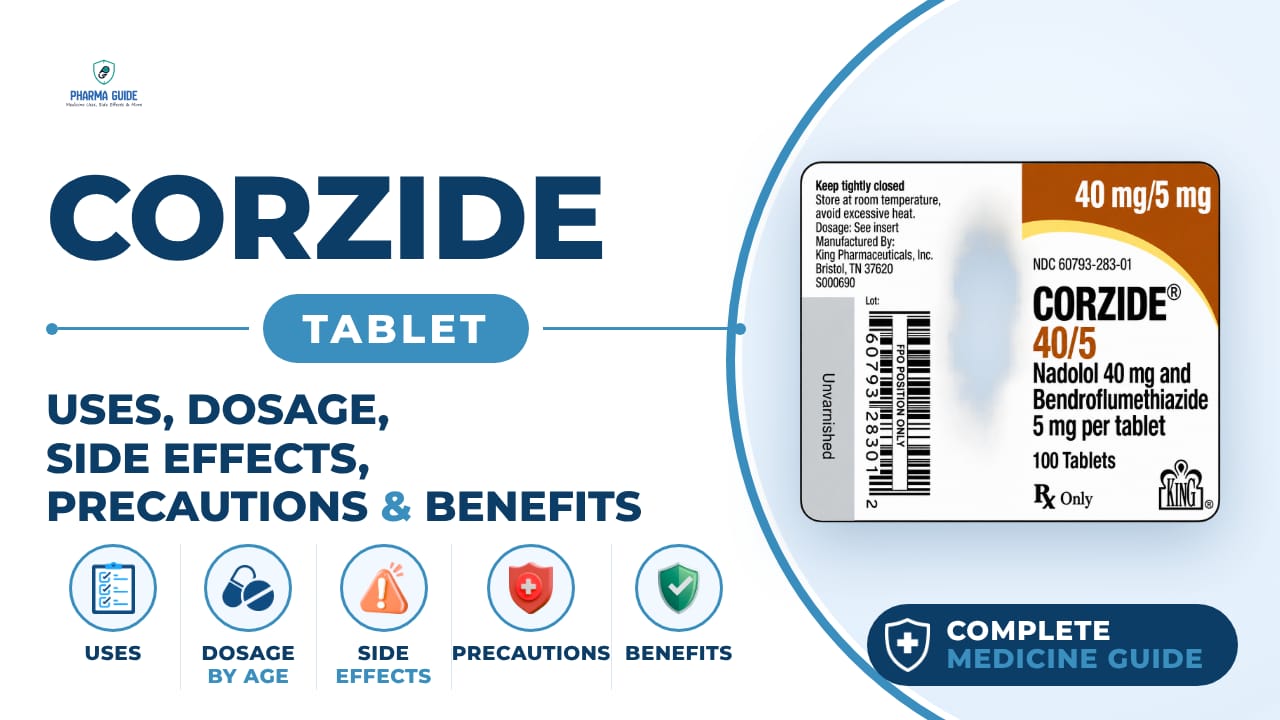
| Generic name | nadolol and bendroflumethiazide |
|---|---|
| Drug class | Beta blockers with thiazides |
| Forms | Tablet |
Quick overview
Corzide Tablet is a prescription combination medicine containing nadolol, a beta-blocker, and bendroflumethiazide, a thiazide water pill. It is used to treat high blood pressure in adults and may help lower the risk of serious heart and blood vessel problems such as strokes and heart attacks. The two ingredients work together to slow the heart rate, ease the heart's workload, and help the kidneys remove extra salt and water.
What is Corzide Tablet
Corzide is a prescription combination medicine with two ingredients: nadolol, a beta-blocker, and bendroflumethiazide, a thiazide water pill. It is used to treat high blood pressure.
Corzide Tablet uses
- Treating high blood pressure (hypertension) in adults
- Helping lower the risk of serious heart and blood vessel problems, such as strokes and heart attacks, by lowering blood pressure
Benefits of Corzide Tablet
- Lowering blood pressure can reduce the risk of fatal and nonfatal strokes and heart attacks
How Corzide Tablet works
One part of the medicine (nadolol) blocks certain receptors in the heart and blood vessels to slow the heart rate and ease the heart's workload. The other part (bendroflumethiazide) helps the kidneys remove extra salt and water from the body, which lowers the amount of fluid in the blood vessels.
Corzide Tablet dosage
Corzide can be taken with or without food. Follow all directions on your prescription label; your doctor may change your dose over time. Do not take in larger or smaller amounts or for longer than recommended.
Do not stop taking this medicine suddenly, even if you feel fine, because stopping abruptly can cause serious or life-threatening heart problems; your doctor will gradually lower your dose if you need to stop. Keep using this medicine as directed; high blood pressure often has no symptoms, and you may need treatment long-term.
Tell your doctor ahead of time if you need surgery or medical tests, since you may need to stop the medicine for a short time. If you miss a dose, take it as soon as you remember, but skip it if it is almost time for your next dose; do not take extra medicine to make up for a missed dose.
Not approved for use in anyone younger than 18 years old.
Use exactly as prescribed by your doctor or pharmacist.
Available forms and strengths
- Tablet
Side effects of Corzide Tablet
Common
- Dizziness or spinning sensation
- Lightheadedness
- Slow heartbeat
- Tiredness
- Nausea, vomiting, diarrhea, or constipation
- Upset stomach
- Blurred vision
- Depression
- Ringing in the ears
- Decreased sexual ability
Serious
- Fast, slow, or uneven heartbeat
- Numbness or cold feeling in hands and feet
- A light-headed feeling, like you might pass out
- Little or no urination
- Signs of an electrolyte imbalance: dry mouth, increased thirst, mood changes, confusion, vomiting, muscle pain or weakness, lack of energy, fast heartbeats, little or no urine
- Signs of an allergic reaction: hives, difficult breathing, swelling of face, lips, tongue, or throat
Warnings and precautions
- Do not stop taking this medicine suddenly. Stopping it abruptly can cause serious heart problems, worsening chest pain, or even a heart attack. If you need to stop, your doctor must lower your dose gradually over one to two weeks.
- This medicine can cause low potassium, low sodium, or dehydration due to its effects on body fluids and salts.
- This medicine may hide the warning signs of low blood sugar or may raise blood sugar levels in people with diabetes.
- This medicine can worsen or trigger heart failure, cause severely slow heartbeats, or trigger breathing spasms in people with asthma or similar lung conditions.
- You should not use this medicine if you have asthma, cannot urinate, or have certain serious heart conditions, including some types of heart block, uncontrolled heart failure, or slow heartbeats that have caused fainting.
- Avoid getting overheated or dehydrated during exercise or in hot weather, and be careful about how much fluid you drink, since too much or too little can both be unsafe.
- Get up slowly from sitting or lying down, since this medicine can make you feel dizzy or like you might faint, especially when standing up quickly.
- It is not known whether this medicine will harm an unborn baby. During pregnancy, it should be used only if your doctor decides it is needed, since it may harm the baby. Tell your doctor if you are pregnant or plan to become pregnant.
- This medicine can pass into breast milk and may harm a nursing baby. You should not breastfeed while using this medicine; talk with your doctor first.
- This medicine should be used carefully in people with kidney problems, since dose adjustments may be needed. People with kidney disease should tell their doctor before starting treatment.
- This medicine should be used carefully in people with liver problems or cirrhosis, since small changes in body fluid and salt levels could trigger serious liver complications.
- Drinking alcohol while taking this medicine can cause side effects, including a bigger drop in blood pressure when standing up.
Storage
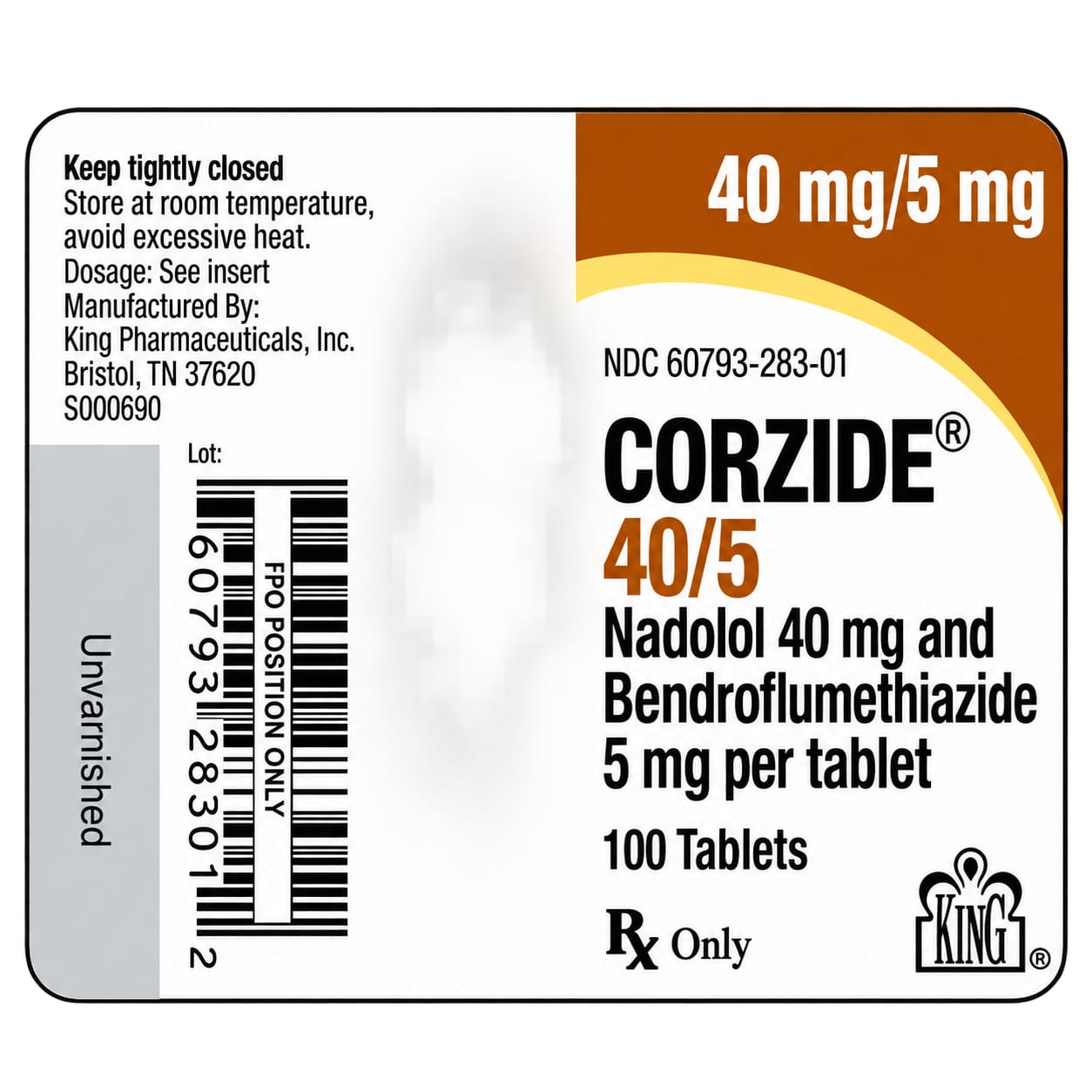
- Keep bottle tightly closed.
- Store at room temperature; avoid excessive heat.
- Store at room temperature away from moisture and heat. Keep the bottle tightly closed when not in use.
When to see a doctor
- Get emergency help right away if you have signs of an allergic reaction, such as hives, trouble breathing, or swelling of the face, lips, tongue, or throat.
- Call your doctor right away if you have a fast, slow, or uneven heartbeat; numbness or cold feeling in your hands and feet; a light-headed feeling like you might pass out; little or no urination; or signs of an electrolyte imbalance such as dry mouth, increased thirst, mood changes, confusion, vomiting, muscle pain or weakness, lack of energy, fast heartbeats, or little to no urine.
- If you think you have taken too much of this medicine, get emergency medical help right away, as an overdose can cause a slow heart rate, trouble breathing, extreme dizziness, or fainting.
Alternatives
- Amlodipine
- Bisoprolol-based therapy
- Atenolol-based antihypertensive therapy
- Nadolol plus a separate diuretic
Watch the video
FAQs
What is Corzide Tablet used for?
Corzide Tablet is used to treat high blood pressure (hypertension) in adults and may help lower the risk of serious heart and blood vessel problems, such as strokes and heart attacks, by lowering blood pressure.
How does Corzide Tablet work?
Nadolol blocks certain receptors in the heart and blood vessels to slow the heart rate and ease the heart's workload, while bendroflumethiazide helps the kidneys remove extra salt and water from the body, lowering fluid in the blood vessels.
Can I stop taking Corzide Tablet suddenly?
No, you should not stop taking this medicine suddenly, as doing so can cause serious or life-threatening heart problems, worsening chest pain, or even a heart attack. Your doctor will gradually lower your dose over one to two weeks if you need to stop.
What are the common side effects of Corzide Tablet?
Common side effects include dizziness, lightheadedness, slow heartbeat, tiredness, nausea, vomiting, diarrhea or constipation, upset stomach, blurred vision, depression, ringing in the ears, and decreased sexual ability.
Is Corzide Tablet safe during pregnancy or breastfeeding?
It is not known whether this medicine will harm an unborn baby, so it should be used during pregnancy only if your doctor decides it is needed. It can also pass into breast milk and may harm a nursing baby, so you should not breastfeed while using it.
General information, not medical advice
Your prescriber and the leaflet in your pack know your situation. This page does not.
- Follow your prescriber and the leaflet
- Don't start, stop, or change a dose on your own
- Doses and warnings differ by country and product
Sources
Video
Related medicines

Tenoretic Tablet: Uses, Dosage, Side Effects, Precautions and Alternates
Beta blockers with thiazides
Tenoretic Tablet combines atenolol and chlorthalidone to treat high blood pressure. Learn about its uses, dosage, side effects, and precautions.

Injectafer Injection: Uses, Dosage, Side Effects, Precautions and Alternates
Iron products
Injectafer (ferric carboxymaltose) treats iron deficiency anemia and heart failure-related iron deficiency via IV. Learn uses, dosage, side effects, and