
Safety
General information, not medical advice
Your prescriber and the leaflet in your pack know your situation. This page does not.
- Follow your prescriber and the leaflet
- Don't start, stop, or change a dose on your own
- Doses and warnings differ by country and product
Cyproterone Tablet: Uses, Dosage, Side Effects, Precautions and Alternates
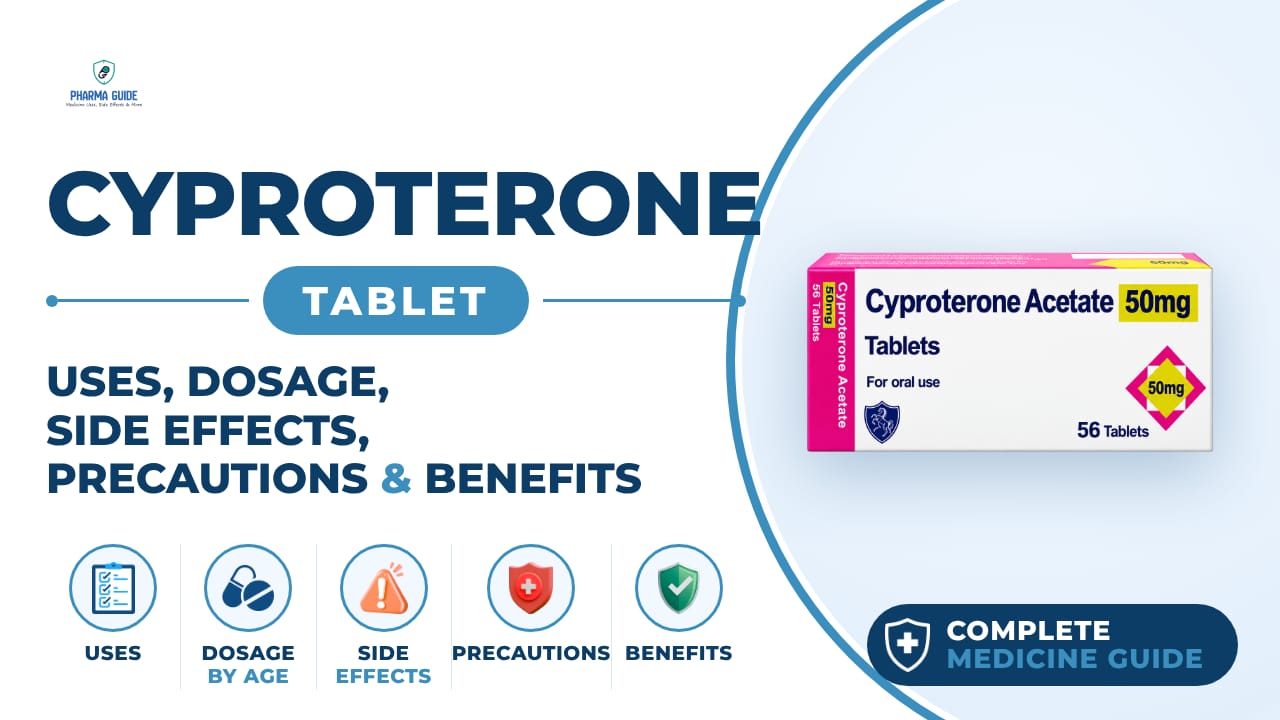
| Generic name | Cyproterone Acetate |
|---|---|
| Drug class | Antiandrogen |
| Forms | Tablets, 50 mg |
Quick overview
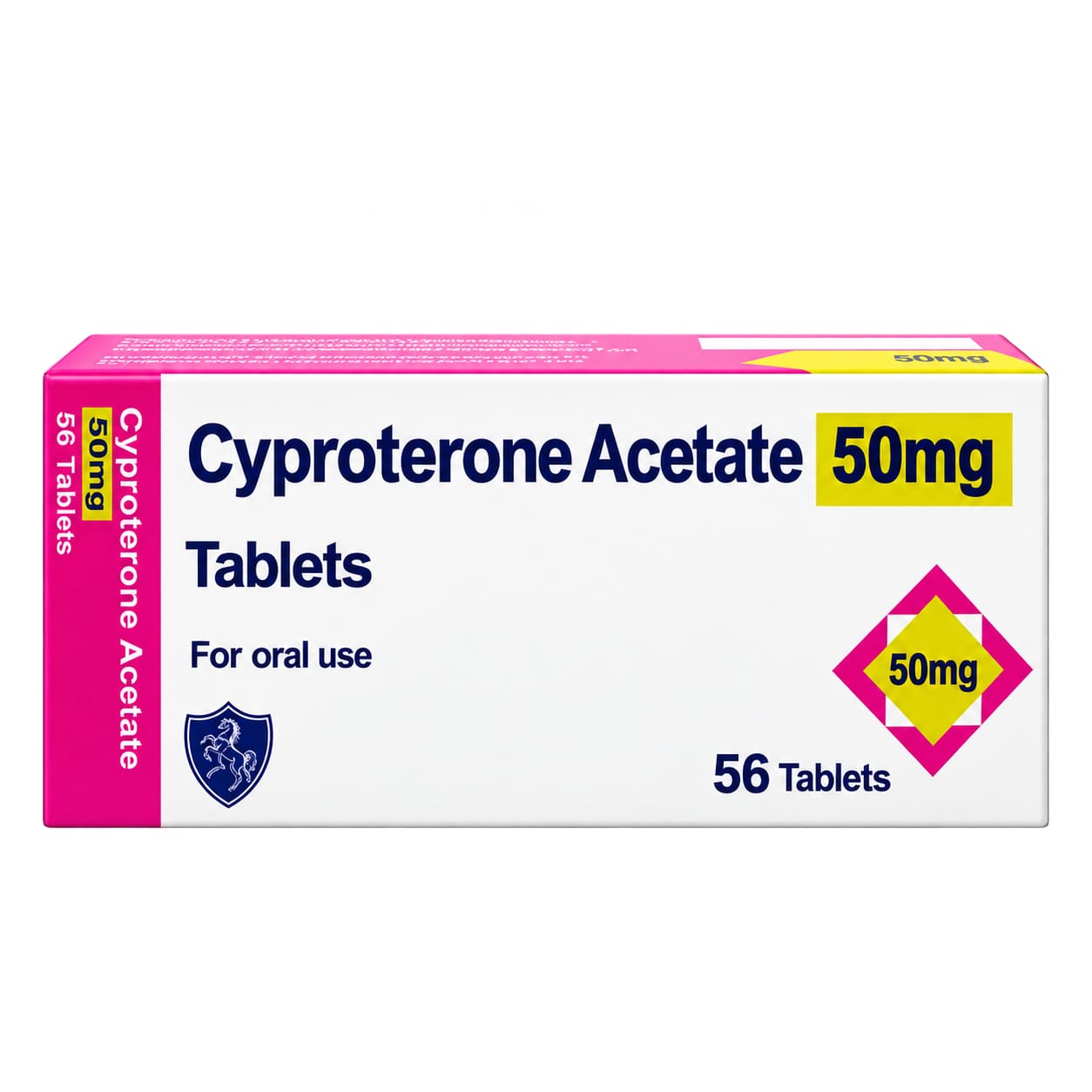
Cyproterone Tablet (Cyproterone Acetate) is an antiandrogen medicine available as a 50 mg tablet taken by mouth. It is used mainly for palliative treatment of advanced prostate cancer and certain androgen-dependent conditions. It works by blocking male hormone effects and lowering testosterone production. It is not meant for use in women, including during pregnancy or breastfeeding.
What is Cyproterone Tablet
Cyproterone is a steroid medicine that works as an antiandrogen, meaning it blocks the effects of male sex hormones. It comes as a 50 mg tablet taken by mouth.
Cyproterone Tablet uses
- Palliative (symptom-relieving) treatment of advanced prostate cancer, including reducing pain caused by the cancer
- Treats selected androgen-dependent conditions
- May treat severe hirsutism
- May be used for certain forms of androgen-related hair loss
Benefits of Cyproterone Tablet
- Can reduce pain linked to advanced prostate cancer
- Can shrink or stabilize the primary tumor in many patients
- Can reduce or stabilize metastases (spread of cancer) in some patients
- May improve quality of life, including weight gain and pain relief
How Cyproterone Tablet works
Cyproterone blocks male hormones (androgens) from attaching to cancer cells in the prostate, and also reduces the amount of testosterone the body makes. Because androgens can help prostate cancer grow, lowering their effect can help control the disease.
Cyproterone Tablet dosage
Take exactly as your doctor tells you to take it; do not take more than prescribed. Do not reduce your dose or stop taking this medicine unless your doctor tells you to. Each dose should be taken with liquid after meals. If you miss a dose, skip it and continue with your next scheduled dose — do not take two doses at the same time. Treatment should not be interrupted or the dose reduced just because symptoms improve, without your doctor's advice.
| Age group | Dose |
|---|---|
| Under 18 years | Safety and effectiveness are not established; no standard pediatric dose |
| 18–39 years | 0.5 mg twice daily initially |
| 40–64 years | 0.5 mg twice daily initially |
| 65–74 years | 0.5 mg twice daily initially |
Available forms and strengths
- Tablets, 50 mg
Side effects of Cyproterone Tablet
Common
- Constipation or diarrhea
- Depression
- Dizziness
- Fever or chills
- Frequent urination
- Hair loss or unusual increase in hair growth
- Headache
- Hot flashes
- Indigestion
- Nausea
- Shortness of breath
- Skin rash, blisters
- Skin discoloration
- Tiredness and weakness
- Unusual swelling of the arms, hands, legs, feet and ankles, face
- Vomiting
- Vision change
- Weight gain or weight loss
- Reduced sexual drive
- Inability to achieve or maintain an erection
- Reversible inhibition of sperm production
- Swelling of the breast, breast soreness (gynecomastia)
Serious
- Liver toxicity, liver inflammation (hepatitis), liver disease, liver failure: feeling unwell, fever, nausea, vomiting, loss of appetite, itching all over the body, yellowing of skin or eyes, light colored bowel movements, dark urine
- Blood clots: swelling of the calf or leg, chest pain and shortness of breath, sudden weakness, loss of coordination, slurred speech, temporary blindness
- Life-threatening internal bleeding (intra-abdominal hemorrhage): unusual upper abdominal pains that do not go away quickly
- Osteoporosis (thin, fragile bones): broken bones, pain, back pain worse when standing or walking
- Benign brain tumors (meningioma): constant headaches, seizures, hearing or vision problems, loss of coordination, difficulty concentrating, mood or personality changes
- Heart failure: shortness of breath, fatigue, swelling in ankles/legs/feet, cough, fluid retention, irregular heartbeat
- Allergic reaction: itchiness, rash, swelling, difficulty breathing
- Pancreatitis: upper abdominal pain, fever, rapid heartbeat, nausea, vomiting
- Anemia: fatigue, loss of energy, irregular heartbeat, pale skin, weakness
- Diabetes or increased blood sugar: excessive thirst, urination, eating, unexplained weight loss, poor wound healing, infections
- Thrombocytopenia (low blood platelets): bruising or prolonged bleeding
- Benign (non-cancerous) breast lump: pain, swelling, tenderness, nipple changes
- Galactorrhea (breast milk production): nipple discharge, headaches, vision problems
Warnings and precautions
- This medicine can cause serious liver damage, including liver failure, and should only be prescribed and managed by a doctor experienced in treating prostate cancer.
- Long-term use of this medicine together with surgical removal of the testicles or certain other prostate cancer drugs (GnRH agonists) may shorten life expectancy compared with surgery alone. Rarely, this medicine has been linked to benign and malignant liver tumors.
- Long-term use, especially at higher doses, raises the risk of a type of brain tumor called meningioma.
- This medicine may cause the cancer to grow rather than shrink in some patients if used when PSA levels are rising, a condition called antiandrogen withdrawal syndrome. This medicine is not for use in women, children under 18, or males who have not finished puberty, because it may negatively affect growth and hormone development.
- This medicine is not meant for use in women, including during pregnancy or breastfeeding.
- Caution is needed in people with kidney problems because a significant portion of the drug leaves the body through the kidneys, although specific studies have not been done.
- This medicine must not be used in people with liver disease or reduced liver function, since it can cause serious and sometimes fatal liver damage.
- Drinking alcohol while on this medicine is not recommended because it may reduce how well the medicine works.
- This medicine can cause tiredness and weakness, so be careful with driving or using machinery until you know how it affects you.
Storage
- Store at room temperature (15-30°C)
- Keep container tightly closed
- Keep out of reach and sight of children
- Do not take after the expiry date stated on the pack
- Medicines must not be disposed of via wastewater or household waste; ask your pharmacist how to dispose of medicine no longer needed
When to see a doctor
- Get medical help right away if you have signs of liver problems such as feeling unwell, fever, nausea, vomiting, loss of appetite, itching, yellowing of skin or eyes, pale stools, or dark urine.
- Get medical help right away if you have signs of a blood clot, such as swelling in the calf or leg, chest pain and shortness of breath, sudden weakness, loss of coordination, slurred speech, or sudden vision loss.
- Get medical help right away if you have severe upper abdominal pain that does not go away quickly, as this could signal life-threatening internal bleeding.
- If you think you or someone you are caring for has taken too much of this medicine, contact a healthcare professional, hospital emergency department, or regional poison control center immediately, even without symptoms.
- Tell your healthcare professional if you have a troublesome symptom or side effect that is not listed, or one that becomes severe enough to interfere with daily activities.
Alternatives
- Spironolactone
- Finasteride
- Dutasteride
Watch the video
FAQs
What is Cyproterone Tablet used for?
It is used mainly for palliative treatment of advanced prostate cancer, including reducing cancer-related pain, and for certain androgen-dependent conditions such as severe hirsutism and some forms of androgen-related hair loss.
How does Cyproterone Tablet work?
It blocks male hormones (androgens) from attaching to cancer cells in the prostate and reduces the amount of testosterone the body makes, which helps control prostate cancer since androgens can help it grow.
What is the dosage of Cyproterone Tablet?
Adults typically start with 0.5 mg twice daily, taken with liquid after meals, exactly as prescribed. Safety and effectiveness have not been established in those under 18 years.
What are the serious side effects of Cyproterone Tablet?
Serious risks include liver toxicity or failure, blood clots, life-threatening internal bleeding, osteoporosis, benign brain tumors (meningioma), heart failure, pancreatitis, anemia, diabetes, and thrombocytopenia.
Can women take Cyproterone Tablet?
No, this medicine is not meant for use in women, including during pregnancy or breastfeeding.
General information, not medical advice
Your prescriber and the leaflet in your pack know your situation. This page does not.
- Follow your prescriber and the leaflet
- Don't start, stop, or change a dose on your own
- Doses and warnings differ by country and product
Sources
Video
Related medicines

Injectafer Injection: Uses, Dosage, Side Effects, Precautions and Alternates
Iron products
Injectafer (ferric carboxymaltose) treats iron deficiency anemia and heart failure-related iron deficiency via IV. Learn uses, dosage, side effects, and

Gliclazide Tablet: Uses, Dosage, Side Effects, Precautions and Alternates
Sulfonylurea (hypoglycemic/antidiabetic agent)
Gliclazide Tablet is a sulfonylurea for type 2 diabetes that boosts insulin release. Learn about dosage, side effects, warnings, and precautions.