
Safety
General information, not medical advice
Your prescriber and the leaflet in your pack know your situation. This page does not.
- Follow your prescriber and the leaflet
- Don't start, stop, or change a dose on your own
- Doses and warnings differ by country and product
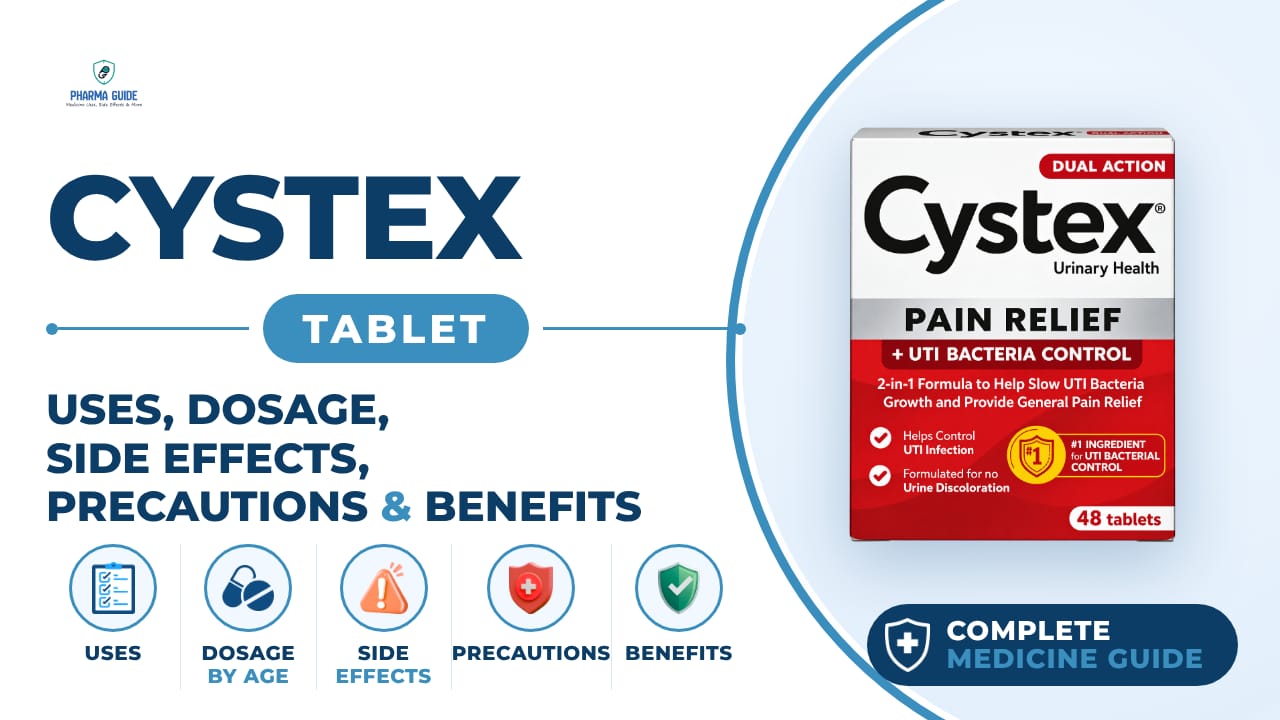
Cystex Tablet: Uses, Dosage, Side Effects, Precautions and Alternates
| Generic name | methenamine and sodium salicylate |
|---|---|
| Drug class | Urinary anti-infectives |
| Forms | Tablet |
Quick overview
Cystex Tablet is a combination medicine containing methenamine and sodium salicylate, belonging to the urinary anti-infectives class. It is used to relieve symptoms of bladder infection or irritation, such as painful or burning urination, urgency, and frequency. Methenamine helps slow bacterial growth while sodium salicylate relieves pain and inflammation. It is available as a tablet and should be used with plenty of water.
What is Cystex Tablet
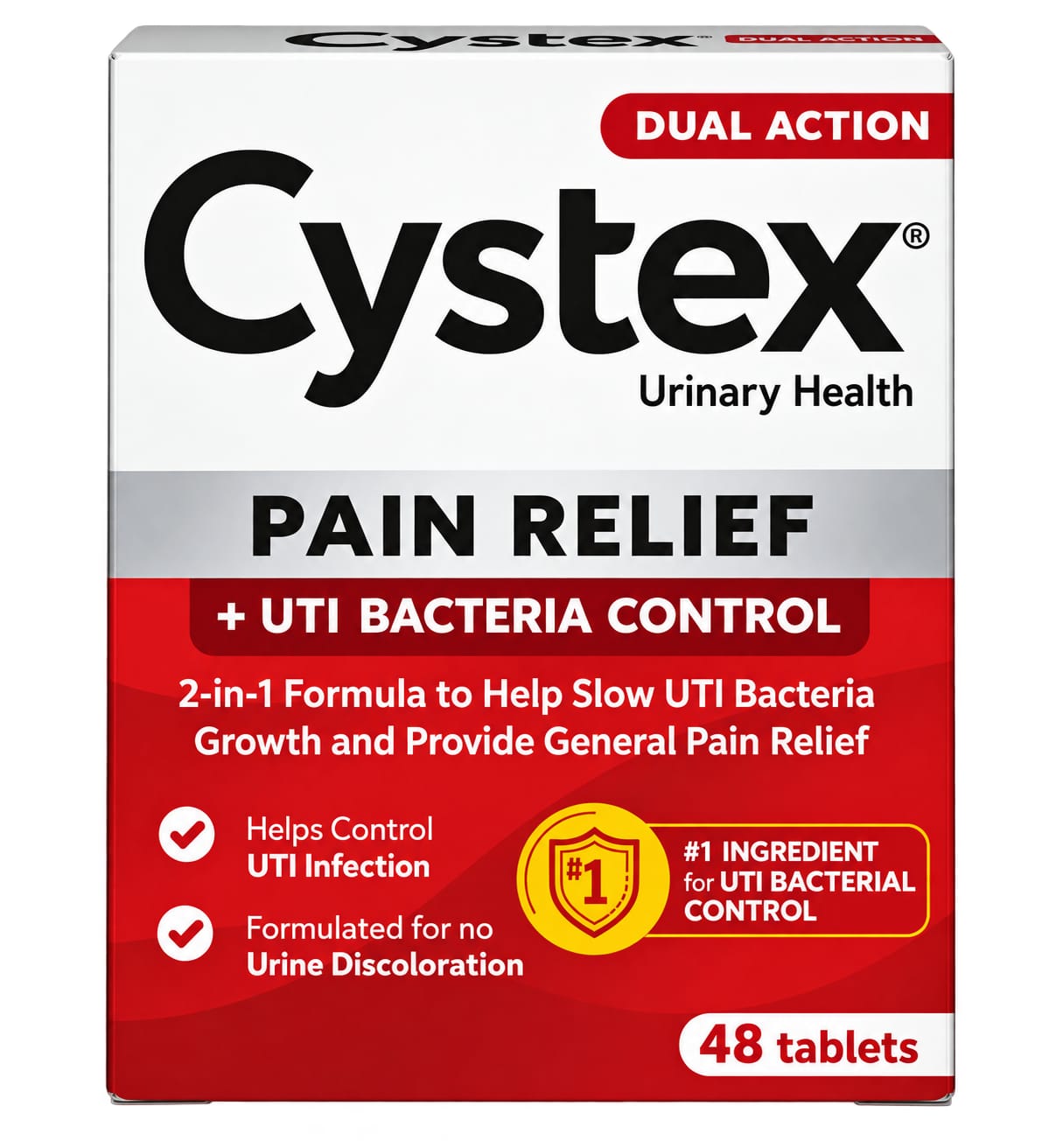
Cystex Urinary Pain Relief is a combination medicine with two active ingredients. Methenamine helps slow the growth of bacteria. Sodium salicylate is a pain reliever and NSAID (a nonsteroidal anti-inflammatory drug). Together they relieve symptoms of bladder infection or irritation, such as painful or burning urination.
Cystex Tablet uses
- Relieves symptoms of bladder infection or irritation, such as painful or burning urination
- Helps with an urgent or more frequent need to urinate
- May help slow the progress of a bladder infection while waiting to see a doctor
- Temporarily relieves urinary pain and burning
- Helps relieve urinary frequency
Benefits of Cystex Tablet
- Combines a pain-fighting analgesic with an antibacterial agent in one tablet
- Provides fast relief from lower urinary tract pain and burning
- Does not change the color of urine like some other over-the-counter UTI treatments
- Provides urinary pain relief
- Helps control burning and urgency
How Cystex Tablet works
Methenamine works against bacteria to help slow the growth and progression of infection in the urine. Sodium salicylate is a pain-relieving anti-inflammatory drug that eases urinary pain and burning.
Cystex Tablet dosage
Use exactly as directed on the label, or as prescribed by your doctor. Use the lowest dose that works for your condition. Take with a full glass of water and drink plenty of water each day. Call your doctor if your symptoms do not improve after 3 days. Do not give to a child younger than 12 without medical advice. If you miss a dose, take it as soon as you can, but skip it if it is almost time for your next dose — do not take two doses at once.
| Age group | Dose |
|---|---|
| Under 12 years | Ask a doctor before use; no standard OTC dose |
| 12–17 years | Label dose: 2 tablets with a full glass of water, 3 times daily |
| 18–39 years | 2 tablets, 3 times daily with a full glass of water |
| 40–64 years | 2 tablets, 3 times daily |
Available forms and strengths
- Tablet
Side effects of Cystex Tablet
Common
- Mild stomach upset or nausea
- Dizziness
Serious
- Ringing in the ears
- A light-headed feeling, like you might pass out
- New or worsening stomach pain
- Bloody or tarry stools, coughing up blood, or vomit that looks like coffee grounds
- Signs of an allergic reaction: sneezing, runny or stuffy nose, wheezing or trouble breathing, hives, swelling of face, lips, tongue, or throat
Warnings and precautions
- This medicine can increase your risk of fatal heart attack or stroke, even if you don't have any risk factors. Do not use it just before or after heart bypass surgery (coronary artery bypass graft, or CABG).
- This medicine may cause stomach or intestinal bleeding, which can be fatal. This can happen without warning, especially in older adults.
- Do not give this medicine to a child or teenager with a fever, flu symptoms, or chickenpox, since salicylates can cause Reye's syndrome, a serious and sometimes fatal condition in children.
- Do not use if you are allergic to methenamine, sodium salicylate, or aspirin.
- Ask a doctor before using this medicine if you are pregnant. If you are pregnant, you should not take it unless your doctor tells you to, since taking an NSAID during the last 20 weeks of pregnancy can cause serious heart or kidney problems in the unborn baby and possible complications with your pregnancy.
- Ask a doctor before using this medicine if you are breastfeeding.
- Kidney disease requires medical review before use.
- Ask a doctor or pharmacist if this medicine is safe to use if you have ever had cirrhosis or other liver disease.
- Avoid alcohol. Heavy drinking can increase your risk of stomach bleeding, and this risk is higher if you drink more than 3 alcoholic beverages per day.
- Cystex does not usually impair driving.
Storage
- Store at room temperature away from moisture, heat, and light
When to see a doctor
- Get emergency medical help if you have signs of an allergic reaction: sneezing, runny or stuffy nose, wheezing or trouble breathing, hives, or swelling of your face, lips, tongue, or throat.
- Stop using this medicine and call your doctor right away if you have ringing in your ears, a light-headed feeling like you might pass out, new or worsening stomach pain, or bloody or tarry stools, coughing up blood, or vomit that looks like coffee grounds.
- Call your doctor if your symptoms do not improve after 3 days.
- If you think you have overdosed, seek emergency medical attention or contact your local poison control center.
Alternatives
- Azo Urinary Pain Relief
- Phenazopyridine
- Uristat
Watch the video
FAQs
What is Cystex Tablet used for?
Cystex Tablet relieves symptoms of bladder infection or irritation, such as painful or burning urination, urgency, and frequent urination. It may also help slow the progress of a bladder infection while waiting to see a doctor.
How does Cystex Tablet work?
Methenamine works against bacteria to help slow the growth and progression of infection in the urine, while sodium salicylate is a pain-relieving anti-inflammatory drug that eases urinary pain and burning.
What is the dosage of Cystex Tablet for adults?
For ages 12 and above, the label dose is 2 tablets with a full glass of water, 3 times daily. It should be used exactly as directed, with plenty of water, and you should call your doctor if symptoms do not improve after 3 days.
What are the side effects of Cystex Tablet?
Common side effects include mild stomach upset, nausea, and dizziness. Serious side effects include ringing in the ears, light-headedness, new or worsening stomach pain, bloody or tarry stools, and signs of an allergic reaction.
Can children take Cystex Tablet?
Cystex Tablet should not be given to a child younger than 12 without medical advice. It should also not be given to a child or teenager with a fever, flu symptoms, or chickenpox due to the risk of Reye's syndrome.
General information, not medical advice
Your prescriber and the leaflet in your pack know your situation. This page does not.
- Follow your prescriber and the leaflet
- Don't start, stop, or change a dose on your own
- Doses and warnings differ by country and product
Sources
Video
Related medicines

Injectafer Injection: Uses, Dosage, Side Effects, Precautions and Alternates
Iron products
Injectafer (ferric carboxymaltose) treats iron deficiency anemia and heart failure-related iron deficiency via IV. Learn uses, dosage, side effects, and

Gliclazide Tablet: Uses, Dosage, Side Effects, Precautions and Alternates
Sulfonylurea (hypoglycemic/antidiabetic agent)
Gliclazide Tablet is a sulfonylurea for type 2 diabetes that boosts insulin release. Learn about dosage, side effects, warnings, and precautions.