
Safety
General information, not medical advice
Your prescriber and the leaflet in your pack know your situation. This page does not.
- Follow your prescriber and the leaflet
- Don't start, stop, or change a dose on your own
- Doses and warnings differ by country and product
Cytotec Tablet: Uses, Dosage, Side Effects, Precautions and Alternates
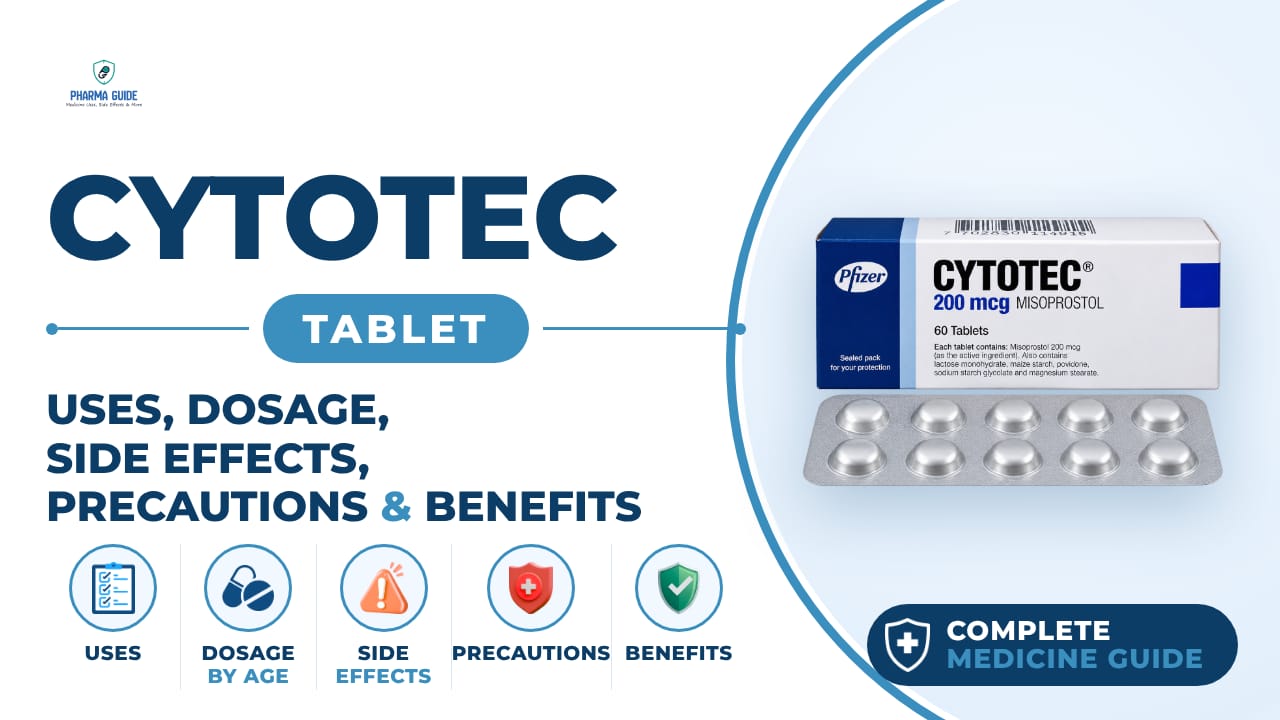
| Generic name | Misoprostol |
|---|---|
| Drug class | Prostaglandin E1 analog / anti-ulcer agent |
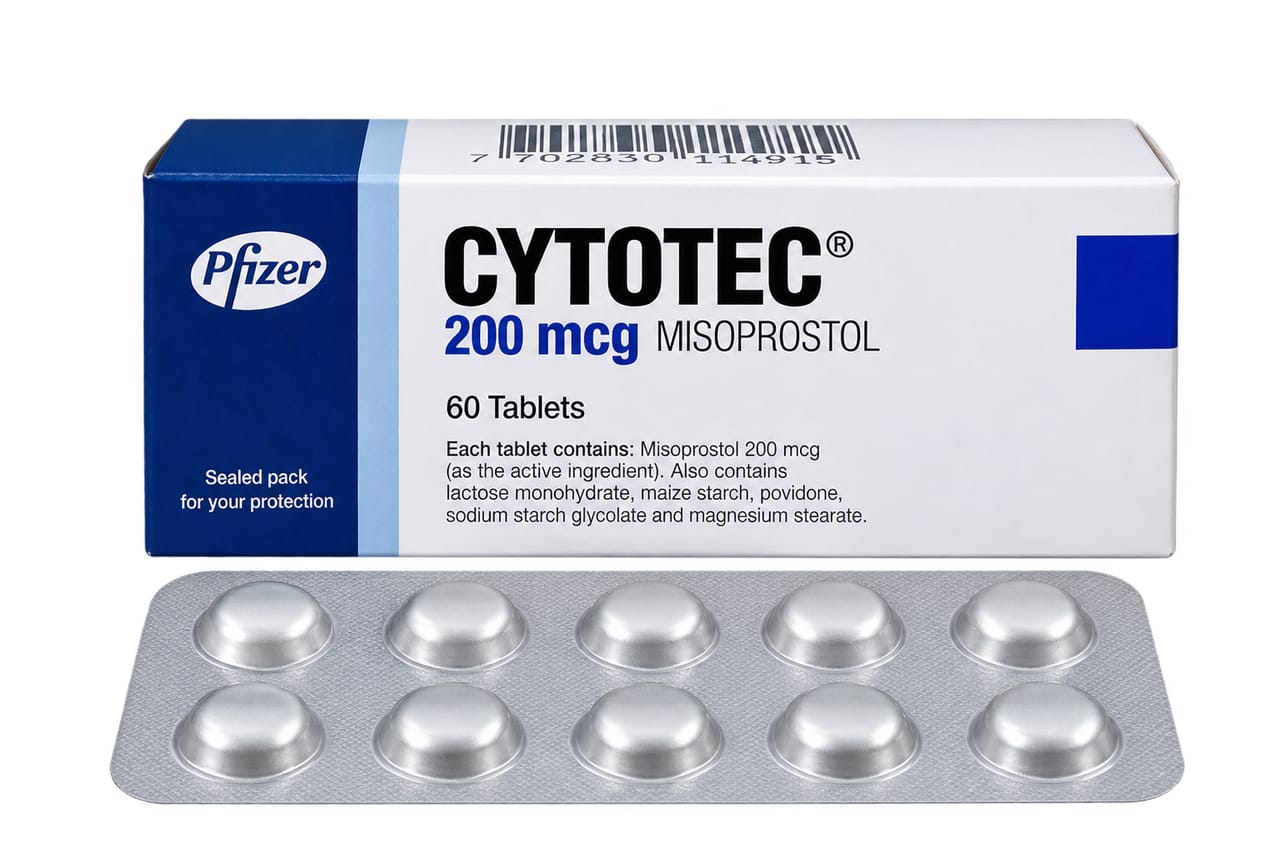
| Forms | Tablet (100 mcg and 200 mcg) |
Quick overview
Cytotec Tablet contains misoprostol, a prostaglandin E1 analog used as an anti-ulcer agent. It is used to prevent and treat stomach and duodenal ulcers, including those caused by NSAID pain medicines, and to help prevent stress-related stomach bleeding after surgery. It works by acting like a natural prostaglandin, reducing stomach acid and helping protect the stomach lining. Cytotec must not be used during pregnancy because of serious risks to the pregnancy.
What is Cytotec Tablet
Cytotec is a tablet medicine containing misoprostol, a substance similar to a natural body chemical called prostaglandin. Prostaglandins are made in the stomach and intestine and help protect their lining.
Cytotec Tablet uses
- Preventing stomach ulcers caused by NSAID pain medicines (like aspirin, ibuprofen, diclofenac, naproxen) in people at high risk
- Treating existing stomach (gastric) ulcers
- Treating duodenal ulcers (ulcers in the first part of the small intestine)
- Treating erosive gastroduodenitis linked to peptic ulcer disease
- Preventing stress-related stomach bleeding in hospital patients after surgery
Benefits of Cytotec Tablet
- Helps replace prostaglandins lost during NSAID use, protecting the stomach and intestine lining
- Reduces stomach acid and increases bicarbonate in stomach secretions, which helps protect against ulcers
- Can help heal existing stomach and duodenal ulcers
How Cytotec Tablet works
Cytotec acts like a natural prostaglandin in the body. It reduces the amount of acid the stomach makes and helps strengthen the stomach lining so it can better resist damage from acid and NSAID medicines.
Cytotec Tablet dosage
Take Cytotec with food; do not take it on an empty stomach. For preventing NSAID-related ulcers, the medicine is usually taken several times a day along with the NSAID, as directed by your doctor. Taking the last dose of the day at bedtime can help reduce the chance of diarrhea. Avoid taking antacids that contain magnesium while using Cytotec, as these can make diarrhea worse; aluminum-containing antacids may be used if needed.
If you forget a dose, take it as soon as you remember, but skip it if it is almost time for your next dose — do not double up. This medicine is only meant for adults; it has not been studied in children. Do not share this medicine with anyone else, especially women who could become pregnant.
| Age group | Dose |
|---|---|
| Under 18 years | Not recommended |
| 18–64 years | 200 mcg, 4 times/day |
| 65+ years | 200 mcg, 4 times/day |
Available forms and strengths
- Tablet (100 mcg and 200 mcg)
Side effects of Cytotec Tablet
Common
- Diarrhea
- Abdominal pain or stomach pain
- Nausea or vomiting
- Flatulence (wind)
- Indigestion/dyspepsia
- Constipation
- Headache
- Dizziness
- Skin rash
- Menstrual problems such as spotting or heavier bleeding
Serious
- Severe allergic reaction (anaphylaxis) with swelling of face, lips, tongue, or throat, and difficulty breathing
- Swelling of the hands and feet
- Prolonged, heavy, or painful vaginal bleeding
- Abnormal or severe contractions of the womb
- Tearing of the womb (uterine rupture), especially in pregnancy
- Severe or prolonged diarrhea leading to dehydration
- Vaginal bleeding in women past menopause
- High fever, chills
Warnings and precautions
- Cytotec must not be taken by women who are pregnant or trying to become pregnant. It can cause miscarriage, premature birth, birth defects, or tearing of the womb, which can lead to dangerous bleeding, surgery, infertility, or death. Women who could become pregnant should use effective contraception while taking this medicine and for at least one month after stopping it.
- Cytotec passes into breast milk and can cause diarrhea in a breastfeeding baby. It should not be used while breastfeeding.
- People with kidney problems don't usually need a different dosing schedule, but the dose may need to be lowered if the usual dose causes side effects.
- Tell your doctor if you drink alcohol while taking this medicine.
- This medicine can cause dizziness, so be careful driving or using machinery until you know how it affects you.
- Do not give this medicine to anyone else, even if their symptoms seem similar to yours, because it could be dangerous, particularly if they become pregnant.
- The risk of the womb tearing (uterine rupture) is higher later in pregnancy and in women who have had previous uterine surgery such as a cesarean delivery.
- Do not use Cytotec to lower the risk of NSAID-related ulcers if you are pregnant.
- Use caution if you have heart or blood vessel disease, since this medicine should be used carefully in these patients.
- People with inflammatory bowel disease, or anyone for whom dehydration would be dangerous, should be watched carefully while taking this medicine.
- Avoid taking magnesium-containing antacids with this medicine, as they can make diarrhea worse.
Storage
- Store at or below 25°C (77°F) in a dry area, away from moisture, heat, or sunlight
- Keep the tablets in their blister pack until it is time to take them
- Keep out of the reach and sight of children
- Do not use after the expiry date
- Do not throw away unused medicine via wastewater or household trash; take it to a pharmacy for safe disposal
When to see a doctor
- Get emergency medical help right away if you have swelling of the face, lips, tongue, or throat, or difficulty breathing — these may be signs of a serious allergic reaction.
- Tell your doctor immediately if you have prolonged heavy or painful bleeding, or abnormal contractions of the womb.
- If you think you have taken too much Cytotec, seek urgent medical attention even if you feel fine, as overdose can cause drowsiness, tremors, seizures, breathing trouble, stomach pain, diarrhea, fever, palpitations, low blood pressure, or slow heartbeat.
- If you become pregnant while taking this medicine, stop taking it and contact your doctor immediately.
- Call your doctor if diarrhea, stomach pain, or cramping lasts more than about a week or is severe.
Alternatives
- Famotidine
- Pantoprazole
- Omeprazole
Watch the video
FAQs
What is Cytotec Tablet used for?
Cytotec is used to prevent NSAID-related stomach ulcers in high-risk people, treat existing stomach and duodenal ulcers, treat erosive gastroduodenitis linked to peptic ulcer disease, and prevent stress-related stomach bleeding after surgery.
How should I take Cytotec Tablet?
Take Cytotec with food, not on an empty stomach. For preventing NSAID-related ulcers, it is usually taken several times a day along with the NSAID as directed by your doctor, with the last dose at bedtime to help reduce diarrhea.
Can Cytotec Tablet be used during pregnancy?
No, Cytotec must not be used during pregnancy as it can cause miscarriage, premature birth, birth defects, or tearing of the womb. Women who could become pregnant should use effective contraception while taking it and for at least one month after stopping.
What are the common side effects of Cytotec Tablet?
Common side effects include diarrhea, abdominal pain, nausea or vomiting, flatulence, indigestion, constipation, headache, dizziness, skin rash, and menstrual problems such as spotting or heavier bleeding.
Can I take antacids with Cytotec Tablet?
Avoid magnesium-containing antacids while using Cytotec, as they can worsen diarrhea; aluminum-containing antacids may be used if needed.
General information, not medical advice
Your prescriber and the leaflet in your pack know your situation. This page does not.
- Follow your prescriber and the leaflet
- Don't start, stop, or change a dose on your own
- Doses and warnings differ by country and product
Sources
Video
Related medicines

Injectafer Injection: Uses, Dosage, Side Effects, Precautions and Alternates
Iron products
Injectafer (ferric carboxymaltose) treats iron deficiency anemia and heart failure-related iron deficiency via IV. Learn uses, dosage, side effects, and

Gliclazide Tablet: Uses, Dosage, Side Effects, Precautions and Alternates
Sulfonylurea (hypoglycemic/antidiabetic agent)
Gliclazide Tablet is a sulfonylurea for type 2 diabetes that boosts insulin release. Learn about dosage, side effects, warnings, and precautions.