
Safety
General information, not medical advice
Your prescriber and the leaflet in your pack know your situation. This page does not.
- Follow your prescriber and the leaflet
- Don't start, stop, or change a dose on your own
- Doses and warnings differ by country and product
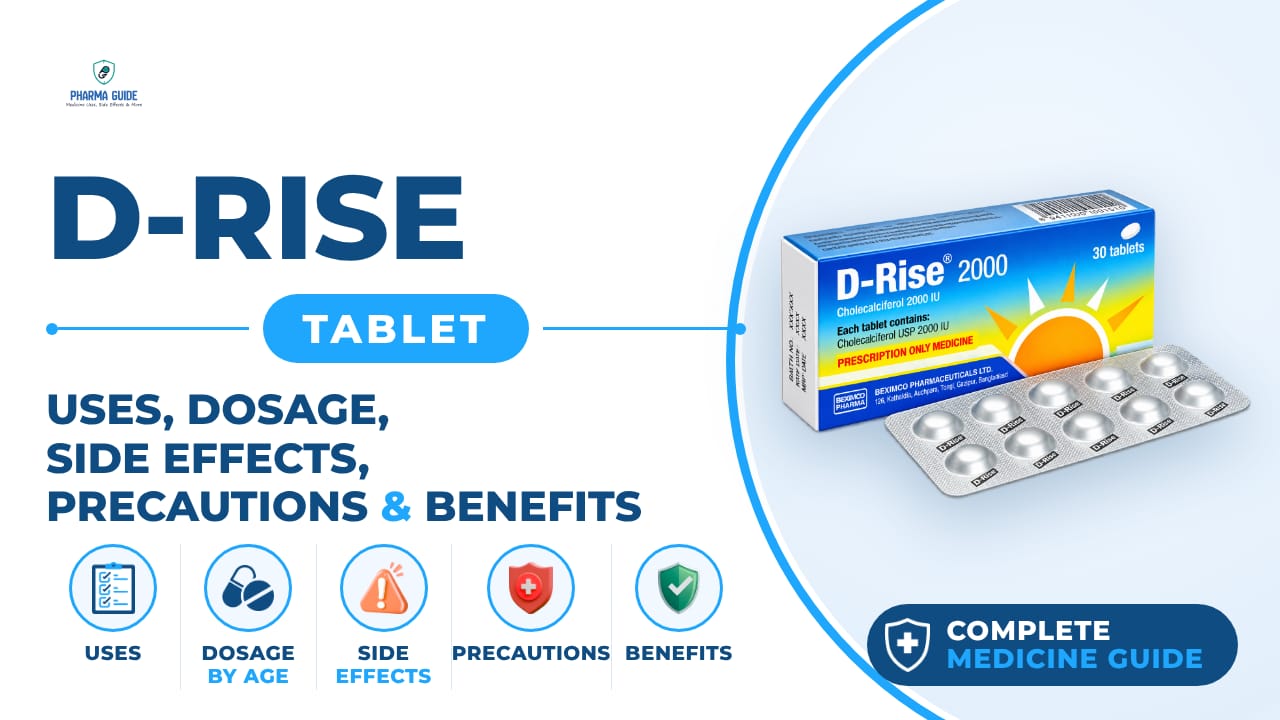
D-Rise Tablet: Uses, Dosage, Side Effects, Precautions and Alternates
| Generic name | Cholecalciferol (Vitamin D3) |
|---|---|
| Drug class | Vitamins |
| Forms | Capsule, Granules |
Quick overview
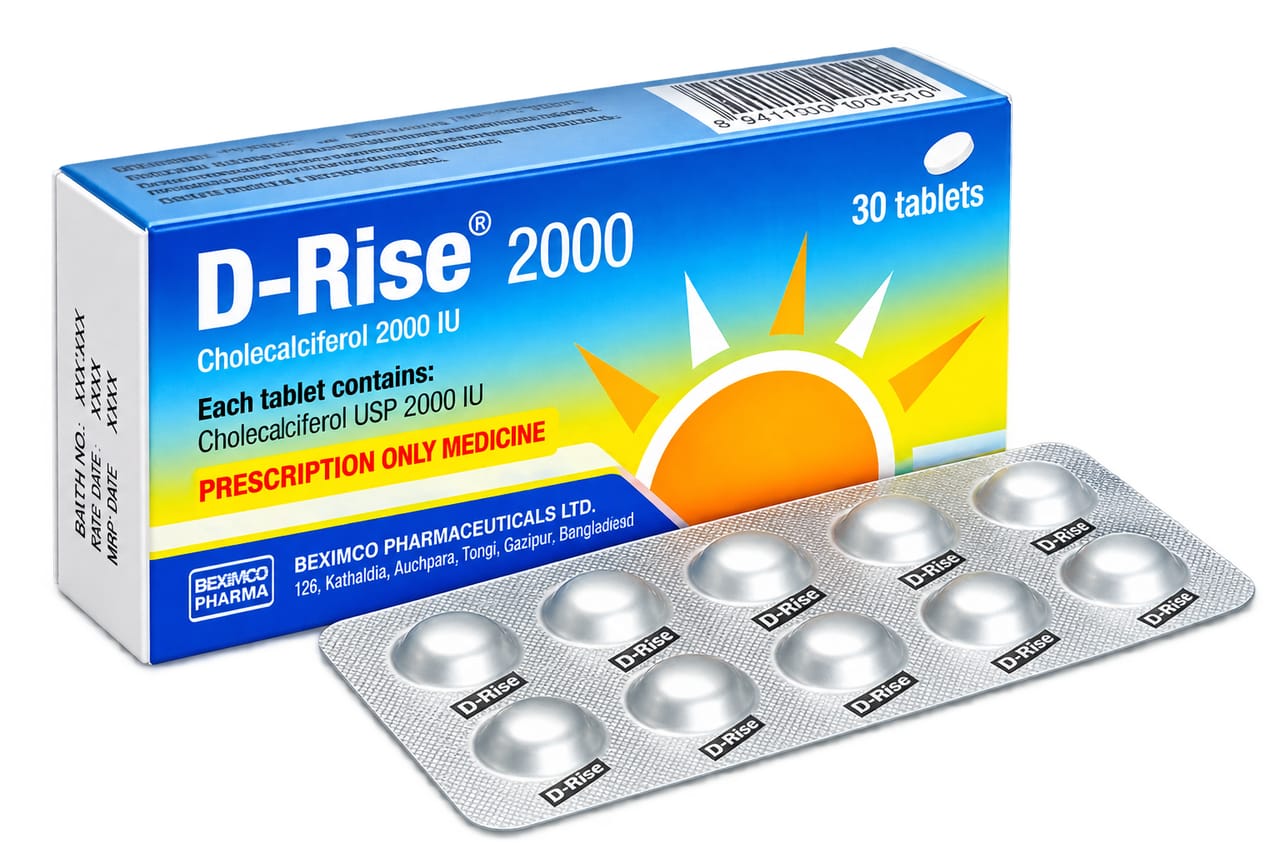
D-Rise Tablet contains Cholecalciferol (Vitamin D3) and belongs to the Vitamins drug class. It is a supplement that helps in the normal functioning of the body and supports the absorption of calcium and phosphorus into the blood. It is used for the prevention and treatment of Vitamin D3 deficiency.
What is D-Rise Tablet
D-Rise Tablet is a supplement that helps in the normal functioning of your body. It also helps in the absorption of calcium and phosphorus into your blood. It is used in the prevention and treatment of vitamin D3 deficiency.
D-Rise Tablet uses
- Vitamin D deficiency
- Osteoporosis
- Hypoparathyroidism
- Osteomalacia and Rickets (bone disease due to Vitamin D deficiency)
Benefits of D-Rise Tablet
- Helps manage vitamin D deficiency
- Supports bone health
- May help with hypoparathyroidism
- Promotes muscle function
- Assists in enhancing calcium absorption
How D-Rise Tablet works
This medicine works by helping your body absorb more calcium and phosphorus into the blood, which supports normal body function.
D-Rise Tablet dosage
Take this medicine as prescribed by your doctor. Take it preferably with a meal to help your body absorb vitamin D3. Do not break, crush, or chew the medicine. Try taking it at the same time every day to help you remember. Do not stop taking this medicine without consulting your doctor first. Follow all instructions in the leaflet and inform your doctor of any other medicines or conditions before use.
| Age group | Dose |
|---|---|
| Under 12 Years | Use only if prescribed by a doctor |
| 12–17 Years | Dose depends on vitamin D level and medical advice |
| Adults (18–64 Years) | Common maintenance dose: 1,000–2,000 IU daily, depending on vitamin D status |
| Older Adults (65+ Years) | Common maintenance dose: 800–2,000 IU daily, as advised |
Available forms and strengths
- Capsule
- Granules
Side effects of D-Rise Tablet
Common
- Constipation
- Confusion
- Nausea
- Vomiting
- Stomach pain
- Increased blood calcium levels
- Increased calcium levels in urine
Serious
- Skin rash, hives, or itching
- Signs of allergic reaction such as swelling of face, lips, or throat, or difficulty breathing
Warnings and precautions
The effect of this medicine during pregnancy is not known. Talk to your doctor if you are pregnant before taking it. This medicine may pass into breast milk. Talk to your doctor before taking it if you are breastfeeding.
Use this medicine with caution if you have kidney problems, as it may change how the medicine works in your body. It is not recommended if you have kidney stones. It is not known how this medicine interacts with alcohol. Ask your doctor before drinking alcohol while taking it.
- Do not use this medicine if you have high calcium levels in your body, as it may worsen your condition.
- Do not use this medicine if you have abnormally high levels of Vitamin D3 in your body, as it could build up to toxic levels.
- Do not use this medicine if you have kidney stones, as it may increase the risk of developing more stones.
- Do not use if you are allergic to this medicine.
- Not recommended if you have conditions that reduce nutrient absorption from your stomach and intestines, since it may lower how well the medicine works.
- Use with caution if you have an irregular heartbeat (arrhythmia), as this medicine may worsen the condition.
- Tell your doctor about all medicines, herbs, and supplements you take, since this medicine can interact with others and increase the risk of side effects.
Storage
- Store below 30°C.
- Keep it away from children and pets.
- Do not take after the date of expiry.
When to see a doctor
- Get medical help right away if you notice signs of an allergic reaction like skin rash, swelling, or itching (especially of the face, lips, or throat), or difficulty breathing.
- Contact your doctor if you think you have taken too much of this medicine.
Alternatives
- Calcirol
- Cholecalciferol
- Ostocalcium
Watch the video
FAQs
What is D-Rise Tablet used for?
D-Rise Tablet is used for the prevention and treatment of Vitamin D3 deficiency. It is also used for osteoporosis, hypoparathyroidism, and osteomalacia and rickets, which are bone diseases caused by Vitamin D deficiency.
How does D-Rise Tablet work?
D-Rise Tablet works by helping your body absorb more calcium and phosphorus into the blood, which supports normal body function.
What is the common dosage of D-Rise Tablet for adults?
For adults aged 18–64 years, the common maintenance dose is 1,000–2,000 IU daily, depending on vitamin D status. It should be taken as prescribed by a doctor, preferably with a meal.
What are the common side effects of D-Rise Tablet?
Common side effects include constipation, confusion, nausea, vomiting, stomach pain, increased blood calcium levels, and increased calcium levels in urine.
Who should avoid taking D-Rise Tablet?
D-Rise Tablet should be avoided by people with high calcium levels, abnormally high Vitamin D3 levels, kidney stones, or an allergy to the medicine. It should also be used with caution in those with kidney problems or irregular heartbeat.
General information, not medical advice
Your prescriber and the leaflet in your pack know your situation. This page does not.
- Follow your prescriber and the leaflet
- Don't start, stop, or change a dose on your own
- Doses and warnings differ by country and product
Sources
- https://www.practo.com/medicine-info/d-rise-60k-60000-iu-capsule-23433
- https://www.truemeds.in/medicine/d-rise-60k-softgel-capsule-4-TM-SOLE1-000007
- https://pubchem.ncbi.nlm.nih.gov/compound/5280795
- https://www.medicines.org.uk/emc/product/7247/smpc#CLINICAL_PRECAUTIONS
- https://dailymed.nlm.nih.gov/dailymed/drugInfo.cfm?setid=47f0aefe-5494-4a44-a71f-8d4ad345f7c0
Video
Related medicines
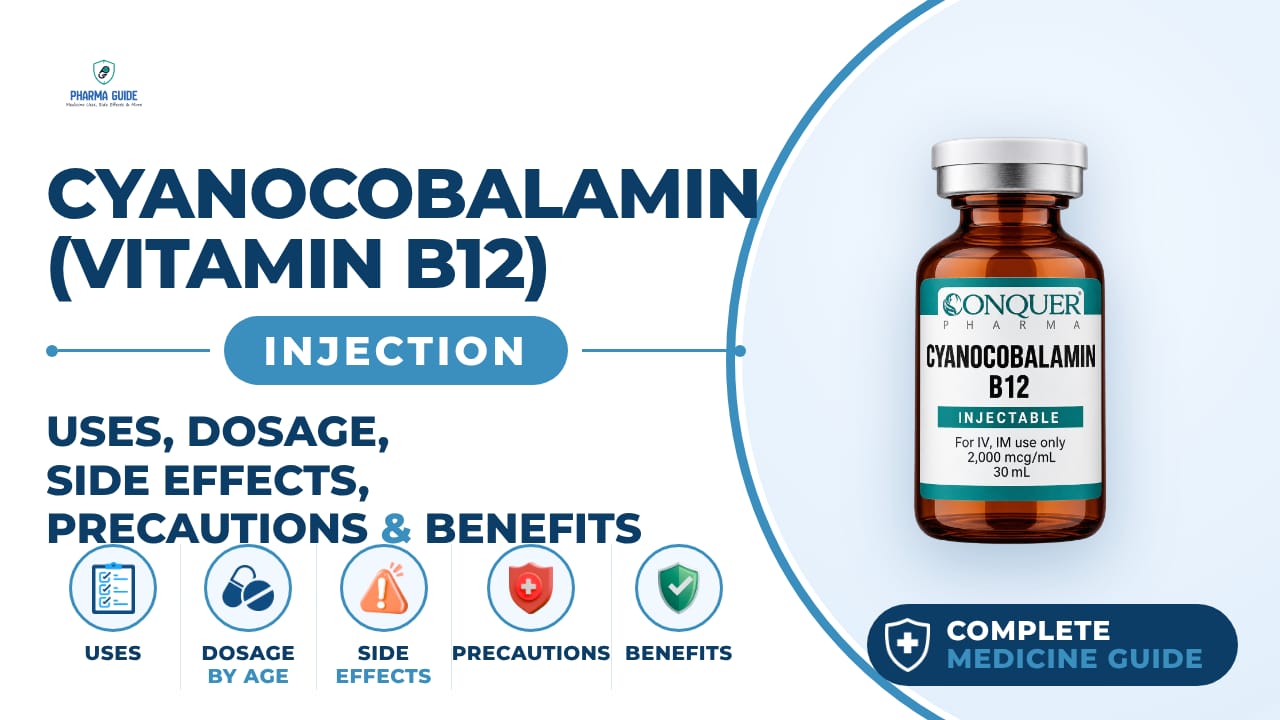
Cyanocobalamin (Vitamin B12) Injection: Uses, Dosage, Side Effects, Precautions and Alternates
Vitamins
Cyanocobalamin (Vitamin B12) Injection treats and prevents B12 deficiency and pernicious anemia, supporting nerve, blood cell, and DNA health.
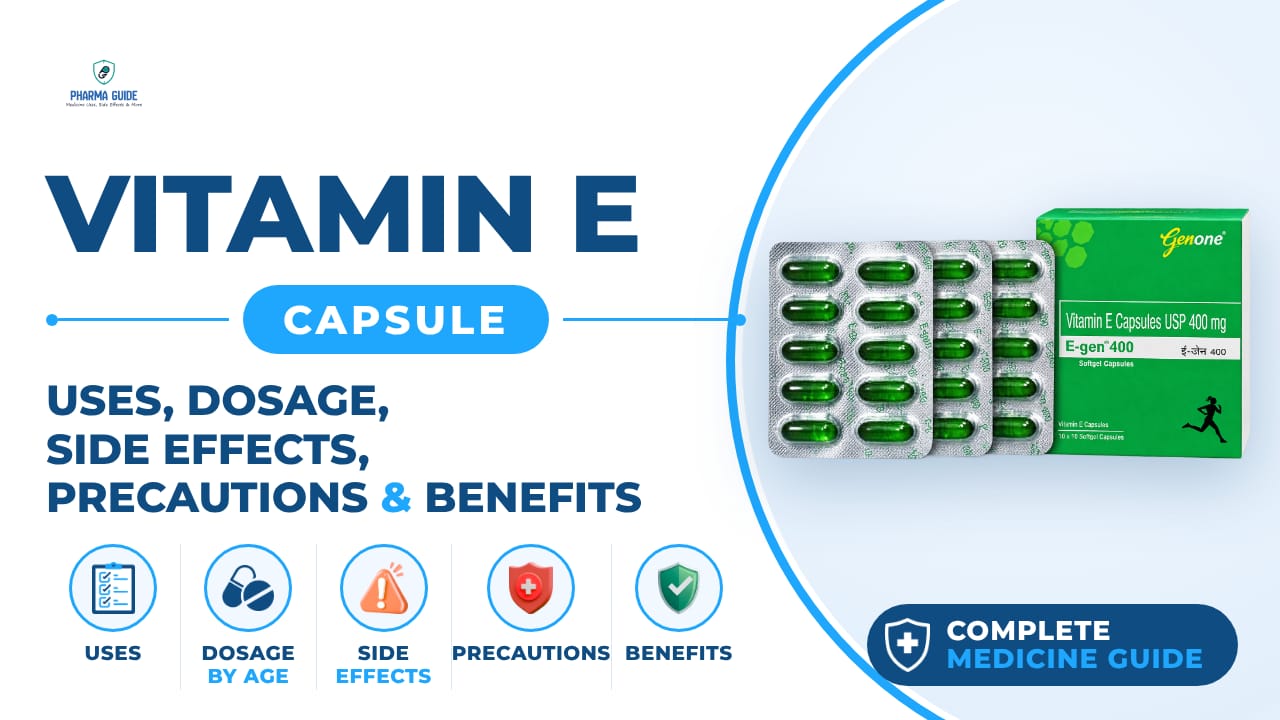
Vitamin E Capsule: Uses, Dosage, Side Effects, Precautions and Alternates
Vitamins
Vitamin E Capsule is an antioxidant supplement used to treat or prevent vitamin E deficiency. Learn its uses, dosage, side effects, and precautions.