
Safety
General information, not medical advice
Your prescriber and the leaflet in your pack know your situation. This page does not.
- Follow your prescriber and the leaflet
- Don't start, stop, or change a dose on your own
- Doses and warnings differ by country and product
Vitamin E Capsule: Uses, Dosage, Side Effects, Precautions and Alternates
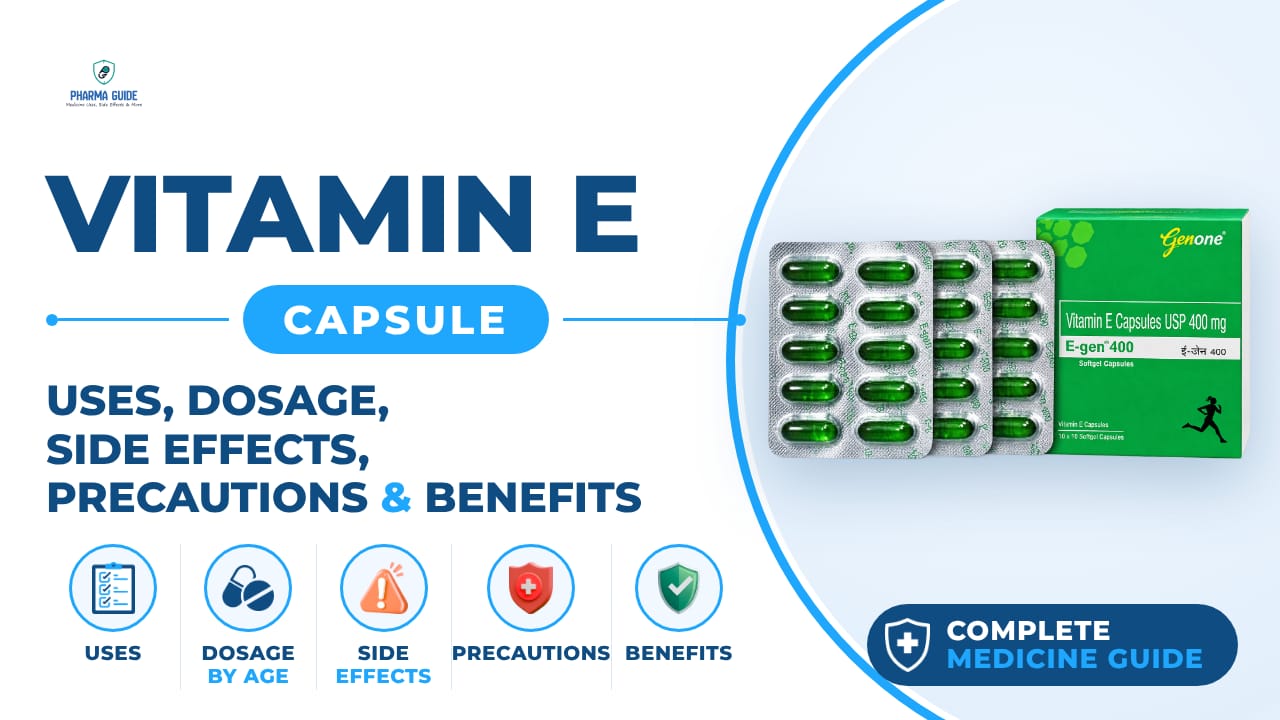
| Generic name | Vitamin E (alpha-tocopherol) |
|---|---|
| Drug class | Vitamins |
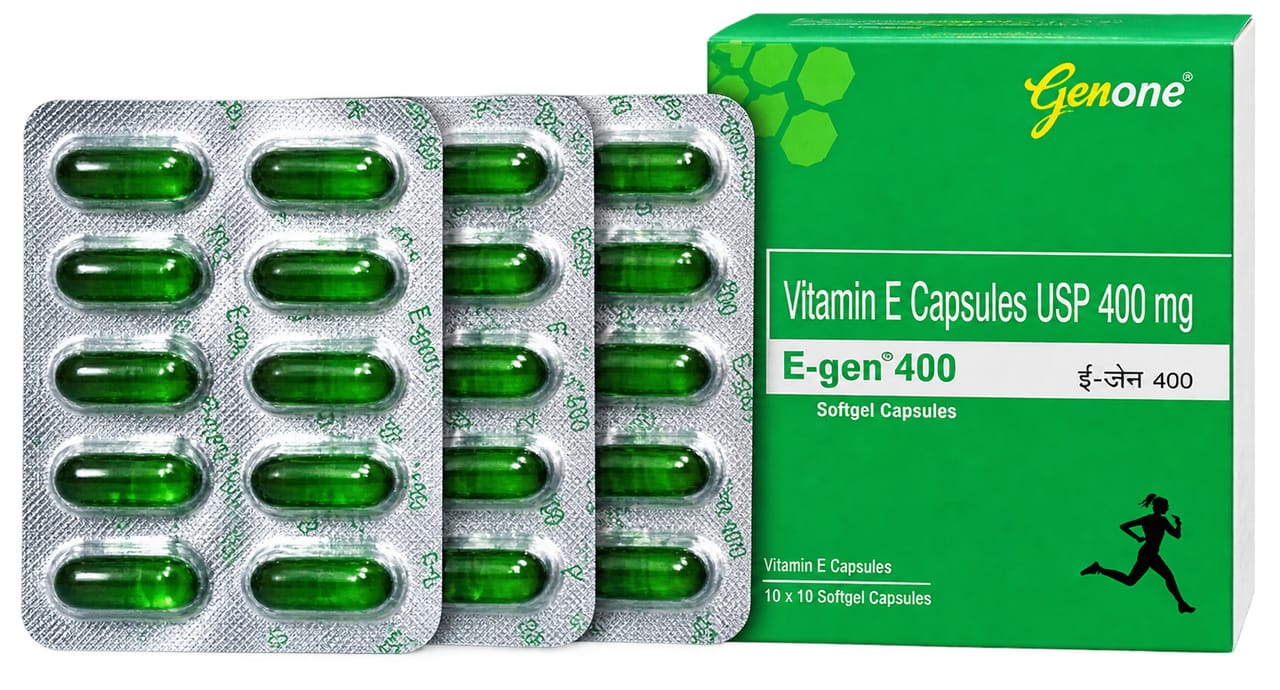
| Forms | Soft capsules (softgel capsules), Oral capsule, Tablets, Liquid/oil |
Quick overview
Vitamin E Capsule (generic name: alpha-tocopherol) is a vitamin supplement used to support general health as an antioxidant and to treat or prevent vitamin E deficiency. It is a fat-soluble vitamin found naturally in foods and also sold as a dietary supplement or complementary medicine. It is not a registered prescription medicine in most sources reviewed.
What is Vitamin E Capsule
Vitamin E is a fat-soluble antioxidant vitamin found naturally in foods and also sold as a dietary supplement or complementary medicine. It belongs to the vitamins drug class. It is used to support general health and is not a registered prescription medicine in most sources reviewed.
Vitamin E Capsule uses
- To increase energy levels (note: a lack of energy often has other causes)
- Contributes to the protection of cells from oxidative stress and helps maintain good health
- Used as a supplement to treat or prevent vitamin E deficiency
- Used in alternative medicine for conditions such as ataxia with vitamin E deficiency
Benefits of Vitamin E Capsule
- Acts as an antioxidant that helps protect cells from damage
- Supports normal immune function
- Contributes to the maintenance of good health
How Vitamin E Capsule works
Vitamin E works mainly as an antioxidant, helping to protect the body's cells from damage caused by unstable molecules called free radicals.
Vitamin E Capsule dosage
Swallow the soft capsules whole, without chewing, with enough liquid such as a glass of water. Take with a fatty meal, as fatty meals may increase absorption of vitamin E. Take with water. Do not take a double dose if you forget a previous dose; just continue with the normal schedule. Vitamin E supplements are not recommended for children under a certain age without medical advice; lower-strength products are available for younger children and teens. Stop taking vitamin E at least two weeks before any planned surgery. Avoid taking different forms of vitamin E (pills, liquids, and others) at the same time, since this could lead to taking too much.
| Age group | Dose |
|---|---|
| Infants & Children (0–12 Years) | 6–11 mg/day (based on age and needs) |
| Adolescents (13–17 Years) | 11–15 mg/day |
| Adults (18–64 Years) | 15 mg/day |
| Older Adults (65+ Years) | 15 mg/day (adjusted if needed) |
Available forms and strengths
- Soft capsules (softgel capsules)
- Oral capsule
- Tablets
- Liquid/oil
Side effects of Vitamin E Capsule
Common
- Nausea
- Bleeding
- Feeling tired
- Headache
- Abdominal pain
- Diarrhoea
- Itching (pruritus)
Serious
- Easy bruising or bleeding (nosebleeds, bleeding gums), abnormal vaginal bleeding, or any bleeding that will not stop
- Heart problems - swelling, rapid weight gain, feeling short of breath
- Heart attack symptoms - chest pain or pressure, pain spreading to the jaw or shoulder, nausea, sweating
- Bleeding in the brain - sudden weakness (especially on one side of the body), severe headache, problems with speech or vision
- Allergic reaction - hives, difficult breathing, swelling of the face, lips, tongue, or throat
- Swelling of the hands, feet, ankles, face, lips and mouth or throat, which may cause difficulty swallowing or breathing, rash or itching, fainting
Warnings and precautions
- Do not take vitamin E if you are allergic to alpha-tocopherol, soya oil, or any other ingredients in the product.
- Do not use vitamin E if you have the eye condition retinitis pigmentosa.
- Do not use vitamin E if you have a history of hemorrhagic (bleeding-type) stroke.
- Talk to a healthcare practitioner before use if you have a bleeding disorder or are taking blood-thinning medicines, diabetes or cardiovascular disease, or head or neck cancer or a history of it.
- Stop taking this product at least two weeks before any planned (elective) surgery.
- Taking more than 400 mg of RRR-alpha-tocopherol a day over a long period can lower thyroid hormone levels in the blood, and very high doses (around 800 mg) can rarely cause stomach and bowel problems.
- Taking vitamin E together with medicines that inhibit blood clotting, or if you have a deficiency of both vitamin E and vitamin K due to poor absorption in the bowel, requires careful monitoring, as this combination has in rare cases caused a serious drop in vitamin K.
- Iron supplements can reduce the effect of vitamin E, and vitamin E can make it harder for the body to absorb iron.
- Avoid taking vitamin E with other supplements that also affect blood clotting.
- If you are pregnant, think you might be pregnant, or are planning to become pregnant, talk to your doctor or pharmacist before taking vitamin E. Vitamin E is not recommended during the first 8 weeks of pregnancy unless a healthcare practitioner advises it for a specific medical reason.
- If you are breastfeeding, ask your doctor or pharmacist for advice before taking vitamin E, since your dose needs may be different while breastfeeding.
- Ask your doctor, pharmacist, or other healthcare provider if it is safe to use vitamin E if you have kidney disease.
- Use carefully with blood-thinning medicines. Avoid excessive long-term supplementation.
- Avoid high doses without medical advice. Inform doctor if you have bleeding disorders.
- No studies have been done on how vitamin E affects the ability to drive or use machinery. Be cautious before driving or using machines until you are sure it does not affect your performance.
Storage
- Keep this medicine out of the reach of children
- Do not use after the expiry date on the carton or blister pack; the expiry date refers to the last day of that month
- Store in the outer packaging to protect the contents from light
- Store at or below 25°C
- Store in the original package to protect from moisture
- Never dispose of medicines in wastewater (for example, not down the toilet or sink); ask your pharmacist how to dispose of medicine you no longer use
- Store oil, tablets, and capsules at room temperature away from moisture and heat
- Store liquid medicine in the original container in the refrigerator after opening
When to see a doctor
- Get emergency medical help right away if you have signs of an allergic reaction, such as hives, difficulty breathing, or swelling of the face, lips, tongue, or throat.
- Call your doctor right away if you notice easy bruising or bleeding, abnormal vaginal bleeding, or bleeding that won't stop; signs of heart problems like swelling, rapid weight gain, or shortness of breath; heart attack symptoms like chest pain, pain spreading to the jaw or shoulder, nausea, or sweating; or signs of bleeding in the brain such as sudden weakness, severe headache, or trouble speaking or seeing.
- Stop using the product and tell your doctor immediately, or go to the nearest hospital emergency department, if you notice swelling of the hands, feet, ankles, face, lips, mouth or throat that causes difficulty swallowing or breathing, rash, itching, or fainting, as these can be signs of a serious reaction requiring urgent care.
- If you think you have taken too much, seek emergency medical help or contact your local poison control center right away.
- See a doctor if you do not feel better, or if you feel worse, while taking this product.
Alternatives
- Vitamin E Softgel
- Multivitamin Capsules
- Vitamin C Supplements
Watch the video
FAQs
What is Vitamin E Capsule used for?
It is used to support general health as an antioxidant, to treat or prevent vitamin E deficiency, to help protect cells from oxidative stress, and in alternative medicine for conditions such as ataxia with vitamin E deficiency.
How should I take Vitamin E Capsule?
Swallow the soft capsules whole without chewing, with a glass of water, preferably with a fatty meal since fatty meals may increase absorption. Do not double up if you miss a dose; just continue your normal schedule.
What is the recommended dosage of Vitamin E Capsule?
Adults aged 18 to 64 years typically need 15 mg per day, the same as older adults 65 and above, while adolescents need 11–15 mg/day and children 6–11 mg/day based on age and needs.
What are the side effects of Vitamin E Capsule?
Common side effects include nausea, bleeding, tiredness, headache, abdominal pain, diarrhoea, and itching. Serious side effects include easy bruising or bleeding, heart problems, heart attack symptoms, bleeding in the brain, and allergic reactions.
Who should avoid taking Vitamin E Capsule?
Avoid it if you are allergic to alpha-tocopherol or soya oil, have retinitis pigmentosa, or have a history of hemorrhagic stroke. Talk to a healthcare practitioner first if you have a bleeding disorder, take blood thinners, have diabetes or cardiovascular disease, or have had head or neck cancer.
General information, not medical advice
Your prescriber and the leaflet in your pack know your situation. This page does not.
- Follow your prescriber and the leaflet
- Don't start, stop, or change a dose on your own
- Doses and warnings differ by country and product
Sources
- https://ods.od.nih.gov/factsheets/VitaminE-HealthProfessional/
- https://www.healthline.com/health/all-about-vitamin-e
- https://www.drugs.com/vitamin_e.html
- VITA Vitamin E Forte 268 mg patient information leaflet (Kräuterhaus Sanct Bernhard KG)
- LIFESTYLE HEALTH VITAMIN E 400 IU Patient Information Leaflet (Dis-Chem Group)
- DIS-CHEM GOLD VITAMIN E 400 IU Professional Information (Dis-Chem Pharmacies)
Video
Related medicines
Cyanocobalamin (Vitamin B12) Injection: Uses, Dosage, Side Effects, Precautions and Alternates
Vitamins
Cyanocobalamin (Vitamin B12) Injection treats and prevents B12 deficiency and pernicious anemia, supporting nerve, blood cell, and DNA health.
Calcirol Sachet: Uses, Dosage, Side Effects, Precautions and Alternates
Vitamins
Calcirol Sachet contains Vitamin D3 to boost calcium absorption for healthy bones. Learn its uses, dosage, benefits, side effects, and precautions.