
Safety
General information, not medical advice
Your prescriber and the leaflet in your pack know your situation. This page does not.
- Follow your prescriber and the leaflet
- Don't start, stop, or change a dose on your own
- Doses and warnings differ by country and product
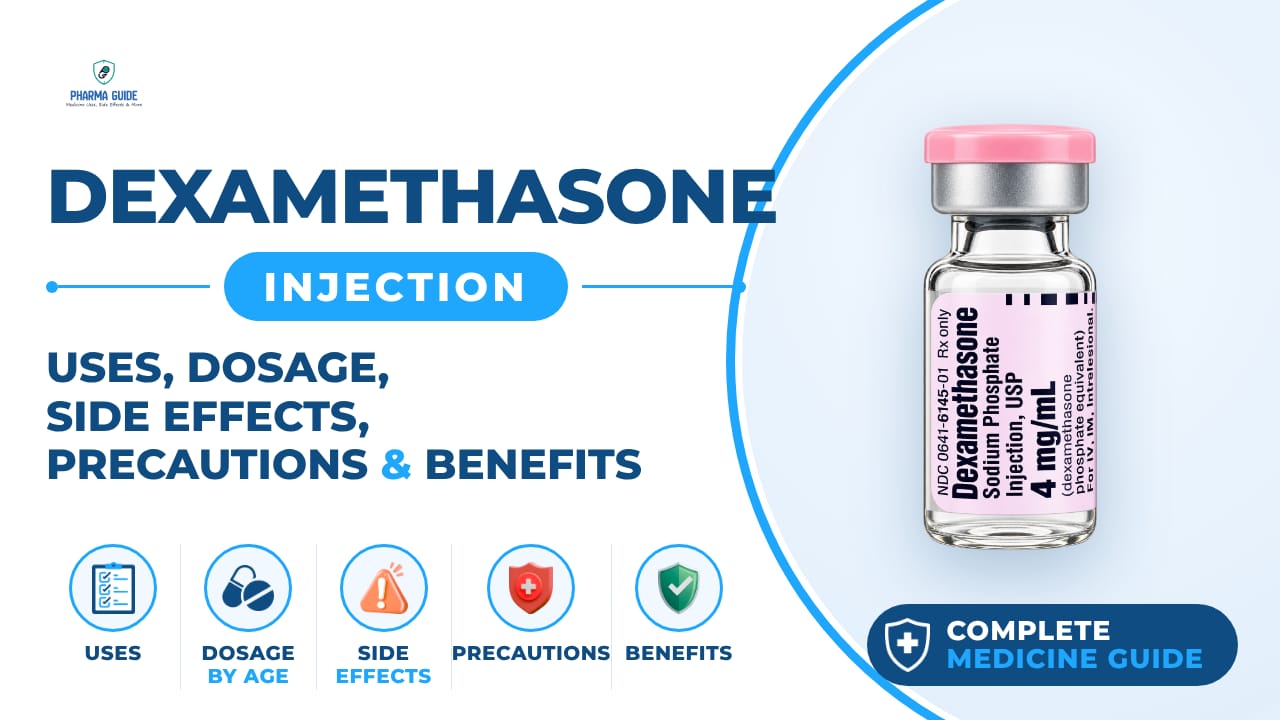
Dexamethasone Injection: Uses, Dosage, Side Effects, Precautions and Alternates
| Generic name | Dexamethasone (dexamethasone sodium phosphate) |
|---|---|
| Drug class | Corticosteroid (glucocorticoid) |
| Forms | Powder to be mixed with liquid for injection, Intra-articular (joint) injection, Soft tissue or lesion injection, Subconjunctival (eye) injection |
Quick overview
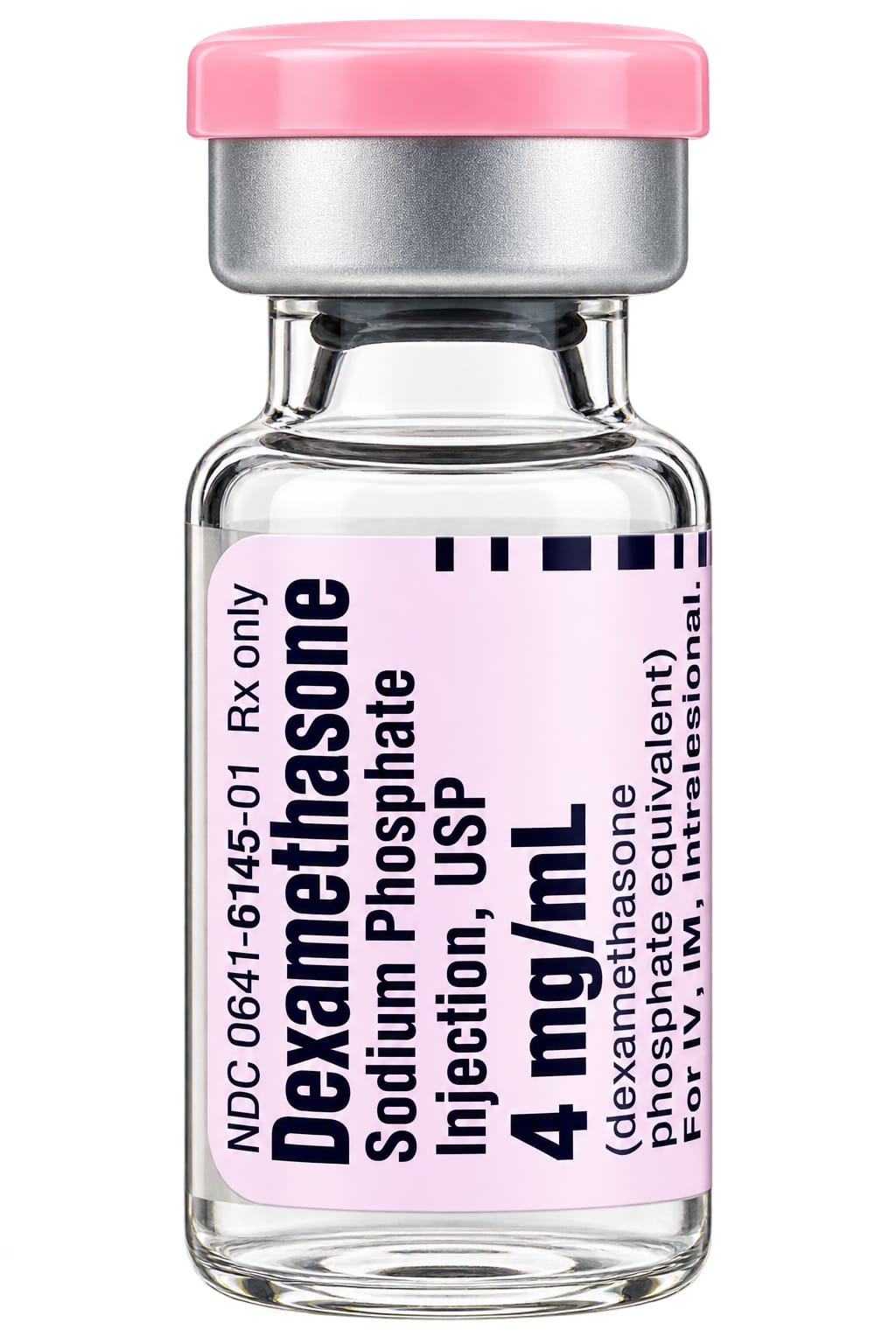
Dexamethasone Injection contains dexamethasone sodium phosphate, a corticosteroid (glucocorticoid) medicine. It is given as a shot into a vein, muscle, joint, or other tissue by a trained healthcare provider, usually in a hospital or clinic, to reduce inflammation and calm an overactive immune system. It is used for conditions such as severe allergic reactions, breathing problems, joint inflammation, certain cancers, and adrenal gland disorders. As with any corticosteroid, it carries possible side effects and precautions that should be discussed with a doctor.
What is Dexamethasone Injection
Dexamethasone is a man-made steroid medicine that reduces swelling and calms an overactive immune system. A trained healthcare provider gives it as a shot into a vein, muscle, joint, or other tissue, usually in a hospital or clinic.
Dexamethasone Injection uses
- Severe allergic reactions
- Asthma and other breathing problems
- Arthritis and other joint or tendon inflammation
- Inflammatory bowel diseases such as ulcerative colitis
- Blood, bone marrow, and certain cancer conditions such as leukemia
- Adrenal gland (hormone) disorders, including as replacement therapy for adrenal insufficiency
- Swelling in the brain (cerebral edema) from tumors, surgery, or stroke
- Shock from severe blood loss, trauma, or surgery
- Skin diseases such as psoriasis and severe dermatitis
- Eye inflammation conditions such as allergic conjunctivitis and uveitis
- Used as a test for Cushing's syndrome (an adrenal gland disorder)
- Nausea and vomiting caused by cancer chemotherapy (non-labeled use)
Benefits of Dexamethasone Injection
- Reduces inflammation, swelling, redness, and discomfort
- Calms an overactive immune system that is causing disease symptoms
- Can act quickly, which is useful in emergencies or when a person cannot take medicine by mouth
- Can replace hormones the body is not making enough of in adrenal insufficiency
How Dexamethasone Injection works
Dexamethasone works like a natural body hormone called cortisol. It reduces swelling and inflammation by blocking certain immune cells and chemical signals that cause redness, swelling, and pain.
Dexamethasone Injection dosage
This medicine is given as a shot into a vein, muscle, joint, or other tissue by a trained healthcare provider. If you are taught to give yourself this medicine at home, follow your healthcare provider's instructions carefully and check the liquid for particles or discoloration before use; do not use it if either is present.
Take this medicine in the morning if possible, since it may cause trouble sleeping if taken later in the day. Your dose may need to change during illness, surgery, infection, or other physical stress — tell your doctor about these situations. Do not stop this medicine suddenly; your doctor will lower the dose gradually to avoid withdrawal symptoms such as nausea, dizziness, weakness, or muscle and joint pain. Do not share this medicine with anyone else.
Special care may be needed when giving this medicine to children; talk to the care team about use in children. Older adults may be more sensitive to side effects such as bone loss, stomach bleeding, and confusion, so extra caution and monitoring are recommended.
| Age group | Dose |
|---|---|
| Children | 0.02–0.3 mg/kg/day, divided into doses as prescribed |
| Adults (18–64 Years) | 0.75–9 mg/day, depending on the medical condition |
| Older Adults (65+ Years) | Lowest effective dose, individually adjusted by a healthcare professional |
| Emergency Conditions | Higher doses may be administered under medical supervision |
Available forms and strengths
- Powder to be mixed with liquid for injection
- Intra-articular (joint) injection
- Soft tissue or lesion injection
- Subconjunctival (eye) injection
Side effects of Dexamethasone Injection
Common
- Headache
- Trouble sleeping (insomnia)
- Stomach upset, heartburn, or nausea
- Increased appetite
- Weight gain
- Acne
- Dizziness
- Increased sweating
- Pain or redness at the injection site
- Slow healing of cuts and bruises
- Thin, fragile, or dry skin
- Changes in menstrual periods
- Fluid retention (swelling in hands or ankles)
- Muscle weakness or joint pain
- Mood changes such as feeling unusually happy or irritable
- Hiccups
Serious
- Signs of infection such as fever, chills, sore throat, or cough
- Allergic reaction: rash, itching, hives, swelling of face, lips, tongue, or throat, trouble breathing
- Vision problems, eye pain, or pressure
- Seizures
- Irregular, fast, or slow heartbeat
- Signs of stomach bleeding: black or tarry stools, vomiting blood or material that looks like coffee grounds
- Swelling of the ankles, hands, feet, or lower legs; sudden weight gain; shortness of breath
- Symptoms of Cushing syndrome: fat buildup around the face, neck, or midsection; pink or purple stretch marks; easy bruising
- Signs of high blood sugar: increased thirst or urination, blurry vision, unusual fatigue
- Signs of low adrenal gland function: nausea, vomiting, loss of appetite, weakness, dizziness
- Mood or behavior changes: confusion, hallucinations, hostility, depression, or thoughts of suicide or self-harm
- Severe muscle weakness or limp feeling
- Low potassium symptoms: leg cramps, constipation, irregular heartbeat, numbness, or tingling
Warnings and precautions
- Do not receive live virus vaccines while using this medicine, as it weakens the immune system and could lead to a serious infection from the vaccine itself.
- This medicine can hide the signs of an infection and make you more likely to get one. Stay away from people who are sick, and get medical advice right away if you are exposed to chickenpox or measles, since these illnesses can be serious or even fatal in people using this medicine.
- Do not stop using this medicine suddenly after taking it for a while, since this can cause dangerous withdrawal effects including low blood pressure and even death. Your doctor will lower your dose gradually.
- Serious and sometimes fatal nerve-related problems, including paralysis, blindness, and stroke, have happened when corticosteroids like this one are given into the space around the spinal cord (epidural injection). This use has not been officially approved.
- This medicine can cause severe allergic reactions, including swelling of the throat and trouble breathing, especially in people with a history of allergies.
- Corticosteroids should not be used to treat head injury or stroke, since they are unlikely to help and may even cause harm.
- This medicine may cause serious mental health effects, including severe depression or thoughts of suicide, which usually appear within days or weeks of starting treatment.
- Dexamethasone crosses into the placenta and should be used in pregnancy only if clearly needed, after discussing risks and benefits with your doctor. It may affect an unborn baby, and babies born to mothers on long-term treatment may have low blood sugar or hormone problems after birth.
- It is not known for certain if this medicine passes into breast milk in a way that harms a nursing baby, so talk to your doctor before breastfeeding while using this medicine.
- Tell your doctor if you have kidney disease before receiving this medicine, since it should be used with caution and close monitoring in people with kidney problems.
- Tell your doctor if you have liver disease before receiving this medicine, as it should be used with caution, and your dose may need adjusting if you have liver problems such as cirrhosis.
- Drinking alcohol daily while using this medicine may raise your risk of stomach bleeding, so it's best to limit alcohol use.
- There is no clear evidence that this medicine affects the ability to drive or use machines, though some side effects like dizziness or drowsiness could make these activities less safe.
Storage
- This medication is given in a hospital or clinic and will not usually be stored at home.
- If storing at home, keep as directed by your healthcare provider or pharmacist, away from children and pets.
- Store below 25°C to 30°C depending on product, and protect from light.
- Do not use after the expiry date.
- Do not flush medications down the toilet or pour them into a drain; use a medicine take-back program or ask your pharmacist about proper disposal.
- Any unused medicine or waste material should be disposed of according to local requirements.
When to see a doctor
- Get emergency help right away if you have signs of a serious allergic reaction, such as hives, swelling of the face, lips, tongue, or throat, or trouble breathing.
- Call your doctor right away if you notice signs of infection like fever, chills, sore throat, or wounds that will not heal.
- Seek medical help immediately if you have a seizure while using this medicine.
- Get medical care right away if you have symptoms of stomach or intestinal bleeding, such as black or tarry stools or vomit that looks like coffee grounds.
- Contact your doctor immediately if you develop severe headache, ringing in the ears, dizziness, nausea, or vision problems, which may signal increased pressure inside the skull.
- Seek help right away if you notice mood or behavior changes such as confusion, hallucinations, hostility, or thoughts of suicide or self-harm.
- Get medical attention if you think you may have taken too much of this medicine; contact a poison control center or go to an emergency room right away.
Alternatives
- Methylprednisolone Injection
- Prednisolone
- Deflazacort
Watch the video
FAQs
What is Dexamethasone Injection used for?
It is used for severe allergic reactions, asthma and breathing problems, joint inflammation, inflammatory bowel diseases, certain blood and bone marrow cancers, adrenal gland disorders, brain swelling, shock, skin diseases, eye inflammation, and as a test for Cushing's syndrome.
How is Dexamethasone Injection given?
It is given as a shot into a vein, muscle, joint, or other tissue by a trained healthcare provider, usually in a hospital or clinic. If taught to self-administer, follow your provider's instructions and check the liquid for particles or discoloration before use.
Can I stop using Dexamethasone Injection suddenly?
No, you should not stop suddenly after using it for a while, since this can cause dangerous withdrawal effects including low blood pressure and even death. Your doctor will lower your dose gradually.
What are the common side effects of Dexamethasone Injection?
Common side effects include headache, trouble sleeping, stomach upset, increased appetite, weight gain, acne, dizziness, increased sweating, injection site pain, slow wound healing, and mood changes.
Is Dexamethasone Injection safe during pregnancy?
Dexamethasone crosses into the placenta and should be used in pregnancy only if clearly needed, after discussing risks and benefits with your doctor, as it may affect an unborn baby.
General information, not medical advice
Your prescriber and the leaflet in your pack know your situation. This page does not.
- Follow your prescriber and the leaflet
- Don't start, stop, or change a dose on your own
- Doses and warnings differ by country and product
Sources
- Cleveland Clinic: Dexamethasone Injection
- DBL Dexamethasone Sodium Phosphate Injection Product Information (Pfizer)
- MedlinePlus: Dexamethasone Injection
- StatPearls: Dexamethasone (NCBI Bookshelf)
- GoodRx Health: 7 Dexamethasone Side Effects You Should Know About
- MyHealth Alberta: Dexamethasone - Injection
- Drugs.com: Dexamethasone (injection)
- Dexamethasone 3.3 mg/ml solution for injection/infusion - Package leaflet
Video
Related medicines
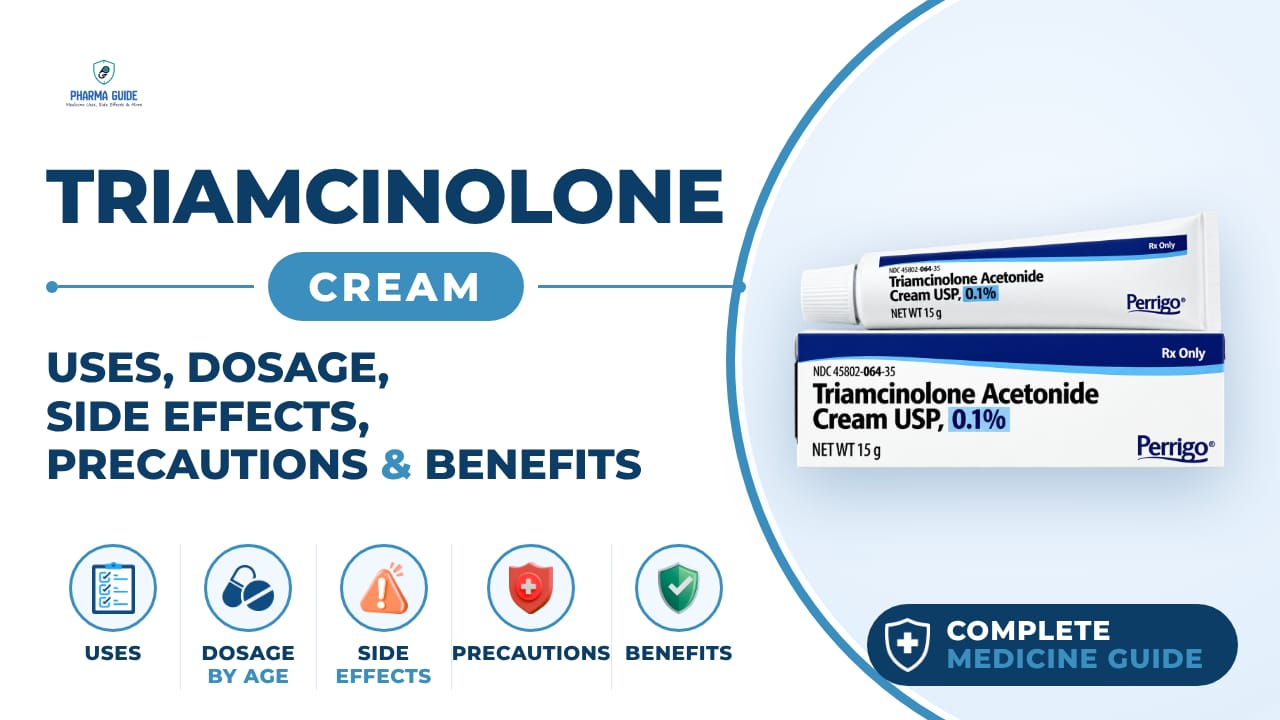
Triamcinolone Cream: Uses, Dosage, Side Effects, Precautions and Alternates
corticosteroid (glucocorticoid)
Triamcinolone Cream is a mid-potency corticosteroid that treats eczema, psoriasis, and allergic rashes by reducing skin inflammation, redness, and itching.
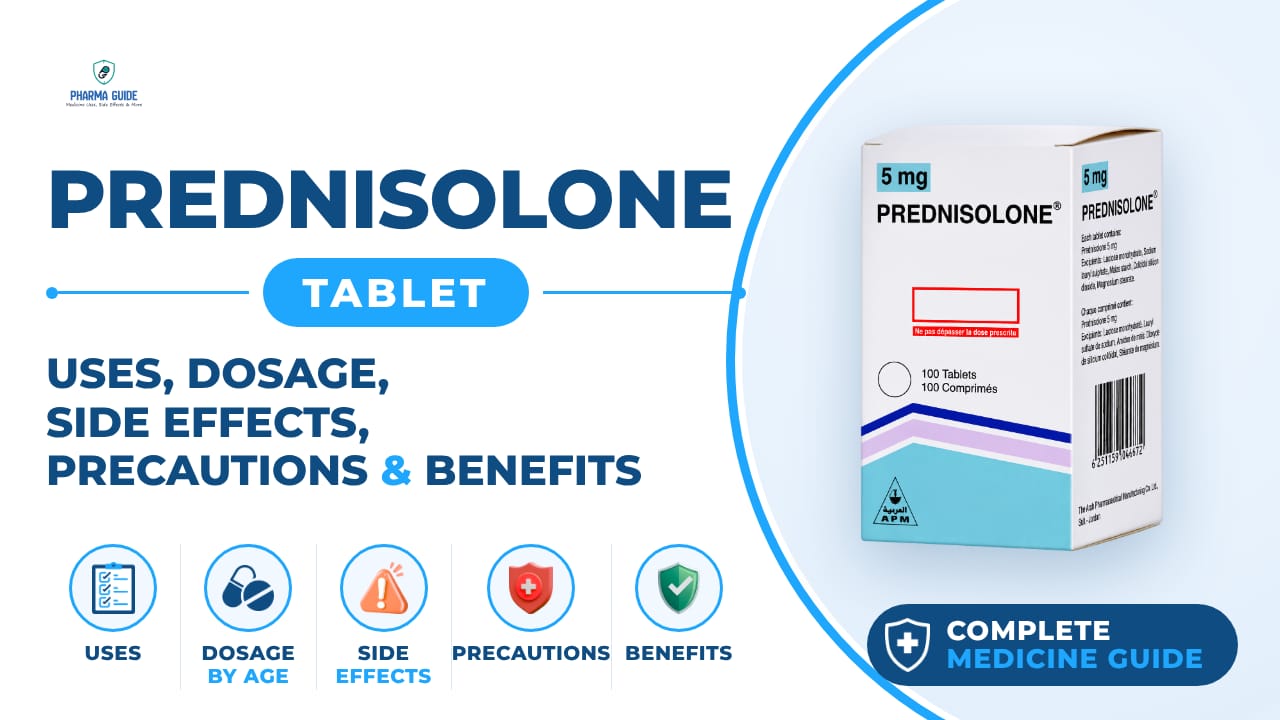
Prednisolone Tablet: Uses, Dosage, Side Effects, Precautions and Alternates
Corticosteroid (glucocorticoid)
Prednisolone Tablet is a corticosteroid that reduces inflammation and calms the immune system. Learn about its uses, dosage, side effects, and precautions.