
Safety
General information, not medical advice
Your prescriber and the leaflet in your pack know your situation. This page does not.
- Follow your prescriber and the leaflet
- Don't start, stop, or change a dose on your own
- Doses and warnings differ by country and product
Prednisolone Tablet: Uses, Dosage, Side Effects, Precautions and Alternates
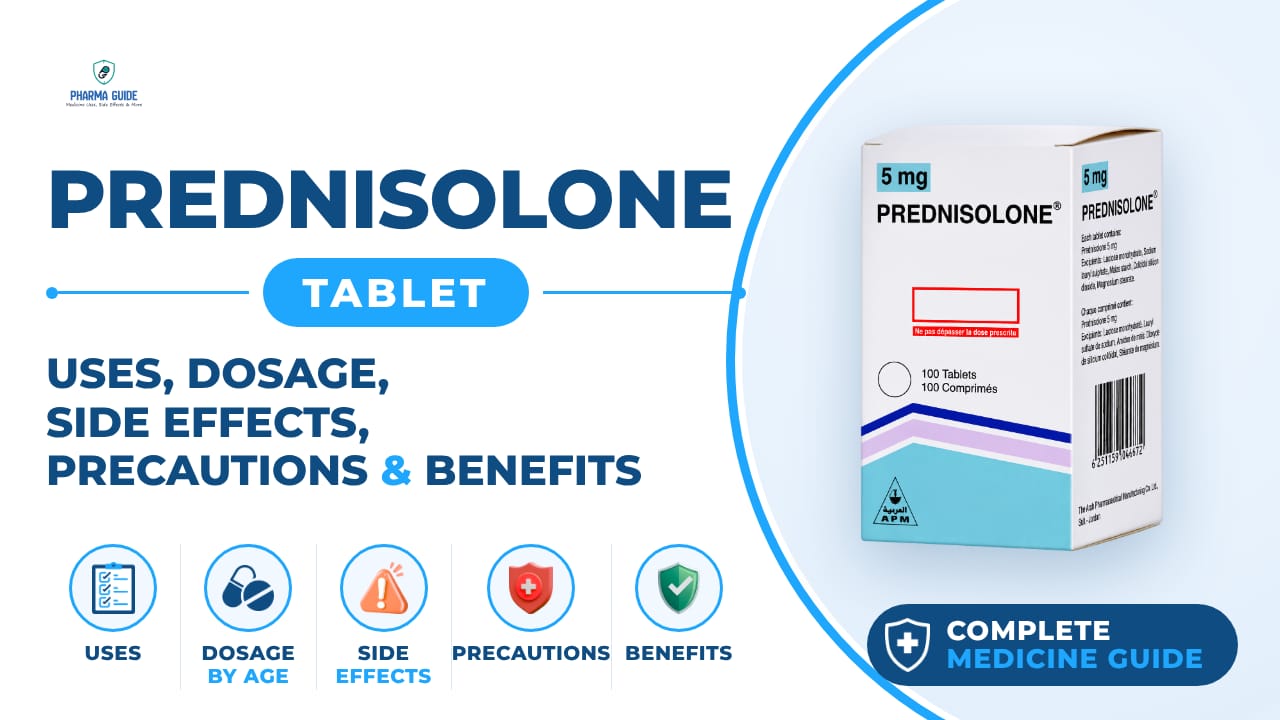
| Generic name | Prednisolone |
|---|---|
| Drug class | Corticosteroid (glucocorticoid) |
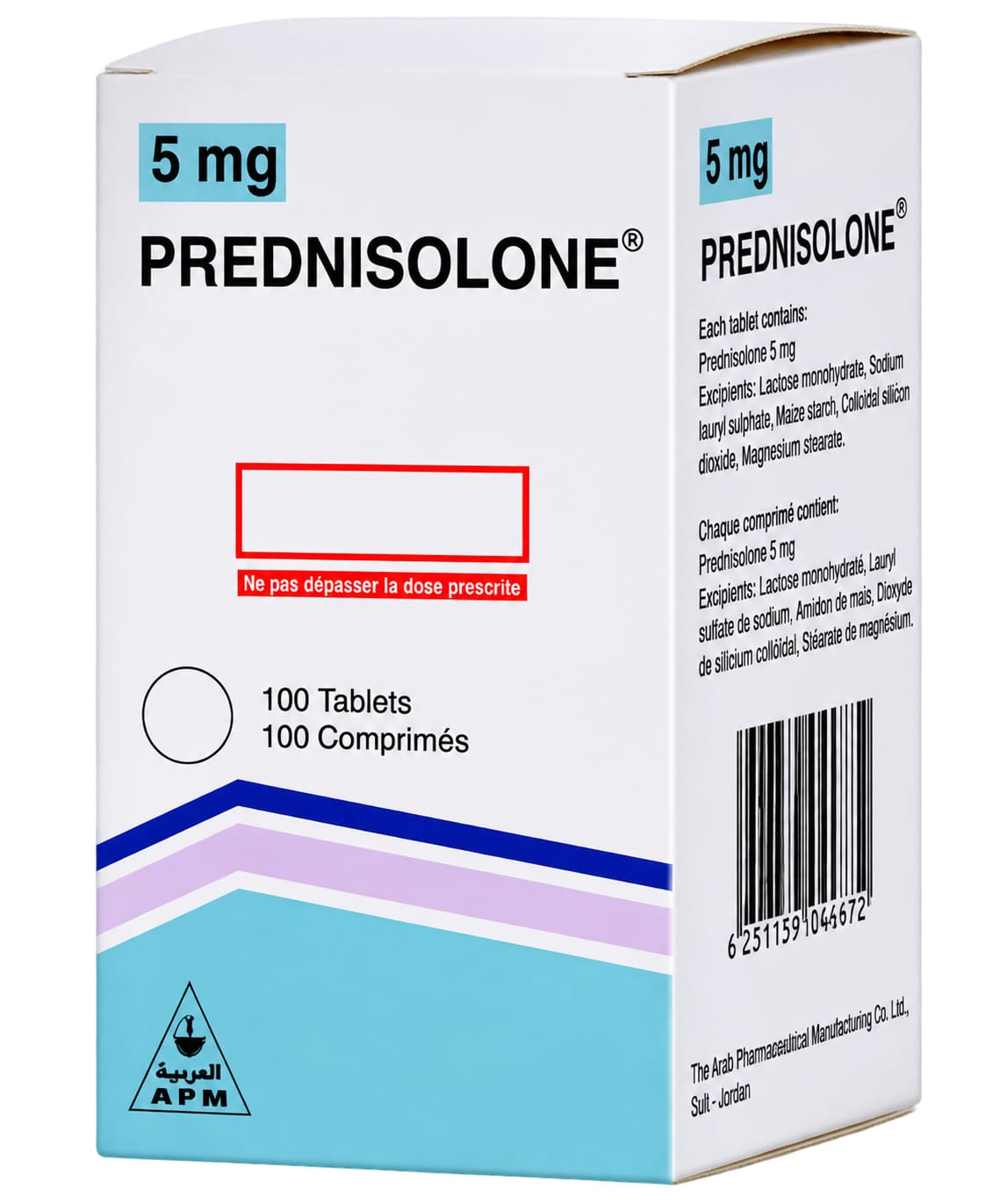
| Forms | Oral liquid, Oral suspension, Oral syrup, Oral tablet, Gastro-resistant tablet |
Quick overview
Prednisolone Tablet (generic name: Prednisolone) is a corticosteroid medicine that reduces inflammation and calms an overactive immune system. It is used for a wide range of conditions including arthritis, autoimmune diseases, skin conditions, bowel disease, allergic disorders, lung conditions, and certain blood disorders and cancers. It comes in several oral forms, and the dose varies widely depending on age and the condition being treated.
What is Prednisolone Tablet
Prednisolone is a corticosteroid medicine, a man-made version of a natural body chemical called cortisol. It helps reduce inflammation and calms down an overactive immune system.
Prednisolone Tablet uses
- Arthritis (including rheumatoid arthritis, gout, ankylosing spondylitis, psoriatic arthritis)
- Lupus and other autoimmune diseases
- Psoriasis and other skin conditions
- Ulcerative colitis and Crohn's disease
- Severe allergic disorders and drug hypersensitivity reactions
- Asthma and other lung conditions like COPD
- Gland (endocrine) disorders
- Eye inflammation such as uveitis
- Nervous system conditions such as multiple sclerosis flare-ups
- Certain blood disorders
- Certain cancers such as leukemia and lymphoma
- Preventing organ rejection after a transplant
- High calcium levels
Benefits of Prednisolone Tablet
- Reduces swelling, redness, pain, and other signs of inflammation
- Calms an overactive immune system
- Can help control symptoms of many serious and long-term illnesses
How Prednisolone Tablet works
Prednisolone gets into the cells that cause inflammation and blocks the body's inflammatory response. It also acts like a natural steroid hormone to help fight inflammation caused by the immune system, and it may also help with pain.
Prednisolone Tablet dosage
Take this medicine exactly as your doctor has told you, and do not use more, less, or for longer than prescribed. Take it with food or just after a meal to help avoid stomach irritation, and try to take it at the same time each day. Your doctor may tell you to take it every other day instead of every day - follow their instructions carefully. Swallow the tablets with water.
If you have orally disintegrating tablets, keep them in the blister pack until you are ready to take them; open with dry hands and peel back the foil rather than pushing the tablet through. Let the tablet dissolve in your mouth without chewing, and you may drink liquid to help swallow it; do not cut, break, or use partial tablets.
Avoid eating liquorice and avoid drinking alcohol while taking this medicine. Do not stop taking this medicine suddenly - your doctor may need you to lower the dose gradually. If you miss a dose, take it as soon as you remember unless it is almost time for your next dose, in which case skip the missed dose - do not take a double dose.
Tell any doctor, surgeon, or dentist that you are taking this medicine, especially before surgery or if you become ill. Children may be given the medicine as a single dose every other day to help lessen the effect on growth. Elderly patients may need extra monitoring, as side effects can be more serious in this age group.
| Age group | Dose |
|---|---|
| Children | Dose based on body weight and medical condition (as prescribed) |
| Adults (18–64 Years) | 5–60 mg daily depending on condition and response |
| Older Adults (65+ years) | Lowest effective dose; adjusted based on condition and response |
| Pregnancy | Dose determined by doctor based on medical need |
Available forms and strengths
- Oral liquid
- Oral suspension
- Oral syrup
- Oral tablet
- Gastro-resistant tablet
Side effects of Prednisolone Tablet
Common
- Fluid retention (swelling in hands, ankles, face, or abdomen)
- Weight gain
- Dizziness or a spinning sensation
- Changes in menstrual periods
- Headache
- Muscle pain or weakness
- Stomach discomfort or bloating
- Indigestion
- Trouble sleeping (insomnia)
- Feeling restless
- Sweating a lot
- Mild mood changes
- Increased appetite
- Acne
- Thin skin that bruises easily
Serious
- Signs of allergic reaction: hives, difficulty breathing, swelling of face, lips, tongue, or throat
- Shortness of breath, swelling, or rapid weight gain
- Bruising, thinning skin, or a wound that will not heal
- Severe depression, changes in personality, unusual thoughts or behavior, or thoughts of self-harm
- New or unusual pain in an arm, leg, or back
- Bloody or tarry stools, coughing up blood, or vomit that looks like coffee grounds
- Severe pain in the upper stomach spreading to the back, with nausea and vomiting
- Seizures (convulsions)
- Signs of low potassium such as leg cramps, constipation, irregular heartbeats, fluttering in the chest, or increased thirst or urination
- Signs of infection such as fever, sore throat, cough, or pain when urinating
- Signs of high blood sugar such as feeling very thirsty or hungry, peeing more often, or breathing quickly
- Signs of Cushing's syndrome such as a rounded 'moon face' and weight gain in the upper back or belly
- Signs of adrenal gland problems such as severe dizziness, fainting, very upset stomach, or extreme tiredness
- Vision changes
- Chest pain or irregular heartbeat
- Severe stomach or back pain
- Black or dark brown vomit, or vomiting blood
Warnings and precautions
Do not stop taking this medicine suddenly without talking to your doctor, as this can cause serious, potentially life-threatening withdrawal symptoms. Your dose usually needs to be reduced gradually.
This medicine can weaken your immune system, making infections more likely or making existing infections worse, sometimes without the usual warning signs. Avoid contact with people who have chickenpox or shingles if you have never had these illnesses, because they could make you very ill. If you are exposed, see your doctor straight away without stopping your medicine.
Do not have live vaccines while taking this medicine, as it can stop them working properly and may be unsafe. Serious mental health problems, including depression and thoughts of suicide, can happen while taking this medicine, especially at higher doses.
Long-term use can slow growth in children and teenagers, so their height and weight should be monitored regularly by their doctor. If you take this medicine for more than three weeks, you will be given a steroid treatment card that you should carry with you at all times and show to any doctor, nurse, or dentist treating you.
Prednisolone can harm an unborn baby, especially if taken during the first three months of pregnancy. Tell your doctor if you are pregnant, think you might be pregnant, or are planning to become pregnant, so they can weigh the benefits and risks.
Small amounts of prednisolone pass into breast milk and could potentially affect a nursing baby, especially at high doses used for a long time. Tell your doctor before you start treatment if you are breastfeeding.
Tell your doctor if you have kidney problems, as this medicine is removed from the body by the kidneys and may need closer monitoring in people with reduced kidney function. Tell your doctor if you have liver problems before taking this medicine.
Avoid drinking alcohol while taking prednisolone. This medicine can cause dizziness or tiredness. Be careful when driving or operating machinery until you know how it affects you.
Storage
- Store at room temperature away from moisture and heat
- Store below 25°C in a dry place
- Keep the blister packs in the outer carton to protect from light
- Keep out of the sight and reach of children
- Do not use after the expiry date on the packaging
- Do not throw away medicines via wastewater or household waste - ask your pharmacist how to dispose of medicines no longer needed
When to see a doctor
Get emergency medical help right away if you notice signs of a serious allergic reaction, such as hives, difficulty breathing, or swelling of the face, lips, tongue, or throat. Call 999 or go to A&E immediately if you have black or dark brown vomit, or you are vomiting blood.
Get help right away if you have thoughts about harming yourself or ending your life. Contact a doctor immediately if you have signs of a serious mental health problem, such as feeling depressed, feeling unusually high, severe confusion, or seeing or hearing things that are not there.
Seek medical attention immediately if you take more of this medicine than you should, or if someone else has swallowed some of it. Call your doctor right away if you develop severe abdominal pain, seizures, sudden vision changes, abnormal mood or behavior changes, severe dizziness, fainting or weakness, chest pain, or an irregular heartbeat.
Alternatives
- Methylprednisolone
- Prednisone
- Budesonide
Watch the video
FAQs
What is Prednisolone Tablet used for?
It is used for conditions such as arthritis, lupus and other autoimmune diseases, psoriasis, ulcerative colitis and Crohn's disease, severe allergic reactions, asthma and COPD, eye inflammation, certain blood disorders and cancers, and to prevent organ rejection after a transplant.
How should I take Prednisolone Tablet?
Take it exactly as prescribed, with food or just after a meal to avoid stomach irritation, at the same time each day. Swallow tablets with water, and do not stop taking it suddenly without your doctor's advice, as the dose usually needs to be reduced gradually.
What should I avoid while taking Prednisolone Tablet?
Avoid eating liquorice and avoid drinking alcohol while taking this medicine. You should also avoid contact with people who have chickenpox or shingles if you have never had these illnesses, and avoid having live vaccines.
What are the serious side effects of Prednisolone Tablet?
Serious side effects include signs of allergic reaction, infection, high blood sugar, low potassium, Cushing's syndrome, adrenal gland problems, severe mental health changes, vision changes, chest pain or irregular heartbeat, and bloody or tarry stools or vomiting blood.
Can Prednisolone Tablet be taken during pregnancy?
Prednisolone can harm an unborn baby, especially if taken during the first three months of pregnancy, so you should tell your doctor if you are pregnant, think you might be pregnant, or are planning to become pregnant.
General information, not medical advice
Your prescriber and the leaflet in your pack know your situation. This page does not.
- Follow your prescriber and the leaflet
- Don't start, stop, or change a dose on your own
- Doses and warnings differ by country and product
Sources
- https://www.drugs.com/prednisolone.html
- https://www.healthdirect.gov.au/prednisolone
- https://www.nhs.uk/medicines/prednisolone/side-effects-of-prednisolone-tablets-and-liquid/
- Orapred ODT Prescribing Information (FDA), Revised 07/2010
- Prednisolone gastro-resistant tablets PIL UK 013
- Prednisolone Tablets 2.5mg, 5mg, 10mg, 20mg, 25mg and 30mg Package Leaflet (Actavis)
Video
Related medicines
Triamcinolone Cream: Uses, Dosage, Side Effects, Precautions and Alternates
corticosteroid (glucocorticoid)
Triamcinolone Cream is a mid-potency corticosteroid that treats eczema, psoriasis, and allergic rashes by reducing skin inflammation, redness, and itching.
Dexamethasone Injection: Uses, Dosage, Side Effects, Precautions and Alternates
Corticosteroid (glucocorticoid)
Dexamethasone Injection is a corticosteroid shot used for inflammation, allergic reactions, breathing problems, and more. Learn uses, dosage, and side effects.