
Safety
General information, not medical advice
Your prescriber and the leaflet in your pack know your situation. This page does not.
- Follow your prescriber and the leaflet
- Don't start, stop, or change a dose on your own
- Doses and warnings differ by country and product
Dexamethasone Tablet: Uses, Dosage, Side Effects, Precautions and Alternates
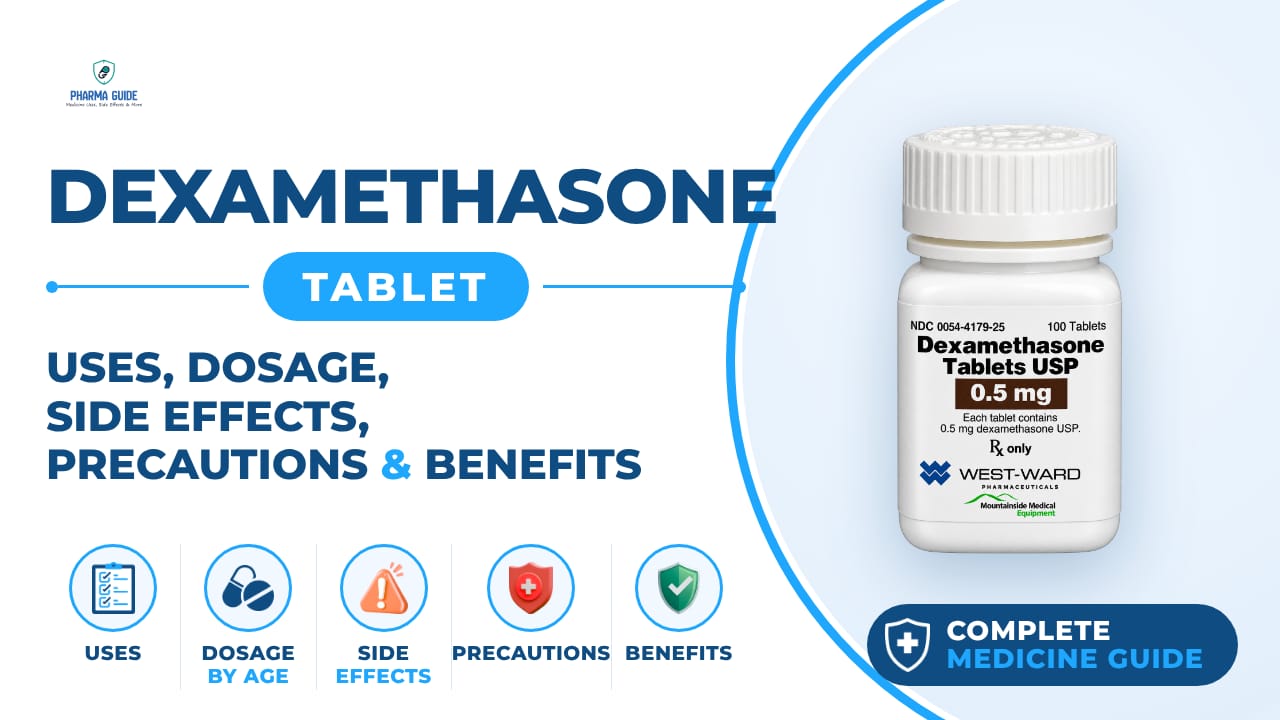
| Generic name | dexamethasone |
|---|---|
| Drug class | Corticosteroid (glucocorticoid) |
| Forms | Tablet, Elixir, Oral solution |
Quick overview
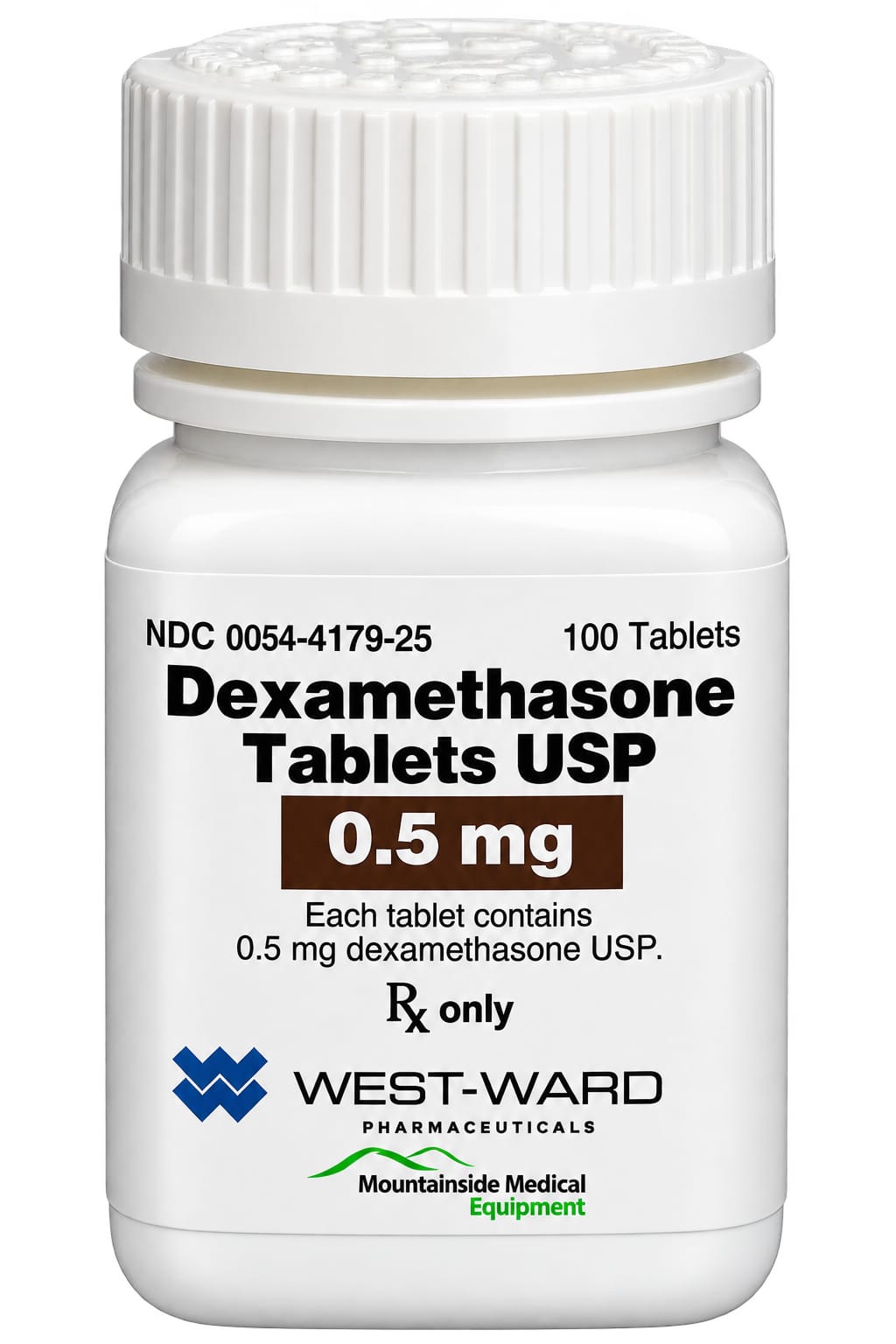
Dexamethasone Tablet contains the generic medicine dexamethasone, a corticosteroid (glucocorticoid). It is a man-made steroid medicine similar to a hormone your body makes naturally, and it reduces swelling, redness, itching, and allergic reactions by acting on the immune system. It is used for a wide range of inflammatory, allergic, and immune-related conditions. It is available as a tablet, elixir, and oral solution.
What is Dexamethasone Tablet
Dexamethasone is a man-made steroid medicine similar to a hormone your body makes naturally. It reduces swelling, redness, itching, and allergic reactions by acting on the immune system.
Dexamethasone Tablet uses
- Severe allergies and allergic reactions
- Severe or chronic asthma
- Skin conditions such as eczema, psoriasis, and severe skin reactions
- Arthritis and other joint or muscle conditions
- Inflammatory bowel diseases such as Crohn's disease and ulcerative colitis
- Blood and bone marrow problems
- Multiple myeloma (a type of bone marrow cancer), used with other medicines
- Multiple sclerosis flare-ups
- Adrenal gland problems
- Certain eye inflammation
- Kidney problems such as nephrotic syndrome
- Certain cancers such as leukemia and lymphoma
- Severe COVID-19 in people needing oxygen or breathing support
Benefits of Dexamethasone Tablet
- Reduces swelling, redness, itching, and allergic reactions
- Helps control symptoms of many inflammatory and immune conditions
- Can help replace missing hormones in adrenal gland problems
- Inflammation Control: Helps reduce inflammation and swelling
- Allergy Management: Can be used for certain severe allergic conditions
How Dexamethasone Tablet works
Dexamethasone works by acting on the immune system to calm down the body's inflammatory and allergic responses, which helps reduce swelling, redness, and irritation.
Dexamethasone Tablet dosage
Take this medicine exactly as directed by your doctor; do not change your dose on your own. Swallow tablets whole with a drink of water; do not crush or chew them. You may take it with or without food. If using the liquid form, measure it with a proper measuring spoon or oral syringe, not a regular kitchen spoon.
Do not stop taking this medicine suddenly, especially after taking it for more than a few days; your doctor may need to lower your dose gradually. Try not to miss doses, even if you feel well, because missing doses can make your condition worse. If you miss a dose, take it as soon as you remember, unless it is almost time for your next dose, in which case skip the missed dose. Do not double up on doses.
Older adults may be more sensitive to this medicine and may need a different dose or schedule. Children taking this medicine should be monitored closely by a doctor, especially for growth.
| Age group | Dose |
|---|---|
| Children | Weight-based dose; commonly 0.02–0.3 mg/kg/day as prescribed |
| Adults (18–64 Years) | 0.75–9 mg/day |
| Older Adults (65+ Years) | 0.75–9 mg/day, using the lowest effective dose |
| Pregnancy | Dose determined by a healthcare professional |
Available forms and strengths
- Tablet
- Elixir
- Oral solution
Side effects of Dexamethasone Tablet
Common
- Increased appetite and weight gain
- Fluid retention with swelling in hands or ankles
- Mood changes and trouble sleeping
- Indigestion, nausea, or stomach discomfort
- Acne, thin skin, easy bruising, stretch marks, or slow wound healing
- Increased sweating, extra body or facial hair, or thinning scalp hair
- A rounded or puffy face, and changes in where the body stores fat
- Raised blood sugar
- Changes to menstrual periods
- Headache, dizziness, or hiccups
Serious
- Signs of infection, such as fever, chills, sore throat, or a cough that will not clear
- Black, bloody, or tarry stools, or vomit that looks like coffee grounds
- Severe pain in the upper stomach spreading to the back, with nausea and vomiting
- Sudden or severe stomach pain, or a swollen, tender abdomen
- Blurred vision, eye pain, or seeing halos around lights
- Severe depression, unusual thoughts or behavior, confusion, or a seizure
- Muscle weakness, particularly in the arms and legs, or trouble breathing
- Swelling in the hands, ankles, or feet, rapid weight gain, or shortness of breath even with mild activity
- Leg cramps, an irregular or fluttering heartbeat, increased thirst or urination, or numbness and tingling (possible signs of low potassium)
- Severe headache, pounding in the neck or ears, or a nosebleed (possible signs of raised blood pressure)
- New or worsening pain in the hip, shoulder, back, or a long bone, or sudden pain and loss of movement in a tendon
- A persistent headache with vision changes, particularly after a dose has been reduced or stopped
- Signs of an allergic reaction: hives, difficulty breathing, swelling of the face, lips, tongue, or throat
Warnings and precautions
- This medicine can make infections more likely, more severe, and harder to detect, including tuberculosis, hepatitis B, chickenpox, and measles.
- Do not have live vaccines while taking this medicine, as it can make them less effective or cause illness.
- Never stop this medicine suddenly if you've been taking it for a while — your dose must be lowered gradually, or your body may not be able to make enough of its own steroid hormones.
- Long-term use can cause eye problems such as cataracts and glaucoma, with possible damage to the optic nerve.
- This medicine can increase the risk of blood clots forming in your veins or arteries.
- This medicine can increase the risk of stomach ulcers and bleeding, and the usual warning signs may not appear.
- Long-term use can weaken bones, slow growth in children, and cause severe muscle weakness.
- This medicine can cause serious mental health problems, including depression, mania, confusion, and, rarely, hallucinations or thoughts of suicide.
- People with a rare adrenal gland tumor called pheochromocytoma may have a serious, potentially fatal reaction to this medicine.
- Using this medicine while pregnant may harm the unborn baby, so it should only be used if the benefits outweigh the risks, and your doctor may suggest birth control during and shortly after treatment.
- This medicine can pass into breast milk and may affect a nursing baby, so your doctor will help you weigh the risks and benefits.
- People with kidney problems should use this medicine with caution, as their doctor may need to adjust their dose.
- People with liver disease, including cirrhosis, should use this medicine with caution because its effects may be stronger.
- Drinking alcohol while taking this medicine may increase the risk of stomach irritation and bleeding, so check with your doctor about whether alcohol is safe for you.
- Be careful driving or using machines until you know how this medicine affects you.
Storage
- Store in a closed container at room temperature, away from heat, moisture, and direct light.
- Keep from freezing.
- Keep out of the reach of children.
- Do not keep outdated medicine or medicine no longer needed.
- Ask your healthcare professional how you should dispose of any medicine you do not use.
- Do not store above 25°C. Do not store in the fridge.
- Do not throw away any medicines via wastewater or household waste; ask your pharmacist how to dispose of unused medicine.
When to see a doctor
- Get emergency help right away for signs of a serious allergic reaction, such as hives, trouble breathing, or swelling of the face, lips, tongue, or throat.
- Call your doctor right away if you notice signs of infection like fever, chills, or a sore throat, or if you see blood in your stool or vomit that looks like coffee grounds.
- Seek medical help immediately if you have sudden or severe stomach pain, or a swollen, tender belly.
- Talk to a doctor straight away if you notice mood or thinking changes, such as depression, confusion, unusual thoughts, or thoughts of suicide.
- Contact your doctor right away if you have muscle weakness, especially in your arms and legs, or trouble breathing.
- Tell your doctor immediately if you are exposed to chickenpox or measles and have never had these illnesses.
- If you think you have taken too much of this medicine, seek urgent medical attention right away, even if you feel fine.
Alternatives
- Hydrocortisone
- Prednisolone
- Triamcinolone
Watch the video
FAQs
What is Dexamethasone Tablet used for?
It is used for severe allergies, asthma, skin conditions like eczema and psoriasis, arthritis, inflammatory bowel diseases, multiple myeloma, multiple sclerosis flare-ups, adrenal gland problems, certain eye inflammation, kidney problems, certain cancers, and severe COVID-19 requiring oxygen support.
How should I take Dexamethasone Tablet?
Take it exactly as directed by your doctor. Swallow tablets whole with water without crushing or chewing them, with or without food. Do not stop taking it suddenly after prolonged use; your doctor may need to lower your dose gradually.
What are the common side effects of Dexamethasone Tablet?
Common side effects include increased appetite and weight gain, fluid retention, mood changes, trouble sleeping, indigestion, acne, easy bruising, raised blood sugar, a puffy face, and headache or dizziness.
Can I stop taking Dexamethasone Tablet suddenly?
No, you should never stop this medicine suddenly if you've been taking it for a while. Your dose must be lowered gradually, or your body may not be able to make enough of its own steroid hormones.
What precautions should I take while on Dexamethasone Tablet?
This medicine can make infections more likely and harder to detect, so avoid live vaccines while taking it. It can also increase the risk of blood clots, stomach ulcers, eye problems, weakened bones, and mental health changes, so use it with caution and follow your doctor's guidance.
General information, not medical advice
Your prescriber and the leaflet in your pack know your situation. This page does not.
- Follow your prescriber and the leaflet
- Don't start, stop, or change a dose on your own
- Doses and warnings differ by country and product
Sources
Video
Related medicines
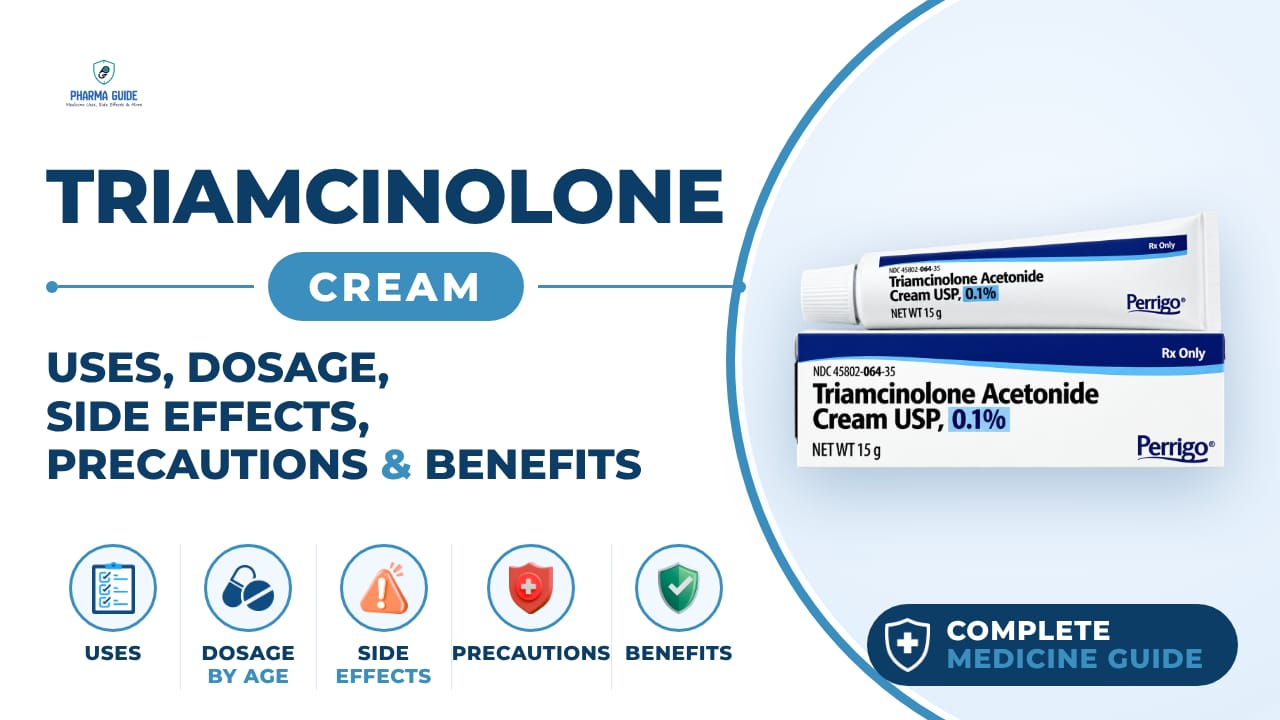
Triamcinolone Cream: Uses, Dosage, Side Effects, Precautions and Alternates
corticosteroid (glucocorticoid)
Triamcinolone Cream is a mid-potency corticosteroid that treats eczema, psoriasis, and allergic rashes by reducing skin inflammation, redness, and itching.
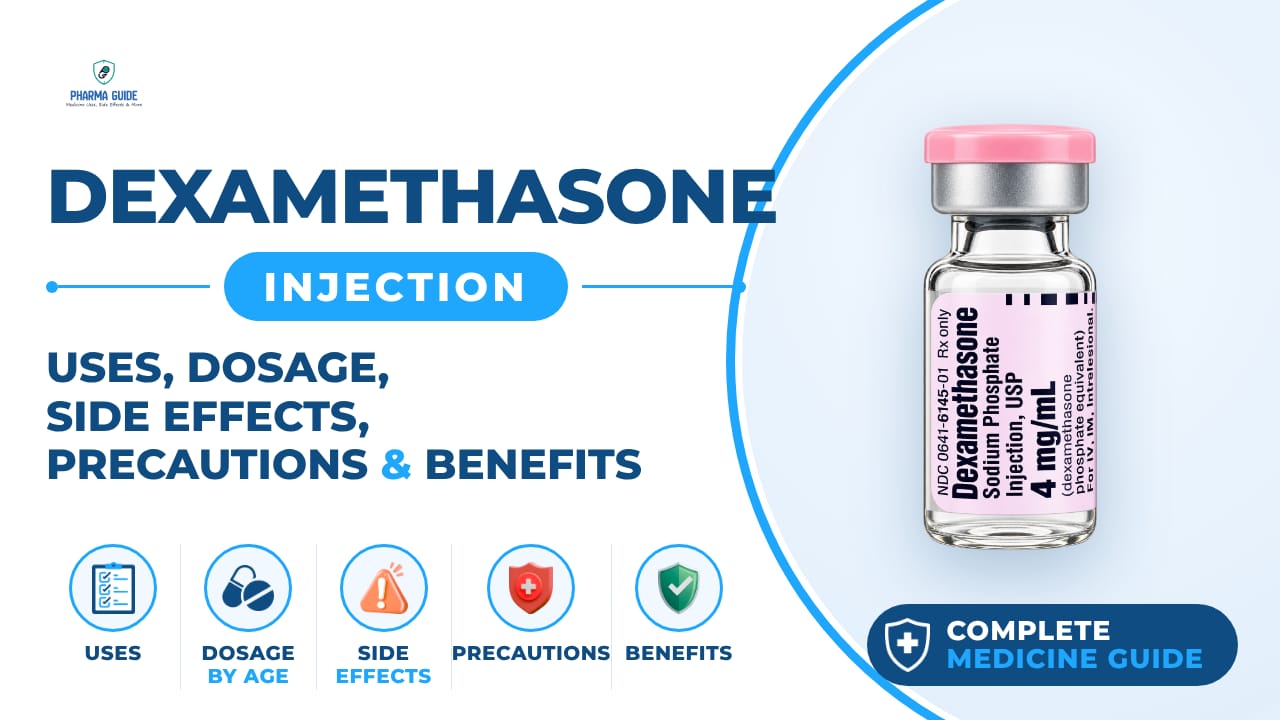
Dexamethasone Injection: Uses, Dosage, Side Effects, Precautions and Alternates
Corticosteroid (glucocorticoid)
Dexamethasone Injection is a corticosteroid shot used for inflammation, allergic reactions, breathing problems, and more. Learn uses, dosage, and side effects.