
Safety
General information, not medical advice
Your prescriber and the leaflet in your pack know your situation. This page does not.
- Follow your prescriber and the leaflet
- Don't start, stop, or change a dose on your own
- Doses and warnings differ by country and product
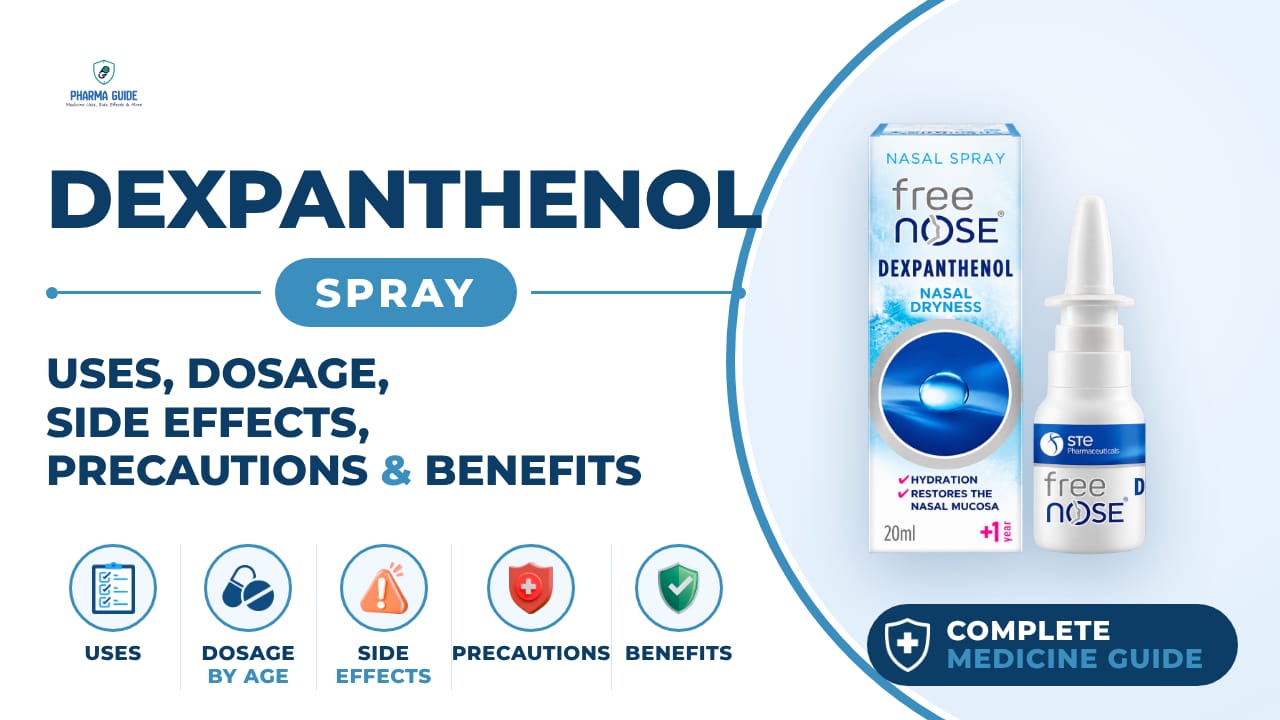
Dexpanthenol Spray: Uses, Dosage, Side Effects, Precautions and Alternates
| Generic name | Dexpanthenol |
|---|---|
| Forms | Mouthwash, Eye gel, Ointment or cream, Foam spray, Topical cream, Nasal spray/drops |
Quick overview
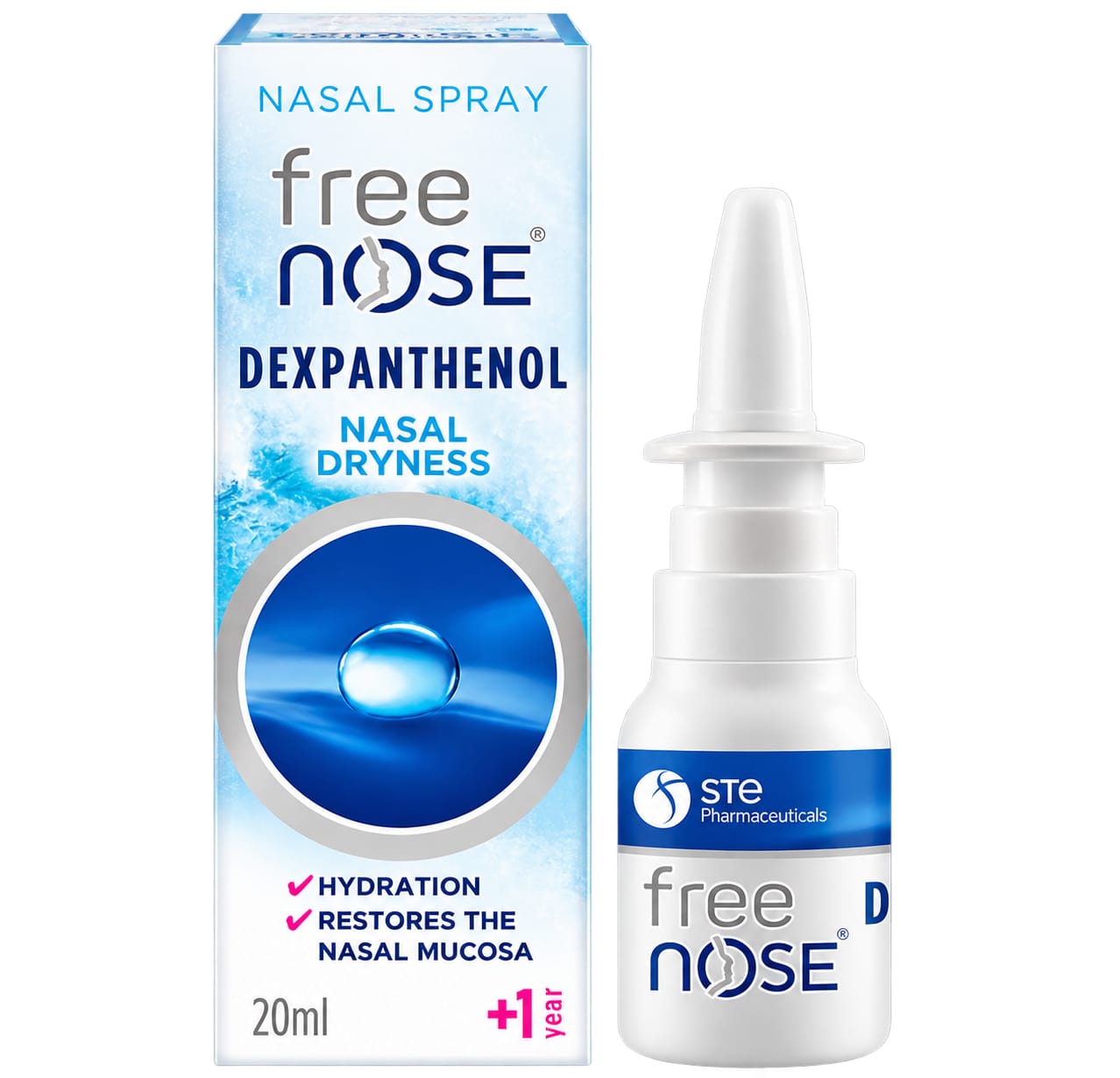
Dexpanthenol Spray is a nasal spray containing dexpanthenol (provitamin B5), sometimes combined with saline or decongestants like xylometazoline. It is used to soothe and protect dry or irritated nasal passages and to support healing of the nasal lining. It works by helping the nasal lining retain moisture, encouraging cell repair, and reducing mild inflammation.
What is Dexpanthenol Spray
Dexpanthenol spray is a nasal spray that contains dexpanthenol, also called provitamin B5. It is sometimes combined with saline or decongestants like xylometazoline. It is used to soothe and protect the lining of the nose.
Dexpanthenol Spray uses
- Treatment of dry or irritated nasal mucosa (due to dry air, dust, heated/air-conditioned rooms, or overuse of harsh decongestants)
- Adjunctive care during or after acute rhinitis (common cold) or minor nasal procedures to speed up mucosal healing
- Soothing and protecting the nasal passages from crusting
Benefits of Dexpanthenol Spray
- Promotes repair and protection of the nasal lining, helpful for dry, irritated, or crusty nasal passages
- When combined with decongestant sprays, speeds up recovery from acute rhinitis and reduces drying effects on nasal cilia better than decongestants alone
- Attracts and retains moisture, preventing the nasal lining from drying out and cracking
- Helps reduce mild local inflammation and supports natural tissue regeneration
How Dexpanthenol Spray works
Dexpanthenol helps skin and the lining of the nose hold onto moisture, encourages new cell growth which helps healing, reduces inflammation, and strengthens the skin's protective barrier.
Dexpanthenol Spray dosage
This spray is used as a spray applied to the nose. It may be used together with decongestant nasal sprays. For external skin use, apply to the affected area.
| Age group | Dose |
|---|---|
| Under 2 years | Standard dosing is not established |
| 2–11 years | 1 spray into each nostril, 2–4 times daily |
| 12–64 years | 1 spray into each nostril, 2–4 times daily |
Available forms and strengths
- Mouthwash
- Eye gel
- Ointment or cream
- Foam spray
- Topical cream
- Nasal spray/drops
Side effects of Dexpanthenol Spray
Common
- Mild skin irritation
- Redness
- Itching
- Temporary mild burning, stinging, dryness, or itching in the nose immediately after spraying
- Tingling
- Hives
Serious
- Allergic reactions
- Rare instances of local hypersensitivity, rash, or swelling
- Mild respiratory irritation or transient bronchospasm in sensitive individuals (with inhaled sprays)
Warnings and precautions
- Do not use this medicine if you are allergic to dexpanthenol or any of its ingredients.
- This product is for external use only and should not get into the eyes.
- Using it continuously for 3 to 6 months may cause dizziness, dry mouth, nose bleeds, and upset stomach.
- Keep this medicine out of reach of children.
- Use with caution during pregnancy, only if the benefits outweigh the risks. Talk to your health professional before using.
- Dexpanthenol may pass into breast milk, so use with caution while breastfeeding and check with a health professional first.
- No routine kidney-related dose adjustment is required for topical use. No routine liver-related dose adjustment is required.
- No meaningful direct interaction is expected with alcohol and topical dexpanthenol. It does not normally affect driving.
Storage
Store dexpanthenol spray at room temperature, typically below 25°C (77°F), unless the product label states otherwise. Keep it in a cool, dry place away from direct sunlight, heat, and moisture.
When to see a doctor
- If you take too much by accident, get medical help right away or contact a poison control center.
- If you have a severe or persistent reaction, stop using the product and talk to your healthcare provider.
Alternatives
- Panthenol
- Dexpanthenol
- Petrolatum
- Aloe vera gel
Watch the video
FAQs
What is Dexpanthenol Spray used for?
It treats dry or irritated nasal mucosa caused by dry air, dust, or overuse of decongestants, aids healing after colds or minor nasal procedures, and soothes nasal passages from crusting.
How does Dexpanthenol Spray work?
It helps the nasal lining hold onto moisture, encourages new cell growth to support healing, reduces inflammation, and strengthens the skin's protective barrier.
What is the dosage for Dexpanthenol Spray?
For ages 2 to 64, the typical dose is 1 spray into each nostril, 2 to 4 times daily. Standard dosing is not established for children under 2 years.
What are the side effects of Dexpanthenol Spray?
Common side effects include mild skin irritation, redness, itching, tingling, hives, and temporary burning, stinging, or dryness in the nose after spraying. Serious effects can include allergic reactions, local hypersensitivity, rash, swelling, or mild respiratory irritation.
Is Dexpanthenol Spray safe during pregnancy or breastfeeding?
It should be used with caution during pregnancy only if benefits outweigh risks, and with caution while breastfeeding since it may pass into breast milk. Consult a health professional before use.
General information, not medical advice
Your prescriber and the leaflet in your pack know your situation. This page does not.
- Follow your prescriber and the leaflet
- Don't start, stop, or change a dose on your own
- Doses and warnings differ by country and product
Sources
Video
Related medicines

Injectafer Injection: Uses, Dosage, Side Effects, Precautions and Alternates
Iron products
Injectafer (ferric carboxymaltose) treats iron deficiency anemia and heart failure-related iron deficiency via IV. Learn uses, dosage, side effects, and

Gliclazide Tablet: Uses, Dosage, Side Effects, Precautions and Alternates
Sulfonylurea (hypoglycemic/antidiabetic agent)
Gliclazide Tablet is a sulfonylurea for type 2 diabetes that boosts insulin release. Learn about dosage, side effects, warnings, and precautions.