
Safety
General information, not medical advice
Your prescriber and the leaflet in your pack know your situation. This page does not.
- Follow your prescriber and the leaflet
- Don't start, stop, or change a dose on your own
- Doses and warnings differ by country and product
Diprolene Cream: Uses, Dosage, Side Effects, Precautions and Alternates
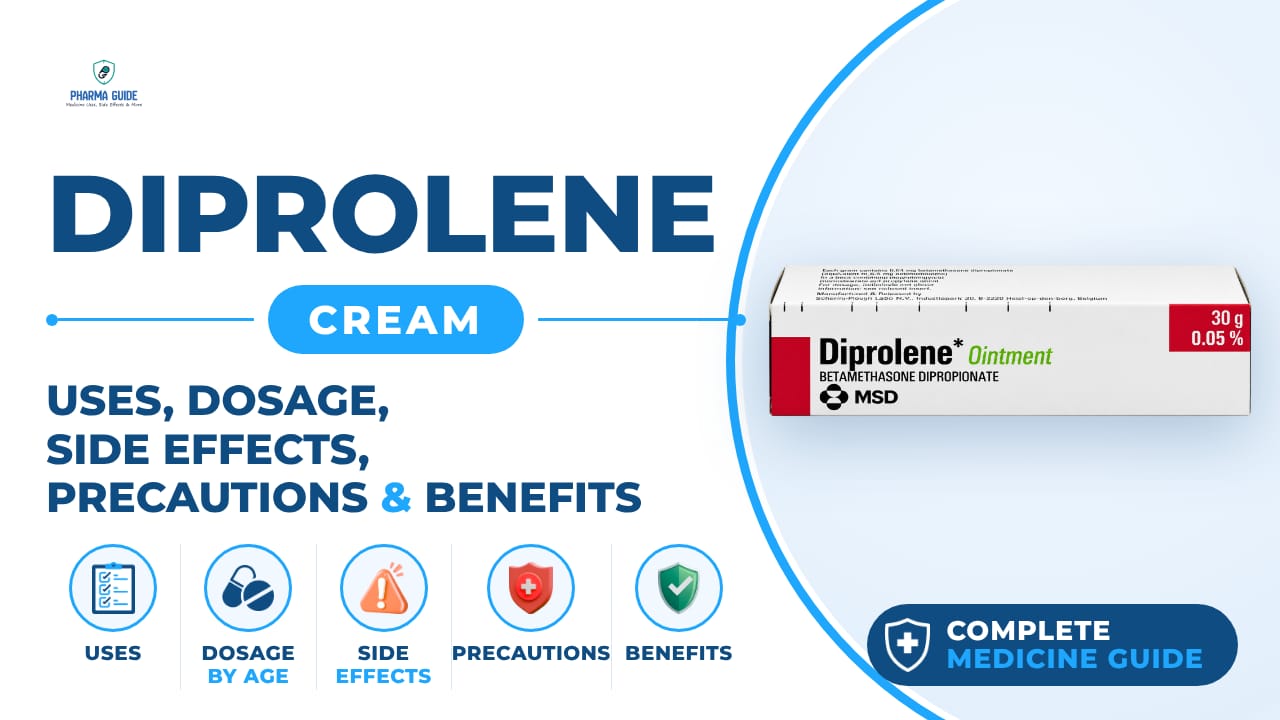
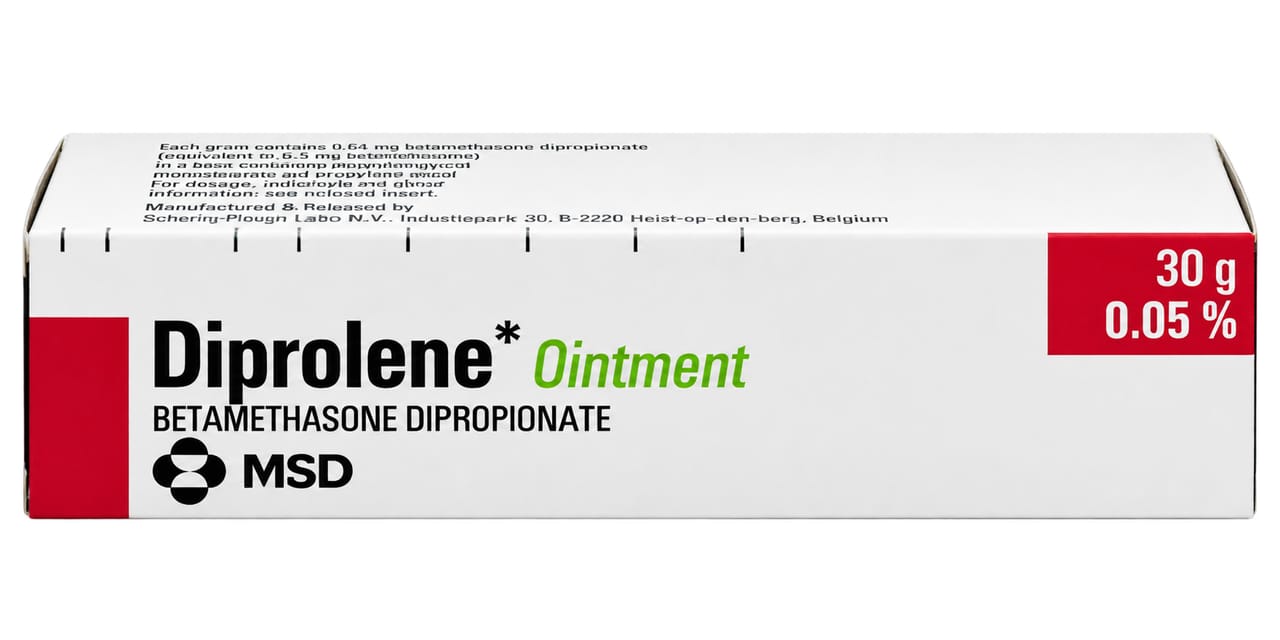
| Generic name | betamethasone dipropionate |
|---|---|
| Drug class | Topical corticosteroid |
| Forms | Cream, Ointment, Lotion, Foam |
Quick overview
Diprolene Cream (betamethasone dipropionate) is a very strong, super-high potency topical corticosteroid used on the skin to treat inflammation, redness, and itching caused by certain skin conditions such as eczema and psoriasis. It works by calming the skin's inflammatory response and narrowing small blood vessels in the treated area. It is available in cream, ointment, lotion, and foam forms, and should be used exactly as directed by a doctor.
What is Diprolene Cream
Diprolene is a very strong (super-high potency) steroid cream or ointment used on the skin to treat inflammation, redness, and itching from certain skin conditions. Its generic name is betamethasone dipropionate, and it belongs to the topical corticosteroid drug class.
Diprolene Cream uses
- Treats inflammation and itching caused by skin conditions such as eczema and psoriasis
- Relieves redness, swelling, heat, pain and itching caused by psoriasis and other corticosteroid-responsive skin problems
Benefits of Diprolene Cream
- Reduces redness, swelling, and itching from severe skin conditions
- Can clear or greatly improve psoriasis and eczema symptoms with regular use
How Diprolene Cream works
Diprolene calms down the skin's overactive inflammatory response. It works like a switch that turns off the chemicals in the skin that cause redness, swelling, and itching, and it also narrows small blood vessels in the treated area to further reduce inflammation.
Diprolene Cream dosage
Use exactly as your doctor directs; follow all directions on your prescription label. Apply only to the skin — do not swallow it, and do not use in or near your eyes, mouth, or on open wounds, sunburned, windburned, dry, or irritated skin. Rinse with water right away if the medicine gets in your eyes or mouth.
Wash your hands before and after applying, unless you are treating the skin on your hands. Apply a thin layer to the affected area and rub in gently; do not apply over a large area of skin. Do not cover the treated area with a bandage or dressing unless your doctor tells you to, since this increases how much medicine your body absorbs. Avoid using it on the face, underarms, or groin area unless your doctor tells you to.
Use it regularly for the best results, and stop once your symptoms clear up. Call your doctor if your skin does not improve after two weeks or if it gets worse. Do not use for longer than two weeks in a row unless your doctor says otherwise.
If you miss a dose, apply it as soon as you remember, but skip it if it's almost time for your next dose — do not apply two doses at once. If using the foam form, avoid smoking or being near heat or open flame until it has completely dried on the skin. This medicine is not recommended for children younger than 12 to 13 years old without a doctor's advice.
| Age group | Dose |
|---|---|
| Under 13 years | Not recommended |
| 13–17 years | Apply a thin layer once or twice daily to affected areas; use only as directed by a doctor |
| 18–64 years | Apply a thin layer once or twice daily |
| 65 years and older | Apply a thin layer once or twice daily; use the lowest effective amount |
Available forms and strengths
- Cream
- Ointment
- Lotion
- Foam
Side effects of Diprolene Cream
Common
- Itching, redness, burning, stinging, or blistering of treated skin
- Skin bruising or shiny appearance
- Folliculitis (redness or crusting around hair follicles)
- Dryness
- Skin irritation
Serious
- Severe skin irritation where the medicine was applied
- Signs of skin infection (swelling, redness, warmth, oozing)
- Blurred vision, tunnel vision, eye pain, or seeing halos around lights
- Slow wound healing, thinning skin, increased body hair
- Increased thirst or urination, dry mouth, fruity breath odor
- Weight gain, puffiness in the face
- Muscle weakness, tired feeling, depression, anxiety, feeling irritable
- Signs of an allergic reaction: hives, difficulty breathing, swelling of face, lips, tongue, or throat
Warnings and precautions
- It is not known if this medicine can harm an unborn baby. Tell your doctor if you are pregnant, since your doctor will need to weigh the benefits against possible risks.
- It's not fully known whether this medicine passes into breast milk, so talk to your doctor before breastfeeding. If applying to the chest, avoid areas that could touch the baby's mouth.
- For external use only — do not use orally, in the eyes, or intravaginally. Avoid contact with the eyes. Long-term exposure near the eyes may increase the risk of glaucoma and cataracts. Avoid the face, groin, and underarms (axillae) unless specifically directed by a doctor.
- Tell your doctor if you have liver disease before using this medicine.
- Do not use on areas with skin thinning (atrophy). Do not use occlusive dressings or tightly cover the treated area unless prescribed. Avoid applying to large areas or using excessive amounts because absorption can increase.
- Do not use for longer than recommended; treatment should be stopped when the condition is controlled. Do not exceed 50 g per week.
- Prolonged or excessive use can cause HPA-axis suppression, adrenal insufficiency, or other systemic corticosteroid effects.
- Children have a higher risk of systemic absorption and local skin reactions such as thinning, bruising, and visible small blood vessels. Do not use if you have a known allergy to betamethasone, other corticosteroids, or any ingredient in the cream.
- Do not use this medicine on skin infections, open wounds, or areas with viral infections like chickenpox, cold sores, or shingles unless your doctor tells you to.
- Do not use this medicine under an airtight or watertight bandage unless your doctor says to.
- Your skin can absorb this steroid medicine, which may cause side effects throughout your whole body, especially with long-term or excessive use.
- Steroids can affect a child's growth. Tell your doctor if your child is not growing normally while using this medicine.
- Do not use more than the recommended weekly amount or for longer than directed, because this raises the risk of the medicine affecting your body's hormone system.
- Avoid using this medicine on the face, underarms, or groin unless your doctor tells you to, since these areas absorb more medicine and have higher risk of side effects.
Storage
- Store at room temperature away from moisture and heat.
- Store between 15° and 30°C.
- Keep out of the reach and sight of children.
When to see a doctor
- Get emergency medical help if you have signs of an allergic reaction such as hives, trouble breathing, or swelling of your face, lips, tongue, or throat.
- Stop using the medicine and call your doctor right away if you have severe skin irritation or signs of skin infection like swelling, redness, warmth, or oozing.
- Stop using the medicine and call your doctor if you have vision changes such as blurred vision, tunnel vision, eye pain, or seeing halos around lights.
- Seek emergency medical attention or contact your local poison control center if someone accidentally swallows this medicine.
- Call your doctor if your skin condition does not improve after two weeks, or if it gets worse.
Alternatives
- Clobetasol propionate 0.05% Cream
- Triamcinolone acetonide 0.1% Cream
- Mometasone furoate 0.1% Cream
Watch the video
FAQs
What is Diprolene Cream used for?
Diprolene Cream treats inflammation, redness, and itching caused by skin conditions such as eczema and psoriasis, relieving swelling, heat, pain, and itching from corticosteroid-responsive skin problems.
How should I use Diprolene Cream?
Apply a thin layer to the affected skin once or twice daily as directed, rubbing in gently. Avoid large areas, the face, underarms, or groin unless told otherwise, and do not cover with a bandage unless your doctor says to. Do not use for longer than two weeks in a row unless advised.
What are the side effects of Diprolene Cream?
Common side effects include itching, redness, burning, stinging, blistering, bruising, dryness, and folliculitis. Serious effects can include severe skin irritation, signs of infection, vision changes, slow wound healing, thinning skin, increased thirst or urination, weight gain, muscle weakness, and allergic reactions.
Can children use Diprolene Cream?
Diprolene is not recommended for children younger than 12 to 13 years without a doctor's advice. Children have a higher risk of systemic absorption and local skin reactions, and steroids can affect a child's growth.
How much Diprolene Cream can I use per week?
You should not exceed 50 g per week, and treatment should be stopped once your skin condition is controlled. Call your doctor if your skin does not improve after two weeks or gets worse.
General information, not medical advice
Your prescriber and the leaflet in your pack know your situation. This page does not.
- Follow your prescriber and the leaflet
- Don't start, stop, or change a dose on your own
- Doses and warnings differ by country and product
Sources
Video
Related medicines
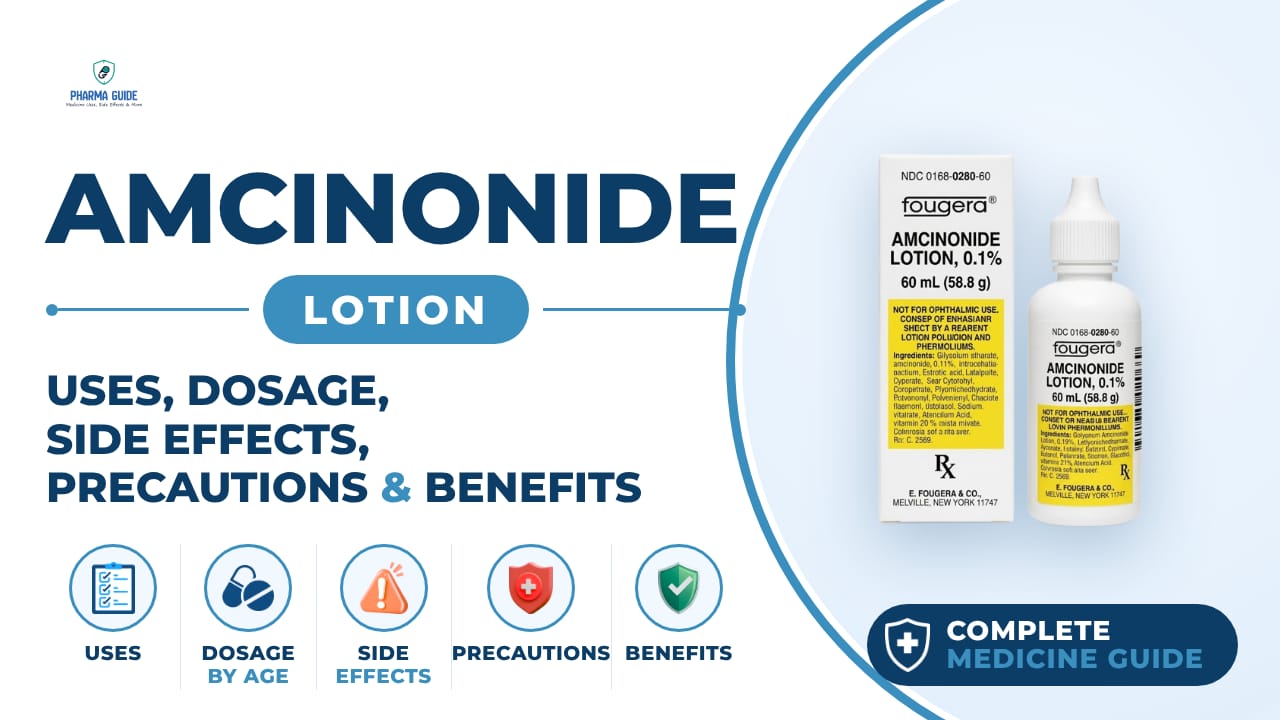
Amcinonide Lotion: Uses, Dosage, Side Effects, Precautions and Alternates
Topical corticosteroid
Amcinonide Lotion is a high-potency corticosteroid for eczema, dermatitis, and psoriasis. Learn uses, dosage, side effects, and precautions.
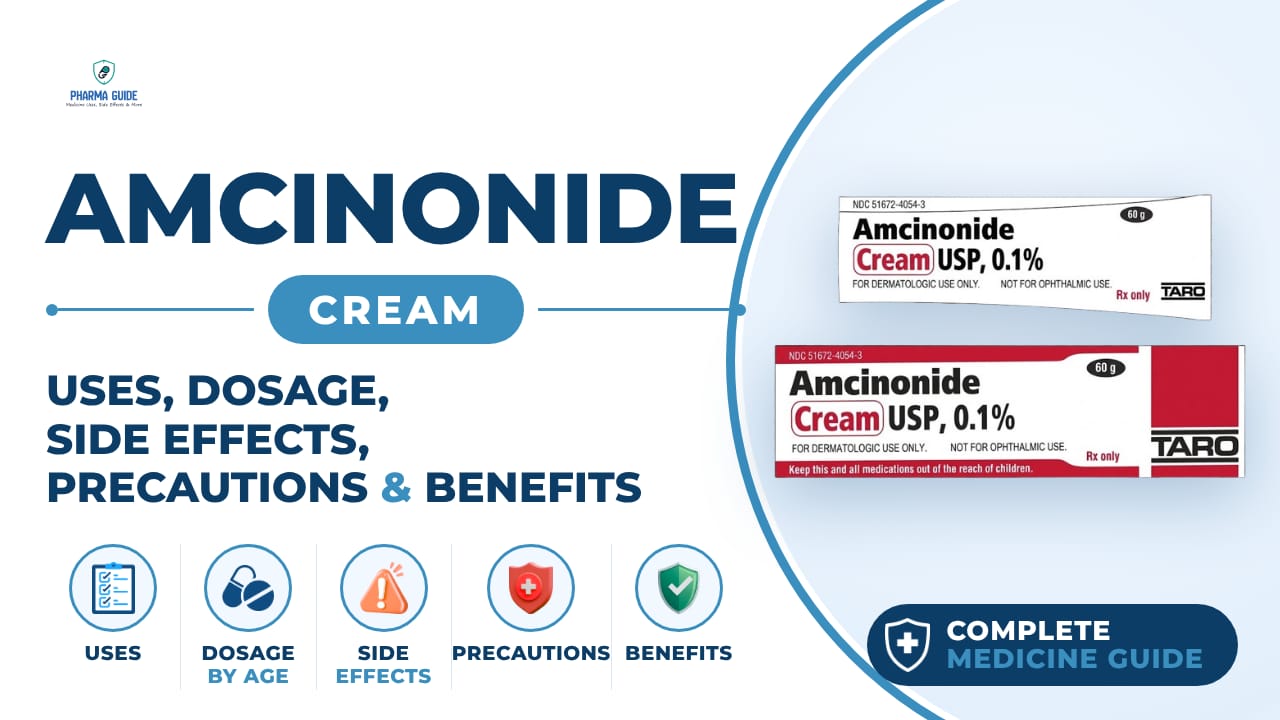
Amcinonide Cream: Uses, Dosage, Side Effects, Precautions and Alternates
Topical corticosteroid
Amcinonide Cream is a high-potency corticosteroid that relieves itching, redness, and inflammation from eczema, dermatitis, and psoriasis.