
Safety
General information, not medical advice
Your prescriber and the leaflet in your pack know your situation. This page does not.
- Follow your prescriber and the leaflet
- Don't start, stop, or change a dose on your own
- Doses and warnings differ by country and product
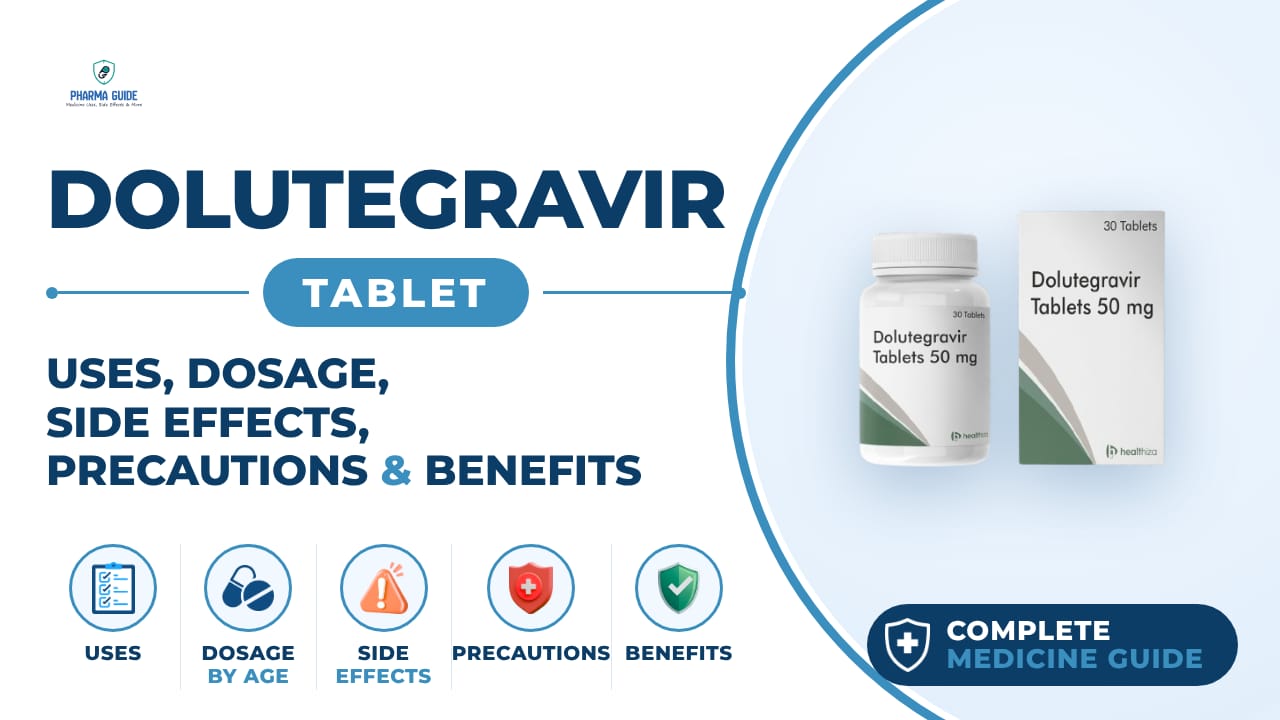
Dolutegravir Tablet: Uses, Dosage, Side Effects, Precautions and Alternates
| Generic name | Dolutegravir |
|---|---|
| Drug class | HIV integrase strand transfer inhibitor (INSTI) |
| Forms | Tablet |
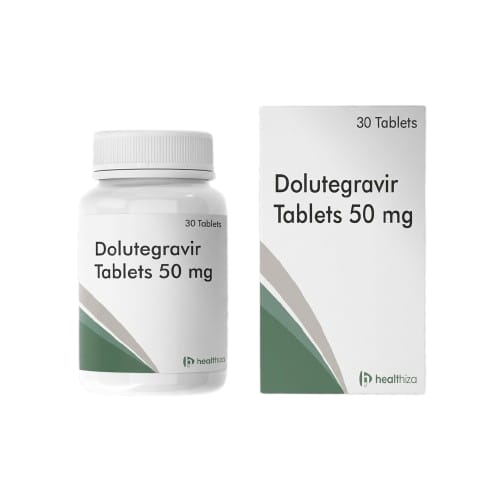
Quick overview
Dolutegravir Tablet (generic name: Dolutegravir) is an HIV integrase strand transfer inhibitor used together with other HIV medicines to treat HIV-1 infection. It does not cure HIV, but it lowers the amount of virus in the body and helps increase CD4 cells that fight infection. It is taken once a day and comes as a tablet.
What is Dolutegravir Tablet
Dolutegravir is an antiviral medicine used together with other HIV medicines to treat human immunodeficiency virus (HIV) infection. It does not cure HIV, but it lowers the amount of virus in the body and helps increase the number of CD4 cells (white blood cells that help fight infection).
Dolutegravir Tablet uses
- Treatment of HIV-1 infection in combination with other antiretroviral medicines in adults and children weighing at least 20-30 kg (depending on product)
- As part of a complete regimen with rilpivirine in adults who are virologically suppressed and switching from a stable antiretroviral regimen
- May be used with other HIV medicines to reduce the risk of getting HIV infection after a known exposure (post-exposure prophylaxis)
Benefits of Dolutegravir Tablet
- Lowers the amount of HIV virus in the blood and keeps it at a low level
- Increases CD4 cell count, helping the immune system fight infection
- May decrease the chance of developing AIDS and HIV-related illnesses
- May decrease the risk of passing HIV to other people
How Dolutegravir Tablet works
Dolutegravir blocks an HIV enzyme called integrase, which the virus needs to copy its genetic material into human cells. By blocking this step, the medicine stops HIV from multiplying.
Dolutegravir Tablet dosage
Take exactly as your doctor tells you, always in combination with other HIV medicines. It can be taken with or without food; if taking it twice a day, your doctor may advise taking it with food. Swallow the tablet whole with liquid. The tablet-for-suspension form may be taken whole, or dissolved in drinking water as directed; do not chew, cut, or crush these tablets. Children must not swallow more than one tablet at a time, to reduce the risk of choking. Take at around the same time each day.
If you take antacids, laxatives, or supplements containing aluminum, magnesium, iron, or calcium, take them 2 hours before or 6 hours after your dose, unless you take your dose with food, in which case they can be taken together. Continue taking this medicine even if you feel well; do not stop without talking to your doctor. Do not run out of medicine; refill before your supply is low.
| Age group | Dose |
|---|---|
| Under 18 years | Not recommended |
| 18–64 years | 50 mg, once/day |
| 65+ years | 50 mg, once/day |
Available forms and strengths
- Tablet
Side effects of Dolutegravir Tablet
Common
- Headache
- Diarrhea
- Nausea
- Trouble sleeping (insomnia)
- Abnormal dreams
- Tiredness (fatigue)
- Dizziness
- Rash
- Itching
- Vomiting
- Stomach pain or discomfort
- Gas (flatulence)
- Weight gain
- Depression
- Increased liver enzymes
- Increased creatine kinase (muscle enzyme)
Serious
- Severe allergic (hypersensitivity) reactions with rash, fever, fatigue, muscle or joint aches, blisters, facial or mouth swelling, and breathing difficulty
- Liver problems, including hepatitis and liver failure
- Immune reconstitution syndrome (inflammatory response to hidden infections after starting treatment)
- Suicidal thoughts, attempts, or behavior, especially in people with a history of depression or mental illness
- Kidney impairment
- Osteonecrosis (bone tissue death) with long-term combination HIV therapy
Warnings and precautions
- Severe allergic reactions have occurred, sometimes with liver injury. Stop the medicine immediately and get medical help if you develop a rash with fever, tiredness, muscle or joint aches, blisters, mouth sores, or swelling of the face, lips, or tongue, since delaying treatment can be life-threatening.
- Liver problems, including liver failure, have occurred in people taking dolutegravir, even those without prior liver disease. People with hepatitis B or C may be at higher risk.
- Do not take this medicine together with dofetilide, a heart medicine, because it can raise dofetilide levels in the blood to dangerous levels.
- Do not take this medicine with fampridine (dalfampridine), used for multiple sclerosis.
- Starting HIV treatment can cause your immune system to react to hidden infections already in your body, causing new symptoms of infection or inflammation; in rare cases, the immune system may attack healthy tissue.
- Long-term combination HIV therapy may increase risk of bone problems such as osteonecrosis (bone tissue death from reduced blood supply), especially with long-term use, corticosteroid use, alcohol use, weakened immune system, or being overweight.
- Dolutegravir should only be used in pregnancy if the potential benefit outweighs the potential risk. Talk to your doctor about the risks and benefits.
- Breastfeeding is not recommended for mothers with HIV because the virus can pass to the baby through breast milk. It is also not known if dolutegravir passes into breast milk.
- Caution is needed in people with kidney problems. Dosage adjustment is generally not necessary, but close monitoring is recommended, especially in those with severe kidney impairment and prior treatment resistance.
- People with liver problems, including hepatitis B or C, should use this medicine with caution, as liver injury has been reported. Liver function monitoring is recommended. It is not recommended for people with severe liver impairment.
- It is not known how alcohol interacts with this medicine. Ask your doctor before drinking alcohol while taking this medicine.
- This medicine can cause dizziness and other effects that may make you less alert. Do not drive or use machinery until you know how it affects you.
Storage
- Store at room temperature between 20° to 25°C (68° to 77°F)
- Keep in a tightly closed, light-resistant container with a child-resistant cap
- Do not remove the desiccant packet from the bottle if present
- Keep out of the reach and sight of children
- Do not use after the expiry date
- Do not flush medicine down the toilet or pour it into drains; ask your pharmacist how to dispose of unused medicine
When to see a doctor
- Get medical help right away if you develop a rash along with fever, feeling generally unwell, tiredness, muscle or joint aches, blisters or peeling skin, mouth sores, red or swollen eyes, or swelling of the face, lips, mouth, or tongue, or trouble breathing.
- Call your doctor right away if you notice signs of liver problems such as yellowing of the skin or eyes, dark urine, pale stools, nausea, vomiting, loss of appetite, or pain on the right side of your stomach area.
- Tell your doctor immediately if you develop new symptoms of infection (such as fever, headache, stomach ache, or breathing problems) after starting treatment, as this may be a sign your immune system is reacting to a hidden infection.
- Seek medical help right away if you experience thoughts of suicide or self-harm, especially if you have a history of depression or mental health problems.
- If you take too many tablets, contact your healthcare provider or go to the nearest hospital emergency room right away.
Alternatives
- Rilpivirine
- Raltegravir
- Bictegravir
Watch the video
FAQs
What is Dolutegravir Tablet used for?
Dolutegravir is used together with other HIV medicines to treat HIV-1 infection in adults and children weighing at least 20-30 kg. It may also be used with rilpivirine in virologically suppressed adults switching regimens, or with other HIV medicines as post-exposure prophylaxis after known exposure.
How does Dolutegravir Tablet work?
Dolutegravir blocks an HIV enzyme called integrase, which the virus needs to copy its genetic material into human cells. By blocking this step, the medicine stops HIV from multiplying.
What is the dosage of Dolutegravir Tablet for adults?
For adults aged 18-64 years and those 65 and older, the typical dose is 50 mg once a day, taken with or without food. It is not recommended for use in children under 18 years.
What are the common side effects of Dolutegravir Tablet?
Common side effects include headache, diarrhea, nausea, trouble sleeping, abnormal dreams, fatigue, dizziness, rash, itching, vomiting, stomach discomfort, gas, weight gain, depression, and increased liver enzymes or creatine kinase.
Can Dolutegravir Tablet be taken during pregnancy or breastfeeding?
Dolutegravir should only be used in pregnancy if the potential benefit outweighs the risk, so talk to your doctor. Breastfeeding is not recommended for mothers with HIV because the virus can pass to the baby through breast milk.
General information, not medical advice
Your prescriber and the leaflet in your pack know your situation. This page does not.
- Follow your prescriber and the leaflet
- Don't start, stop, or change a dose on your own
- Doses and warnings differ by country and product
Sources
Video
Related medicines

Injectafer Injection: Uses, Dosage, Side Effects, Precautions and Alternates
Iron products
Injectafer (ferric carboxymaltose) treats iron deficiency anemia and heart failure-related iron deficiency via IV. Learn uses, dosage, side effects, and

Gliclazide Tablet: Uses, Dosage, Side Effects, Precautions and Alternates
Sulfonylurea (hypoglycemic/antidiabetic agent)
Gliclazide Tablet is a sulfonylurea for type 2 diabetes that boosts insulin release. Learn about dosage, side effects, warnings, and precautions.