
Safety
General information, not medical advice
Your prescriber and the leaflet in your pack know your situation. This page does not.
- Follow your prescriber and the leaflet
- Don't start, stop, or change a dose on your own
- Doses and warnings differ by country and product
Dulcolax Suppository: Uses, Dosage, Side Effects, Precautions and Alternates
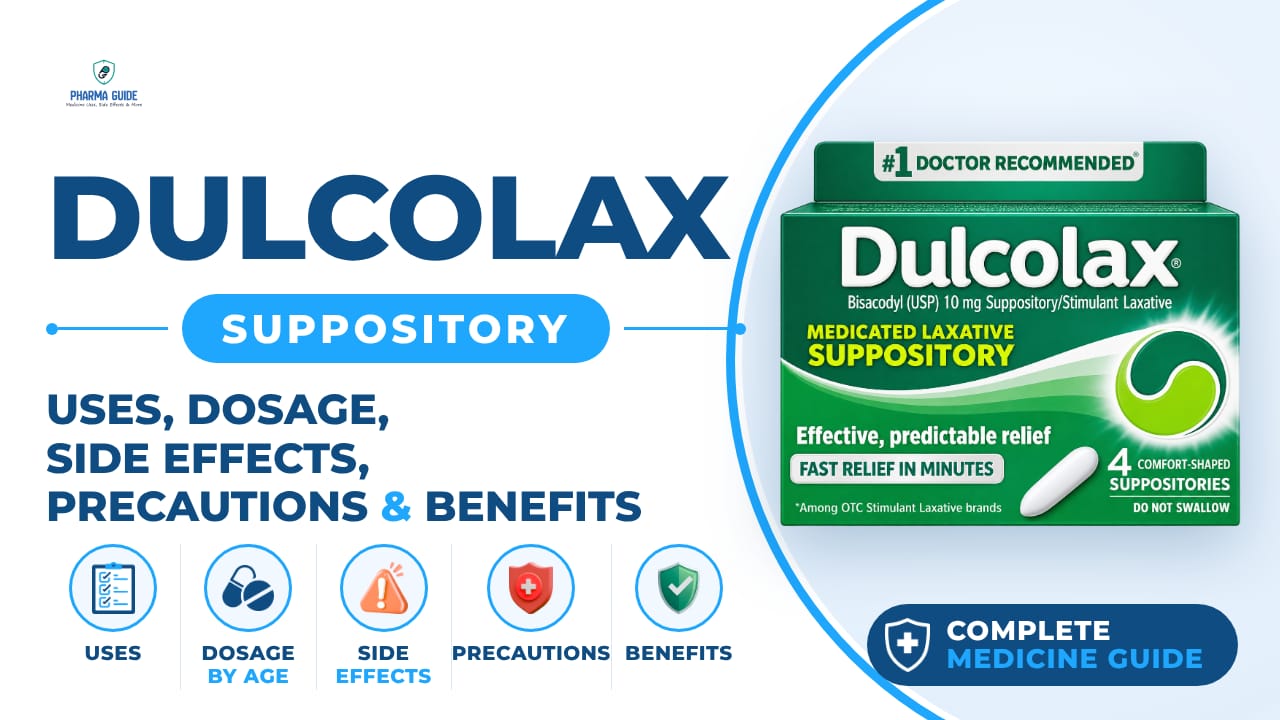
| Generic name | Bisacodyl |
|---|---|
| Drug class | Laxative |
| Forms | Suppository, Tablet, Rectal liquid |
Quick overview
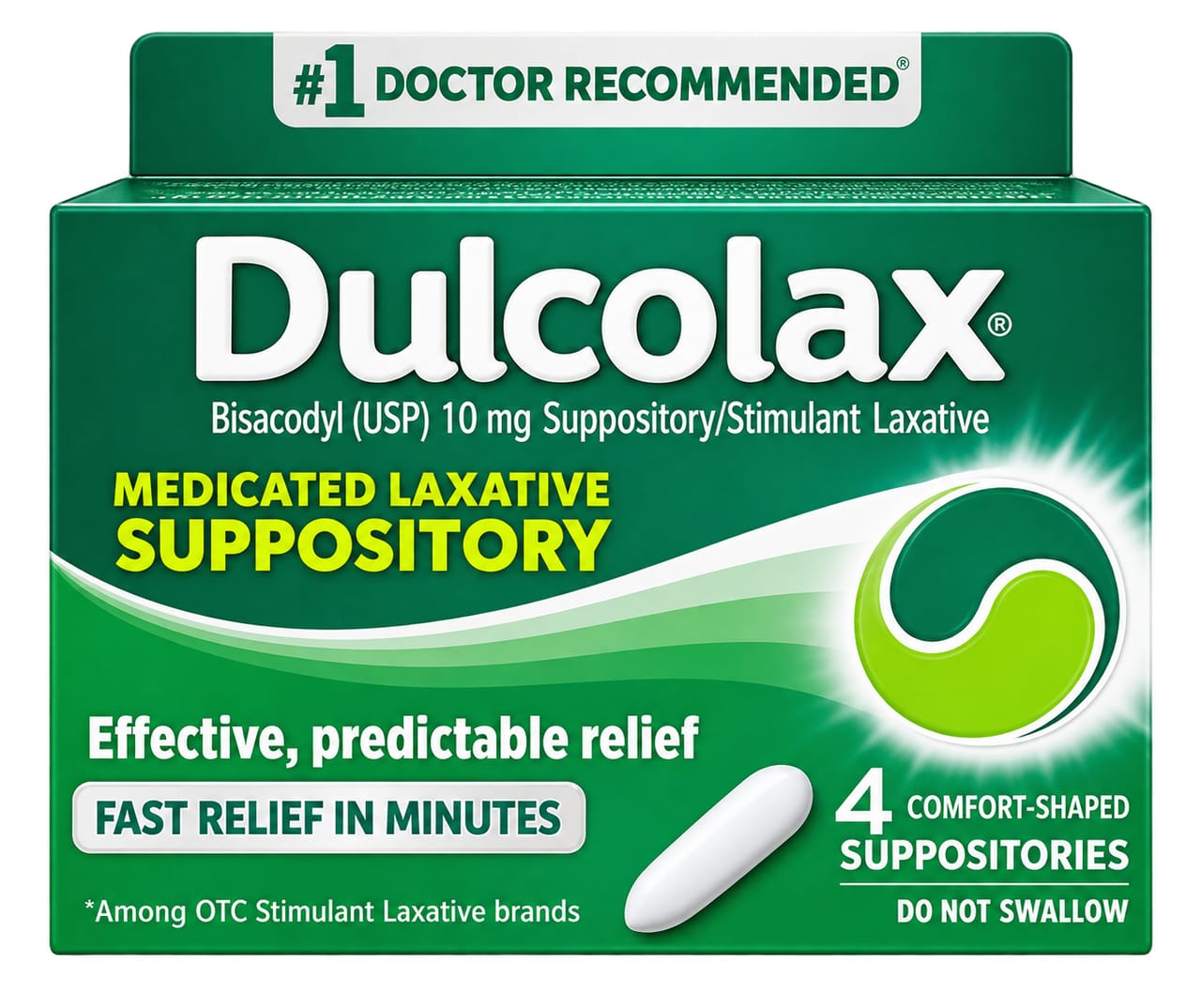
Dulcolax Suppository contains bisacodyl, a laxative that stimulates bowel movements. It is inserted into the rectum to relieve constipation and works within 10–30 minutes. It can also be used to empty the bowel before surgery, colonoscopy, x-rays, or other intestinal procedures.
What is Dulcolax Suppository
Dulcolax is a laxative that stimulates bowel movements. It comes as a suppository that is inserted into the rectum to relieve constipation.
Dulcolax Suppository uses
- Treats constipation
- Empties the bowels before surgery, colonoscopy, x-rays, or other intestinal medical procedures
- Used under medical supervision as an alternative to an enema
Benefits of Dulcolax Suppository
- Provides short-term relief from constipation
- Helps make stool easier to pass
- Works relatively quickly—usually within 10–30 minutes
How Dulcolax Suppository works
Dulcolax works by acting on the lining of the lower bowel to stimulate movement and increase water in the bowel, which produces a soft, formed stool.
Dulcolax Suppository dosage
Wash your hands thoroughly with soap and water before and after use. Remove all of the foil wrapper from the suppository. If the suppository is soft, you may hold it under cool running water or refrigerate it for a few minutes before use. Lie on your side and raise your knee to your chest, then push the suppository gently and slowly, pointed end first, into the rectum. Try to empty your bladder just before using the suppository and stay lying down for a few minutes after inserting it.
Do not swallow the suppository; it is for rectal use only. Avoid straining while passing a bowel motion after use. Do not use more than one rectal suppository per day, and use only as needed for constipation, not on a regular daily schedule. Do not use for longer than recommended, as long-term use is not advised. Older adults should not use this suppository without a doctor's advice, and it should not be given to children under the age recommended by the label without medical advice. Avoid using other medicines within 2 hours before or after using this suppository.
| Age group | Dose |
|---|---|
| Under 2 years | Not recommended unless specifically prescribed |
| 2–9 years | 5 mg once daily, when medically advised |
| 10–17 years | 10 mg once daily |
| 18–64 years | 10 mg once daily |
| 65+ years | Usually 10 mg once daily; use the lowest effective frequency |
Available forms and strengths
- Suppository
- Tablet
- Rectal liquid
Side effects of Dulcolax Suppository
Common
- Stomach or abdominal pain, discomfort, or cramps
- Diarrhoea
- Nausea
- Vomiting
- Rectal burning, irritation, or discomfort
- Feeling light-headed or dizzy
- Fainting
Serious
- Rectal bleeding
- No bowel movement after using the suppository
- Colitis, including ischaemic colitis
- Blood in the stool
- Dehydration
- Signs of a severe allergic reaction: rash, itching or hives, swelling of the face, lips, tongue, or throat, shortness of breath, wheezing, or trouble breathing
Warnings and precautions
- Talk to your doctor before using this medicine if you are pregnant. It may be acceptable to use during pregnancy only with your doctor's recommendation. Dulcolax does not pass into breast milk and can be used while breastfeeding.
- People with kidney problems may be more at risk from fluid and salt imbalances caused by long-term or excessive use, and should only restart the medicine under medical supervision if this happens. It is not known how this medicine interacts with alcohol, so ask your doctor before drinking alcohol while using it. Be careful driving or operating machinery until you know how this medicine affects you, and do not drive if you feel dizzy or faint.
- Do not use if you have acute abdominal conditions like appendicitis, severe inflammatory bowel disease, severe abdominal pain with nausea and vomiting, a bowel blockage, or severe dehydration
- This suppository may cause pain and irritation if you have an anal fissure or inflammation of the rectum
- Long-term or excessive use of this medicine is not recommended and can cause the bowel to become dependent on it, along with salt imbalances, muscle weakness, kidney problems, and fluid imbalance
- Do not use this medicine if you have inflammatory bowel disease, as it may lead to a tear in the wall of the large intestine
- Do not use if you have an intestinal obstruction, as it may worsen your condition
- Do not use this suppository for more than five days without consulting your doctor
Storage
- Keep Dulcolax in a cool dry place where the temperature stays below 25°C
- Do not store Dulcolax or any other medicine in the bathroom or near a sink
- Do not leave it on a window sill or in the car
- Keep it where young children cannot reach it; a locked cupboard at least one-and-a-half metres above the ground is a good place to store medicines
- If your doctor tells you to stop using this medicine or it has passed its expiry date, ask your pharmacist what to do with any that is left over
When to see a doctor
- Get emergency help right away if you have signs of an allergic reaction such as hives, difficulty breathing, or swelling of the face, lips, tongue, or throat
- Stop using the suppository and call your doctor right away if you have rectal bleeding or no bowel movement after using it
- Call your doctor if you do not have a bowel movement after using this medicine, or if you have constipation for longer than 7 days
- Seek medical advice right away if you have used more than the recommended dose
- Seek immediate medical attention if you experience excessive rectal bleeding
Alternatives
- Psyllium (Isabgol)
- Polyethylene Glycol (Macrogol)
- Lactulose
- Sodium Citrate Micro-enema
- Glycerin Suppository
Watch the video
FAQs
How quickly does Dulcolax Suppository work?
It works relatively quickly, usually within 10–30 minutes of insertion.
How do you use Dulcolax Suppository?
Wash your hands, remove the foil wrapper, lie on your side with your knee raised to your chest, and gently push the suppository, pointed end first, into the rectum. Stay lying down for a few minutes afterward and avoid swallowing it since it is for rectal use only.
How many Dulcolax suppositories can I use in a day?
Do not use more than one rectal suppository per day, and only use it as needed for constipation rather than on a regular schedule.
Can Dulcolax Suppository be used during pregnancy or breastfeeding?
It may be acceptable during pregnancy only with a doctor's recommendation. It does not pass into breast milk and can be used while breastfeeding.
What should I do if I have no bowel movement after using the suppository?
Stop using the suppository and call your doctor right away if you have no bowel movement after using it, or if constipation lasts longer than 7 days.
General information, not medical advice
Your prescriber and the leaflet in your pack know your situation. This page does not.
- Follow your prescriber and the leaflet
- Don't start, stop, or change a dose on your own
- Doses and warnings differ by country and product
Sources
Video
Related medicines

Duphalac Syrup: Uses, Dosage, Side Effects, Precautions and Alternates
Laxative
Duphalac Syrup (Lactulose) relieves constipation by softening stools and helps lower ammonia levels in liver disease. Know uses, dosage, and side effects.
Lactulose Syrup: Uses, Dosage, Side Effects, Precautions and Alternates
Laxative
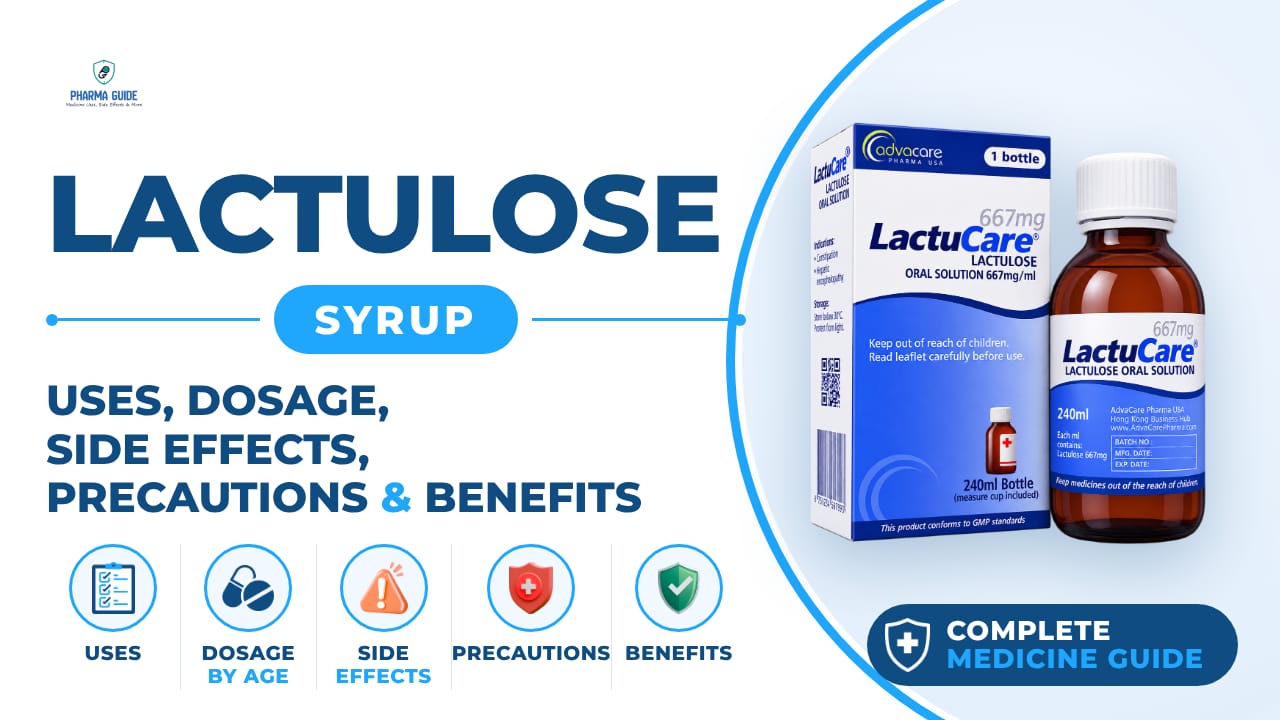
Lactulose Syrup treats constipation and liver-related brain problems by softening stool and lowering blood ammonia. Learn dosage, side effects, and precautions.