
Safety
General information, not medical advice
Your prescriber and the leaflet in your pack know your situation. This page does not.
- Follow your prescriber and the leaflet
- Don't start, stop, or change a dose on your own
- Doses and warnings differ by country and product
Duphalac Syrup: Uses, Dosage, Side Effects, Precautions and Alternates
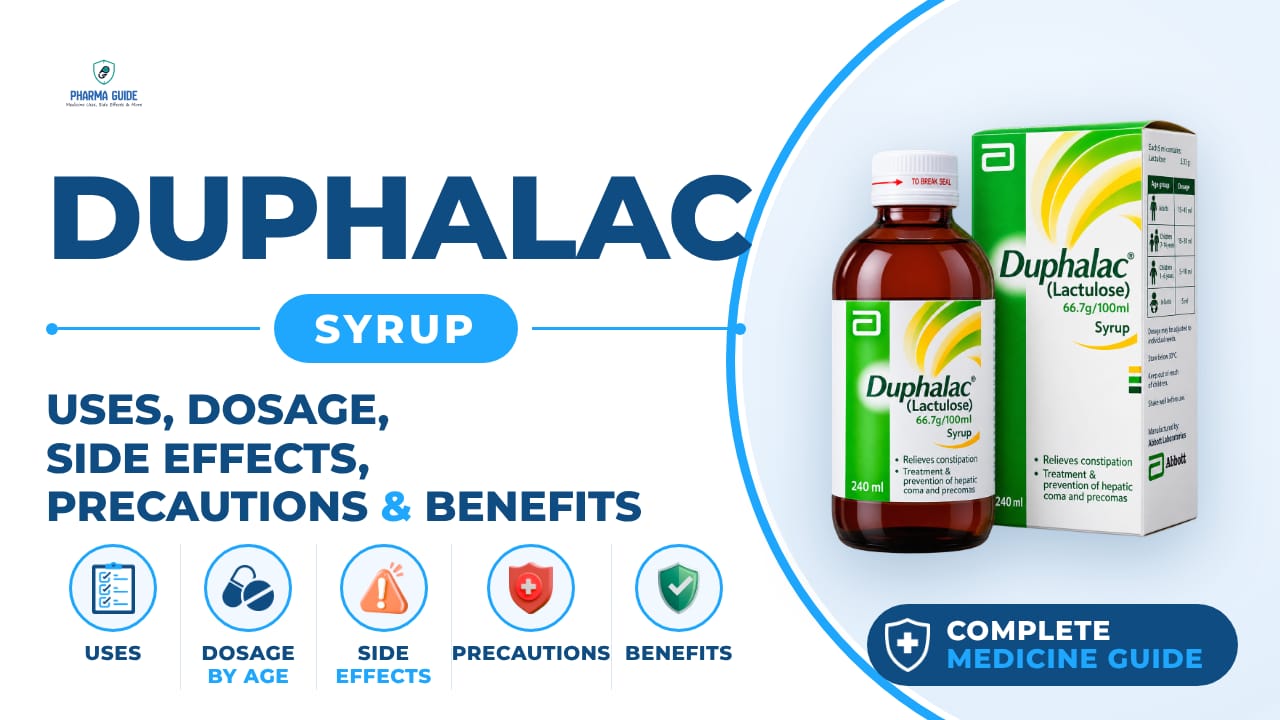
| Generic name | Lactulose |
|---|---|
| Drug class | Laxative |
| Forms | Syrup |
Quick overview
Duphalac Syrup (Lactulose) is a laxative used to relieve chronic and occasional constipation. It works by softening stool so it passes more easily through the intestines. It is also used to prepare the bowel for certain medical procedures and to help reduce ammonia levels in people with liver impairment.
What is Duphalac Syrup
Duphalac Syrup is a gentle laxative that helps relieve constipation. It is a type of sugar that is broken down in the large intestine into mild acids that draw water into the colon, which helps soften the stools.
Duphalac Syrup uses
- Chronic constipation
- Occasional constipation
- Bowel preparation for medical procedures
- Reducing ammonia levels in patients with liver impairment
Benefits of Duphalac Syrup
- Beneficial for patients with liver disease to reduce the risk of complications such as hepatic encephalopathy
How Duphalac Syrup works
Duphalac is a type of sugar that is broken down in the large intestine into mild acids that draw water into the colon, which helps soften the stools.
Duphalac Syrup dosage
Measure the dose using a marked measuring spoon or dose-measuring device, not a regular table spoon. Take with water or juice if desired. Try to take it at the same time each day for best results. Do not take more than the recommended amount. Talk to your doctor before stopping the medicine suddenly.
The liquid may become slightly darker in color over time, which is harmless, but do not use it if it becomes very dark or changes in thickness. It may take up to 48 hours before you have a bowel movement after taking this medicine.
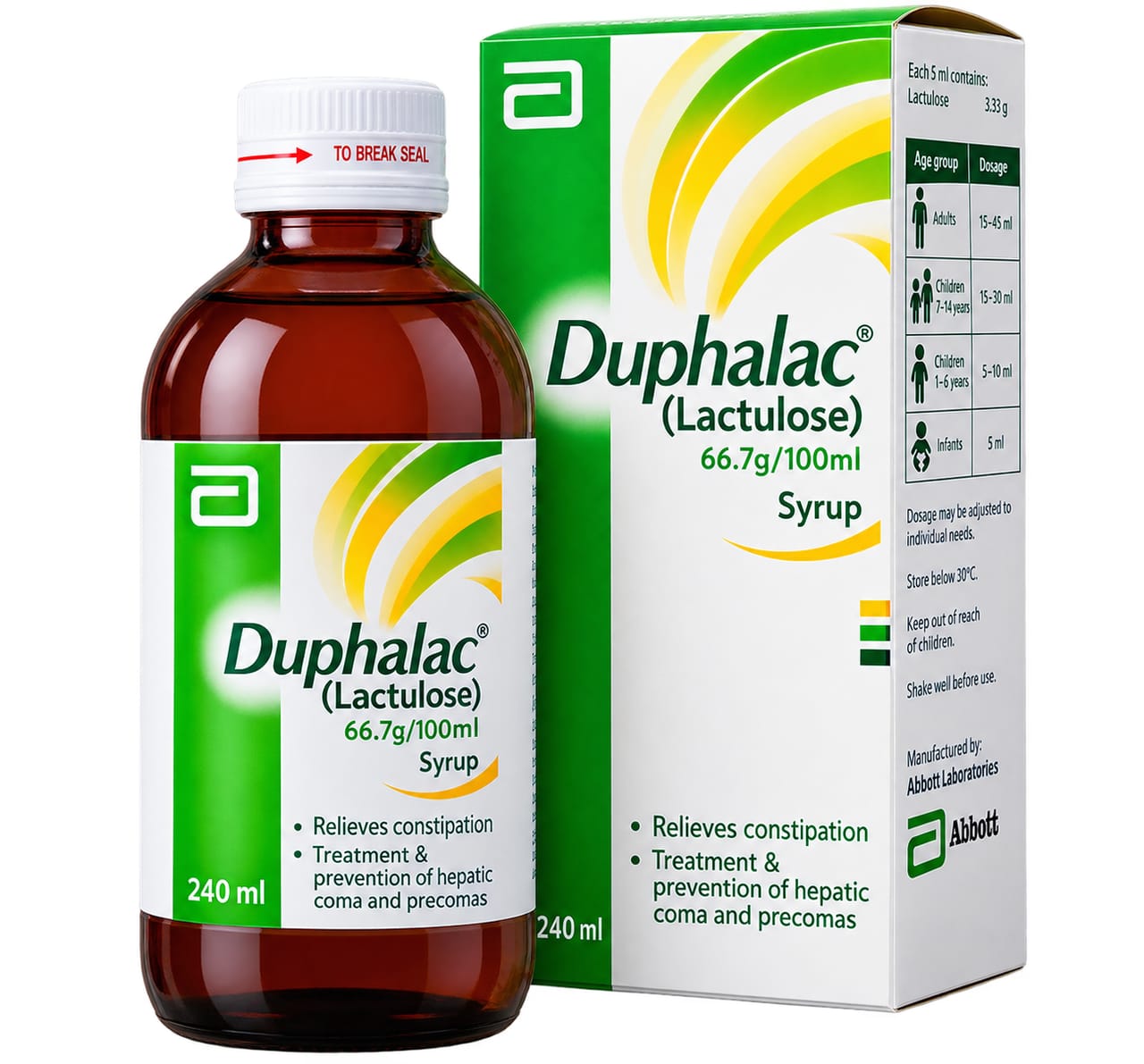
| Age group | Dose |
|---|---|
| Under 1 year | Up to 5 mL/day |
| 1–6 years | 5–10 mL/day |
| 7–14 years | 15 mL/day initially |
| 15–17 years | 15–45 mL/day initially |
| 18–64 years | 15–45 mL/day initially |
Available forms and strengths
- Syrup
Side effects of Duphalac Syrup
Common
- Mild abdominal cramping
- Flatulence
- Nausea
- Diarrhea
- Bloating, gas
- Stomach pain
- Vomiting
Serious
- Severe allergic reactions
- Persistent diarrhea leading to dehydration
- Symptoms of an unexpected intestinal blockage
- Signs of an allergic reaction such as hives, difficulty breathing, or swelling of the face, lips, tongue, or throat
Warnings and precautions
- Do not use this medicine if you are allergic to Lactulose or any of its ingredients.
- Do not use if you have galactosemia.
- Do not use if you have a blockage in the intestines.
- Do not use if you suffer from severe dehydration.
- You should not use this medication if you are on a special diet low in galactose.
- Avoid using antacids without your doctor's advice, since some antacids can make it harder for your body to absorb this medicine.
- This medication is not expected to be harmful to an unborn baby, but tell your doctor if you are pregnant or plan to become pregnant during treatment.
- It is not known whether this medicine passes into breast milk or if it could harm a nursing baby, so tell your doctor if you are breastfeeding.
- This medicine is also used to help reduce ammonia levels in patients with liver impairment.
Storage
- Store at room temperature
- Keep away from heat and direct sunlight
- Keep out of reach of children
- Store away from moisture and heat
When to see a doctor
- Stop using this medicine and call your doctor right away if you have severe or ongoing diarrhea.
- Get emergency medical help if you notice signs of an allergic reaction such as hives, difficulty breathing, or swelling of your face, lips, tongue, or throat.
- Seek emergency medical attention if you think you have taken too much of this medicine, especially if you have diarrhea, stomach pain, hot and dry skin, confusion, uneven heart rate, extreme thirst, increased urination, leg discomfort, or muscle weakness.
Alternatives
- Senna
- Docusate Sodium
- Methylcellulose
- Psyllium Husk / Isabgol
- Polyethylene Glycol (Macrogol)
Watch the video
FAQs
What is Duphalac Syrup used for?
Duphalac Syrup is used to treat chronic and occasional constipation, prepare the bowel for certain medical procedures, and reduce ammonia levels in people with liver impairment.
How does Duphalac Syrup work?
It is a type of sugar that is broken down in the large intestine into mild acids that draw water into the colon, which helps soften the stools.
How long does Duphalac Syrup take to work?
It may take up to 48 hours before you have a bowel movement after taking this medicine.
What are the common side effects of Duphalac Syrup?
Common side effects include mild abdominal cramping, flatulence, nausea, diarrhea, bloating, gas, stomach pain, and vomiting.
Who should not use Duphalac Syrup?
It should not be used by people allergic to Lactulose, those with galactosemia, intestinal blockage, severe dehydration, or those on a low-galactose diet.
General information, not medical advice
Your prescriber and the leaflet in your pack know your situation. This page does not.
- Follow your prescriber and the leaflet
- Don't start, stop, or change a dose on your own
- Doses and warnings differ by country and product
Sources
Video
Related medicines
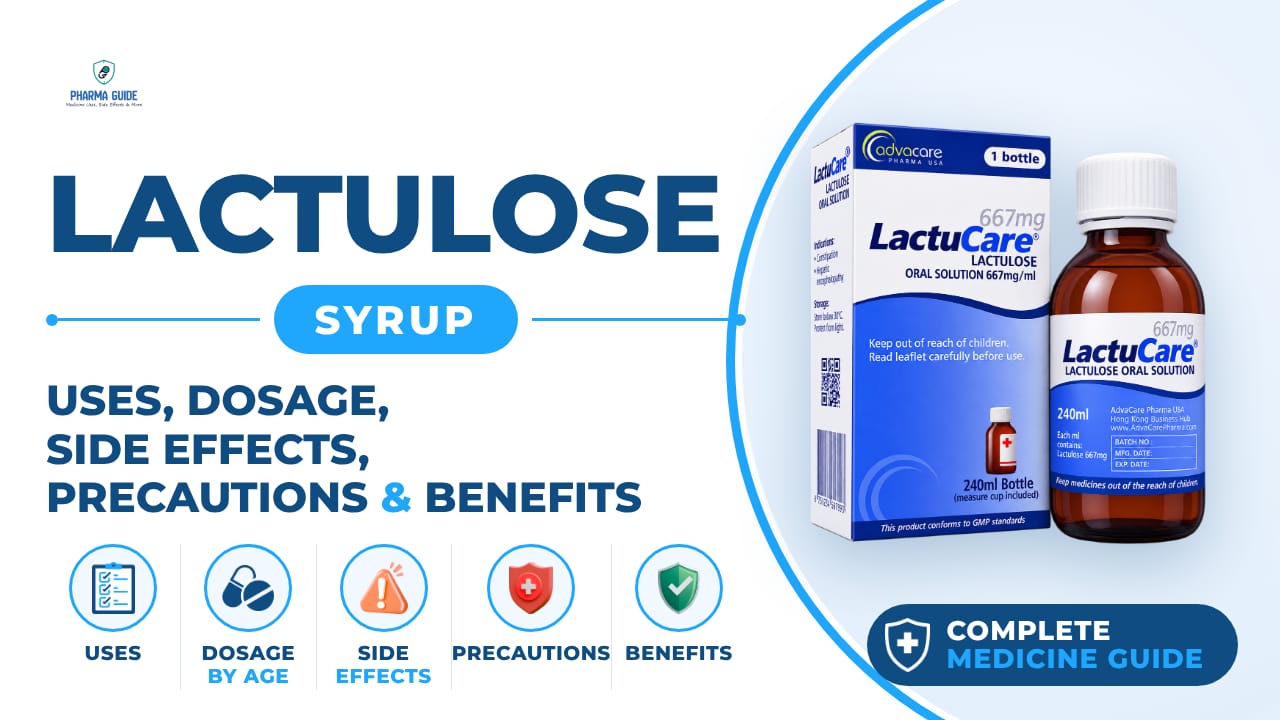
Lactulose Syrup: Uses, Dosage, Side Effects, Precautions and Alternates
Laxative
Lactulose Syrup treats constipation and liver-related brain problems by softening stool and lowering blood ammonia. Learn dosage, side effects, and precautions.
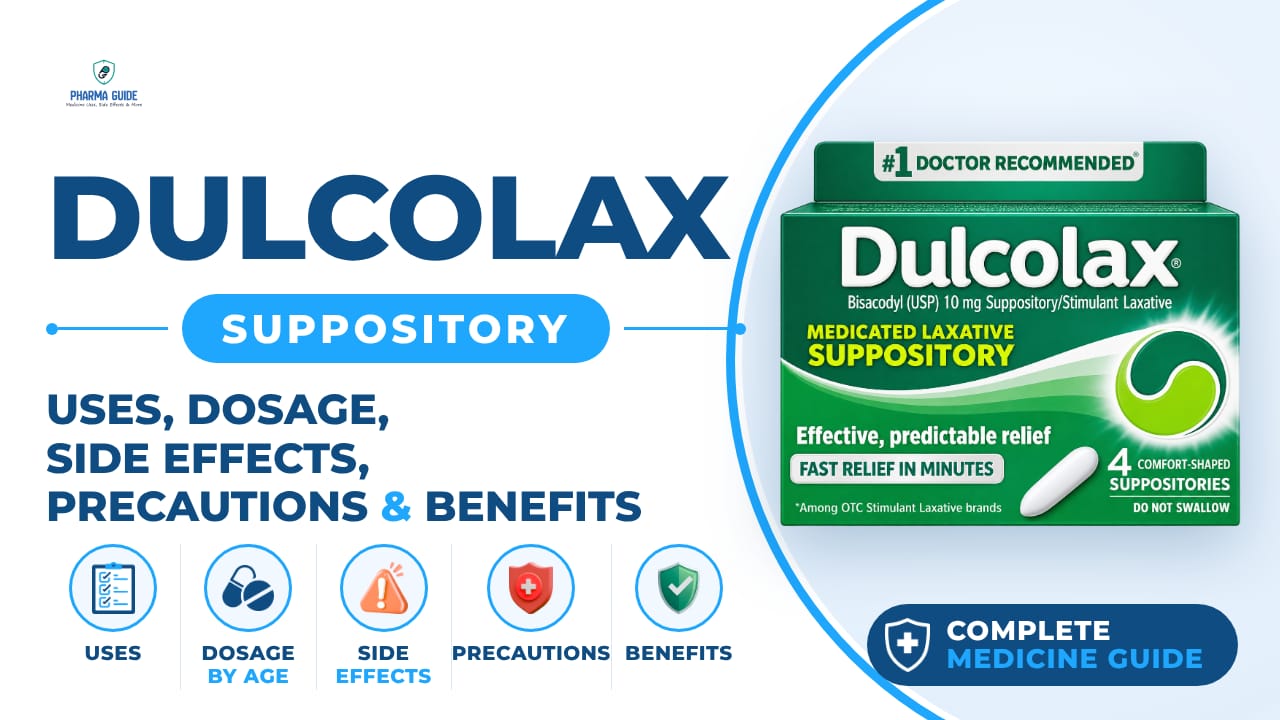
Dulcolax Suppository: Uses, Dosage, Side Effects, Precautions and Alternates
Laxative
Dulcolax Suppository (bisacodyl) relieves constipation within 10–30 minutes and preps the bowel for procedures. Learn dosage, side effects, and precautions.