
Safety
General information, not medical advice
Your prescriber and the leaflet in your pack know your situation. This page does not.
- Follow your prescriber and the leaflet
- Don't start, stop, or change a dose on your own
- Doses and warnings differ by country and product
Lactulose Syrup: Uses, Dosage, Side Effects, Precautions and Alternates
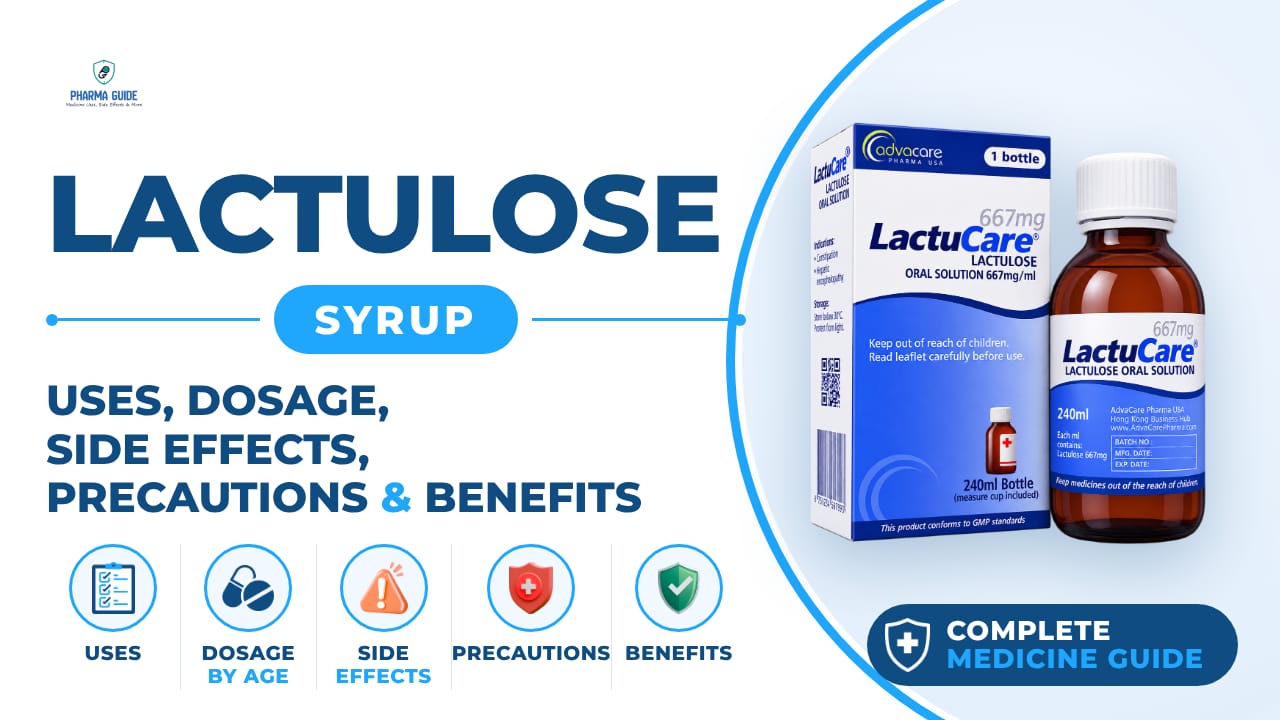
| Generic name | Lactulose |
|---|---|
| Drug class | Laxative |
| Forms | Liquid (syrup, solution, suspension), Powder |
Quick overview
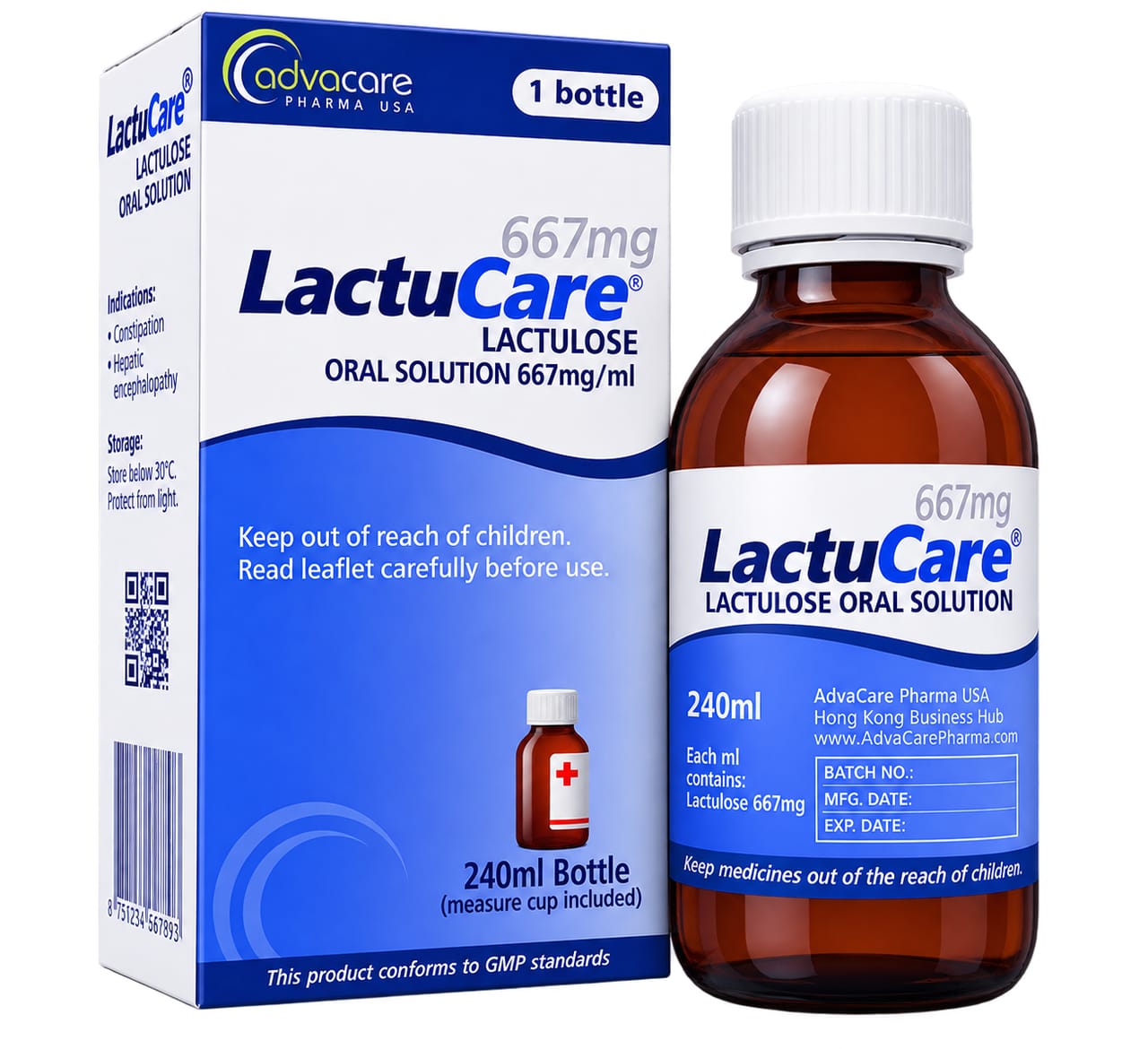
Lactulose Syrup, generically known as lactulose, is a man-made sugar belonging to the laxative drug class. It is used to treat constipation and to treat or prevent brain and mental problems caused by liver disease. It works by softening stool and by reducing ammonia levels in the blood. It is available as a liquid or powder.
What is Lactulose Syrup
Lactulose is a man-made sugar that is used as a laxative to treat constipation. It is also used to treat or prevent brain and mental problems caused by liver disease.
Lactulose Syrup uses
- Constipation
- Hepatic encephalopathy (brain or mental problems caused by liver disease)
Benefits of Lactulose Syrup
- Softens stool to make it easier to pass
- Reduces the amount of ammonia in the blood in people with liver disease
How Lactulose Syrup works
Lactulose is broken down in the colon into substances that draw water into the colon, which softens the stool. It also pulls ammonia out of the blood and into the colon so it can be removed from the body.
Lactulose Syrup dosage
Take this medicine exactly as directed by your doctor; do not take more, less, or more often than prescribed. It is usually taken once a day for constipation and three or four times a day for liver disease. It can be taken with or without food, as advised by your doctor.
Mix your dose with water, milk, or fruit juice to improve the taste. If using the liquid form, measure each dose carefully with the measuring device provided, or ask your pharmacist for one. If using a powder form, mix it well with water right before taking it and do not store the mixed dose for later use. Shake the bottle well before use.
Do not take antacids at the same time as this medicine; talk to your doctor first. Drink plenty of water with this medicine to help avoid stomach irritation.
If you miss a dose, take it as soon as you remember, but if it is almost time for your next dose, skip the missed dose and continue your regular schedule; do not double up doses. Complete the full course of treatment as instructed even if you start to feel better.
People 65 and older should use this drug with care, as they may have more side effects.
| Age group | Dose |
|---|---|
| 1–6 years | Up to 5 mL/day |
| 7–14 years | 15 mL/day initially |
| 15–17 years | 15–45 mL/day initially |
| 18–64 years | 15–45 mL/day initially |
| 65+ years | Usually adult dosing; adjust according to response |
Available forms and strengths
- Liquid (syrup, solution, suspension)
- Powder
Side effects of Lactulose Syrup
Common
- Diarrhea
- Gas
- Nausea or vomiting
- Belching
- Stomach pain or cramps
- Low potassium and magnesium levels
Serious
- Signs of an allergic reaction, like rash, hives, itching, red or swollen skin, wheezing, chest or throat tightness, trouble breathing or swallowing, or swelling of the mouth, face, lips, tongue, or throat
- Signs of high blood sugar like confusion, feeling sleepy, unusual thirst or hunger, urinating more often, flushing, fast breathing, or breath that smells like fruit
- Severe or ongoing diarrhea
- Vomiting
Warnings and precautions
- Tell your doctor if you have diabetes or need a low-lactose or low-galactose diet, since some products contain sugar and this medicine can affect blood sugar levels.
- Diarrhea from this medicine can cause dehydration and electrolyte problems. Talk to your doctor about how to prevent this.
- If you are having a colon or rectal exam or procedure, tell your doctor you are taking this medicine.
- People 65 and older should use this medicine carefully, as they may have more side effects.
- This medicine is not recommended if you have galactosemia, a rare inherited condition affecting how the body processes a milk sugar, as it may worsen the condition.
- This medicine is not recommended if you have intestinal obstruction, since it may worsen the blockage.
- Do not take other laxatives together with this medicine without talking to your doctor, especially when treating liver disease.
- Do not take antacids at the same time as this medicine without talking to your doctor.
- Lactulose is not recommended during pregnancy because there is not enough data on its safety. Tell your doctor if you are pregnant, plan to become pregnant, or become pregnant while taking this medicine.
- Lactulose is not recommended while breastfeeding because it is not known if it passes into breast milk. Discuss the risks and benefits with your doctor.
- Lactulose is used to treat or prevent brain and mental problems caused by liver disease by reducing ammonia levels in the blood.
- It is not known how this medicine interacts with alcohol. Talk to your doctor before drinking alcohol while taking this medicine.
Storage
- Keep this medication in the container it came in, tightly closed, and out of reach of children
- Store it at room temperature and away from excess heat and moisture (not in the bathroom)
- Do not freeze the liquid form
- Protect the liquid form from heat and light
- The liquid may become a little darker over time when stored at room temperature; this does not affect how well it works
- If the liquid gets very dark or cloudy from heat or light exposure, do not use it and talk to your doctor or pharmacist
- Do not flush this medication down the toilet; use a medicine take-back program if available
- Check the expiry date before taking and throw away unused medicine safely after it expires
When to see a doctor
- Get medical help right away if you notice signs of an allergic reaction, such as rash, hives, itching, swollen or blistered skin, wheezing, chest or throat tightness, trouble breathing or swallowing, or swelling of the face, lips, tongue, or throat.
- Get medical help right away if you notice signs of high blood sugar, such as confusion, feeling very sleepy, unusual thirst or hunger, urinating more often, flushing, fast breathing, or fruity-smelling breath.
- Stop taking this medicine and call your doctor right away if you have stomach pain or cramps, or vomiting.
- If you think there has been an overdose, get medical help right away.
Alternatives
- Docusate Sodium
- Calcium Polycarbophil
- Methylcellulose
- Psyllium Husk / Isabgol
- Polyethylene Glycol (Macrogol)
Watch the video
FAQs
What is Lactulose Syrup used for?
It is used to treat constipation and to treat or prevent brain and mental problems caused by liver disease (hepatic encephalopathy).
How does Lactulose Syrup work?
It is broken down in the colon into substances that draw water into the colon to soften stool, and it also pulls ammonia out of the blood into the colon so it can be removed from the body.
How should Lactulose Syrup be taken?
It should be taken exactly as directed, usually once a day for constipation and three or four times a day for liver disease, with or without food, and mixed with water, milk, or fruit juice to improve taste. Liquid doses should be measured carefully, and powder should be mixed with water right before taking.
What are the common side effects of Lactulose Syrup?
Common side effects include diarrhea, gas, nausea or vomiting, belching, stomach pain or cramps, and low potassium and magnesium levels.
Can Lactulose Syrup be taken during pregnancy?
It is not recommended during pregnancy because there is not enough data on its safety, so you should tell your doctor if you are pregnant or planning to become pregnant.
General information, not medical advice
Your prescriber and the leaflet in your pack know your situation. This page does not.
- Follow your prescriber and the leaflet
- Don't start, stop, or change a dose on your own
- Doses and warnings differ by country and product
Sources
Video
Related medicines
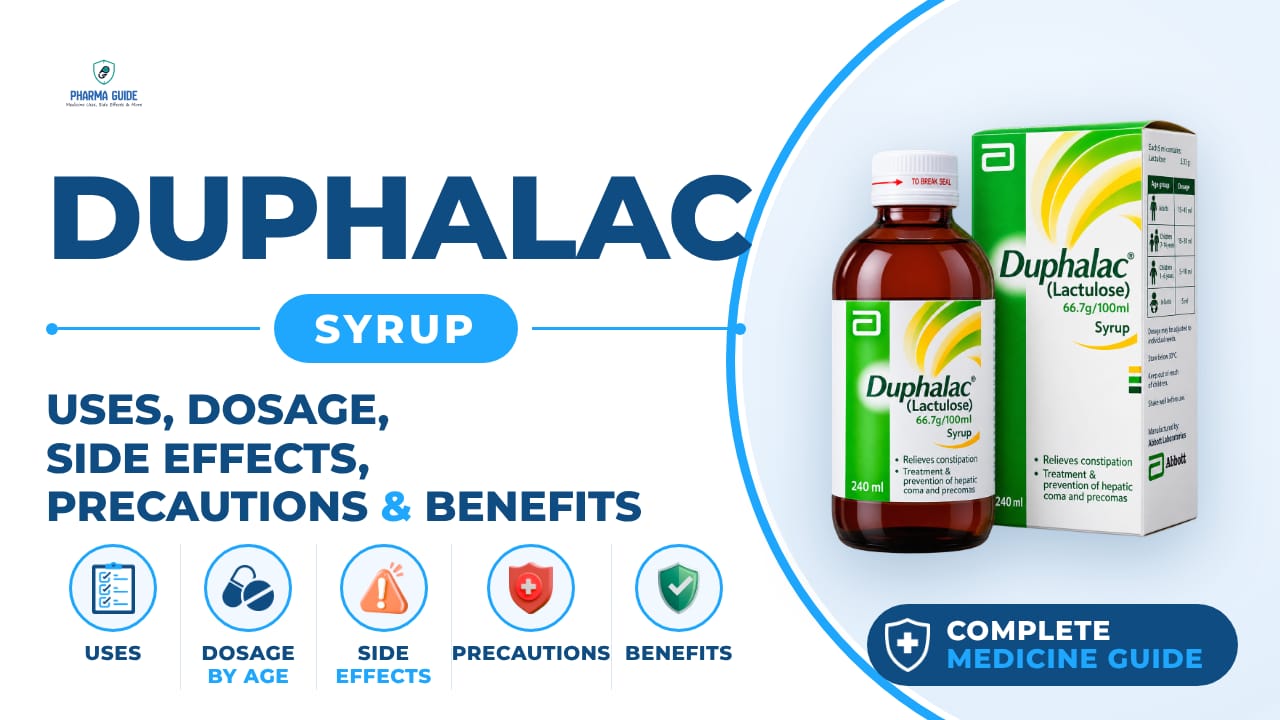
Duphalac Syrup: Uses, Dosage, Side Effects, Precautions and Alternates
Laxative
Duphalac Syrup (Lactulose) relieves constipation by softening stools and helps lower ammonia levels in liver disease. Know uses, dosage, and side effects.
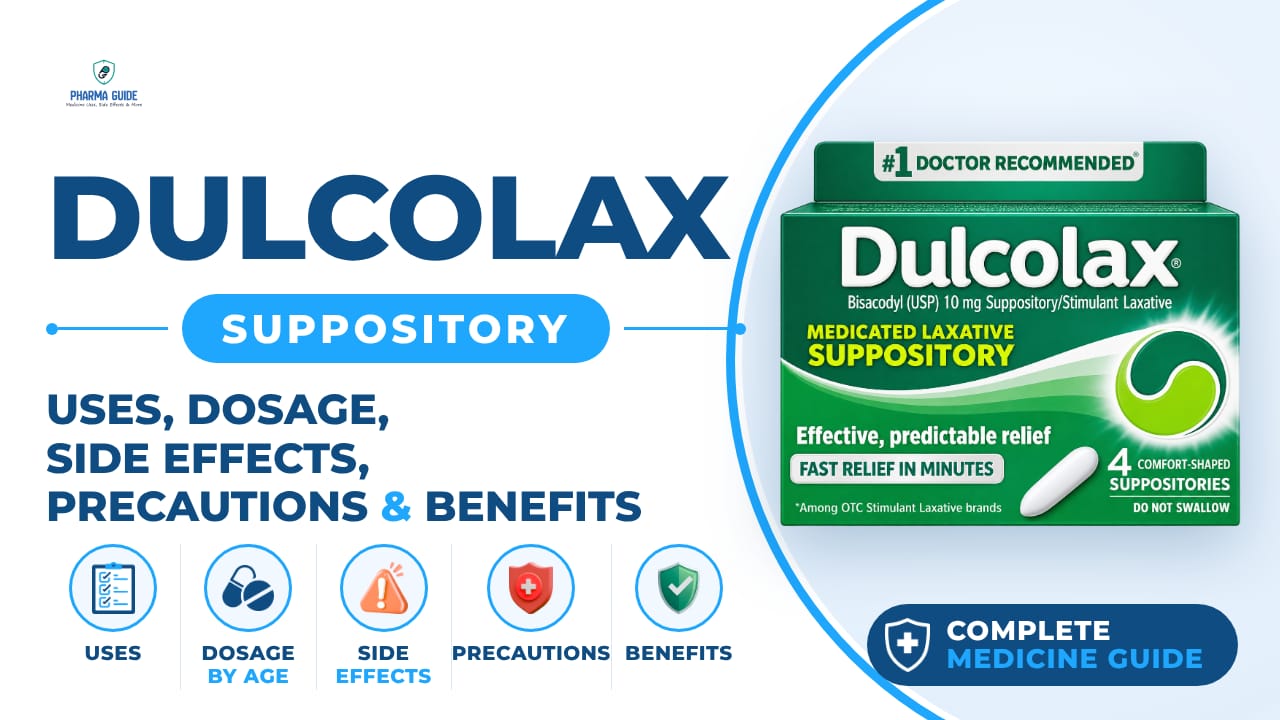
Dulcolax Suppository: Uses, Dosage, Side Effects, Precautions and Alternates
Laxative
Dulcolax Suppository (bisacodyl) relieves constipation within 10–30 minutes and preps the bowel for procedures. Learn dosage, side effects, and precautions.