
Safety
General information, not medical advice
Your prescriber and the leaflet in your pack know your situation. This page does not.
- Follow your prescriber and the leaflet
- Don't start, stop, or change a dose on your own
- Doses and warnings differ by country and product
Eluxadoline Tablet: Uses, Dosage, Side Effects, Precautions and Alternates
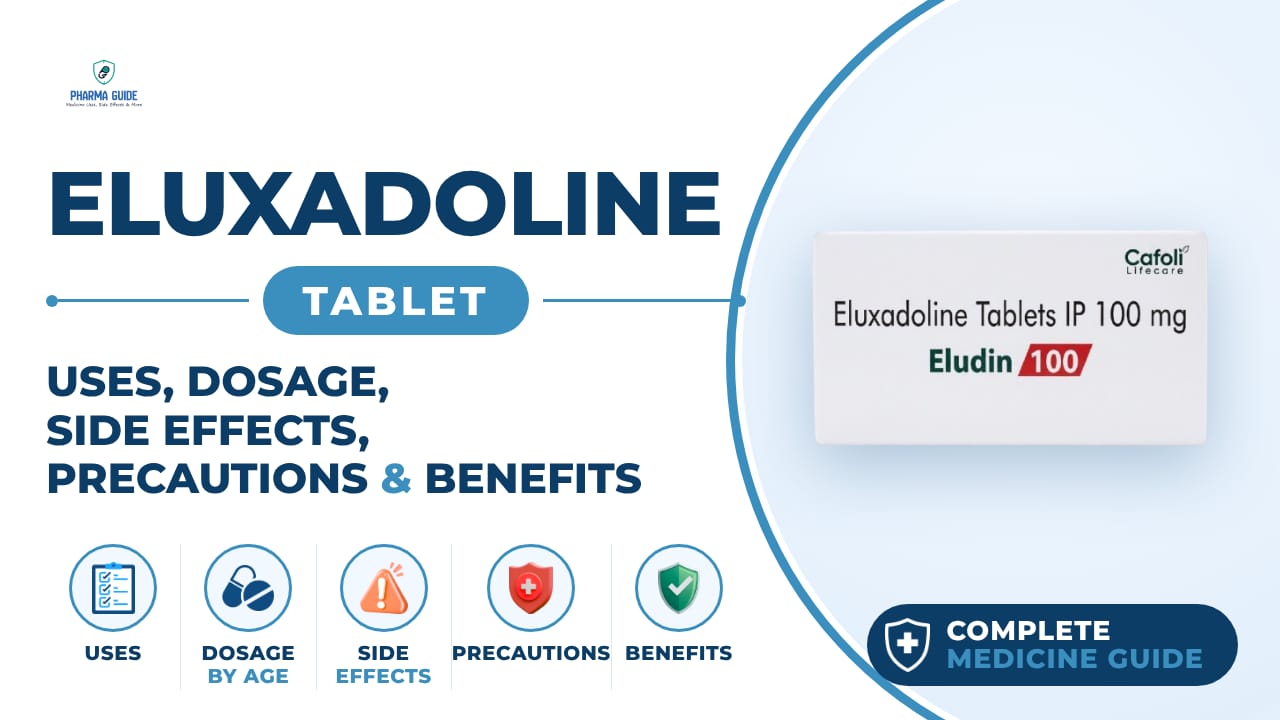
| Generic name | eluxadoline |
|---|---|
| Drug class | Peripheral opioid receptor mixed agonists/antagonists (mu-opioid receptor agonist, delta-opioid receptor antagonist, kappa-opioid receptor agonist) |
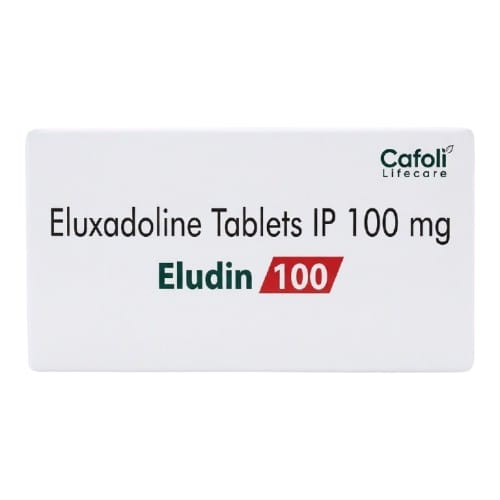
| Forms | Tablet (75 mg), Tablet (100 mg) |
Quick overview
Eluxadoline Tablet (generic name: eluxadoline) is a prescription medicine used to treat irritable bowel syndrome with diarrhea (IBS-D) in adults. It belongs to a class of medicines called peripheral opioid receptor mixed agonists/antagonists and is classified as a controlled substance because it acts on opioid receptors and has some potential for abuse. It works by acting on receptors in the gut to slow bowel activity and reduce pain sensitivity, helping to ease diarrhea and abdominal pain, though it does not cure IBS-D.
What is Eluxadoline Tablet
Eluxadoline is a prescription tablet used to treat irritable bowel syndrome with diarrhea (IBS-D) in adults. It is a controlled substance because it acts on opioid receptors and has some potential for abuse.
Eluxadoline Tablet uses
- Irritable bowel syndrome with diarrhea (IBS-D)
- Recurrent diarrhea associated with IBS-D
- Abdominal discomfort associated with IBS-D
- Urgent bowel movements associated with IBS-D
- Frequent loose stools associated with IBS-D
Benefits of Eluxadoline Tablet
- Can reduce diarrhea symptoms such as loose or watery stools
- May help reduce abdominal pain
- Can improve stool consistency, frequency, and urgency of bowel movements
- May improve overall quality of life related to IBS-D symptoms
How Eluxadoline Tablet works
Eluxadoline works on receptors in the gut to slow down bowel activity and reduce sensitivity to pain, which helps ease diarrhea and stomach pain from IBS-D. It is not a cure, so symptoms can come back about a week after stopping the medicine.
Eluxadoline Tablet dosage
Take by mouth with food, twice daily, at around the same times every day. Follow your prescription label and your doctor's instructions exactly; do not take more, less, or more often than prescribed.
You may take loperamide occasionally for severe diarrhea while on this medicine, but stop loperamide right away if you become constipated. Continue your normal diet unless your doctor tells you otherwise.
If you miss a dose, take it as soon as you remember, with food; but if it's almost time for your next dose, skip the missed dose and go back to your normal schedule — do not double up.
People 65 and older or those with certain health conditions may be started on a lower dose by their doctor.
| Age group | Dose |
|---|---|
| Under 18 years | Not recommended |
| 18–64 years | 100 mg, twice/day |
| 65+ years | 75 mg, twice/day |
Available forms and strengths
- Tablet (75 mg)
- Tablet (100 mg)
Side effects of Eluxadoline Tablet
Common
- Constipation
- Nausea
- Abdominal pain
- Vomiting
- Bloating
- Gas
- Sleepiness/drowsiness
- Dizziness
- Fatigue
Serious
- New or worsening stomach pain that may spread to the back or shoulder, with or without nausea and vomiting (possible sign of pancreatitis or sphincter of Oddi spasm)
- Severe constipation or constipation lasting more than 4 days
- Allergic reaction: hives, swelling of face or throat, shortness of breath, throat tightness, chest pain or tightness, or difficulty swallowing or breathing
Warnings and precautions
- Do not take this medicine if you do not have a gallbladder, as it significantly raises the risk of serious pancreatitis, including cases that required hospitalization or caused death.
- Do not use this medicine if you have had a blocked bile duct, a sphincter of Oddi problem, pancreatitis or a pancreas blockage, long-lasting or severe constipation, a bowel blockage, or liver disease.
- This medicine is an opioid and can lead to psychological dependence or misuse. Use it only exactly as your doctor directs.
- Avoid taking this medicine together with drugs that can increase its levels in the blood, such as cyclosporine, or with other drugs that cause constipation, including opioids and certain anticholinergic medicines, unless your doctor says it's okay.
- Serious allergic reactions, including anaphylaxis, have been reported, sometimes after just the first or second dose.
- This medicine should not be used during pregnancy, as it has not been studied in pregnant women. Tell your doctor if you are pregnant, plan to become pregnant, or become pregnant while taking it.
- This medicine should not be used while breastfeeding, since it is not known whether it passes into human breast milk (it has been found in the milk of nursing rats).
- Tell your doctor if you have or have ever had kidney disease before taking this medicine.
- This medicine should not be used by people with liver disease, as it can build up to much higher, potentially unsafe levels in the body.
- This medicine should not be used by people with alcohol abuse or addiction, or who drink more than 3 alcoholic drinks a day, because it raises the risk of a serious pancreas problem. Limit alcohol use while taking this medicine and discuss safe use of alcohol with your doctor.
- This medicine may make you feel sleepy, dizzy, or tired. Do not drive a car or operate machinery until you know how it affects you.
Storage
- Keep this medication in the container it came in, tightly closed, and out of reach of children
- Store it at room temperature and away from excess heat and moisture (not in the bathroom)
- Store tablets at room temperature (15 to 30°C)
- Dispose of unneeded medication through a medicine take-back program rather than flushing it down the toilet
- Keep all medication out of sight and reach of children
When to see a doctor
- Stop taking this medicine and get medical help right away if you have new or worsening pain in your upper stomach that may spread to your back or shoulder, with or without nausea and vomiting — this can be a sign of a serious pancreas or bile duct problem.
- Stop taking this medicine and contact your doctor if you develop severe constipation that lasts more than 4 days.
- Get emergency medical help if you have signs of a serious allergic reaction, such as hives, trouble breathing, or swelling of your face, lips, tongue, or throat.
- If you think you have taken too much of this medicine, contact your healthcare professional, go to a hospital emergency department, or contact your regional poison control center immediately, even if you have no symptoms.
Alternatives
- Loperamide
- Rifaximin
Watch the video
FAQs
What is Eluxadoline Tablet used for?
It is used to treat irritable bowel syndrome with diarrhea (IBS-D) in adults, helping reduce diarrhea, abdominal pain, urgency, and frequent loose stools.
How should I take Eluxadoline Tablet?
Take it by mouth with food, twice daily, at around the same times each day, exactly as prescribed. The usual adult dose is 100 mg twice daily, while those 65 and older may take 75 mg twice daily.
Who should not take Eluxadoline Tablet?
People without a gallbladder should not take it due to a significantly increased risk of serious pancreatitis. It should also be avoided by those with a blocked bile duct, sphincter of Oddi problems, pancreatitis, severe constipation, bowel blockage, liver disease, or heavy alcohol use.
What are the serious side effects of Eluxadoline Tablet?
Serious side effects include new or worsening stomach pain spreading to the back or shoulder (possible pancreatitis), severe constipation lasting more than 4 days, and allergic reactions such as hives, swelling, or difficulty breathing.
Can I drink alcohol while taking Eluxadoline Tablet?
People with alcohol abuse or who drink more than 3 alcoholic drinks a day should not use this medicine, as it raises the risk of a serious pancreas problem; alcohol use should be limited and discussed with your doctor.
General information, not medical advice
Your prescriber and the leaflet in your pack know your situation. This page does not.
- Follow your prescriber and the leaflet
- Don't start, stop, or change a dose on your own
- Doses and warnings differ by country and product
Sources
Video
Related medicines

Injectafer Injection: Uses, Dosage, Side Effects, Precautions and Alternates
Iron products
Injectafer (ferric carboxymaltose) treats iron deficiency anemia and heart failure-related iron deficiency via IV. Learn uses, dosage, side effects, and

Gliclazide Tablet: Uses, Dosage, Side Effects, Precautions and Alternates
Sulfonylurea (hypoglycemic/antidiabetic agent)
Gliclazide Tablet is a sulfonylurea for type 2 diabetes that boosts insulin release. Learn about dosage, side effects, warnings, and precautions.