
Safety
General information, not medical advice
Your prescriber and the leaflet in your pack know your situation. This page does not.
- Follow your prescriber and the leaflet
- Don't start, stop, or change a dose on your own
- Doses and warnings differ by country and product
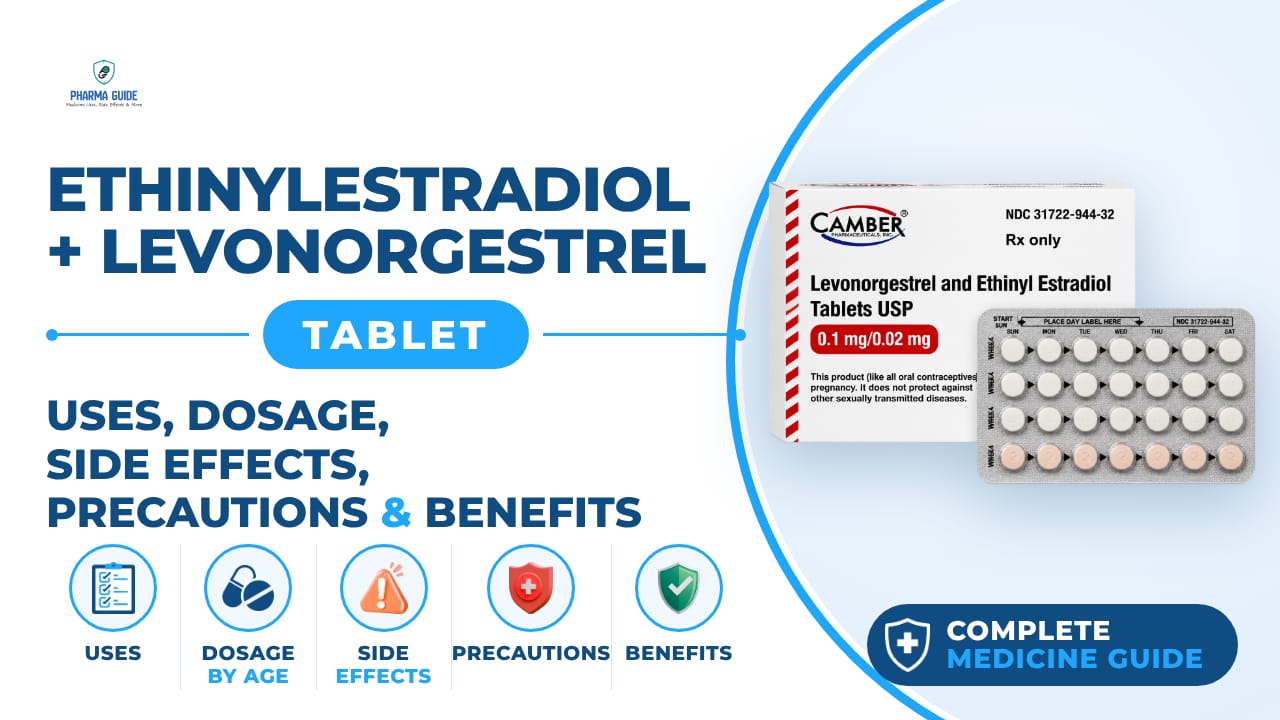
Ethinylestradiol + Levonorgestrel Tablet: Uses, Dosage, Side Effects, Precautions and Alternates
| Generic name | Ethinyl estradiol and levonorgestrel |
|---|---|
| Drug class | Combined oral contraceptive (estrogen and progestin) |
| Forms | Tablet, Tablet, Chewable |
Quick overview
Ethinylestradiol + Levonorgestrel Tablet is a combined oral contraceptive containing an estrogen (ethinyl estradiol) and a progestin (levonorgestrel). It is used to prevent pregnancy and can also help treat heavy or irregular periods, endometriosis, and acne in certain patients. The medicine works by stopping the ovaries from releasing an egg each month. It should be taken by mouth once daily exactly as directed by a doctor.
What is Ethinylestradiol + Levonorgestrel Tablet
This medicine is a combination birth control pill that contains two female hormones, an estrogen (ethinyl estradiol) and a progestin (levonorgestrel). It is used to prevent pregnancy.
Ethinylestradiol + Levonorgestrel Tablet uses
- Preventing pregnancy (birth control)
- Treating heavy or irregular menstrual periods
- Treating endometriosis
- Treating acne in certain patients
Benefits of Ethinylestradiol + Levonorgestrel Tablet
- Prevents pregnancy when taken as directed
- Can help make periods more regular and less heavy
- Can help treat endometriosis symptoms such as pain and heavy bleeding
- Can help improve acne in some patients
How Ethinylestradiol + Levonorgestrel Tablet works
The hormones in this medicine stop the ovaries from releasing an egg each month, so there is no egg for sperm to fertilize.
Ethinylestradiol + Levonorgestrel Tablet dosage
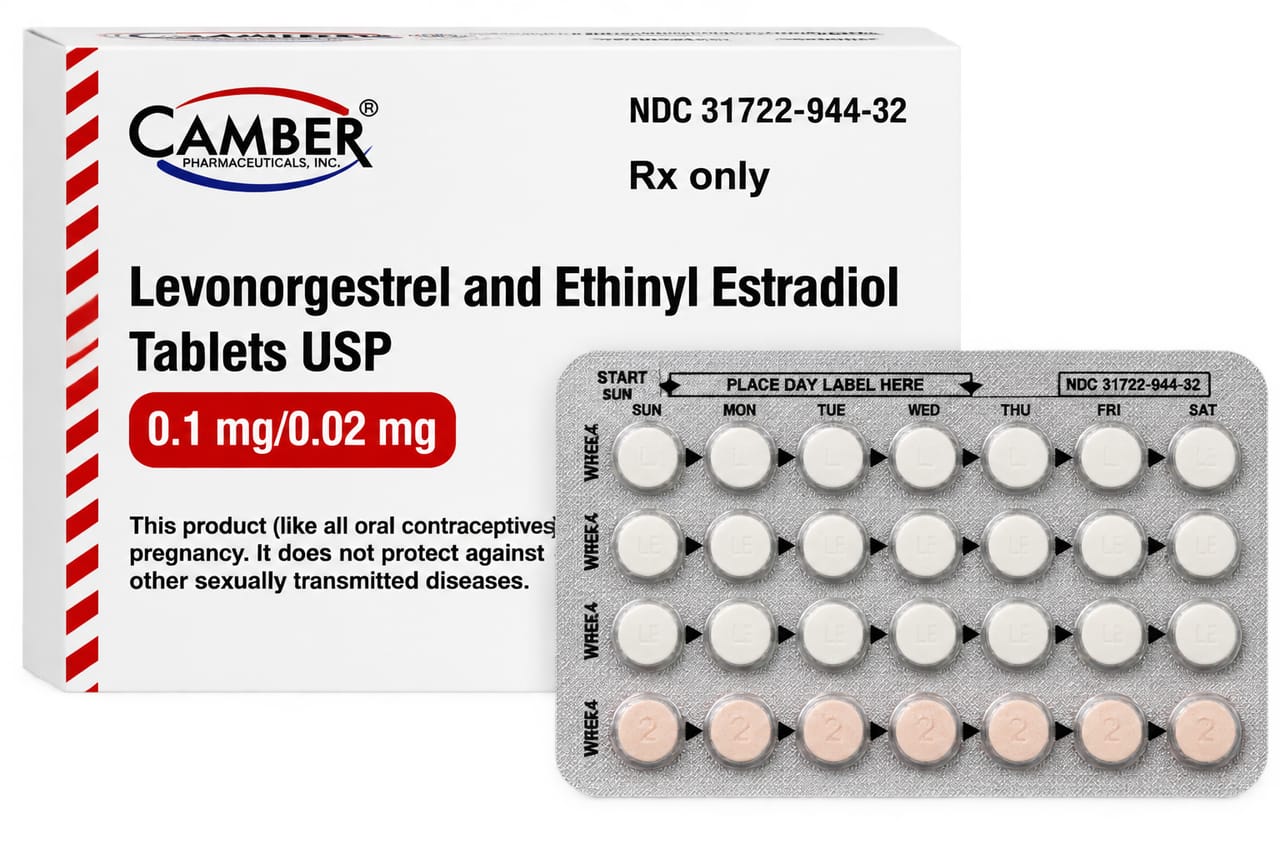
Take this medicine by mouth once a day on the days your doctor tells you to. Take it at around the same time every day; no more than 24 hours should pass between doses. Your doctor will tell you when to start, usually on the first day of your period or the first Sunday after your period starts. Use a backup birth control method, such as a condom, spermicide, or diaphragm, for the first 7 days after you start.
Different brands are packaged differently and some contain inactive pills; know exactly which brand you are using and how to take it. Keep taking your pills on schedule even if you have spotting, an upset stomach, or don't think you can get pregnant. Do not stop taking this medicine without talking to your doctor.
If you vomit or have diarrhea, the medicine may not work as well; contact your doctor about whether you need a backup birth control method. This medicine does not protect against HIV or other sexually transmitted infections. This medicine should not be used before a girl has started having her period. This medicine is not meant for use in older women past reproductive age.
| Age group | Dose |
|---|---|
| Under 18 Years | Use only if medically appropriate and advised by a healthcare professional |
| Adults (18–40 Years) | Usually 1 tablet daily according to the prescribed contraceptive schedule |
| Adults (40+ Years) | Use based on individual health risks and medical advice |
| Older Adults (65+ Years) | Not routinely recommended |
Available forms and strengths
- Tablet
- Tablet, Chewable
Side effects of Ethinylestradiol + Levonorgestrel Tablet
Common
- Headache
- Nausea, vomiting
- Weight gain or changes in appetite
- Spotting or irregular bleeding between periods
- Vaginal irritation, burning, or itching
- Breast tenderness, enlargement, or discharge
- Swelling of the hands, arms, feet, and legs
- Trouble sleeping, weakness, tiredness, or mood changes
- Acne
- Decreased interest in sex
- Patchy dark skin discoloration
Serious
- Signs of blood clots: chest pain, leg pain or swelling, sudden severe headache, sudden vision changes, trouble speaking, weakness or numbness in an arm or leg, shortness of breath
- Yellowing of the skin or eyes, pain or tenderness in the abdomen, dark urine, pale stools, loss of appetite, nausea, or vomiting (possible liver problem)
- A lump in the breast
- Unusual vaginal bleeding, including menstrual bleeding that is unusually heavy or lasts longer than 7 days in a row
- Severe or persistent abdominal pain with nausea and vomiting (possible gallbladder problem)
- Blurred vision, double vision, or difficulty reading
- Absent, missed, or irregular periods
- Signs of stroke: confusion, slurred or difficult speech, sudden loss of coordination, fainting
Warnings and precautions
- This medicine can cause serious problems like heart attacks, blood clots, and strokes, especially if you smoke and are over 35 years old.
- Do not use this medicine if you smoke and are over 35, since this greatly raises the risk of blood clots, heart attack, or stroke.
- This medicine may raise the risk of breast cancer or cancers of the reproductive organs.
- Do not combine this medicine with certain hepatitis C treatments, including combinations containing ombitasvir, paritaprevir, and ritonavir (with or without dasabuvir).
- This medicine does not protect against HIV or other sexually transmitted infections, and it does not work as emergency contraception.
- This medicine may increase the risk of developing gallbladder disease.
- Do not use this medicine if you are pregnant, as it could harm the unborn baby. If you think you might be pregnant, contact your doctor right away.
- There isn't enough research to know the risk to a nursing infant. Talk with your doctor about weighing the benefits and risks before using this medicine while breastfeeding.
- Tell your doctor if you have kidney disease, since this medicine may make it worse.
- This medicine should not be used if you have liver disease, including liver tumors or cancer. It may also increase the chance of developing liver tumors.
Storage
- Keep this medication in the container it came in, tightly closed, and out of reach of children.
- Store it at room temperature and away from excess heat and moisture (not in the bathroom).
- Keep from freezing.
- Do not keep outdated medicine or medicine no longer needed.
- Do not flush this medication down the toilet.
- Dispose of unneeded medications through a medicine take-back program; ask your pharmacist about options in your community.
When to see a doctor
- Get emergency help right away if you have shortness of breath, leg pain, sudden chest pain, a sudden severe headache, sudden vision changes, weakness or numbness in an arm or leg, or trouble speaking.
- Call your doctor right away if you notice yellowing of your skin or eyes, or pain or tenderness in your abdomen.
- Contact your doctor if you find a lump in your breast.
- Contact your doctor if you have unusual bleeding, including periods that are very heavy or last longer than 7 days in a row.
- Call your doctor right away if you have pain in the chest, groin, or legs, trouble breathing, a sudden severe headache, slurred speech, sudden loss of coordination, or vision changes.
- Call your doctor if you have stomach pain or tenderness, dark urine, pale stools, loss of appetite, nausea, vomiting, or yellow eyes or skin, since these can be signs of a serious liver problem.
- Tell your doctor right away if you have blurred vision, trouble reading, or any other change in your vision.
- Contact your doctor if you miss your period two months in a row, since this could mean you are pregnant.
Alternatives
- Progestin-Only Pills
- Norgestimate + Ethinylestradiol Tablets
- Desogestrel + Ethinylestradiol Tablets
- Drospirenone + Ethinylestradiol Tablets
Watch the video
FAQs
What is Ethinylestradiol + Levonorgestrel Tablet used for?
It is used to prevent pregnancy and can also treat heavy or irregular menstrual periods, endometriosis, and acne in certain patients.
How does Ethinylestradiol + Levonorgestrel Tablet work?
The hormones in this medicine stop the ovaries from releasing an egg each month, so there is no egg for sperm to fertilize.
How should I take Ethinylestradiol + Levonorgestrel Tablet?
Take it by mouth once a day at around the same time every day, with no more than 24 hours between doses, starting as directed by your doctor, usually on the first day of your period or the first Sunday after it starts. Use backup birth control for the first 7 days.
What are the serious side effects of Ethinylestradiol + Levonorgestrel Tablet?
Serious side effects include signs of blood clots or stroke, liver problems, a breast lump, unusual heavy or prolonged vaginal bleeding, severe abdominal pain with nausea and vomiting, and vision changes.
Who should not use Ethinylestradiol + Levonorgestrel Tablet?
It should not be used by women who are pregnant, smokers over 35, or those with liver disease, and it should not be combined with certain hepatitis C treatments.
General information, not medical advice
Your prescriber and the leaflet in your pack know your situation. This page does not.
- Follow your prescriber and the leaflet
- Don't start, stop, or change a dose on your own
- Doses and warnings differ by country and product
Sources
Video
Related medicines

Injectafer Injection: Uses, Dosage, Side Effects, Precautions and Alternates
Iron products
Injectafer (ferric carboxymaltose) treats iron deficiency anemia and heart failure-related iron deficiency via IV. Learn uses, dosage, side effects, and

Gliclazide Tablet: Uses, Dosage, Side Effects, Precautions and Alternates
Sulfonylurea (hypoglycemic/antidiabetic agent)
Gliclazide Tablet is a sulfonylurea for type 2 diabetes that boosts insulin release. Learn about dosage, side effects, warnings, and precautions.