
Safety
General information, not medical advice
Your prescriber and the leaflet in your pack know your situation. This page does not.
- Follow your prescriber and the leaflet
- Don't start, stop, or change a dose on your own
- Doses and warnings differ by country and product
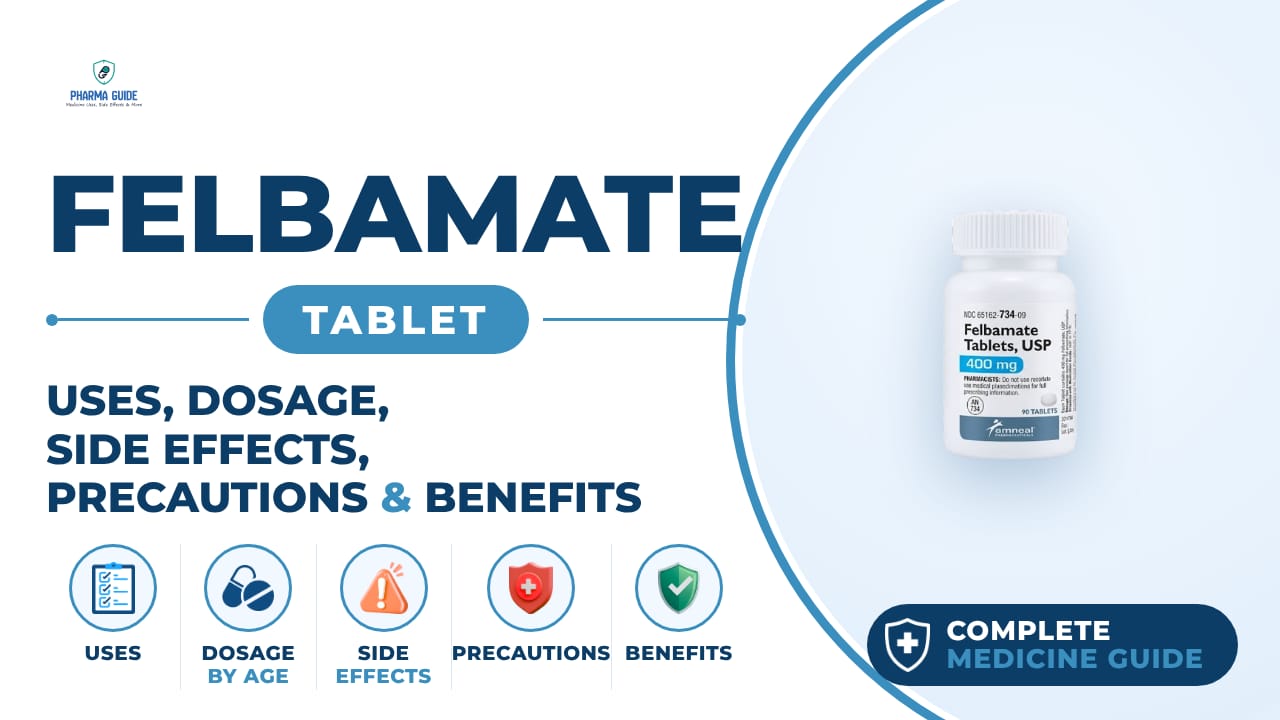
Felbamate Tablet: Uses, Dosage, Side Effects, Precautions and Alternates
| Generic name | felbamate |
|---|---|
| Drug class | Carbamate anticonvulsants |
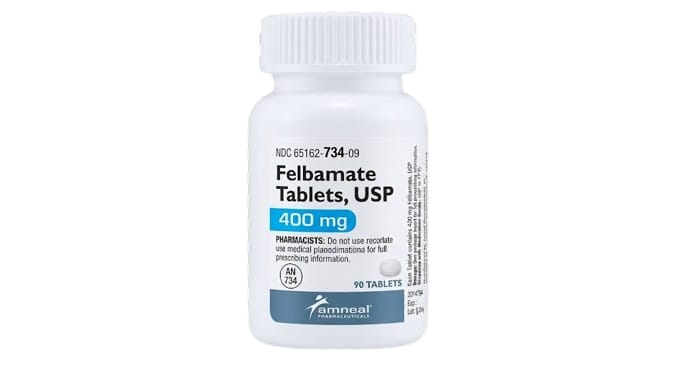
| Forms | Oral tablet (400 mg), Oral tablet (600 mg), Oral suspension (600 mg/5 mL) |
Quick overview
Felbamate Tablet (felbamate) is a prescription anti-epileptic medicine belonging to the carbamate class of anticonvulsants. It is used to treat certain severe seizures, including partial seizures in adults and seizures associated with Lennox-Gastaut syndrome in children, generally when other treatments have not worked well enough. It can reduce seizure frequency but also carries serious risks, including blood and liver problems, which require careful monitoring. Felbamate should be used exactly as prescribed and not stopped suddenly.
What is Felbamate Tablet
Felbamate is a prescription anti-epileptic medicine (anticonvulsant) used to treat certain severe seizures when other treatments have not worked well enough.
Felbamate Tablet uses
- Treats partial seizures, with or without generalization, in adults with epilepsy, used alone or with other medicines
- Used with other medicines to treat seizures associated with Lennox-Gastaut syndrome in children (a severe form of childhood epilepsy)
Benefits of Felbamate Tablet
- Can reduce the number of partial-onset seizures in adults compared to placebo
- Can reduce total seizures, atonic seizures, and generalized tonic-clonic seizures in children with Lennox-Gastaut syndrome compared to placebo
- Improved parent/guardian ratings of alertness, verbal responsiveness, general well-being, and seizure control in children with Lennox-Gastaut syndrome
How Felbamate Tablet works
Scientists are not exactly sure how felbamate stops seizures, but it is believed to calm down overactive electrical signals in the brain that cause seizures.
Felbamate Tablet dosage
Felbamate is usually taken by mouth three or four times a day, with or without food. Take it at around the same times every day. If using the liquid form, shake well before each use and measure the dose with a proper dosing device, not a household spoon. Your doctor will usually start you on a low dose and slowly increase it over time. Keep taking felbamate even if you feel well, since it controls seizures but does not cure them. Do not stop taking felbamate suddenly without talking to your doctor, as this can cause increased seizures. If you switch to felbamate from another seizure medicine, carefully follow your doctor's instructions about how much to take and how often.
| Age group | Dose |
|---|---|
| Under 18 years | Not recommended |
| 18–64 years | 1,200 mg/day |
| 65+ years | 1,200 mg/day |
Available forms and strengths
- Oral tablet (400 mg)
- Oral tablet (600 mg)
- Oral suspension (600 mg/5 mL)
Side effects of Felbamate Tablet
Common
- Loss of appetite and weight loss
- Nausea and vomiting
- Trouble sleeping (insomnia)
- Headache
- Drowsiness/sleepiness
- Dizziness
- Double vision
- Changes in the way food tastes
Serious
- Serious or life-threatening blood problems (such as aplastic anemia, agranulocytosis, low white blood cells or platelets) causing fever, sore throat, easy bruising, bleeding, or severe tiredness
- Liver damage causing nausea, vomiting, loss of appetite, stomach pain, dark urine, or yellowing of skin or eyes (jaundice)
- Suicidal thoughts or actions, including new or worsening depression, anxiety, agitation, or unusual changes in mood or behavior
- Severe allergic reaction with hives, rash, itching, swelling of face/lips/mouth/throat, or trouble breathing or swallowing
- Severe skin reactions with fever, sore throat, burning eyes, skin pain, or red/purple rash with blistering and peeling
Warnings and precautions
- Felbamate is strongly linked to a serious, sometimes fatal blood disorder called aplastic anemia, which occurs far more often in people taking this medicine than in the general population. It should only be used when the seizures are severe enough that this risk is acceptable.
- Felbamate has been linked to sudden, severe liver failure that can lead to death or the need for a liver transplant. It should not be used by anyone with a history of liver problems.
- Like other seizure medicines, felbamate can increase the risk of suicidal thoughts or behavior, even as early as one week after starting the medicine.
- Do not suddenly stop taking felbamate, since stopping a seizure medicine abruptly can cause seizures to increase.
- Felbamate should not be used by patients until there has been a full discussion of the risks, and written consent must be given before starting treatment.
- Felbamate is not a first-choice treatment for epilepsy and should only be used when other treatments have not worked well enough.
- Pregnancy: It is not known if felbamate can harm an unborn baby, so it should only be used during pregnancy if clearly needed. Talk to your doctor if you are or may become pregnant, and consider joining a pregnancy registry that tracks the safety of seizure medicines in pregnancy.
- Breastfeeding: Felbamate passes into breast milk, and it is not known how this affects a nursing baby. You and your doctor should decide together whether you should take felbamate while breastfeeding.
- Kidney: Felbamate should be used carefully in people with kidney problems, because the body clears the drug more slowly, and the dose may need to be lowered.
- Liver: Felbamate should not be used by anyone with a history of liver problems, since it can cause serious, sometimes fatal liver failure. Your doctor will check your liver function with blood tests before and during treatment.
- Alcohol: Avoid alcohol while taking felbamate, as it can increase the risk of liver damage and make dizziness or drowsiness worse.
- Driving: Felbamate can cause drowsiness and dizziness, so you should not drive or do activities that require alertness or coordination until you know how this medicine affects you.
Storage
- Store at room temperature between 68°F to 77°F (20°C to 25°C)
- Keep felbamate and all medicines out of the reach of children
- Keep this medication in the container it came in, tightly closed, and away from excess heat and moisture (not in the bathroom)
- Dispose of unneeded medication through a medicine take-back program rather than flushing it down the toilet
When to see a doctor
- Get help right away if you notice signs of a blood problem, such as fever, sore throat or infections that won't go away, easy bruising, red or purple spots on the skin, or bleeding gums or nosebleeds.
- Get help right away if you notice signs of liver problems, such as yellowing of your skin or eyes, dark urine, nausea or vomiting, loss of appetite, or pain in the upper right part of your abdomen.
- Call your doctor right away if you have new or worsening thoughts of suicide, depression, anxiety, agitation, unusual behavior changes, or other mood changes.
- If you think you have taken too much felbamate, contact your healthcare provider or local poison control center right away.
- Seek emergency help if you have signs of a severe allergic reaction, such as hives, trouble breathing, or swelling of your face or throat, or signs of a severe skin reaction like fever, burning eyes, or a blistering rash.
Alternatives
- Clobazam
- Topiramate
- Levetiracetam
Watch the video
FAQs
What is Felbamate Tablet used for?
It is used to treat partial seizures in adults with epilepsy and, with other medicines, seizures associated with Lennox-Gastaut syndrome in children, generally when other treatments have not worked well enough.
How is Felbamate Tablet taken?
It is usually taken by mouth three or four times a day, with or without food, at around the same times daily, starting at a low dose that is slowly increased by your doctor.
What are the serious risks of Felbamate Tablet?
Felbamate carries risks of serious or life-threatening blood problems like aplastic anemia, severe liver damage, suicidal thoughts or behavior, severe allergic reactions, and severe skin reactions.
Can I stop taking Felbamate Tablet suddenly?
No, you should not stop taking felbamate suddenly without talking to your doctor, as this can cause seizures to increase.
What are alternatives to Felbamate Tablet?
Alternatives mentioned include Clobazam, Topiramate, and Levetiracetam.
General information, not medical advice
Your prescriber and the leaflet in your pack know your situation. This page does not.
- Follow your prescriber and the leaflet
- Don't start, stop, or change a dose on your own
- Doses and warnings differ by country and product
Sources
Video
Related medicines

Injectafer Injection: Uses, Dosage, Side Effects, Precautions and Alternates
Iron products
Injectafer (ferric carboxymaltose) treats iron deficiency anemia and heart failure-related iron deficiency via IV. Learn uses, dosage, side effects, and

Gliclazide Tablet: Uses, Dosage, Side Effects, Precautions and Alternates
Sulfonylurea (hypoglycemic/antidiabetic agent)
Gliclazide Tablet is a sulfonylurea for type 2 diabetes that boosts insulin release. Learn about dosage, side effects, warnings, and precautions.