
Safety
General information, not medical advice
Your prescriber and the leaflet in your pack know your situation. This page does not.
- Follow your prescriber and the leaflet
- Don't start, stop, or change a dose on your own
- Doses and warnings differ by country and product
Fenofibrate Capsule: Uses, Dosage, Side Effects, Precautions and Alternates
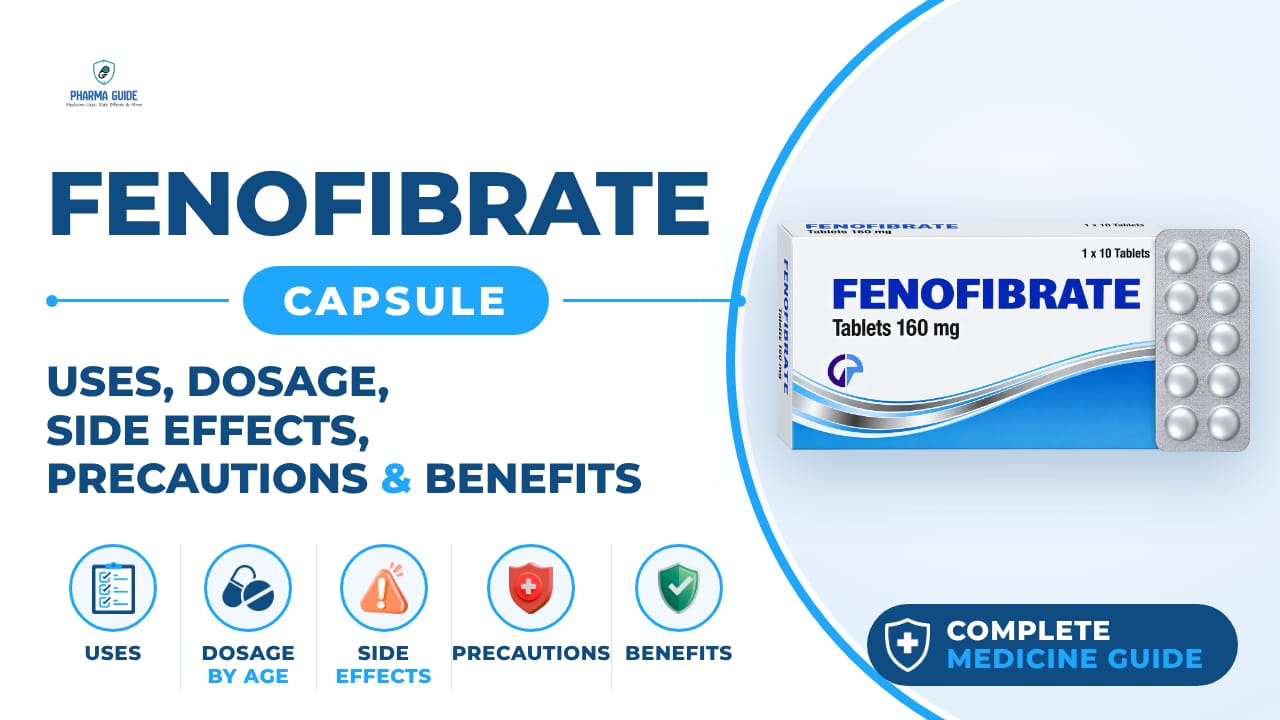
| Generic name | Fenofibrate |
|---|---|
| Drug class | Fibrate (fibric acid derivative) |
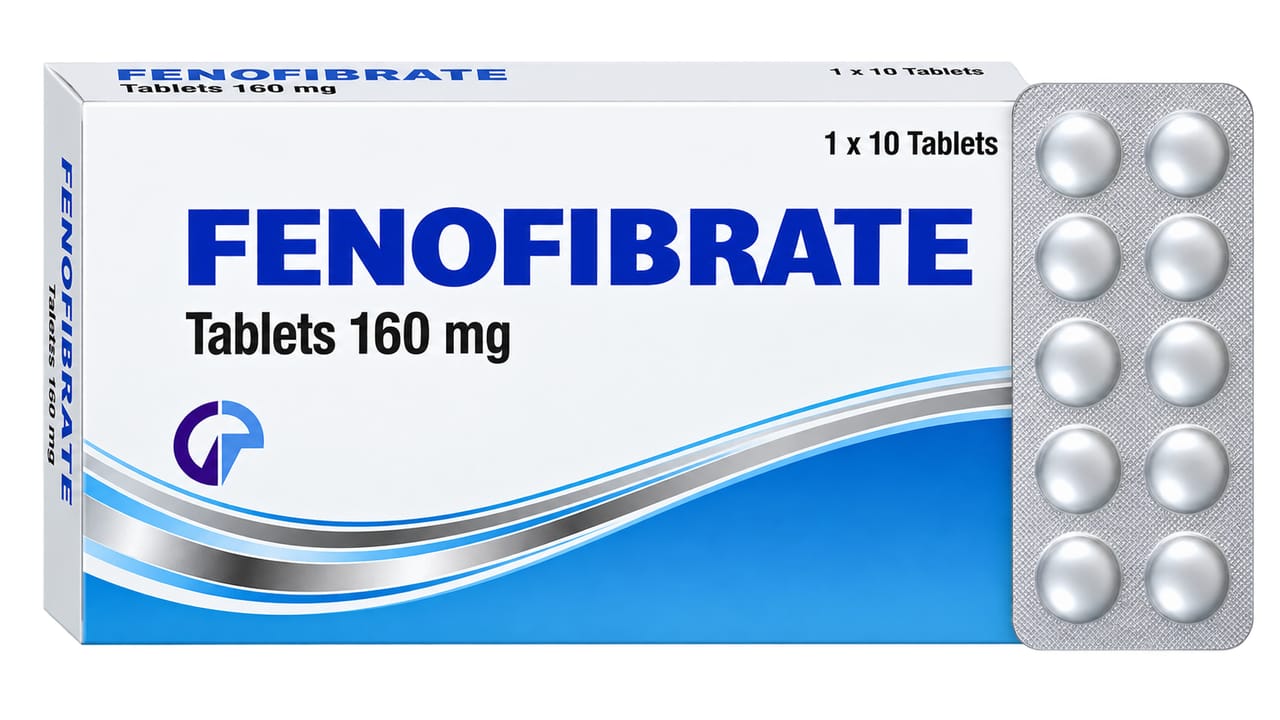
| Forms | Capsule, Tablet, Delayed-release capsule (fenofibric acid) |
Quick overview
Fenofibrate Capsule is a fibrate (fibric acid derivative) medicine used to lower high cholesterol and triglyceride levels in the blood. It is usually used together with a healthy diet and exercise. It works by helping the body break down and remove triglycerides faster and can also raise good cholesterol (HDL) while lowering bad cholesterol (LDL).
What is Fenofibrate Capsule
Fenofibrate is a medicine used to lower high cholesterol and triglyceride (fat) levels in the blood. It is usually used together with a healthy diet and exercise.
Fenofibrate Capsule uses
- Lowering high cholesterol, including bad cholesterol (LDL) and total cholesterol
- Lowering high triglyceride levels in the blood
- Treating mixed dyslipidemia (high cholesterol and triglycerides together)
- Raising good cholesterol (HDL)
Benefits of Fenofibrate Capsule
- Helps lower high triglyceride levels
- Helps reduce total cholesterol and LDL (“bad”) cholesterol in some patients
- Can help increase HDL (“good”) cholesterol
- Is used to treat mixed dyslipidemia and severe hypertriglyceridemia
- May help reduce the risk of pancreatitis when triglycerides are very high
- Helps improve overall blood lipid levels when combined with diet, exercise, and other lifestyle measures
How Fenofibrate Capsule works
Fenofibrate works by helping the body break down and remove triglycerides from the blood faster. It activates a receptor in cells (PPAR-alpha) that increases the breakdown of fats and lowers bad cholesterol while raising good cholesterol.
Fenofibrate Capsule dosage
Take Fenofibrate Capsule by mouth at the same time every day, as directed on your prescription label. Swallow the capsule whole; do not cut, crush, dissolve, or chew it. Some brands should be taken with food to help the body absorb the medicine better; other brands may be taken with or without food, so follow the label instructions.
If you also take a bile acid sequestrant (like cholestyramine, colesevelam, or colestipol), take fenofibrate 1 hour before or 4 to 6 hours after that medicine. Keep taking it unless your care team tells you to stop, and continue any diet, exercise, and weight control measures recommended by your doctor. This medicine is not approved for use in children or anyone under 18 years old.
| Age group | Dose |
|---|---|
| Under 18 years | Safety/effectiveness not established; specialist use only |
| 18–64 years | Usually 50–150 mg once daily, depending on indication and formulation |
| 65+ years | Dose based mainly on kidney function; lower starting dose may be required |
Available forms and strengths
- Capsule
- Tablet
- Delayed-release capsule (fenofibric acid)
Side effects of Fenofibrate Capsule
Common
- Back pain
- Constipation
- Headache
- Runny or stuffy nose
- Stomach pain or discomfort
- Muscular pain or spasms
- Unusual tiredness or weakness
- Diarrhea
- Nausea
- Skin reactions, sensitivity to sunlight
- Sexual dysfunction
Serious
- Allergic reactions—skin rash, itching, hives, swelling of the face, lips, tongue, or throat, trouble breathing
- Blood clot—pain, swelling, or warmth in the leg, shortness of breath, chest pain
- Gallbladder problems—severe stomach pain, nausea, vomiting, fever, yellowing of skin or eyes, clay-colored stool
- Liver injury—right upper belly pain, loss of appetite, nausea, light-colored stool, dark yellow or brown urine, yellowing of skin or eyes, unusual weakness or fatigue
- Muscle injury (myopathy or rhabdomyolysis)—unusual weakness or fatigue, muscle pain, dark yellow or brown urine, decrease in amount of urine, fever, muscle cramps
- Pancreatitis—severe stomach pain that spreads to your back or gets worse after eating or when touched, fever, nausea, vomiting
- Rash, fever, and swollen lymph nodes
- Redness, blistering, peeling, or loosening of the skin, including inside the mouth
- Unusual bruising or bleeding
- Blood disorders—fever, shortness of breath, pale or yellowish skin, easy bruising or bleeding, frequent infection, unusual weakness or tiredness
- Severe skin reaction—fever, sore throat, burning eyes, skin pain, red or purple rash that spreads and blisters or peels
- Temporary paralysis of the muscles
- Difficulty breathing
- Severe abdominal pain
- Chest pain
Warnings and precautions
Fenofibrate can cause muscle breakdown (rhabdomyolysis), which can lead to kidney failure, especially in women, older adults, and people with kidney disease, diabetes, or poorly controlled underactive thyroid. This medicine may cause serious skin reactions that can occur weeks to months after starting the medication.
Do not take fenofibrate if you have liver disease, severe kidney disease, or gallbladder disease. Do not take this medicine together with another fibrate medicine, as this combination is not recommended. This medicine can make your skin more sensitive to the sun, so protective clothing, sunscreen, and avoiding tanning beds are recommended.
This medicine may lower vitamin B12 levels, so talk to your care team about getting enough B12 while taking it. Do not use this medicine if you are allergic to peanuts, peanut oil, soy lecithin, or related products, since some formulations contain these ingredients.
It is not known if fenofibrate can harm an unborn baby. Tell your doctor if you are pregnant or planning to become pregnant, so they can weigh the benefits and risks. Do not take fenofibrate while breastfeeding and for at least 5 days after your last dose, since it is not known if it passes into breast milk or how it could affect a nursing baby.
Fenofibrate should not be used if your kidneys are not working well. Your doctor may test your kidney function before starting this medicine, and may prescribe a lower dose if you have kidney problems. Fenofibrate should not be used if your liver is not working well. Your doctor may test your liver function before you start this medicine.
Avoid drinking large amounts of alcohol while taking this medicine, since it can raise triglyceride levels and increase the risk of liver problems. Be careful when driving or using machines until you know how this medicine affects you, since it may cause dizziness in some people.
Storage
- Store at 20–25°C (68–77°F)
- Protect from moisture and excessive heat
- Keep in a cool, dry place
- Keep in the original, tightly closed container
- Keep out of reach of children
When to see a doctor
Get emergency help right away if you have signs of a severe allergic reaction, such as difficulty breathing, swelling of the face, lips, or throat, or a severe skin reaction with fever, sore throat, burning eyes, or a rash that spreads and blisters.
Call your doctor right away if you have unexplained muscle pain, tenderness, or weakness, especially with fever, unusual tiredness, or dark-colored urine, as this could be a sign of serious muscle breakdown. Call your doctor right away if you notice yellowing of your skin or eyes, dark urine, light-colored stool, loss of appetite, or upper right belly pain, which could mean liver problems.
Call your doctor right away if you have sharp stomach pain that spreads to your back or shoulder blade, which could be a sign of pancreas or gallbladder problems. Call your doctor right away if you have chest pain, sudden cough, wheezing, rapid breathing, or coughing up blood, or swelling, warmth, or redness in an arm or leg, which could be signs of a blood clot.
If you think you have taken too much of this medicine, contact a poison control center or go to an emergency room right away. Call your doctor straight away if you become pregnant while taking this medicine.
Alternatives
- Gemfibrozil
- Atorvastatin
- Rosuvastatin
- Pravastatin
- Prescription Omega-3 Fatty Acids
Watch the video
FAQs
What is Fenofibrate Capsule used for?
It is used to lower high cholesterol (including LDL and total cholesterol) and high triglyceride levels, treat mixed dyslipidemia, and raise HDL (good) cholesterol, usually alongside diet and exercise.
How should I take Fenofibrate Capsule?
Take it by mouth at the same time every day as directed, swallowing the capsule whole without cutting, crushing, dissolving, or chewing it. Some brands should be taken with food, so follow your label instructions.
What is the usual dose of Fenofibrate Capsule?
Adults 18–64 years usually take 50–150 mg once daily depending on indication and formulation. Older adults (65+) may need a lower starting dose based on kidney function, and it is not approved for anyone under 18.
What are the serious side effects of Fenofibrate Capsule?
Serious side effects include muscle injury (myopathy or rhabdomyolysis), liver injury, gallbladder problems, pancreatitis, blood clots, severe allergic reactions, and severe skin reactions.
Who should not take Fenofibrate Capsule?
It should not be taken by people with liver disease, severe kidney disease, or gallbladder disease, or combined with another fibrate medicine. It should also be avoided by those allergic to peanuts, peanut oil, or soy lecithin if present in the formulation.
General information, not medical advice
Your prescriber and the leaflet in your pack know your situation. This page does not.
- Follow your prescriber and the leaflet
- Don't start, stop, or change a dose on your own
- Doses and warnings differ by country and product
Sources
- https://my.clevelandclinic.org/health/drugs/18905-fenofibrate-capsules-non-micronized
- https://www.ncbi.nlm.nih.gov/books/NBK559219/
- https://www.drugs.com/fenofibrate.html
- Fenofibrate Sandoz Consumer Medicine Information (CMI), Sandoz Pty Ltd, May 2025
Video
Related medicines

Injectafer Injection: Uses, Dosage, Side Effects, Precautions and Alternates
Iron products
Injectafer (ferric carboxymaltose) treats iron deficiency anemia and heart failure-related iron deficiency via IV. Learn uses, dosage, side effects, and

Gliclazide Tablet: Uses, Dosage, Side Effects, Precautions and Alternates
Sulfonylurea (hypoglycemic/antidiabetic agent)
Gliclazide Tablet is a sulfonylurea for type 2 diabetes that boosts insulin release. Learn about dosage, side effects, warnings, and precautions.