
Safety
General information, not medical advice
Your prescriber and the leaflet in your pack know your situation. This page does not.
- Follow your prescriber and the leaflet
- Don't start, stop, or change a dose on your own
- Doses and warnings differ by country and product
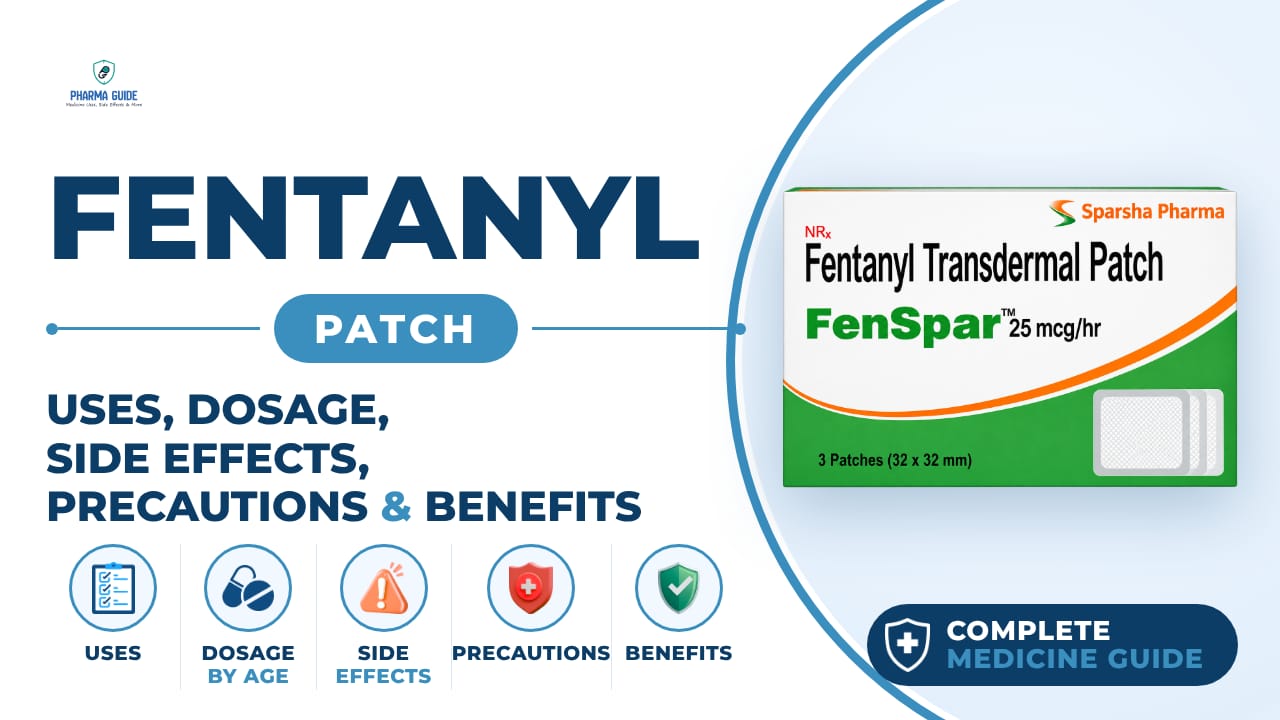
Fentanyl Patch: Uses, Dosage, Side Effects, Precautions and Alternates
| Generic name | fentanyl transdermal |
|---|---|
| Drug class | opioid analgesic |
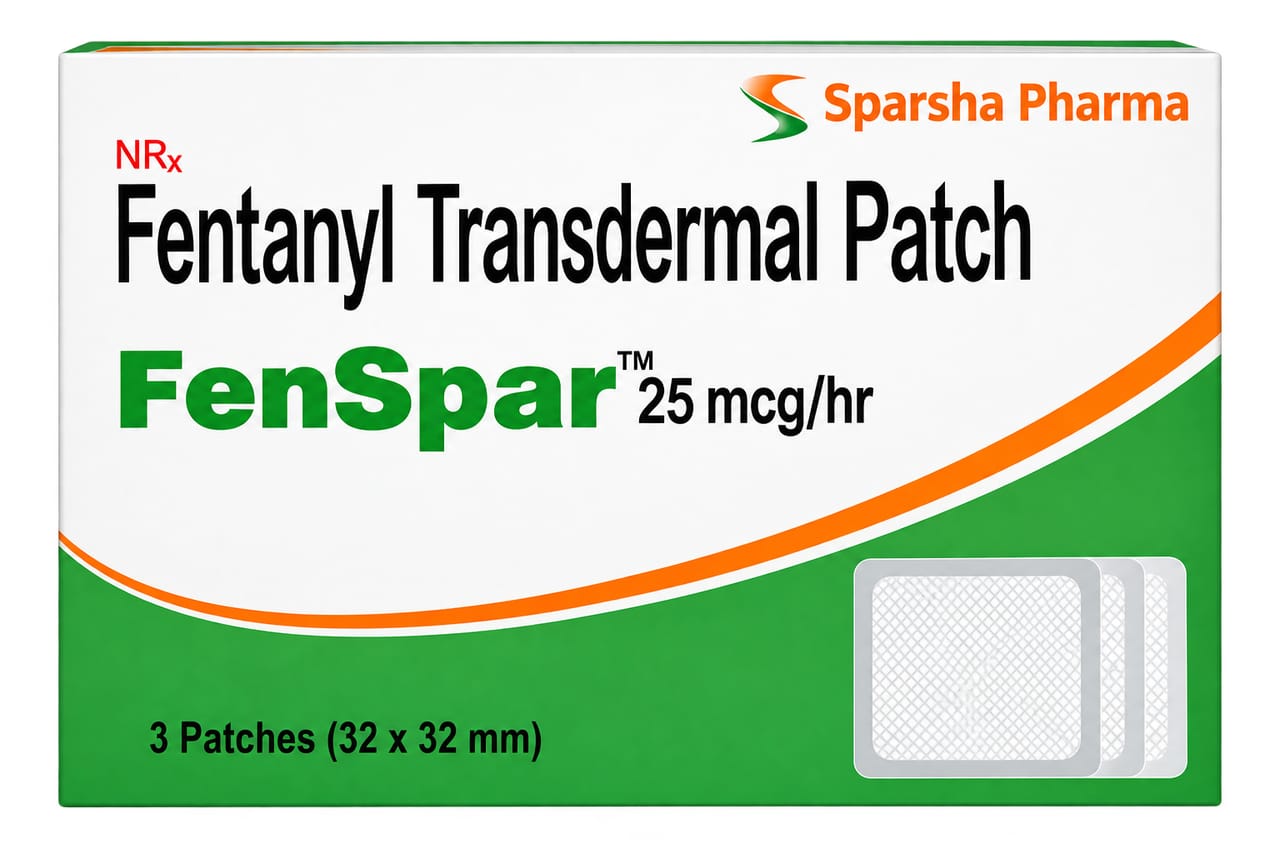
| Forms | Transdermal system |
Quick overview
Fentanyl Patch (fentanyl transdermal) is a strong opioid analgesic that sticks onto the skin and slowly releases medicine to control severe, long-lasting pain, such as pain from cancer or other ongoing conditions. It is used when other pain medicines are not enough and provides continuous relief with a single patch applied every 3 days. It is habit-forming and can cause serious breathing problems, so it must be used exactly as prescribed.
What is Fentanyl Patch
Fentanyl patch is a strong prescription opioid pain medicine that sticks onto your skin. It slowly releases fentanyl into your body to control severe, long-lasting pain, such as pain from cancer or other ongoing conditions.
Fentanyl Patch uses
- Treats severe and persistent pain when other medicines are not enough
- Used for severe chronic pain and pain caused by cancer
- Used for long-term pain that requires continuous opioid treatment
Benefits of Fentanyl Patch
- Provides continuous pain relief for up to 3 days with one patch, so you don't need to take pills every day
- Compared with oral opioids, it has a lower incidence of constipation, nausea, vomiting, and daytime drowsiness
- Associated with higher patient satisfaction, improved quality of life, and better convenience and compliance
- Useful for patients who are unable to swallow or have gastrointestinal problems
How Fentanyl Patch works
Fentanyl reduces pain by acting on receptors in the brain and nervous system, changing how your body senses and reacts to pain signals.
Fentanyl Patch dosage
Apply a new patch every 3 days, always removing the old one first, and try to change it at the same time of day. Apply the patch to a flat, clean, dry, hairless area of skin on your chest, back, upper arm, or the side of your waist. Do not apply the patch to skin that is oily, burned, broken out, cut, irritated, or damaged, or to areas that move a lot. If the area is hairy, clip the hair close to the skin instead of shaving, since shaving can irritate the skin.
Press the patch firmly against your skin for at least 30 seconds, making sure the edges stick well. Wash your hands with soap and water after applying or removing a patch. You can bathe, swim, or shower while wearing the patch, but avoid hot baths, saunas, heating pads, electric blankets, heated waterbeds, tanning lamps, or sunbathing, since heat can cause too much medicine to release at once.
Do not cut, break, chew, crush, dissolve, snort, or inject the patch. If a patch falls off, do not reapply it; put a new patch on a different area of skin. Never use more than one patch at a time unless your doctor tells you to, and never let the patch touch someone else's skin, especially a child's. Do not stop using the patch suddenly without talking to your doctor, since this can cause withdrawal symptoms. People 65 or older may be at greater risk for side effects and should talk with their health care provider about this.
| Age group | Dose |
|---|---|
| Under 18 years | Not recommended |
| 18–60 years | 12 mcg/hour, once every 3 days |
| 60+ years | 12 mcg/hour, once every 3 days |
Available forms and strengths
- Transdermal system
Side effects of Fentanyl Patch
Common
- Nausea or vomiting
- Sleepiness or tiredness
- Dizziness
- Trouble sleeping
- Constipation
- Excessive sweating
- Feeling cold
- Loss of appetite
- Headache
- Stomach pain or diarrhea
- Itching, redness, or rash where the patch is applied
- Decreased sexual desire or difficulty getting or keeping an erection
Serious
- Severe allergic reactions, including breathing problems, swelling of the face, lips, mouth, tongue, or throat, and hives
- Signs of misuse or addiction, including sudden confusion, feeling paranoid, suicidal thoughts, or seizures
- Slow or shallow breathing, bluish color to lips or fingernails, confusion, or trouble staying awake
- Increased pain sensitivity (allodynia or hyperalgesia), such as pain from brushing your hair
- Signs of adrenal insufficiency, including nausea, vomiting, weakness, tiredness, and low blood pressure
- Low blood pressure causing dizziness, lightheadedness, or fainting
- Slow heart rate (bradycardia) with dizziness, confusion, weakness, chest pain, or shortness of breath
- Sphincter of Oddi spasm causing new or worsening stomach pain, especially in the upper right area, that may spread to the back or shoulder
- Severe constipation that may require hospital treatment
Warnings and precautions
- Fentanyl may harm an unborn baby. Tell your doctor if you are pregnant or planning to become pregnant. Regular use during pregnancy can cause the baby to have withdrawal symptoms after birth, which can be life-threatening.
- Do not use the fentanyl patch while breastfeeding, since fentanyl can pass into breast milk. Tell your doctor right away if your baby seems sleepier than usual, or get emergency help if the baby has trouble breathing or seems limp.
- Tell your doctor if you have kidney problems before using this medicine. Fentanyl may not be suitable if your liver function is impaired. Tell your doctor about any liver problems before using this medicine.
- Do not drink alcohol or use medicines containing alcohol while using the fentanyl patch, as this can increase the risk of overdose and death. Fentanyl can affect your alertness and coordination. Do not drive or operate machinery until you know how this medicine affects you.
- Fentanyl patches can be habit-forming. Use them exactly as directed, and do not change how often or how many you use without your doctor's guidance.
- Fentanyl patches can cause serious or life-threatening breathing problems, especially in the first 24 to 72 hours of treatment and whenever the dose is increased.
- Fentanyl patches can harm or be fatal to other people, especially children, who accidentally come into contact with them. Store patches safely so no one else can use them.
- If the patch is exposed to extreme heat, it can release too much medicine into your body at once, which can be dangerous. Avoid heating pads, electric blankets, heat lamps, saunas, hot tubs, heated water beds, hot baths, and sunbathing while wearing the patch.
- Taking other medicines, drinking alcohol, or using street drugs along with fentanyl can increase the risk of serious or life-threatening breathing problems, sedation, or coma.
- Fentanyl should not be used by people who have not already been regularly using opioid pain medicines, because their bodies are not used to handling opioids, which raises the risk of dangerous breathing problems or overdose.
- This medicine should not be used for short-term, occasional, or mild pain, or for pain after surgery, because of the risk of dangerous breathing problems or overdose.
- Stopping fentanyl suddenly can cause serious withdrawal symptoms. Your doctor should reduce your dose gradually if you need to stop.
- A used patch still contains enough fentanyl to be dangerous to someone else, especially a child, so dispose of it carefully by folding the sticky sides together.
Storage
- Store at room temperature, between 68 F and 77 F (20 C and 25 C)
- Can be exposed to temperatures between 59 F and 86 F (15 C and 30 C) for shorter periods, such as when transporting it
- Store in a cool, dry place
- Keep in the original unopened pouch until you are ready to apply the patch
- Keep out of reach of children and store in a safe place to protect it from theft, since it is a controlled substance
- Dispose of expired, unwanted, or unused patches right away through an authorized DEA-registered collector or a drug take-back program
- If a take-back option is not available, remove the patch from its pouch and liner, fold the sticky sides together, then flush it down the toilet
When to see a doctor
- Get emergency help right away for signs of a severe allergic reaction, such as breathing problems, swelling of the face, lips, mouth, tongue, or throat, or hives.
- Call your doctor right away or go to the nearest emergency room if you have sudden confusion, feel paranoid, have suicidal thoughts, or have a seizure.
- Get emergency help if you notice a bluish color to your lips or fingernails, confusion, shortness of breath, dizziness, fainting, an irregular heartbeat, slow or shallow breathing, or extreme sleepiness.
- Contact your doctor right away if you feel pain from things that didn't hurt before, your pain gets worse, or you become more sensitive to pain, and do not use extra medicine for this.
- Get emergency help for new or worsening stomach pain, especially pain in the upper right area that spreads to the back or shoulder, with or without nausea and vomiting.
- Get help right away if you have severe constipation, since some people have needed hospital treatment for this.
- Call your doctor right away if you have symptoms of opioid withdrawal, such as restlessness, watery eyes, yawning, sweating, chills, muscle or joint pain, irritability, anxiety, nausea, vomiting, diarrhea, or changes in blood pressure, breathing rate, or heart rate.
- If someone is not breathing or is unresponsive, call for emergency help immediately.
- Get immediate medical attention for signs of overdose, such as extreme sleepiness, trouble breathing, loss of consciousness, or very small pupils.
- In case of overdose, remove the patch from the skin and call for emergency medical services right away.
Alternatives
- Hydromorphone
- Morphine
- OxyContin
Watch the video
FAQs
How often should I change the Fentanyl Patch?
Apply a new patch every 3 days, removing the old one first, and try to change it at the same time of day each time.
Where should I apply the Fentanyl Patch?
Apply it to a flat, clean, dry, hairless area of skin on your chest, back, upper arm, or the side of your waist, avoiding oily, burned, broken, cut, irritated, or damaged skin.
Can I bathe or shower while wearing the Fentanyl Patch?
Yes, you can bathe, swim, or shower while wearing the patch, but you should avoid hot baths, saunas, heating pads, electric blankets, heated waterbeds, tanning lamps, or sunbathing since heat can release too much medicine at once.
What should I do if the patch falls off?
Do not reapply a patch that has fallen off; instead, put a new patch on a different area of skin.
What are the serious side effects of the Fentanyl Patch?
Serious side effects include slow or shallow breathing, bluish lips or fingernails, confusion, severe allergic reactions, increased pain sensitivity, signs of adrenal insufficiency, low blood pressure, slow heart rate, and severe constipation.
General information, not medical advice
Your prescriber and the leaflet in your pack know your situation. This page does not.
- Follow your prescriber and the leaflet
- Don't start, stop, or change a dose on your own
- Doses and warnings differ by country and product
Sources
- WebMD: Fentanyl transdermal (Duragesic) - Uses, Side Effects, and More
- NHS: How and when to use fentanyl
- Healthdirect Australia: Fentanyl
- PubMed: Benefit-risk assessment of transdermal fentanyl for the treatment of chronic pain (Kornick et al., 2003)
- MedlinePlus: Fentanyl Transdermal Patch
Video
Related medicines
Butorphanol Nasal Spray: Uses, Dosage, Side Effects, Precautions and Alternates
Opioid analgesic
Butorphanol Nasal Spray is a prescription opioid for short-term moderate to severe pain in adults, used for up to 3 days with careful dosing.
Methadone Tablet: Uses, Dosage, Side Effects, Precautions and Alternates
Opioid analgesic
Methadone Tablet is an opioid used for severe pain and opioid addiction treatment. Learn about its uses, dosage, side effects, and safety warnings.