
Safety
General information, not medical advice
Your prescriber and the leaflet in your pack know your situation. This page does not.
- Follow your prescriber and the leaflet
- Don't start, stop, or change a dose on your own
- Doses and warnings differ by country and product
Ferrous Sulfate Syrup: Uses, Dosage, Side Effects, Precautions and Alternates
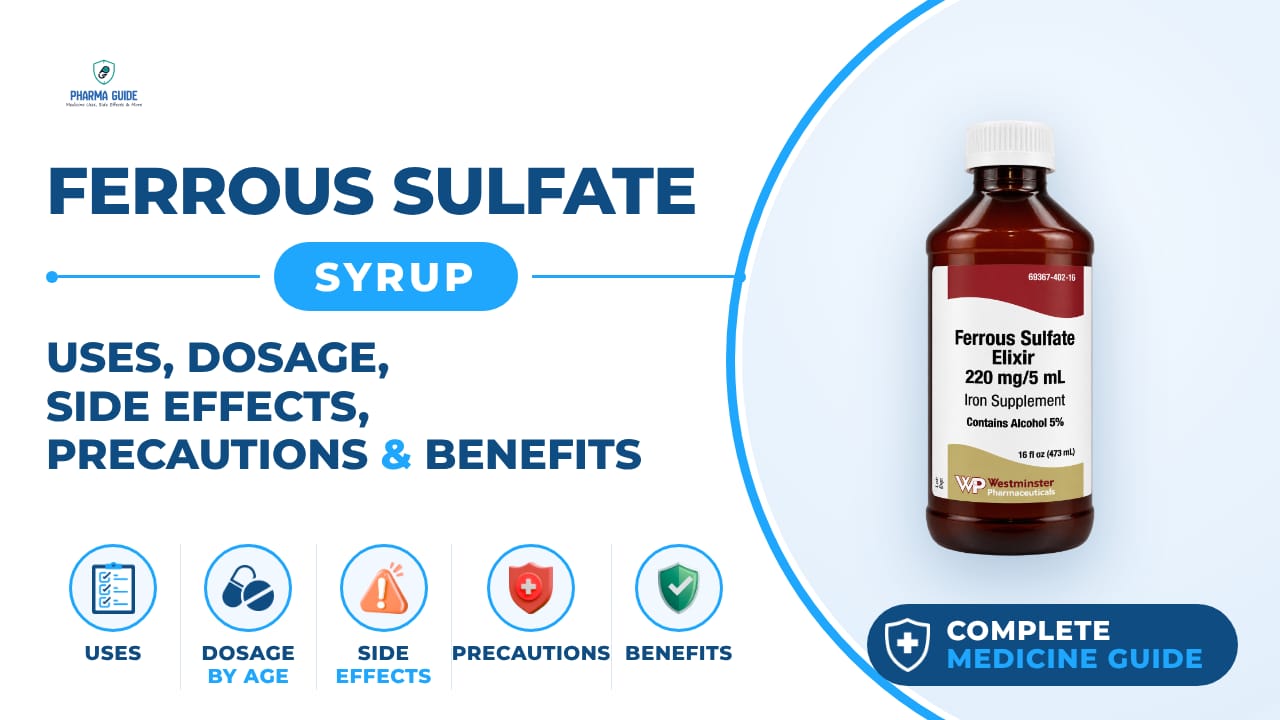
| Generic name | Ferrous sulfate |
|---|---|
| Drug class | Iron products |
| Forms | oral delayed release tablet, oral elixir, oral liquid, coated tablets, drops, syrup |
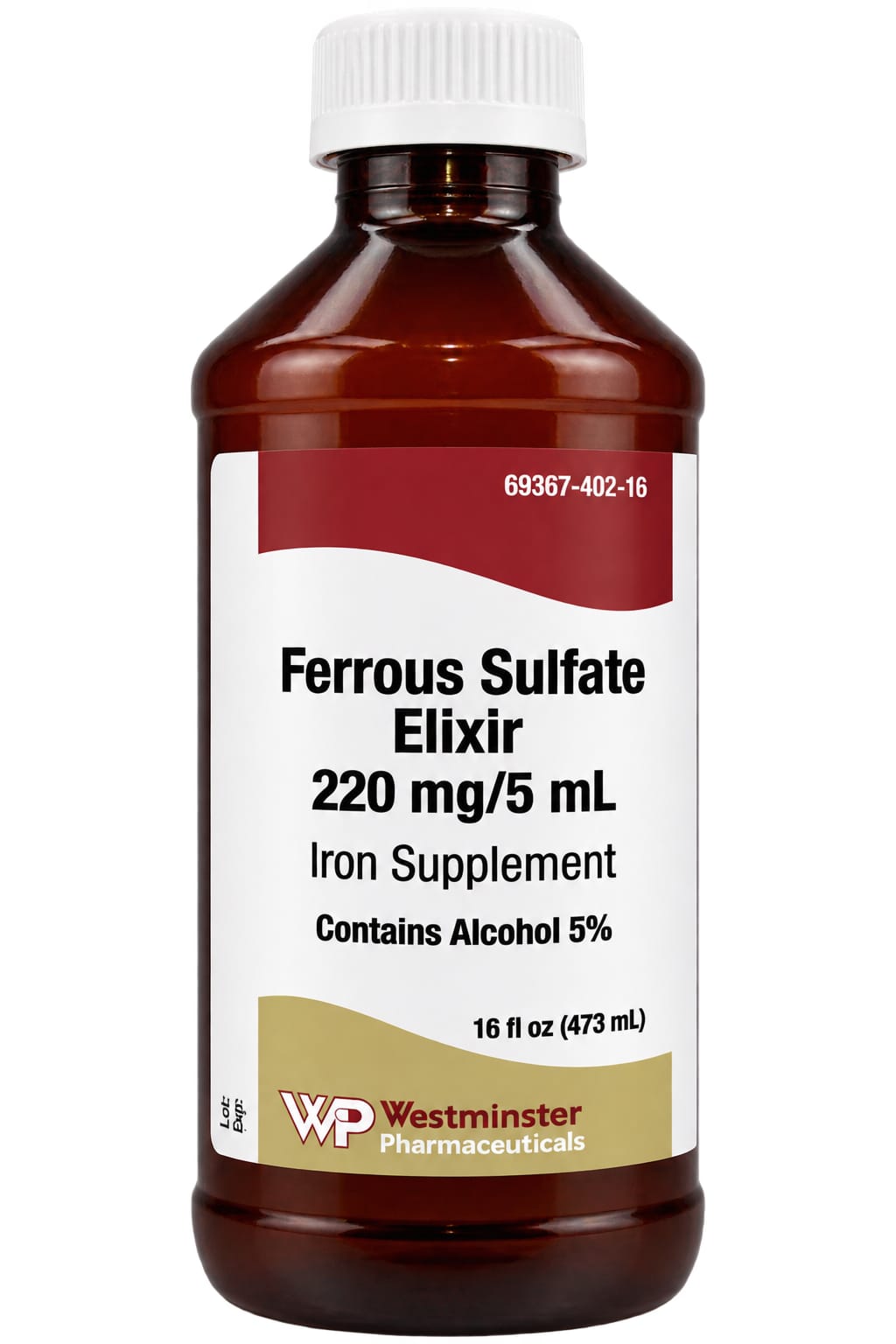
Quick overview
Ferrous Sulfate Syrup contains ferrous sulfate, a form of iron used to treat and prevent iron deficiency anemia and low iron levels, including during pregnancy and breastfeeding. It works by supplying iron that becomes part of hemoglobin and myoglobin, proteins that carry and store oxygen in the blood and muscles. It is generally taken on an empty stomach, away from certain foods and medicines that can reduce iron absorption, and should be used exactly as directed by a doctor or pharmacist.
What is Ferrous Sulfate Syrup
Ferrous sulfate is a form of iron. Iron is a mineral your body needs to make red blood cells. It becomes part of hemoglobin and myoglobin, proteins that carry and store oxygen in your blood and muscles.
Ferrous Sulfate Syrup uses
- Treats iron deficiency anemia (a lack of red blood cells caused by having too little iron in the body)
- Prevents or treats low iron levels and iron deficiency, including during pregnancy and breastfeeding
- Used for anemia caused by lack of iron in the diet or loss of iron from the body
Benefits of Ferrous Sulfate Syrup
- Helps maintain normal blood iron levels
- May prevent symptoms of iron deficiency, such as tiredness, weakness, and headaches
- May improve outcomes before surgery when iron levels are low
How Ferrous Sulfate Syrup works
Iron from this medicine becomes part of hemoglobin and myoglobin, which carry oxygen through your blood to your tissues and organs and help your muscles store oxygen.
Ferrous Sulfate Syrup dosage
Take this medicine on an empty stomach, unless this upsets your stomach, in which case it may be taken with a meal that is low in calcium. Measure liquid medicine carefully using a dosing syringe or medicine dose-measuring device, not a kitchen spoon.
Do not take with tea, milk, or eggs, as these can reduce how much iron your body absorbs. Taking it with vitamin-C-rich food or juice may help your body absorb more iron. Space out doses from antacids, antibiotics, and laxatives by at least a couple of hours before or after.
If you miss a dose, take it as soon as you remember, but skip it if it is almost time for your next dose; do not take a double dose. Children should only be given this medicine on medical advice.
| Age group | Dose |
|---|---|
| Under 1 year | Doctor-directed, weight-based |
| 1–11 years | Doctor-directed, weight-based |
| 12–64 years | 5 mL, 2–4 times daily |
| 65+ years | 5 mL, 2–4 times daily |
Available forms and strengths
- Oral delayed release tablet
- Oral elixir
- Oral liquid
- Coated tablets
- Drops
- Syrup
Side effects of Ferrous Sulfate Syrup
Common
- Diarrhea
- Constipation
- Nausea, stomach pain
- Green-colored or dark stools
- Loss of appetite
- Heartburn
- Vomiting/feeling sick
Serious
- Severe stomach pain or vomiting
- Cough with bloody mucus or vomit that looks like coffee grounds
- Fever
- Bloody or tarry stools
- Signs of an allergic reaction: hives, difficulty breathing, swelling of face, lips, tongue, or throat
- Mouth ulceration (if tablets are chewed, sucked, or kept in the mouth)
- Ulceration of the throat, gullet, or airway, especially in elderly patients or those with swallowing difficulty
Warnings and precautions
- Do not take this medicine if you have a stomach or small intestine ulcer, an iron storage disease, have had repeated blood transfusions, have hemolytic anemia, have anemia from vitamin B12 or folic acid deficiency, are already on iron supplements, or have a rare sugar intolerance.
- Tablets should be swallowed whole with water, not sucked, chewed, or kept in the mouth, because of the risk of mouth ulcers and tooth staining.
- This medicine can be toxic and even deadly in large amounts, especially for children, so never take more than your provider recommends.
- People with blood disorders like thalassemia, sickle cell anemia, hemolytic anemia, or hemochromatosis should not use this supplement.
- During the first 12 weeks of pregnancy, only take this medicine if your doctor has specifically told you to. For the rest of pregnancy, it can be taken to prevent iron deficiency.
- Ask a doctor before using this medicine if you are breastfeeding.
- This supplement is not recommended for those with liver disease.
- This supplement is not recommended for people with a history of alcohol abuse.
- This medicine does not affect your ability to drive a car or operate machinery.
Storage
- Store at room temperature, away from moisture and heat
- Keep out of the sight and reach of children
- Do not throw away any medicines via wastewater or household waste; ask your pharmacist how to dispose of unused medicine
When to see a doctor
- Get emergency help right away if you think you or someone else has taken too much of this medicine, especially a child, since an overdose of iron can be fatal.
- Seek medical help immediately if you get a rash, itching, or difficulty breathing.
- Call your doctor at once if you have severe stomach pain or vomiting, cough with bloody mucus or vomit that looks like coffee grounds, fever, or bloody or tarry stools.
Alternatives
- Ferrous gluconate syrup
- Iron polymaltose syrup
- Iron sucrose
Watch the video
FAQs
What is Ferrous Sulfate Syrup used for?
It treats iron deficiency anemia and prevents or treats low iron levels, including during pregnancy and breastfeeding, and anemia caused by low dietary iron or iron loss from the body.
How should Ferrous Sulfate Syrup be taken?
Take it on an empty stomach unless it upsets your stomach, in which case it can be taken with a low-calcium meal. Measure liquid doses with a dosing syringe or dose-measuring device, not a kitchen spoon.
Can Ferrous Sulfate Syrup be taken with food or other medicines?
Avoid taking it with tea, milk, or eggs, as these reduce iron absorption. Vitamin-C-rich food or juice may improve absorption. Space doses at least a couple of hours apart from antacids, antibiotics, and laxatives.
What are the common side effects of Ferrous Sulfate Syrup?
Common side effects include diarrhea, constipation, nausea, stomach pain, green-colored or dark stools, loss of appetite, heartburn, and vomiting.
Is Ferrous Sulfate Syrup safe during pregnancy?
During the first 12 weeks of pregnancy, it should only be taken if specifically directed by a doctor. For the rest of pregnancy, it can be taken to prevent iron deficiency.
General information, not medical advice
Your prescriber and the leaflet in your pack know your situation. This page does not.
- Follow your prescriber and the leaflet
- Don't start, stop, or change a dose on your own
- Doses and warnings differ by country and product
Sources
Video
Related medicines

Injectafer Injection: Uses, Dosage, Side Effects, Precautions and Alternates
Iron products
Injectafer (ferric carboxymaltose) treats iron deficiency anemia and heart failure-related iron deficiency via IV. Learn uses, dosage, side effects, and
Feraheme Injection: Uses, Dosage, Side Effects, Precautions and Alternates
Iron products
Feraheme Injection (ferumoxytol) treats iron deficiency anemia in adults, including those with chronic kidney disease. Learn dosage, side effects, and warnings.