
Safety
General information, not medical advice
Your prescriber and the leaflet in your pack know your situation. This page does not.
- Follow your prescriber and the leaflet
- Don't start, stop, or change a dose on your own
- Doses and warnings differ by country and product
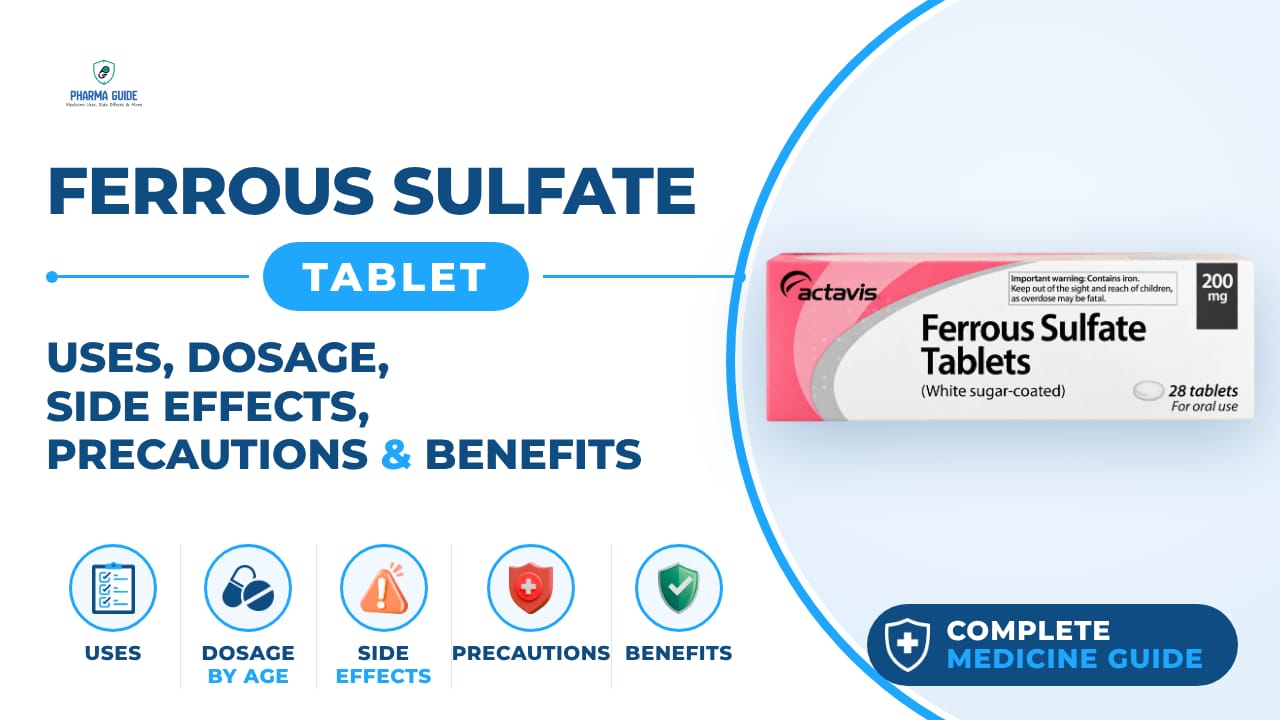
Ferrous Sulfate Tablet: Uses, Dosage, Side Effects, Precautions and Alternates
| Generic name | ferrous sulfate |
|---|---|
| Drug class | Iron products |
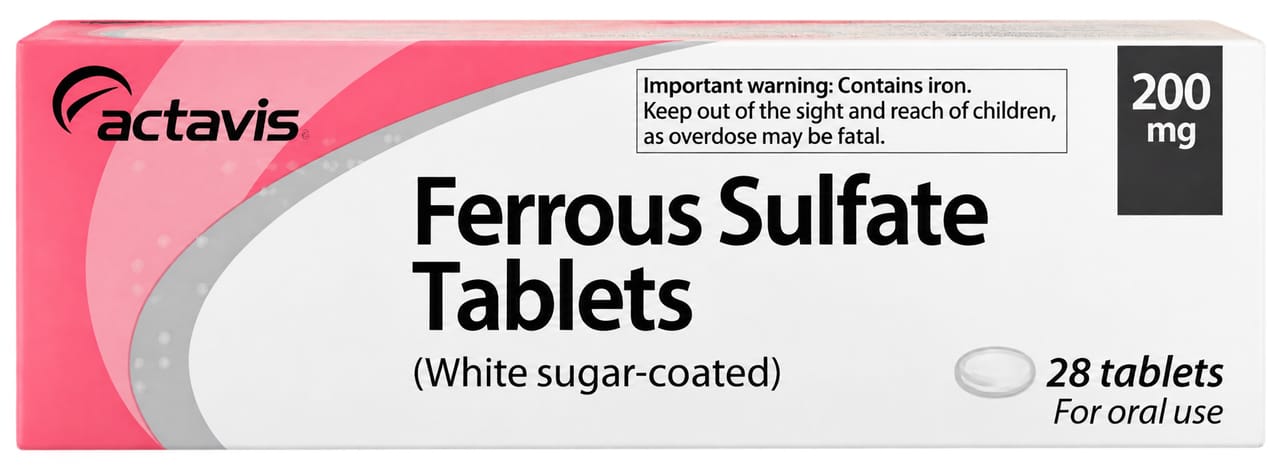
| Forms | coated tablet, film-coated tablet, oral delayed release tablet, oral elixir, oral liquid (drops) |
Quick overview
Ferrous Sulfate Tablet contains ferrous sulfate, an iron supplement used to treat anaemia caused by low iron intake or iron loss, and to prevent iron-deficiency anaemia. Iron becomes part of hemoglobin and myoglobin, helping your blood carry oxygen and your muscles store it. It is generally taken on an empty stomach, swallowed whole with water, and treatment for anaemia should not continue for more than three months after the anaemia is controlled.
What is Ferrous Sulfate Tablet
Ferrous sulfate is a type of iron supplement. It contains iron, a mineral your body needs to make red blood cells. These tablets contain iron, a mineral essential in the production of red blood cells.
Ferrous Sulfate Tablet uses
- Treats anaemia caused by lack of iron in the diet or loss of iron from the body
- Treats or prevents low iron in the body
- Prevents iron-deficiency anaemia
Benefits of Ferrous Sulfate Tablet
- Helps maintain normal blood iron levels
- May prevent symptoms of iron deficiency such as fatigue and headaches
- Used to treat iron deficiency anemia
- Might improve surgical outcomes when taken ahead of time
How Ferrous Sulfate Tablet works
Iron becomes part of hemoglobin and myoglobin in your body. Hemoglobin carries oxygen through your blood to your tissues and organs, and myoglobin helps your muscles store oxygen.
Ferrous Sulfate Tablet dosage
Swallow the tablet whole with water; do not suck, chew, or keep the tablet in your mouth. Take on an empty stomach, at least 1 hour before or 2 hours after a meal, but you may take it with food if it upsets your stomach. Do not take with tea, milk, or eggs, as these reduce how well the iron is absorbed. Keep antacids or antibiotics away from your ferrous sulfate dose by at least 2 hours before or after.
If a dose is missed, take it as soon as you remember, but skip it if it is almost time for the next dose; do not double up. This tablet form is not recommended for use in children and adolescents. Treatment for anaemia should not continue for more than three months after the anaemia is controlled.
| Age group | Dose |
|---|---|
| Infants Under 6 Months | Only use if prescribed by a doctor |
| 6 Months–12 Years | Usually 3–6 mg/kg/day elemental iron (as prescribed) |
| 13 Years and Above (Adults) | Usually 100–200 mg elemental iron/day in divided doses |
| Pregnancy | Usually 30–60 mg elemental iron/day (as advised) |
| Older Adults (65+ years) | Dose adjusted based on iron levels and medical condition |
Available forms and strengths
- Coated tablet
- Film-coated tablet
- Oral delayed release tablet
- Oral elixir
- Oral liquid (drops)
Side effects of Ferrous Sulfate Tablet
Common
- Stomach pains
- Constipation
- Dark or discoloured stools
- Feeling or being sick
- Diarrhoea
- Loss of appetite
- Green-colored stools
- Upset stomach
- Heartburn
Serious
- Rash, itching, or difficulty breathing (allergic reaction)
- Hives; swelling of face, lips, tongue, or throat; trouble breathing, swallowing, or talking
- Severe stomach pain or vomiting
- Cough with bloody mucus or vomit that looks like coffee grounds
- Fever
- Bloody or tarry stools
- Mouth ulceration from incorrect use (chewing, sucking, or holding tablet in mouth)
- Ulceration of the throat, oesophagus, or bronchus, especially if the tablet enters the airways
Warnings and precautions
- Do not take these tablets if you are allergic to ferrous sulfate, have a stomach or intestinal ulcer, an iron storage disease, have had repeated blood transfusions, have haemolytic anaemia, have anaemia from vitamin B12 or folic acid deficiency, or are already taking iron supplements.
- Because of the risk of mouth ulcers and tooth staining, do not suck, chew, or hold the tablet in your mouth — swallow it whole with water. An overdose of iron can be fatal, especially in a young child. Accidental overdose of iron-containing drugs is a leading cause of deadly poisoning in children under 6. If you accidentally choke on a tablet, contact your doctor right away because of the risk of ulcers and airway narrowing if the tablet enters the airways. Taking this medicine for longer than recommended increases your risk of tooth decay and infections.
- During the first 12 weeks of pregnancy, only take this medicine if your doctor has specifically told you to. For the rest of the pregnancy, it can be taken to prevent iron deficiency. Ask your doctor before using this medicine if you are breastfeeding.
- Kidney: Avoid taking more than the prescribed dose. Inform your doctor if you have iron overload or stomach problems.
- Liver: Take carefully with other iron-containing supplements. Keep away from children to prevent accidental overdose.
- Alcohol: Ask a doctor or pharmacist if it is safe for you to take ferrous sulfate if you are an alcoholic.
- Driving: This medicine does not affect your ability to drive a car or operate machinery.
Storage
- Ferrous Sulfate Tablets should not be stored above 25°C
- Store in the original container to protect from moisture
- Keep out of the sight and reach of children
- Do not use after the expiry date on the label; the expiry date refers to the last day of the month
- Do not throw away any medicines via wastewater or household waste; ask your pharmacist how to throw away medicines you no longer use
When to see a doctor
Seek emergency medical help right away if you think you have taken too much of this medicine or if anyone, especially a child, has swallowed it accidentally. Get emergency medical help if you have signs of an allergic reaction such as hives, difficulty breathing, or swelling of your face, lips, tongue, or throat. Call your doctor right away if you have severe stomach pain or vomiting, cough with bloody mucus or vomit that looks like coffee grounds, fever, or bloody or tarry stools. If you experience rash, itching, or difficulty breathing, seek medical help immediately.
Alternatives
- Ferrous Fumarate
- Iron Bisglycinate
- Hemax
Watch the video
FAQs
What is Ferrous Sulfate Tablet used for?
It is used to treat anaemia caused by lack of iron in the diet or loss of iron from the body, treat or prevent low iron levels, and prevent iron-deficiency anaemia.
How should I take Ferrous Sulfate Tablet?
Swallow the tablet whole with water without chewing, sucking, or holding it in your mouth. Take it on an empty stomach, at least 1 hour before or 2 hours after a meal, though it can be taken with food if it upsets your stomach. Avoid taking it with tea, milk, or eggs.
What are the common side effects of Ferrous Sulfate Tablet?
Common side effects include stomach pains, constipation, dark or discoloured stools, nausea, diarrhoea, loss of appetite, green-colored stools, upset stomach, and heartburn.
How long should I take Ferrous Sulfate Tablet for anaemia?
Treatment for anaemia should not continue for more than three months after the anaemia is controlled.
Can Ferrous Sulfate Tablet be taken during pregnancy?
During the first 12 weeks of pregnancy, it should only be taken if specifically advised by a doctor. For the rest of the pregnancy, it can be taken to prevent iron deficiency.
General information, not medical advice
Your prescriber and the leaflet in your pack know your situation. This page does not.
- Follow your prescriber and the leaflet
- Don't start, stop, or change a dose on your own
- Doses and warnings differ by country and product
Sources
Video
Related medicines

Injectafer Injection: Uses, Dosage, Side Effects, Precautions and Alternates
Iron products
Injectafer (ferric carboxymaltose) treats iron deficiency anemia and heart failure-related iron deficiency via IV. Learn uses, dosage, side effects, and
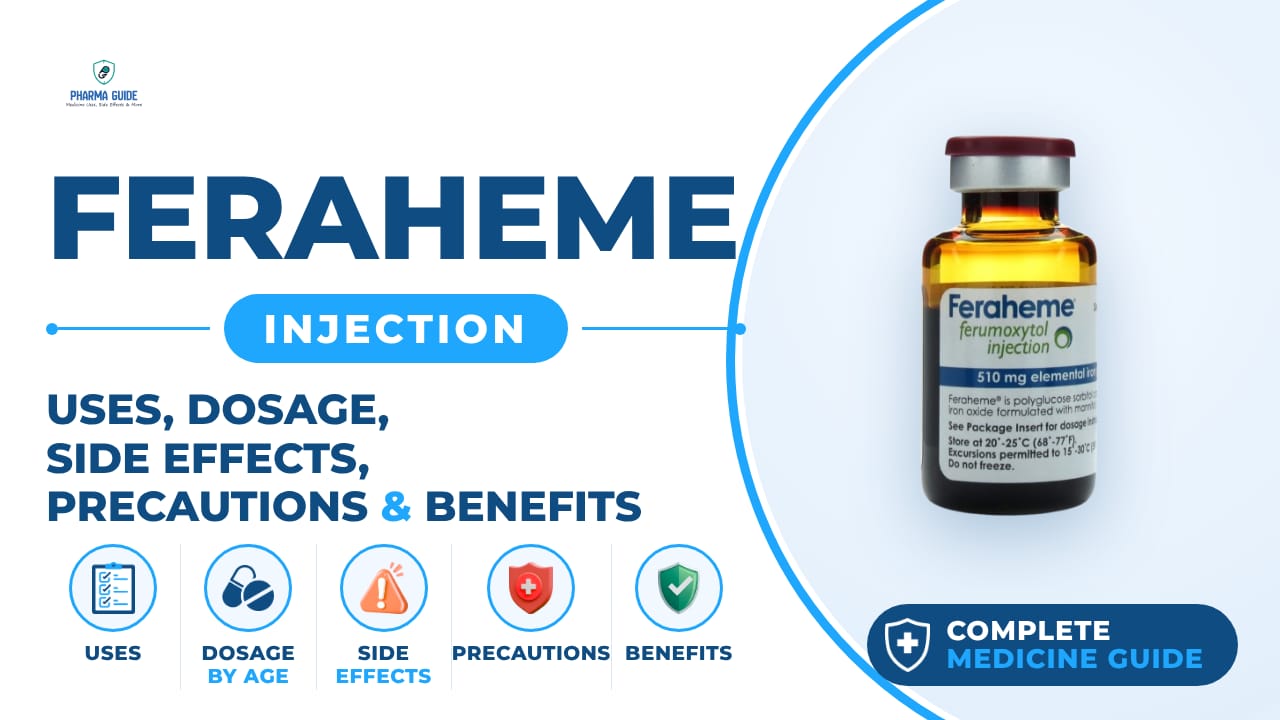
Feraheme Injection: Uses, Dosage, Side Effects, Precautions and Alternates
Iron products
Feraheme Injection (ferumoxytol) treats iron deficiency anemia in adults, including those with chronic kidney disease. Learn dosage, side effects, and warnings.