
Safety
General information, not medical advice
Your prescriber and the leaflet in your pack know your situation. This page does not.
- Follow your prescriber and the leaflet
- Don't start, stop, or change a dose on your own
- Doses and warnings differ by country and product
Flagentyl Tablet: Uses, Dosage, Side Effects, Precautions and Alternates
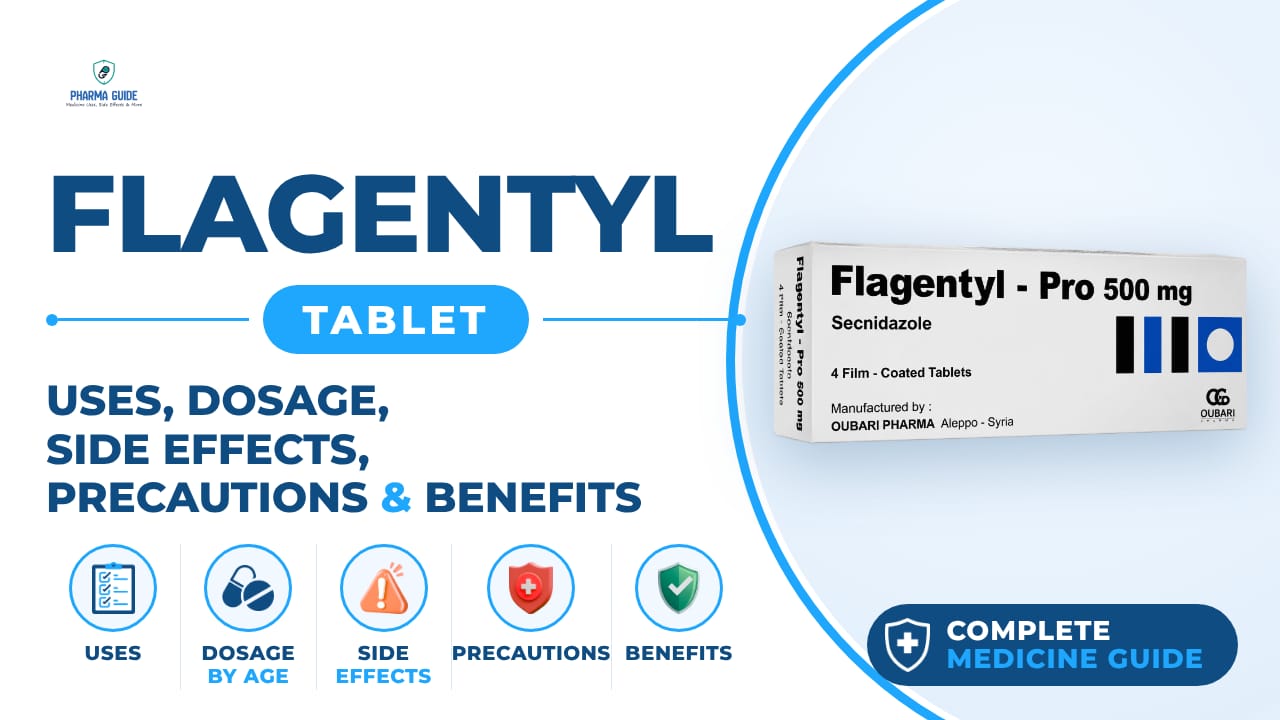
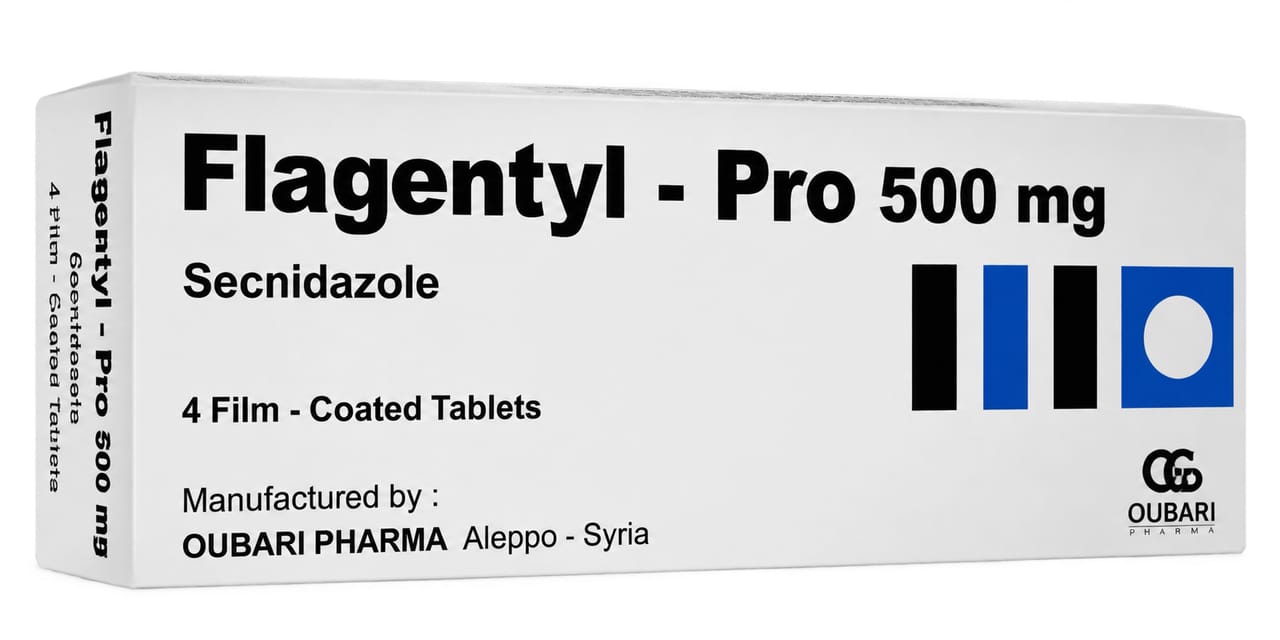
| Generic name | Secnidazole |
|---|---|
| Drug class | Antibacterial and antiprotozoal agent |
| Forms | Tablet |
Quick overview
Flagentyl Tablet contains secnidazole, an antibacterial and antiprotozoal agent belonging to the nitroimidazole class. It is a prescription medicine used to treat certain bacterial and parasitic (protozoal) infections affecting areas such as the stomach, intestines, liver, and reproductive tract. Some infections can be treated with just a single day's treatment course. It should be used exactly as prescribed, with care taken around alcohol use, pregnancy, and breastfeeding.
What is Flagentyl Tablet
Flagentyl is a prescription tablet that fights certain bacterial and parasitic (protozoal) infections in the body.
Flagentyl Tablet uses
- Amebiasis (intestinal amoebiasis)
- Trichomoniasis
- Giardiasis
- Bacterial vaginosis
- Intestinal worms
- Urinary tract infections
- Genital area infections
- Vagina infection
- Urethra infection
- Liver infection
- Parasitic infections and diseases
Benefits of Flagentyl Tablet
- Clears infections caused by certain bacteria and protozoa (parasites)
- Can treat some infections with a single day's treatment course
How Flagentyl Tablet works
It uses secnidazole, which belongs to the nitroimidazole class of anti-infective drugs. The medicine enters the harmful cells and damages their genetic material (DNA), stopping them from multiplying or growing. This disruption kills the bacteria and parasites, clearing the infection from areas like the stomach, intestines, liver, or reproductive tract.
Flagentyl Tablet dosage
Take the tablet before a meal. It is safe to take this medicine with food. This medicine is usually taken once a day for one day, as prescribed by the doctor. Take exactly as your doctor advises, since the right way to use it depends on your age and condition. It is not recommended for use in children unless a doctor prescribes it.
| Age group | Dose |
|---|---|
| Under 12 Years | Use only if prescribed by a healthcare professional |
| 12 Years and Above | Dose depends on infection type; commonly 2 g single dose for certain infections |
| Adults (18–64 Years) | Usually 2 g single dose or as prescribed based on condition |
| Older Adults (65+ Years) | Dose adjusted based on health condition and medical advice |
Available forms and strengths
- Tablet
Side effects of Flagentyl Tablet
Common
- Nausea or vomiting
- Stomach discomfort and pain
- Altered sense of taste (metallic taste in mouth)
- Dizziness
- Indigestion
- Diarrhea
- Unusual tiredness and weakness
- Headache
- Change in color or odor of vaginal discharge
- Vaginal itching
- Vaginal discharge
Serious
- Fast heartbeat, warmth, headache, and breathing difficulty (especially if combined with alcohol) should be reported to the doctor right away
Warnings and precautions
- Do not take this medicine if you have liver disease, kidney disease, sexually transmitted diseases, peripheral neuropathy, alcoholism, or anemia, unless your doctor tells you to.
- This medicine should not be taken together with disulfiram, isoniazid, metronidazole, or etanercept because of the risk of serious interactions.
- Combining this medicine with alcohol can be dangerous.
- This medicine is not recommended during pregnancy unless it is absolutely necessary, and should be avoided in the first trimester. It may cause moderate side effects, so talk to your doctor about the risks and benefits before taking it.
- This medicine is not recommended while breastfeeding unless absolutely necessary. Discuss the risks and benefits with your doctor, and stop use and consult your doctor if you notice any harmful effects.
- Very few cases of kidney side effects have been reported with this medicine.
- This medicine rarely affects the liver, but people with liver disease should not take it unless their doctor advises it.
- Do not drink alcohol while taking this medicine, as it increases the risk of serious side effects like fast heartbeat, warmth, headache, and breathing difficulty.
- Do not drive or operate machinery while taking this medicine, especially if you have also had alcohol, since it can make you feel sleepy or reduce alertness.
Storage
Keep below 25°C (77°F). Protect from humidity and direct sunlight (do not store in a damp bathroom cabinet). Keep out of the reach of children and pets.
When to see a doctor
- Tell your doctor right away if you notice a fast heartbeat, warmth, headache, or difficulty breathing, especially if you have also had alcohol.
- If side effects during pregnancy feel harmful, stop the medicine right away and do not take it again without asking your doctor.
- If you notice harmful effects while breastfeeding, stop using the medicine until you talk to your doctor.
Alternatives
- Rifaximin
- Nitazoxanide
- Ornidazole
- Metronidazole
Watch the video
FAQs
What is Flagentyl Tablet used for?
It is used to treat infections such as amebiasis, trichomoniasis, giardiasis, bacterial vaginosis, intestinal worms, urinary tract infections, and genital area infections.
How is Flagentyl Tablet taken?
It is usually taken once a day for one day before a meal, though it can be taken with food. The exact dose depends on age and condition, commonly a 2 g single dose for certain infections.
Can I drink alcohol while taking Flagentyl Tablet?
No, alcohol should be avoided while taking this medicine as it can cause serious side effects like fast heartbeat, warmth, headache, and breathing difficulty.
Is Flagentyl Tablet safe during pregnancy or breastfeeding?
It is not recommended during pregnancy, especially in the first trimester, or while breastfeeding unless absolutely necessary, and should only be used after discussing risks and benefits with a doctor.
What are the common side effects of Flagentyl Tablet?
Common side effects include nausea or vomiting, stomach discomfort, metallic taste, dizziness, indigestion, diarrhea, tiredness, headache, and changes in vaginal discharge.
General information, not medical advice
Your prescriber and the leaflet in your pack know your situation. This page does not.
- Follow your prescriber and the leaflet
- Don't start, stop, or change a dose on your own
- Doses and warnings differ by country and product
Sources
Video
Related medicines

Injectafer Injection: Uses, Dosage, Side Effects, Precautions and Alternates
Iron products
Injectafer (ferric carboxymaltose) treats iron deficiency anemia and heart failure-related iron deficiency via IV. Learn uses, dosage, side effects, and

Gliclazide Tablet: Uses, Dosage, Side Effects, Precautions and Alternates
Sulfonylurea (hypoglycemic/antidiabetic agent)
Gliclazide Tablet is a sulfonylurea for type 2 diabetes that boosts insulin release. Learn about dosage, side effects, warnings, and precautions.