
Safety
General information, not medical advice
Your prescriber and the leaflet in your pack know your situation. This page does not.
- Follow your prescriber and the leaflet
- Don't start, stop, or change a dose on your own
- Doses and warnings differ by country and product
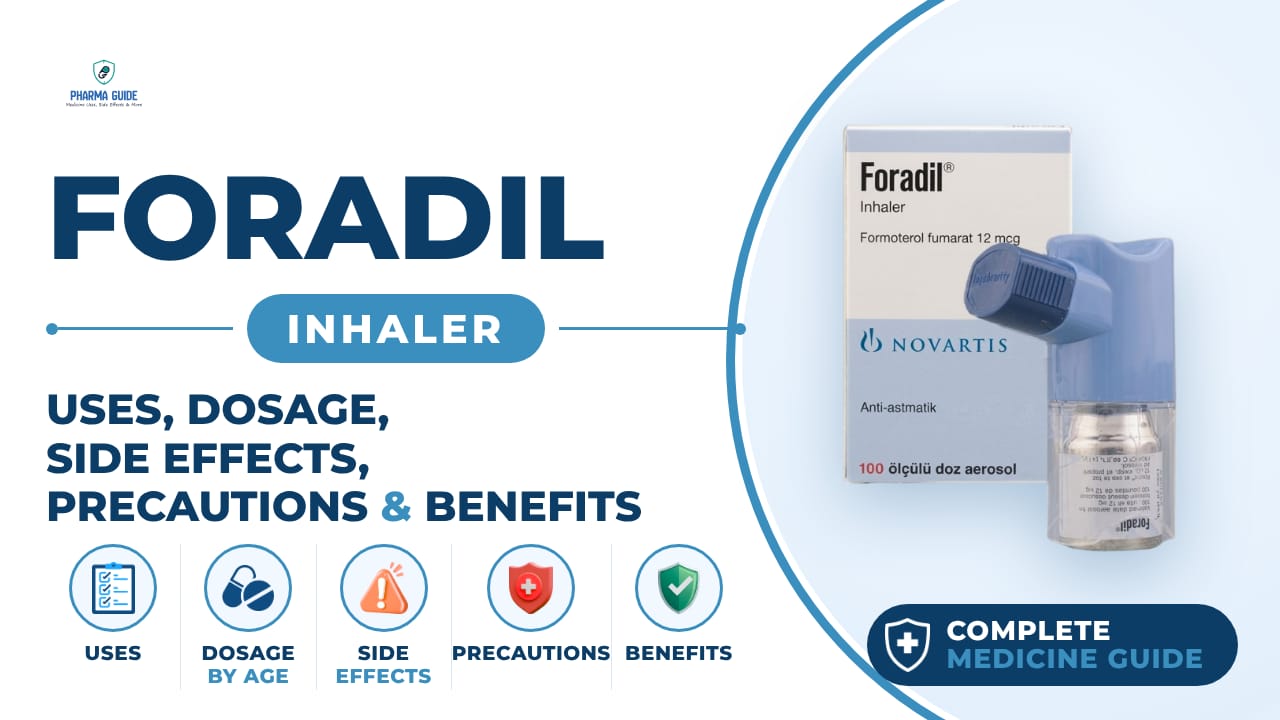
Foradil Inhaler: Uses, Dosage, Side Effects, Precautions and Alternates
| Generic name | Formoterol fumarate |
|---|---|
| Drug class | Long-acting beta2-adrenergic agonist (LABA) bronchodilator |
Quick overview
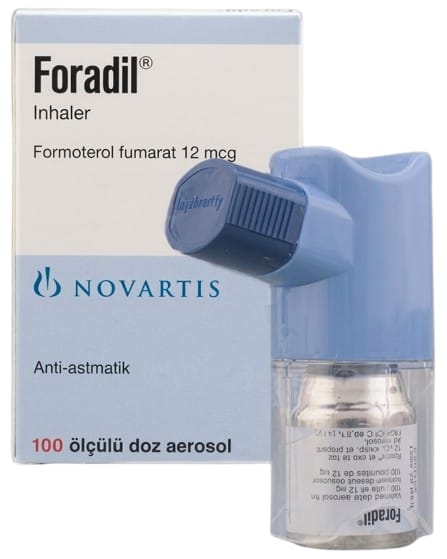
Foradil Inhaler (generic name formoterol fumarate) is a long-acting beta2-adrenergic agonist (LABA) bronchodilator delivered as a dry powder through a special device called the Aerolizer. It is used alongside a long-term control medicine to treat asthma and COPD, and to prevent exercise-induced breathing problems, by relaxing the muscles around the airways in the lungs. The brand has been discontinued in some markets, though generic formoterol inhalation products remain available.
What is Foradil Inhaler
Foradil Aerolizer is a dry powder medicine that you breathe in using a special inhaler device called the Aerolizer. It contains formoterol, a long-acting medicine that relaxes the muscles around the airways in the lungs to help you breathe more easily. The brand Foradil Aerolizer has since been discontinued in some markets, but generic formoterol inhalation products are still available.
Foradil Inhaler uses
- Treating asthma and preventing asthma symptoms such as wheezing and shortness of breath, used together with a long-term asthma control medicine such as an inhaled corticosteroid, in adults and children 5 years of age and older
- Preventing sudden breathing problems caused by exercise (exercise-induced bronchospasm) in adults and children 5 years and older
- Long-term, twice-daily treatment to control symptoms and prevent wheezing in adults with chronic obstructive pulmonary disease (COPD), including chronic bronchitis and emphysema
Benefits of Foradil Inhaler
- Opens the airways in the lungs, making breathing easier
- Effects can last up to 12 hours, helping control symptoms through the day and night
- Can help reduce nighttime awakenings and the need for rescue inhaler use when used as prescribed with a corticosteroid
How Foradil Inhaler works
Formoterol relaxes the muscles around the airways in the lungs by acting on specific receptors there, which widens the airways and makes breathing easier. This effect starts working within a few minutes and can last up to 12 hours.
Foradil Inhaler dosage
This medicine is for inhalation only — do not swallow the capsules; the capsule must only be used with the Aerolizer inhaler device provided. Capsules should be removed from their blister pack only immediately before use and handled with dry hands. Do not use a spacer device with this inhaler, and do not breathe (exhale) into the device.
Doses are usually taken about 12 hours apart, such as morning and evening. This medicine does not relieve sudden breathing problems; a fast-acting rescue inhaler should always be kept on hand for sudden symptoms.
If a dose is missed, take it when remembered, but skip it if it is almost time for the next dose — never take two doses at once.
When used before exercise to prevent exercise-induced symptoms, it should be taken at least 15 minutes beforehand, and not used again for 12 hours.
Children should use the inhaler only with the help of an adult. Continue taking other prescribed asthma medicines, such as inhaled corticosteroids, unless your doctor tells you to stop.
| Age group | Dose |
|---|---|
| Under 18 years | Not recommended |
| 18–64 years | 12 mcg, twice/day |
| 65+ years | 12 mcg, twice/day |
Side effects of Foradil Inhaler
Common
- Headache
- Tremor (shaking)
- Dizziness
- Nervousness
- Trouble sleeping (insomnia)
- Nausea
- Dry mouth
- Muscle cramps
- Tiredness
- Sore mouth or throat
- Changed sense of taste
Serious
- Serious allergic reactions including rash, hives, swelling of the face, lips, mouth, or tongue, and difficulty breathing
- Sudden worsening of breathing problems, wheezing, or coughing right after a dose (paradoxical bronchospasm)
- Low blood potassium, which can cause muscle spasms, muscle weakness, or abnormal heart rhythm
- Fast or irregular heartbeat (palpitations)
- Increased risk of asthma-related death when used without a long-term asthma control medicine
- Increased risk of hospitalization for asthma problems in children and teenagers
- High blood sugar (increased thirst, urination, hunger)
Warnings and precautions
- Medicines like this one, called long-acting beta2-agonists (LABA), increase the risk of death from asthma problems. This medicine should never be used alone for asthma — it must always be used together with a long-term control medicine like an inhaled corticosteroid.
- Children and teenagers taking this type of medicine may have a higher risk of being hospitalized for asthma problems.
- This medicine should not be started in people whose asthma is suddenly getting much worse, as this can be a life-threatening situation.
- This medicine can sometimes cause a sudden worsening of wheezing and breathing difficulty right after use, which can be life-threatening. If this happens, stop using it and get alternative treatment.
- Do not use this medicine together with other medicines that also contain a long-acting beta2-agonist.
- This medicine is not a substitute for corticosteroid medicines, and those medicines should not be stopped or reduced without your doctor's advice.
- Taking more than the recommended dose can be dangerous and has been linked to deaths from excessive use of similar inhaled medicines.
- It is not known whether this medicine could harm an unborn baby. Use during pregnancy only if your doctor decides the benefits outweigh the risks.
- It is not known if this medicine passes into breast milk or if it could harm a nursing baby. Caution is advised if used while breastfeeding.
- This medicine has not been studied in people with kidney problems or in people with liver problems.
- This medicine may cause dizziness in some people. Be careful before driving or using machinery until you know how this medicine affects you.
Storage
- Store at room temperature between 68°F and 77°F (20°C to 25°C)
- Protect from heat and moisture
- Do not remove capsules from the blister pack until just before use
- Keep out of the reach of children
- Always use the new inhaler device provided with each new prescription or refill, and discard the old one
- Safely dispose of capsules and the inhaler device when no longer needed or out of date
When to see a doctor
- Get emergency medical care if your breathing problems get worse quickly and your rescue inhaler does not help.
- Call your healthcare provider if your breathing problems get worse over time while using this medicine, as you may need a different treatment.
- Seek medical help right away if you need to use your rescue inhaler more often than usual, if it stops working as well, if you need 4 or more puffs of it for 2 or more days in a row, or if you use a whole canister within 8 weeks.
- Get emergency help right away if you notice signs of a serious allergic reaction, such as hives, difficulty breathing, or swelling of your face, lips, tongue, or throat.
- Contact your doctor if your asthma symptoms do not improve after using this medicine regularly for one week.
Alternatives
- Arcapta Neohaler
- Striverdi Respimat
- Serevent
Watch the video
FAQs
What is Foradil Inhaler used for?
It treats and prevents asthma symptoms (used with a long-term control medicine like an inhaled corticosteroid), prevents exercise-induced breathing problems, and provides long-term twice-daily control of COPD symptoms, including chronic bronchitis and emphysema.
How is Foradil Inhaler taken?
It is inhaled only through the Aerolizer device, never swallowed. Doses are usually taken about 12 hours apart, such as morning and evening, and it should not be used with a spacer.
Can Foradil Inhaler be used alone for asthma?
No, it should never be used alone for asthma. It must always be used together with a long-term control medicine such as an inhaled corticosteroid, since LABAs like formoterol increase the risk of asthma-related death when used without one.
What are the common side effects of Foradil Inhaler?
Common side effects include headache, tremor, dizziness, nervousness, trouble sleeping, nausea, dry mouth, muscle cramps, tiredness, sore mouth or throat, and changed sense of taste.
What should I do if I miss a dose of Foradil Inhaler?
Take it when you remember, but skip it if it is almost time for your next dose. Never take two doses at once.
General information, not medical advice
Your prescriber and the leaflet in your pack know your situation. This page does not.
- Follow your prescriber and the leaflet
- Don't start, stop, or change a dose on your own
- Doses and warnings differ by country and product
Sources
Video
Related medicines

Injectafer Injection: Uses, Dosage, Side Effects, Precautions and Alternates
Iron products
Injectafer (ferric carboxymaltose) treats iron deficiency anemia and heart failure-related iron deficiency via IV. Learn uses, dosage, side effects, and

Gliclazide Tablet: Uses, Dosage, Side Effects, Precautions and Alternates
Sulfonylurea (hypoglycemic/antidiabetic agent)
Gliclazide Tablet is a sulfonylurea for type 2 diabetes that boosts insulin release. Learn about dosage, side effects, warnings, and precautions.