
Safety
General information, not medical advice
Your prescriber and the leaflet in your pack know your situation. This page does not.
- Follow your prescriber and the leaflet
- Don't start, stop, or change a dose on your own
- Doses and warnings differ by country and product
Formoterol Inhaler: Uses, Dosage, Side Effects, Precautions and Alternates
| Generic name | Formoterol |
|---|---|
| Drug class | Bronchodilator (long-acting beta agonist, LABA) |
| Forms | Inhalation solution (for use with a nebulizer), Inhalation powder capsules (used with a special inhaler device) |
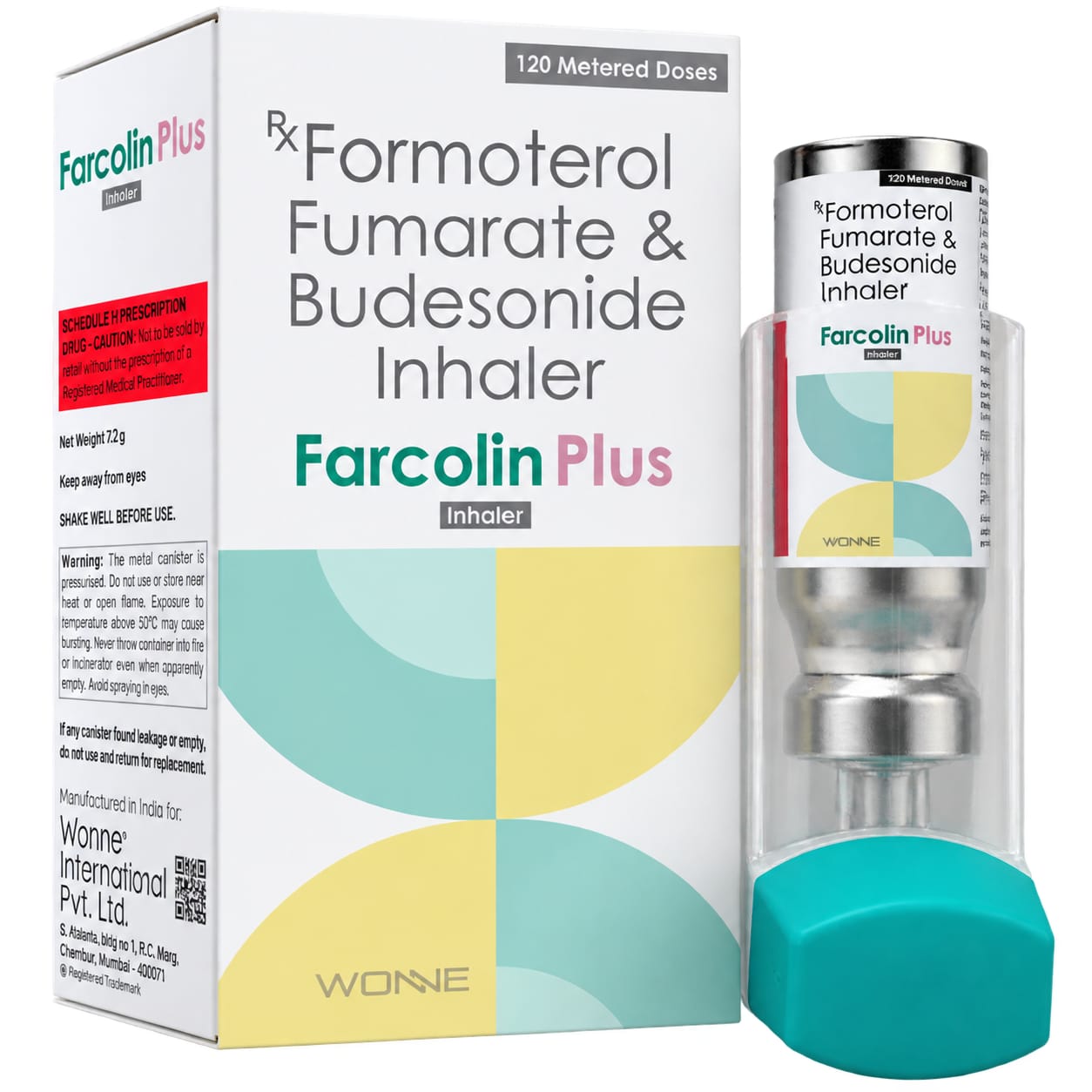
Quick overview
Formoterol Inhaler (generic name formoterol) is a prescription long-acting beta agonist (LABA) bronchodilator breathed in through the mouth. It is used alongside other asthma medicines to help prevent asthma attacks and to treat COPD, including chronic bronchitis and emphysema. It is a preventer medicine, not a reliever, so it will not stop an attack that has already started. It is available as an inhalation solution for a nebulizer and as inhalation powder capsules used with a special inhaler device.
What is Formoterol Inhaler
Formoterol is a prescription medicine breathed in through the mouth to help open the airways in the lungs. It is used together with other asthma medicines to prevent asthma attacks and to treat COPD (chronic obstructive pulmonary disease), which includes chronic bronchitis and emphysema. It is a preventer medicine, not a reliever, so it does not stop an attack that has already started.
Formoterol Inhaler uses
- Prevents asthma attacks and reduces bronchospasm when used with other asthma medicines, such as inhaled steroids
- Long-term maintenance treatment of airflow blockage in COPD, including chronic bronchitis and emphysema
- Prevents wheezing or troubled breathing caused by exercise (exercise-induced bronchospasm)
Benefits of Formoterol Inhaler
- When used regularly every day, decreases the number and severity of asthma attacks
- Relieves cough, shortness of breath, and troubled breathing by increasing airflow through the bronchial tubes
- Helps control wheezing, shortness of breath, and chest tightness caused by COPD
How Formoterol Inhaler works
Formoterol relaxes and opens the air passages in the lungs, making it easier to breathe.
Formoterol Inhaler dosage
Use this medicine only as directed by your doctor, and do not use it more often than recommended. This medicine is used to prevent asthma or COPD attacks, not to relieve an attack that has already started; use a different (reliever) inhaler for sudden symptoms. It must be used every day at regularly spaced doses, even if you feel well, to help prevent attacks. Do not stop using this medicine or other prescribed asthma/COPD medicines unless you have discussed this with your doctor.
For the inhalation solution used with a nebulizer: use the medicine right after opening the foil pouch, squeeze the entire vial into the nebulizer cup, do not mix it with other medicines in the machine, and breathe in through the mouthpiece until no more mist forms. Clean all nebulizer parts after each use.
For the inhalation powder capsules: dry your hands first, place the capsule only in the inhaler's capsule chamber (never swallow it or put it directly in the mouthpiece), breathe out fully before inhaling, then breathe in quickly and deeply through the mouthpiece. Do not use a spacer with the powder inhaler device, and do not wash the inhaler—keep it dry. Discard the used capsule after each dose and do not leave it inside the device. Use a new inhaler device with each refill, and do not use the inhaler with any other medicine.
If a dose is missed, skip it and return to the regular schedule; never take a double dose. Children should rinse their mouth with water or brush their teeth after using the inhaler. Continue taking inhaled steroids as usual alongside formoterol unless using a combination inhaler.
| Age group | Dose |
|---|---|
| Under 5 Years | Use only if prescribed by a doctor |
| 5–11 Years | 6–12 mcg twice daily (depending on product and condition) |
| 12 Years and Above | 12 mcg twice daily (adjusted based on response) |
| Adults (18–64 Years) | 12–24 mcg twice daily (maximum depends on product strength) |
| Older Adults (65+ years) | Individualized dose based on medical condition |
Available forms and strengths
- Inhalation solution (for use with a nebulizer)
- Inhalation powder capsules (used with a special inhaler device)
Side effects of Formoterol Inhaler
Common
- Body aches or pain
- Chills
- Cough
- Difficulty with breathing
- Ear congestion
- Fever
- Headache
- Hoarseness
- Loss of voice
- Runny or stuffy nose
- Sneezing
- Sore throat
- Unusual tiredness or weakness
- Nervousness
- Dry mouth
- Muscle cramps
- Nausea
- Vomiting
- Diarrhea
- Extreme tiredness
- Dizziness
- Difficulty falling or staying asleep
- Tremor or shakiness, especially in the hands
Serious
- Chest pain or tightness
- Fast, pounding, or irregular heartbeat or pulse
- Fainting or feeling lightheaded
- Swelling of the face, lips, tongue, throat, hands, feet, or genitals
- Hives, itching, or skin rash
- Trouble breathing or swallowing
- Paradoxical bronchospasm (worsening cough, wheezing, or difficulty breathing right after using the medicine)
- Decreased urine output
- Increased thirst, muscle cramps, or irregular heartbeat suggesting low potassium
- Seizures
- Symptoms of overdose such as chest tightness, irregular or racing heartbeat, muscle spasms or jerking, nausea, vomiting, trouble sleeping, or loss of consciousness
Warnings and precautions
- This medicine should not be used during a severe asthma or COPD attack, or once attack symptoms have already started.
- Your doctor may give you a different medicine to use for sudden attacks.
- This medicine can increase the chance of a severe asthma episode when one does occur, even though it reduces how often attacks happen overall.
- Using this medicine without an inhaled steroid may increase the risk of worsening asthma, which can lead to hospitalization, needing a breathing tube, or death.
- This medicine can sometimes cause your breathing or wheezing to suddenly get worse right after use (called paradoxical bronchospasm),
- which can be life-threatening. Serious allergic reactions, including anaphylaxis and swelling of the face or throat, can happen and may be life-threatening.
- This medicine may cause heart or blood vessel problems, including heart rhythm problems.
- Low potassium levels in the blood can occur while using this medicine.
- Use only as prescribed; do not use it as a rescue inhaler for sudden breathing attacks unless specifically directed.
- Do not exceed the recommended dose, as overuse may increase the risk of side effects.
- Inform your doctor if you have heart disease, high blood pressure, irregular heartbeat, or thyroid problems.
- Tell your doctor if you have liver disease, as this may need to be considered before using formoterol.
- Discuss with your healthcare professional the use of your medicine with food, alcohol, or tobacco, since interactions may occur.
- Use with caution if you have diabetes, seizures, or low potassium levels. Tell your doctor about all medicines you are taking, especially other bronchodilators or stimulant medicines.
- Tell your doctor if you are pregnant or plan to become pregnant. If you become pregnant while using formoterol, call your doctor.
- There isn't enough research to know the risk to a breastfeeding infant. Weigh the possible benefits against the possible risks with your doctor before using this medicine while breastfeeding.
Storage
- Keep out of the reach of children.
- Do not keep outdated medicine or medicine no longer needed.
- Store the medicine in a closed container at room temperature, away from heat, moisture, and direct light. Keep from freezing.
- Store Foradil® capsules at room temperature, away from heat, light, or moisture. Keep capsules stored in the blister packaging, and do not remove from blister until right before use.
- Store the Perforomist® solution in the refrigerator. You may also keep it at room temperature, away from direct heat or light for up to 3 months. Throw away any unused solution after 3 months.
- Keep the medicine in a cupboard, away from heat and direct sunlight. It does not need to be kept in the fridge.
- Take old inhalers to your pharmacy – do not put them in the household waste or recycling.
When to see a doctor
- Get medical help right away if your or your child's symptoms do not improve after a week of using this medicine, or if they get worse.
- Get medical help right away if your short-acting (reliever) inhaler stops working as well as usual and you need to use it more often.
- Check with your doctor right away if you have coughing, difficulty breathing, shortness of breath, or wheezing after using this medicine.
- Call your doctor right away if you or your child has a rash, itching, hoarseness, trouble breathing, trouble swallowing, or any swelling of the hands, face, or mouth.
- Check with your doctor right away if you have chest pain or tightness, decreased urine output, swollen neck veins, extreme fatigue, irregular heartbeat, swelling of the face, fingers, feet, or lower legs, troubled breathing, or weight gain.
- If your child has an irregular or fast heartbeat, contact the doctor straight away.
- Get emergency help immediately if symptoms of overdose occur, such as chest tightness, irregular or racing heartbeat, seizures, or loss of consciousness.
Alternatives
- Salmeterol
- Indacaterol
- Budesonide/Formoterol
Watch the video
FAQs
What is Formoterol Inhaler used for?
It is used alongside other asthma medicines to help prevent asthma attacks, to treat COPD including chronic bronchitis and emphysema, and to prevent exercise-induced wheezing or troubled breathing.
Is Formoterol Inhaler a reliever or preventer medicine?
It is a preventer medicine, not a reliever, so it will not stop an asthma attack that has already started. A different reliever inhaler should be used for sudden symptoms.
How is Formoterol Inhaler dosed?
Dosage depends on age and product: for example, adults typically use 12–24 mcg twice daily, while those 12 years and above use 12 mcg twice daily, adjusted based on response. It must be used every day at regularly spaced doses, even if feeling well.
What are the serious side effects of Formoterol Inhaler?
Serious side effects include chest pain, fast or irregular heartbeat, fainting, swelling of the face or throat, trouble breathing or swallowing, paradoxical bronchospasm, low potassium symptoms, and signs of overdose such as seizures or loss of consciousness.
How should Formoterol Inhaler products be stored?
Store in a closed container at room temperature away from heat, moisture, and direct light, keeping from freezing. Foradil capsules should stay in blister packaging until use, while Perforomist solution should be refrigerated or kept at room temperature for up to 3 months.
General information, not medical advice
Your prescriber and the leaflet in your pack know your situation. This page does not.
- Follow your prescriber and the leaflet
- Don't start, stop, or change a dose on your own
- Doses and warnings differ by country and product
Sources
- https://www.mayoclinic.org/drugs-supplements/formoterol-inhalation-route/description/drg-20068933
- https://medlineplus.gov/druginfo/meds/a602023.html
- Medicines for Children: Formoterol inhaler for asthma
- Cleveland Clinic: Formoterol Dry Powder Inhaler (DPI)
Video
Related medicines

Injectafer Injection: Uses, Dosage, Side Effects, Precautions and Alternates
Iron products
Injectafer (ferric carboxymaltose) treats iron deficiency anemia and heart failure-related iron deficiency via IV. Learn uses, dosage, side effects, and

Gliclazide Tablet: Uses, Dosage, Side Effects, Precautions and Alternates
Sulfonylurea (hypoglycemic/antidiabetic agent)
Gliclazide Tablet is a sulfonylurea for type 2 diabetes that boosts insulin release. Learn about dosage, side effects, warnings, and precautions.