
Safety
General information, not medical advice
Your prescriber and the leaflet in your pack know your situation. This page does not.
- Follow your prescriber and the leaflet
- Don't start, stop, or change a dose on your own
- Doses and warnings differ by country and product
Furosemide Tablet: Uses, Dosage, Side Effects, Precautions and Alternates
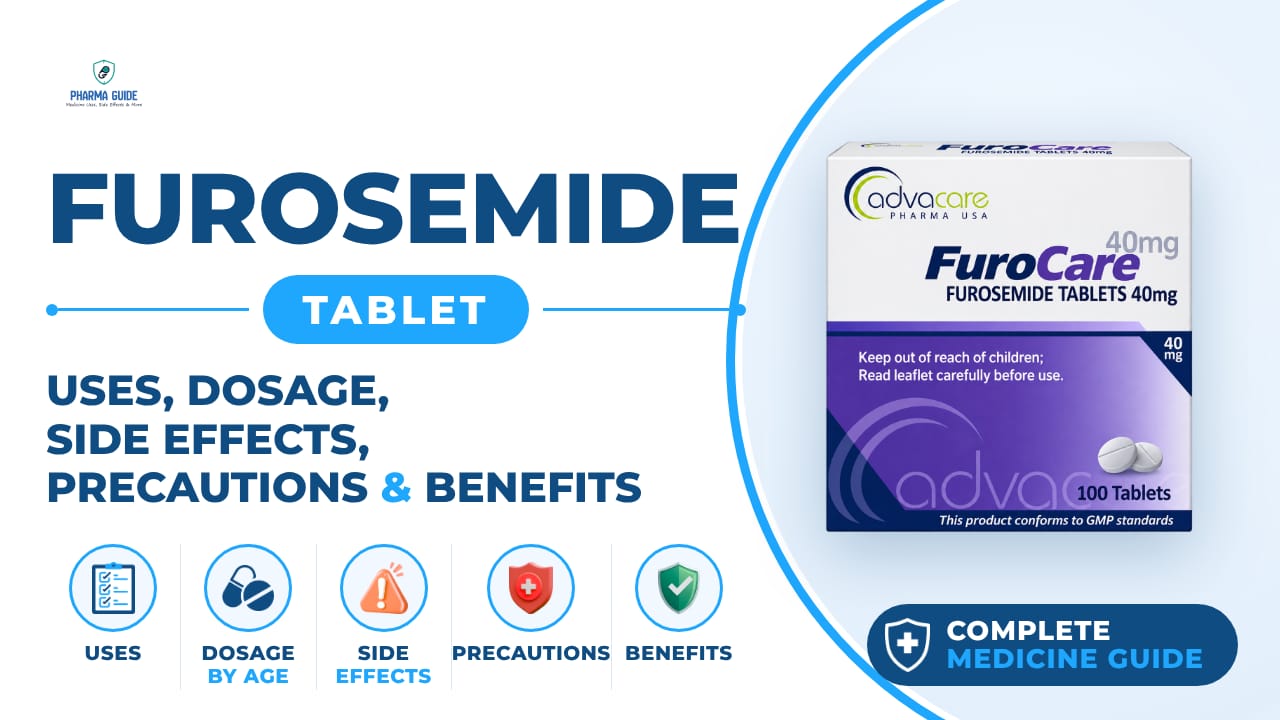
| Generic name | Furosemide |
|---|---|
| Drug class | Loop diuretic |
| Forms | Oral tablet, Oral solution/liquid, Injectable solution (intravenous), Subcutaneous injection/infusion (specific brand devices) |
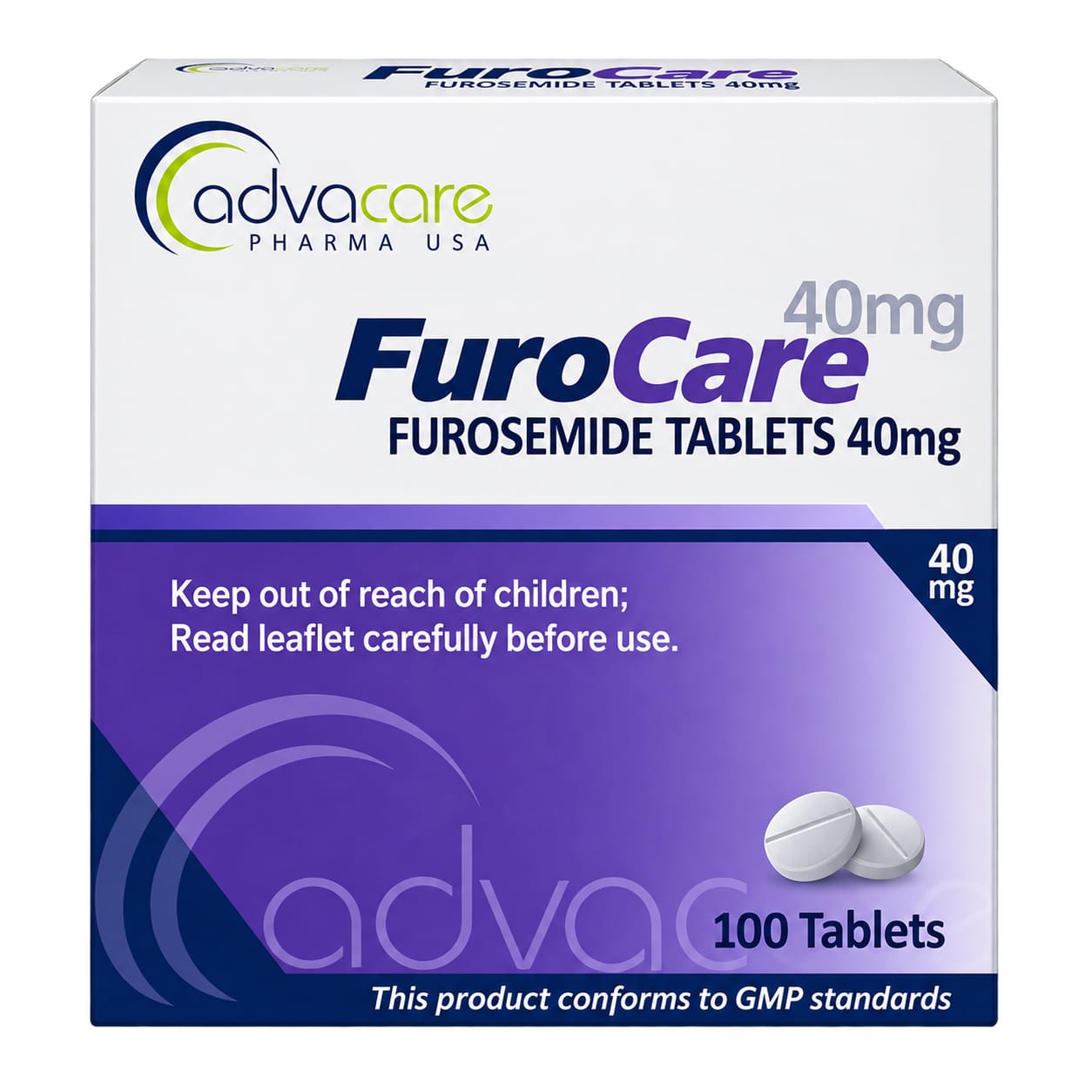
Quick overview
Furosemide Tablet is a prescription loop diuretic, also known by the brand name Lasix, used to treat high blood pressure and edema (fluid buildup) caused by conditions such as heart failure, liver cirrhosis, or kidney disease. It works by increasing urine output to remove excess salt and water from the body. It is available as a tablet, oral liquid, and injectable solution.
What is Furosemide Tablet
Furosemide is a prescription water pill used to treat fluid buildup (edema) and high blood pressure. It is available as the brand-name drug Lasix and also as a generic. It comes as an oral tablet, an oral liquid, and an injectable solution given by a healthcare professional.
Furosemide Tablet uses
- Treating high blood pressure (hypertension) in adults
- Treating edema (swelling from fluid buildup) in adults and some children, which can be caused by conditions such as heart failure, cirrhosis of the liver, or kidney disease
- Sometimes used together with other medications as part of combination therapy for high blood pressure
Benefits of Furosemide Tablet
- Helps reduce fluid retention (edema)
- Helps decrease swelling in the legs, ankles, and feet
- Helps relieve shortness of breath caused by excess fluid in heart failure
- Is used to manage fluid buildup related to heart, kidney, or liver disease
- Helps lower high blood pressure (hypertension)
- Increases urine production to remove excess salt and water from the body
How Furosemide Tablet works
Furosemide is a diuretic that works by blocking the reabsorption of salt in the kidneys, which causes the body to produce more urine. This gets rid of excess salt and water, which lowers blood pressure and reduces swelling.
Furosemide Tablet dosage
Take furosemide tablets by mouth exactly as your doctor directs, following the instructions on your prescription label. The tablet can be swallowed whole, or it can be cut or crushed if needed. Take the tablet without food, with a sufficient amount of fluid such as a glass of water.
Because furosemide makes you urinate more, avoid taking it at bedtime. If you miss a dose, take it as soon as you remember, but if it is almost time for your next dose, skip the missed dose and do not take two doses at once. Keep taking this medicine even if you feel well, especially if you are treating high blood pressure, since high blood pressure often has no symptoms.
Older adults may be started on a lower dose or different schedule because their kidneys may process the drug more slowly.
| Age group | Dose |
|---|---|
| Children <18 years – Edema | 2 mg/kg once initially; weight-based specialist dosing |
| 18–64 years – Edema | 20–80 mg once initially; adjust according to response |
| 18–64 years – Hypertension | Usually 40 mg twice daily initially |
| 65+ years | Usually start at the lower end and adjust cautiously |
Available forms and strengths
- Oral tablet
- Oral solution/liquid
- Injectable solution (intravenous)
- Subcutaneous injection/infusion (specific brand devices)
Side effects of Furosemide Tablet
Common
- Nausea or vomiting
- Diarrhea
- Constipation
- Loss of appetite
- Abdominal cramping
- Vertigo (feeling like you or the room is spinning)
- Dizziness
- Headache
- Blurred vision
- Itching or rash
- Increased urination
- Numbness or tingling
Serious
- Excessive loss of water and electrolytes, with dry mouth, thirst, weakness, drowsiness, restlessness, muscle pains or cramps, urinating less, fast or unusual heartbeat, severe nausea or vomiting
- Low levels of thyroid hormones, with tiredness, weakness, weight gain, dry hair and skin, feeling colder than usual
- Pancreatitis (inflammation of the pancreas), with pain when eating or drinking, severe nausea or vomiting, fever
- Elevated liver enzymes, which could be a sign of liver damage
- Hearing loss or ringing in the ears (may be temporary or permanent)
- Severe skin reactions, including toxic epidermal necrolysis, Stevens-Johnson syndrome, and drug reaction with eosinophilia and systemic symptoms, with serious skin rash, blistering or peeling skin, fever
- Orthostatic hypotension (low blood pressure when standing up)
- Allergic reaction, with hives, difficulty breathing or swallowing, swelling of the face or throat
- Light-headed feeling like you might pass out
- Muscle spasms or contractions
- Pale skin, easy bruising, unusual bleeding
- High blood sugar, with increased thirst, increased urination, dry mouth, or fruity breath odor
- Kidney problems, with swelling, urinating less, feeling tired or short of breath
- Signs of liver or pancreas problems, such as loss of appetite, upper stomach pain spreading to the back, nausea or vomiting, dark urine, or yellowing of skin or eyes
- Electrolyte imbalance signs, such as increased thirst or urination, constipation, muscle weakness, leg cramps, numbness or tingling, feeling jittery, or fluttering in the chest
Warnings and precautions
- Furosemide has a boxed warning, the most serious FDA warning, because taking too much can cause dangerously low water and electrolyte levels in the body, leading to dehydration. Your doctor will monitor your fluid levels and adjust your dose as needed.
- This drug can cause low blood pressure, with dizziness and fainting after standing up. Move slowly when changing positions, and call your doctor if the problem continues.
- This drug can cause low potassium levels, with symptoms like fatigue, muscle weakness, and nausea or vomiting. Call your doctor if you notice these symptoms.
- High doses of furosemide (over 80 milligrams) can cause low thyroid hormone levels, with symptoms like tiredness, weakness, weight gain, dry hair and skin, and feeling colder than usual.
- If you are allergic to sulfa drugs, you may also be allergic to furosemide, which can cause a severe allergic reaction. You should never take this drug again if you have had a severe allergic reaction to it or sulfa drugs before, as a repeat reaction could be fatal.
- Furosemide can make it harder to manage blood sugar levels, so tell your doctor if you have diabetes before starting this drug.
- If you have severe trouble emptying your bladder completely, furosemide can make this worse, so tell your doctor about any bladder disorder before taking it.
- In premature infants and children younger than 4 years old, furosemide may cause kidney problems, including kidney stones and calcium deposits. Giving it to premature infants in the first weeks of life may also increase the risk of lung and heart problems.
- You should not use furosemide if you are unable to urinate, and taking more than the recommended dose will not make it work better — high doses may cause permanent hearing loss.
- Furosemide is a strong diuretic, and taking too much can cause major loss of water and electrolytes, so careful medical supervision and dose adjustment are needed.
- Weight loss from increased urination should not be more than about 1 kg (2.2 lbs) per day, no matter how much urine is produced.
- Furosemide should only be used during pregnancy for short periods if truly necessary, since it crosses the placenta. Talk with your doctor if you are pregnant or planning to become pregnant.
- Furosemide passes into breast milk and can lower milk production, so it should not be given to breastfeeding women; breastfeeding may need to be stopped, or another approach discussed with your doctor.
- Furosemide is removed from the body by the kidneys. If you have kidney problems, the drug may stay in your body longer, which can cause dangerous side effects, including very low blood pressure. Your doctor may start you on a lower dose and monitor your kidney function.
- If you have liver problems such as cirrhosis or ascites, it is best to receive furosemide in a hospital, since it can cause very low electrolyte levels that may lead to serious liver damage and loss of brain function. Your doctor will monitor you closely.
- Drinking alcohol while taking furosemide can make side effects worse, such as a sudden drop in blood pressure when standing up, and can make you feel more dizzy or lightheaded.
- Furosemide has only a minor effect on the ability to drive or use machines, but it can cause reactions that might affect these abilities, especially when starting treatment, increasing the dose, or combining it with alcohol.
Storage
- Keep furosemide at room temperature of 59°F to 86°F (15°C to 30°C)
- Keep this drug away from light
- Do not store this medication in moist or damp areas, such as bathrooms
- Store in the original package in order to protect from light
- Any unused medicine or waste material should be disposed of according to local requirements
When to see a doctor
- Get emergency help right away if you have signs of a severe allergic reaction, such as hives, trouble breathing, or swelling of your face or throat.
- Call your doctor right away if you have serious side effects, and seek emergency care if your symptoms feel life-threatening.
- Call your doctor at once if you feel like you might pass out, have ringing in your ears or hearing loss, muscle spasms, unusual bleeding or bruising, signs of high blood sugar, signs of kidney problems, signs of liver or pancreas problems, or signs of an electrolyte imbalance.
- If you think you have taken too much furosemide, seek emergency medical attention or contact a poison control service; symptoms of overdose can include feeling very thirsty or hot, heavy sweating, hot and dry skin, extreme weakness, or fainting.
Alternatives
- Spironolactone
- Hydrochlorothiazide
- Ethacrynic Acid
- Bumetanide
- Torsemide
Watch the video
FAQs
What is Furosemide Tablet used for?
It is used to treat high blood pressure in adults and edema (fluid buildup) caused by conditions such as heart failure, liver cirrhosis, or kidney disease.
How does Furosemide Tablet work?
It is a diuretic that blocks the reabsorption of salt in the kidneys, causing the body to produce more urine. This removes excess salt and water, lowering blood pressure and reducing swelling.
When should I take furosemide to avoid frequent urination at night?
Because furosemide makes you urinate more, you should avoid taking it at bedtime.
What are the serious side effects of Furosemide Tablet?
Serious side effects include excessive loss of water and electrolytes, low thyroid hormones, pancreatitis, elevated liver enzymes, hearing loss or ringing in the ears, severe skin reactions, low blood pressure on standing, and allergic reactions.
Can I drink alcohol while taking Furosemide Tablet?
Drinking alcohol while taking furosemide can worsen side effects such as a sudden drop in blood pressure when standing up and increased dizziness or lightheadedness.
General information, not medical advice
Your prescriber and the leaflet in your pack know your situation. This page does not.
- Follow your prescriber and the leaflet
- Don't start, stop, or change a dose on your own
- Doses and warnings differ by country and product
Sources
Video
Related medicines
Bumetanide Tablet: Uses, Dosage, Side Effects, Precautions and Alternates
loop diuretic
Bumetanide Tablet is a loop diuretic that treats fluid buildup from heart, liver, or kidney problems. Learn uses, dosage, side effects, and precautions.
Lasix Injection: Uses, Dosage, Side Effects, Precautions and Alternates
Loop diuretic
Lasix Injection (furosemide) is a hospital-given diuretic that treats fluid buildup from heart, liver, or kidney issues and helps control high blood pressure.