
Safety
General information, not medical advice
Your prescriber and the leaflet in your pack know your situation. This page does not.
- Follow your prescriber and the leaflet
- Don't start, stop, or change a dose on your own
- Doses and warnings differ by country and product
Gabantin Capsule: Uses, Dosage, Side Effects, Precautions and Alternates
| Generic name | Gabapentin |
|---|---|
| Drug class | Anticonvulsant (gabapentinoid) |
| Forms | Capsule |
Quick overview
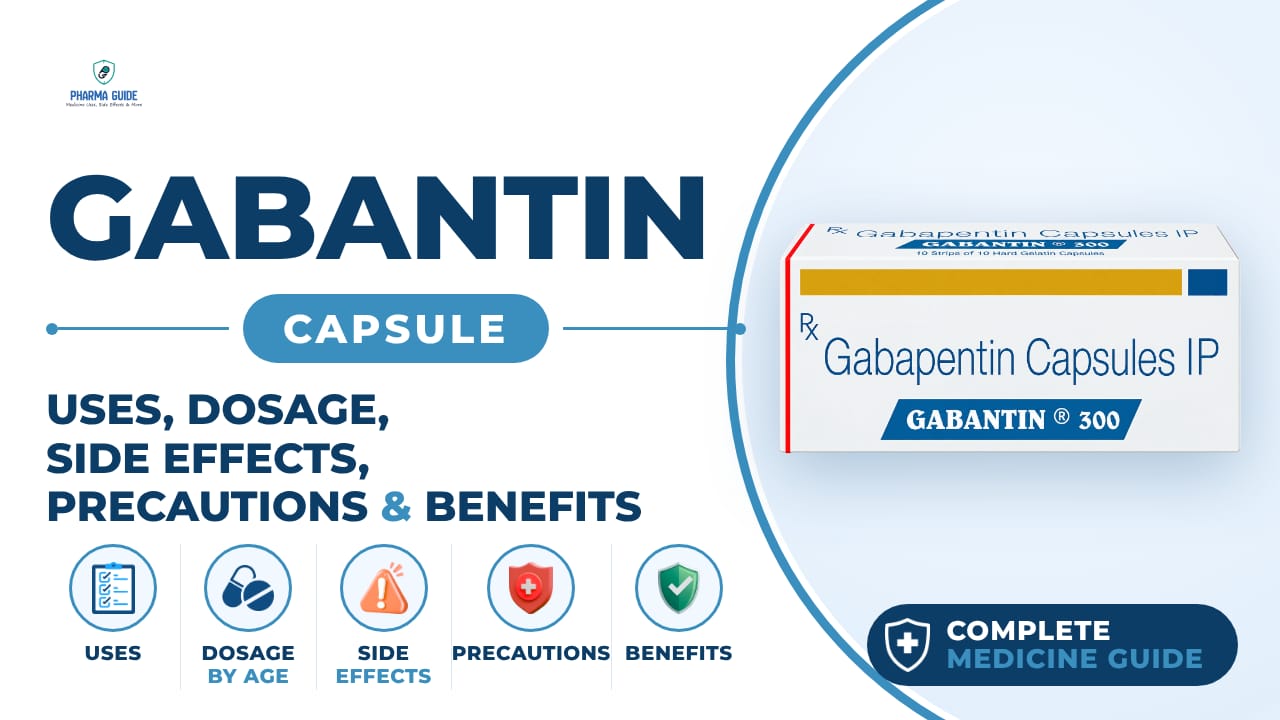
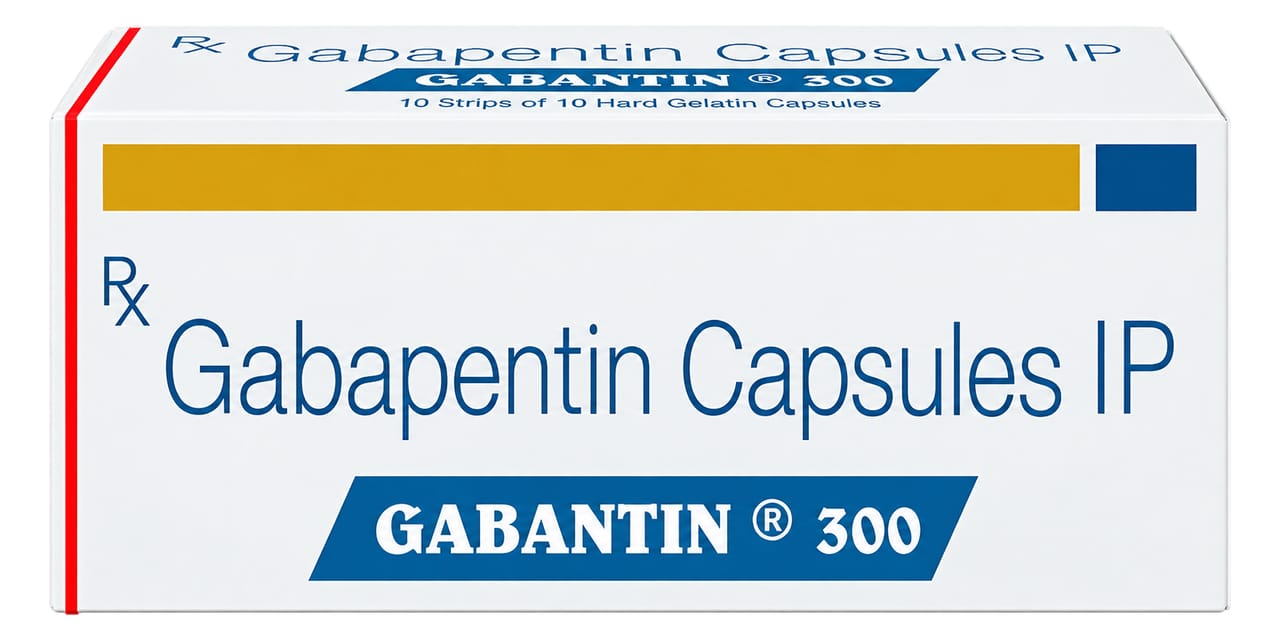
Gabantin Capsule contains gabapentin, an anticonvulsant medicine from the gabapentinoid class. It is used to treat nerve pain and, together with other medicines, to help control seizures caused by epilepsy. It works by calming overactive electrical signals in the brain and nerves. It is available as a capsule and should be used exactly as prescribed by your doctor.
What is Gabantin Capsule
Gabantin is a medicine that contains gabapentin. It is used to treat nerve pain and, together with other medicines, to help control seizures caused by epilepsy.
Gabantin Capsule uses
- Epilepsy (used with other medicines)
- Neuropathic pain (nerve pain from conditions like diabetes, cancer, spine disorders, thyroid problems, or HIV)
- Nerve pain following shingles (postherpetic neuralgia)
- Restless legs syndrome (certain gabapentin products)
Benefits of Gabantin Capsule
- Helps reduce nerve pain so you can go about daily activities more comfortably
- Helps control seizures when used with other epilepsy medicines
How Gabantin Capsule works
Gabapentin calms down overactive electrical signals in the brain and nerves, which reduces seizures and blocks pain signals from damaged nerves.
Gabantin Capsule dosage
Gabantin can be taken with or without food, as prescribed by your doctor. Keep taking this medicine for the full time your doctor prescribes, even if you feel better after a few doses, to get the maximum benefit. It is not recommended for children younger than 6 years. Do not stop taking this medicine suddenly unless your doctor tells you to, since stopping abruptly can cause withdrawal symptoms. If you take an aluminum- or magnesium-containing antacid, wait at least two hours before taking your next dose. Take exactly as prescribed by your healthcare provider.
| Age group | Dose |
|---|---|
| Children (3–11 Years) | 10–15 mg/kg/day, divided into 3 doses, adjusted by a healthcare professional |
| 12–17 Years | 300 mg once daily initially, gradually adjusted according to response |
| Adults (18–64 Years) | 300 mg once daily initially, gradually increased as prescribed |
| Older Adults (65+ Years) | 100–300 mg/day initially, adjusted according to kidney function |
Available forms and strengths
Gabantin is available as a capsule.
Side effects of Gabantin Capsule
Common
- Dizziness
- Uncontrolled eye movements
- Agitation and anxiety
- Restlessness
- Nausea and vomiting
- Unusual tiredness and weakness
- Irritability
- Lower back pain
- Tremors
- Loss of appetite
- Change in vision
- Dry mouth
- Weight gain
- Fever
- Cough
- Loss of coordination
- Fatigue
- Headache
- Difficulty speaking
- Recurring infections
- Memory loss
- Swelling in hands or feet
Serious
- Mood or behavior changes, including suicidal thoughts
- Signs of an allergic reaction such as rash, hives, swelling of face/lips/throat, or trouble breathing
- Signs of liver problems such as yellowing skin or eyes, dark urine, unusual bleeding or bruising
- Signs of kidney problems such as trouble urinating, blood in urine, or swelling of legs and feet
- Severe breathing problems, especially when combined with opioids, alcohol, or other sedating drugs
- Bluish color of lips, nail beds, fingers, or toes with severe weakness or muscle pain
Warnings and precautions
Do not stop taking this medicine suddenly without your doctor's advice, as it can cause withdrawal symptoms like anxiety, fatigue, sweating, vomiting, depression, seizures, and hallucinations.
- This medicine can cause serious, life-threatening breathing problems, especially if combined with opioids, alcohol, or other drugs that cause drowsiness, or if you have a breathing disorder, are elderly, or have COPD.
- Some people have thoughts of suicide while taking this medicine. Watch for any changes in mood or behavior.
- This medicine is not recommended during pregnancy as it may harm the developing baby. Your doctor will only prescribe it if the benefits outweigh the risks.
- This medicine passes into breast milk and is not recommended while breastfeeding unless absolutely necessary. Discuss the risks and benefits with your doctor.
- Tell your doctor if you have kidney disease, as your dose may need to be adjusted.
- Do not stop Gabantin suddenly without medical advice; gradual dose reduction may be necessary.
- Drinking alcohol is not recommended while taking this medicine because it increases the risk of side effects like dizziness and trouble concentrating.
- Do not drive or operate machinery until you know how this medicine affects you, since it can cause dizziness and loss of coordination.
Storage
- Store tablets and capsules at room temperature away from moisture and heat.
When to see a doctor
- Contact your doctor immediately if you develop mood changes or suicidal thoughts.
- Get emergency help if you have signs of an allergic reaction such as rash, hives, swelling, or trouble breathing.
- Seek emergency help if you have very slow or shallow breathing, bluish lips, confusion, or you can't be woken up.
Alternatives
- Nortriptyline
- Amitriptyline
- Duloxetine
- Pregabalin
Watch the video
FAQs
What is Gabantin Capsule used for?
Gabantin Capsule is used to treat nerve pain, including pain from diabetes, shingles, cancer, spine disorders, thyroid problems, or HIV, and is used together with other medicines to help control seizures caused by epilepsy. Certain gabapentin products are also used for restless legs syndrome.
How does Gabantin Capsule work?
Gabapentin calms down overactive electrical signals in the brain and nerves, which reduces seizures and blocks pain signals from damaged nerves.
Can I stop taking Gabantin Capsule suddenly?
No, you should not stop taking this medicine suddenly without your doctor's advice, as it can cause withdrawal symptoms like anxiety, fatigue, sweating, vomiting, depression, seizures, and hallucinations.
Is it safe to drink alcohol while taking Gabantin Capsule?
Drinking alcohol is not recommended while taking this medicine because it increases the risk of side effects like dizziness and trouble concentrating.
Can Gabantin Capsule be taken during pregnancy?
This medicine is not recommended during pregnancy as it may harm the developing baby. Your doctor will only prescribe it if the benefits outweigh the risks.
General information, not medical advice
Your prescriber and the leaflet in your pack know your situation. This page does not.
- Follow your prescriber and the leaflet
- Don't start, stop, or change a dose on your own
- Doses and warnings differ by country and product
Sources
Video
Related medicines
Sabril Tablet: Uses, Dosage, Side Effects, Precautions and Alternates
Anticonvulsant (gabapentinoid)
Sabril Tablet (vigabatrin) is used with other medicines for refractory focal seizures and alone for infantile spasms. Learn uses, dosage, and vision loss risks.
Neurontin Capsule: Uses, Dosage, Side Effects, Precautions and Alternates
Anticonvulsant (gabapentinoid)
Neurontin Capsule (gabapentin) treats nerve pain after shingles and, with other medicines, partial seizures. Learn dosage, side effects, and warnings.