
Safety
General information, not medical advice
Your prescriber and the leaflet in your pack know your situation. This page does not.
- Follow your prescriber and the leaflet
- Don't start, stop, or change a dose on your own
- Doses and warnings differ by country and product
Sabril Tablet: Uses, Dosage, Side Effects, Precautions and Alternates
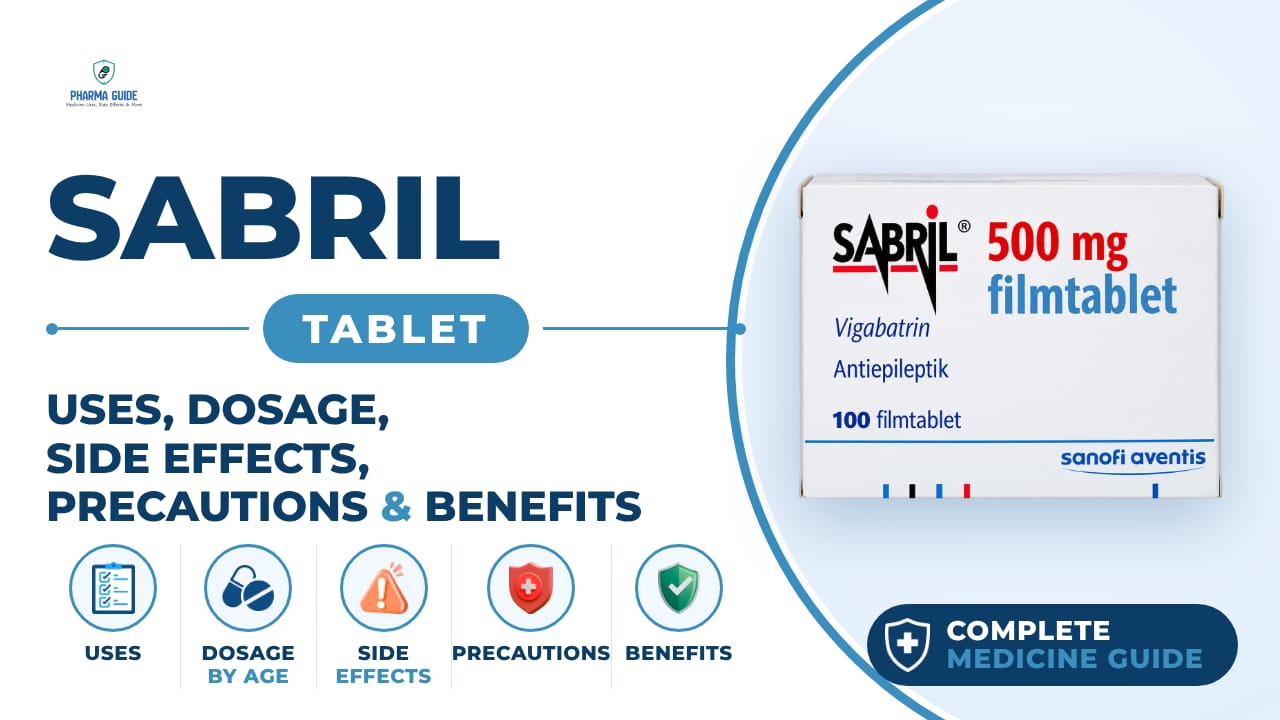
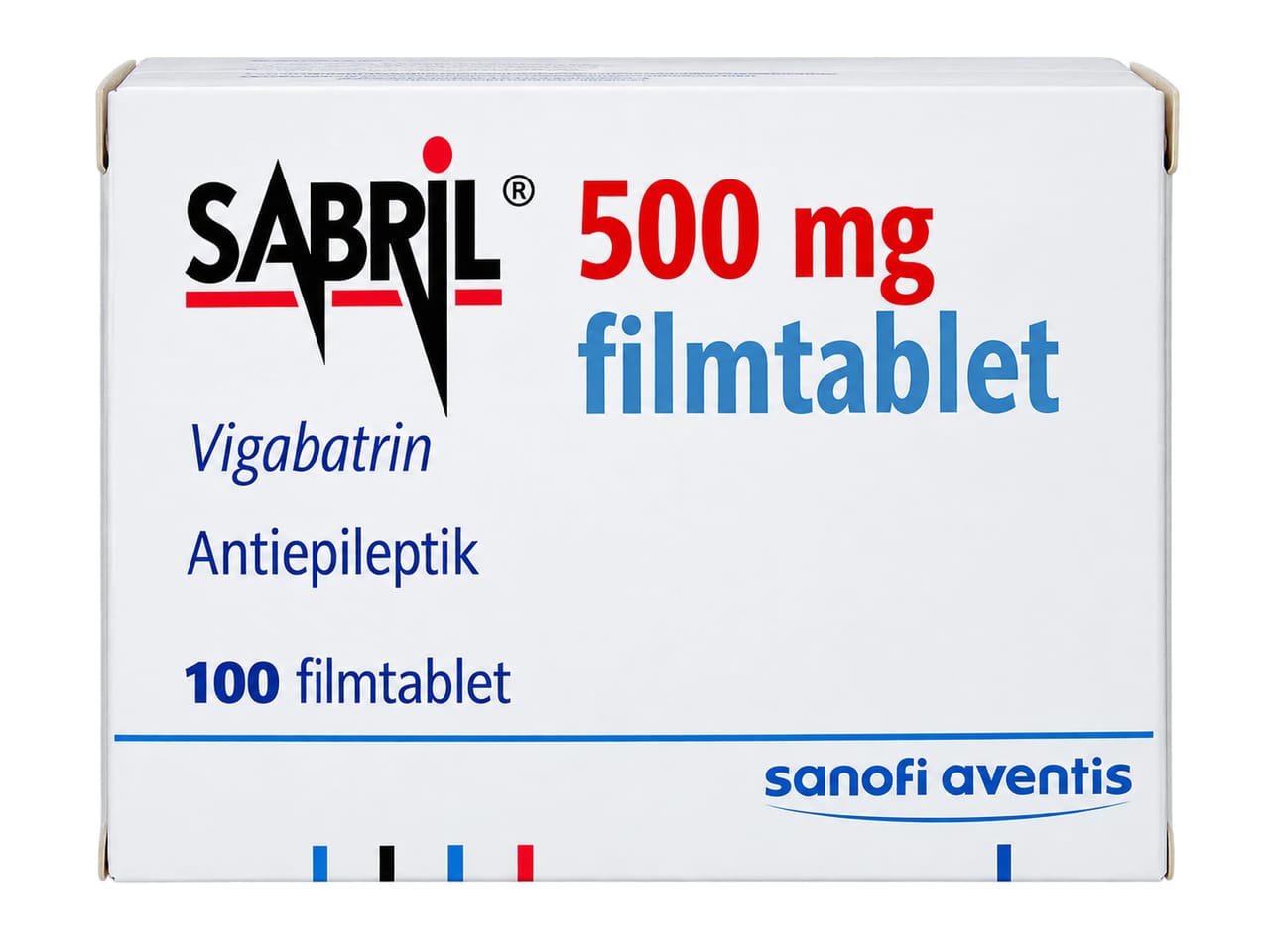
| Generic name | vigabatrin |
|---|---|
| Drug class | Anticonvulsant (gabapentinoid) |
| Forms | Oral tablet (500 mg) |
Quick overview
Sabril Tablet is a brand-name prescription medicine containing vigabatrin, an anticonvulsant used to help control certain seizures. It is used together with other seizure medicines for refractory focal onset seizures in adults and children 2 years and older, and used alone for infantile spasms in babies and children 1 month to 2 years old. Sabril works by increasing a brain chemical called GABA to calm unusual electrical activity in the brain. It can cause permanent vision loss, so regular eye exams and enrollment in a special safety program are required.
What is Sabril Tablet
Sabril is a brand-name prescription medicine that contains the active drug vigabatrin. It belongs to a group of medicines called antiseizure medications, also known as anticonvulsants.
Sabril Tablet uses
- Treats refractory focal onset seizures (also called complex partial seizures) in adults and children ages 2 years and older who have not responded well enough to other treatments, used together with other seizure medicines
- Treats infantile spasms, a type of seizure, in babies and children ages 1 month to 2 years old, usually given alone for this use
Benefits of Sabril Tablet
- Can reduce the number of seizures in people with hard-to-treat focal onset seizures when added to other seizure medicines
- Can reduce infantile spasms in babies and young children
How Sabril Tablet works
Sabril is thought to work by increasing the amount of a brain chemical called GABA, which calms down the brain's electrical activity. Since seizures are caused by unusual electrical activity, raising GABA levels may help reduce seizures. The exact way it works to control seizures is not fully known.
Sabril Tablet dosage
Take Sabril exactly as your doctor prescribes it. Tablets are usually taken two times each day and should be swallowed whole with plenty of water; do not crush, split, or chew them. If swallowing tablets is hard, ask your doctor about the powder form, which is mixed with water to make a liquid and taken right after mixing using an oral syringe, not a kitchen spoon. The powder should be mixed only with water, never with formula, milk, juice, or applesauce; for children with infantile spasms it can be given at the same time as a meal, but the powder itself should not be mixed into food.
You can take Sabril with or without food. Try to take your doses at about the same time each day to help you remember and get the best effect. Do not stop taking Sabril suddenly without talking to your doctor first, since stopping suddenly can cause seizures that do not stop. If a dose is missed, ask your doctor what to do before continuing your normal schedule; for babies, ask the doctor what to do if a dose is missed, vomited, spit up, or only partly taken.
| Age group | Dose |
|---|---|
| Under 18 years | Not recommended |
| 18–64 years | 500 mg, twice/day |
| 65+ years | 500 mg, twice/day |
Available forms and strengths
- Oral tablet (500 mg)
Side effects of Sabril Tablet
Common
- Blurry vision or other eye problems
- Drowsiness, dizziness, feeling tired
- Problems with walking or coordination
- Tremor (shaking)
- Weight gain
- Joint pain
- Memory problems or trouble thinking clearly
- Headache
- Cold-like symptoms such as stuffy or runny nose, sneezing, or sore throat
- Irritability
- Nausea and vomiting
- Uncontrollable eye movements (nystagmus)
- In babies: sleepiness, ear infections, bronchitis, and irritability
Serious
- Permanent vision loss, including loss of side (peripheral) vision or tunnel vision
- Suicidal thoughts or actions
- New or worsening depression, anxiety, agitation, restlessness, or unusual changes in mood or behavior
- Low red blood cell counts (anemia) causing weakness, pale skin, irregular heartbeat, or dizziness
- Nerve problems causing numbness, tingling, or weakness in the hands or feet
- Abnormal MRI brain changes in some babies (significance unknown)
- Allergic reaction with swelling of the face, lips, mouth, or throat, trouble breathing, or hives
- Worsening seizures
- Status epilepticus (seizures that do not stop) if the drug is stopped suddenly
Warnings and precautions
- Sabril can cause permanent vision loss in anyone who takes it, including loss of side (peripheral) vision that can progress to tunnel vision.
- This can happen at any time during treatment, even after it is stopped, and does not improve once it occurs. Risk increases with higher doses and longer use.
- Because of the vision loss risk, Sabril is only available through a special safety program. Patients and doctors must enroll, and regular vision testing is required before starting treatment, during treatment, and after stopping it.
- Some babies treated with Sabril have shown changes on brain MRI scans. It is not known if these changes are harmful.
- Like other seizure medicines, Sabril may increase the risk of suicidal thoughts or actions in a small number of people. Watch for new or worsening depression, anxiety, agitation, or unusual mood changes.
- Never stop taking Sabril suddenly without talking to your doctor first, because stopping suddenly can cause seizures that do not stop (status epilepticus).
- It is not known if Sabril is safe during pregnancy. Animal studies showed a higher risk of birth defects, though clinical trials in humans have not shown this increased risk. Talk to your doctor before starting Sabril if you are pregnant or planning to become pregnant, since untreated seizures can also harm you and your baby.
- Sabril passes into breast milk and may affect a nursing baby. Doctors generally do not recommend breastfeeding while taking this medicine.
- Tell your doctor if you have kidney problems before starting Sabril, since reduced kidney function can cause the drug to build up in your body and increase side effects. Your doctor may start you on a lower dose.
- There are no known direct interactions between Sabril and alcohol, but both can cause similar side effects like blurry vision, sleepiness, dizziness, and trouble with coordination, so drinking alcohol may make these side effects worse. Ask your doctor how much alcohol, if any, is safe for you.
- Sabril can cause sleepiness, tiredness, dizziness, or vision changes. Do not drive, operate machinery, or do anything hazardous until you know how this medicine affects you and your doctor confirms it is safe.
Storage
- Store Sabril tablets and powder packets at room temperature, between 68°F to 77°F (20°C to 25°C)
- Keep Sabril tablets and powder in the container they come in
- Keep Sabril and all medicines out of the reach of children
- Talk to your pharmacist about how to safely dispose of unused or expired medicine
When to see a doctor
- Get medical help right away if you notice any changes in your vision, no matter how mild, or if you start tripping, bumping into things, or being more clumsy than usual.
- Seek help immediately if you or your child have thoughts of suicide or self-harm, or any sudden changes in mood, behavior, or thinking.
- Call your doctor right away if you have signs of an allergic reaction, such as swelling of the face, lips, mouth, or throat, trouble breathing, or hives.
- Tell your doctor right away if your seizures increase or get worse, including while you are stopping the medicine.
- If you think you or your child have taken too much Sabril, get urgent medical attention right away, such as by calling a poison control center or going to the nearest emergency room.
Alternatives
- Clobazam
- Topiramate
- Levetiracetam
Watch the video
FAQs
What is Sabril Tablet used for?
Sabril treats refractory focal onset seizures in adults and children 2 years and older when used with other seizure medicines, and is used alone to treat infantile spasms in babies and children 1 month to 2 years old.
How does Sabril Tablet work?
Sabril is thought to work by increasing the brain chemical GABA, which calms down unusual electrical activity in the brain that causes seizures.
What is the most serious risk of taking Sabril Tablet?
Sabril can cause permanent vision loss, including peripheral vision loss that can progress to tunnel vision. This risk is why regular eye exams and enrollment in a special safety program are required.
Can I stop taking Sabril Tablet suddenly?
No, you should never stop Sabril suddenly without talking to your doctor, as this can cause seizures that do not stop, known as status epilepticus.
How should Sabril Tablet be taken?
Sabril tablets are usually taken twice daily, swallowed whole with water, and should not be crushed, split, or chewed. It can be taken with or without food, and doses should be taken at the same time each day.
General information, not medical advice
Your prescriber and the leaflet in your pack know your situation. This page does not.
- Follow your prescriber and the leaflet
- Don't start, stop, or change a dose on your own
- Doses and warnings differ by country and product
Sources
Video
Related medicines
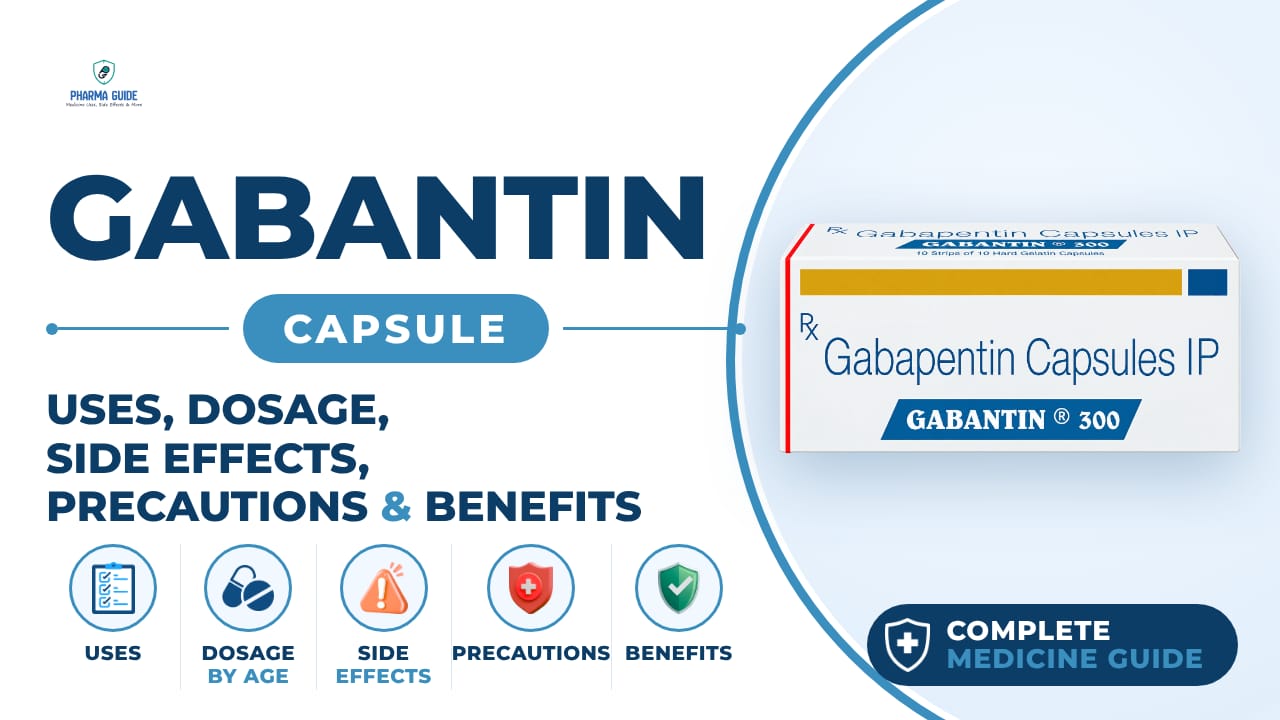
Gabantin Capsule: Uses, Dosage, Side Effects, Precautions and Alternates
Anticonvulsant (gabapentinoid)
Gabantin Capsule contains gabapentin, used for nerve pain and epilepsy control. Learn about its uses, dosage, side effects, and safety precautions.
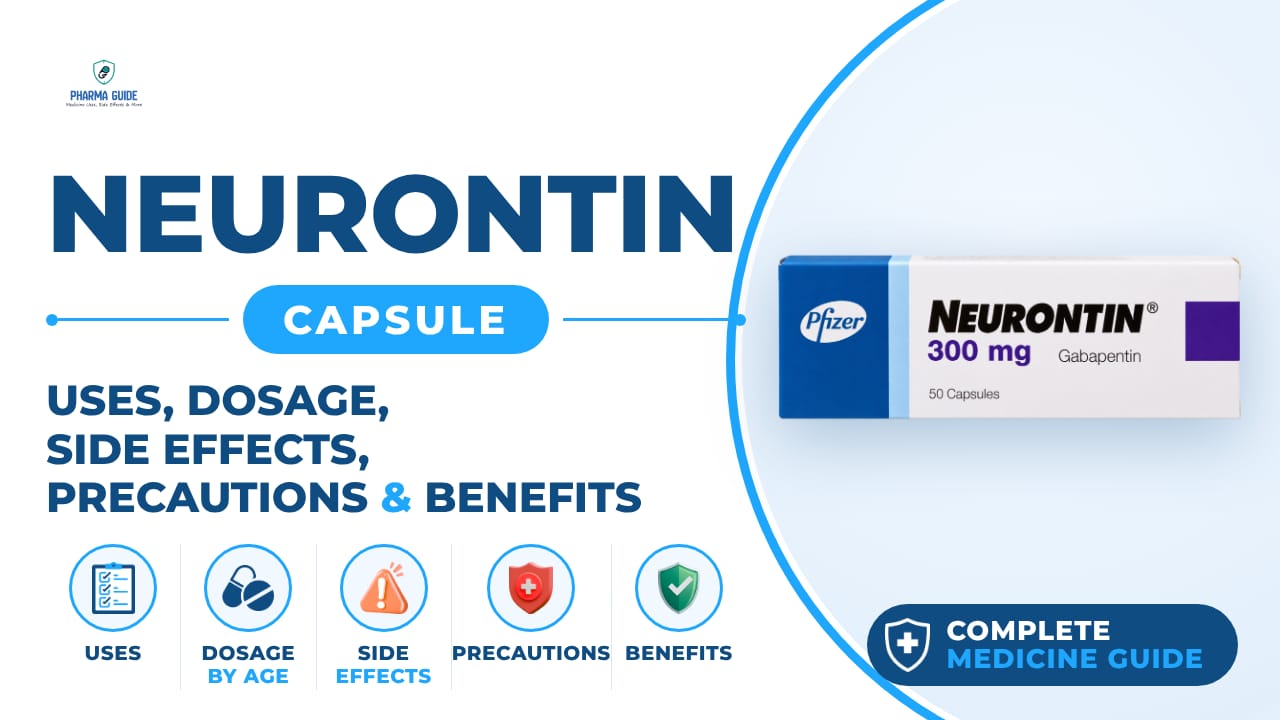
Neurontin Capsule: Uses, Dosage, Side Effects, Precautions and Alternates
Anticonvulsant (gabapentinoid)
Neurontin Capsule (gabapentin) treats nerve pain after shingles and, with other medicines, partial seizures. Learn dosage, side effects, and warnings.