
Safety
General information, not medical advice
Your prescriber and the leaflet in your pack know your situation. This page does not.
- Follow your prescriber and the leaflet
- Don't start, stop, or change a dose on your own
- Doses and warnings differ by country and product
Neurontin Capsule: Uses, Dosage, Side Effects, Precautions and Alternates
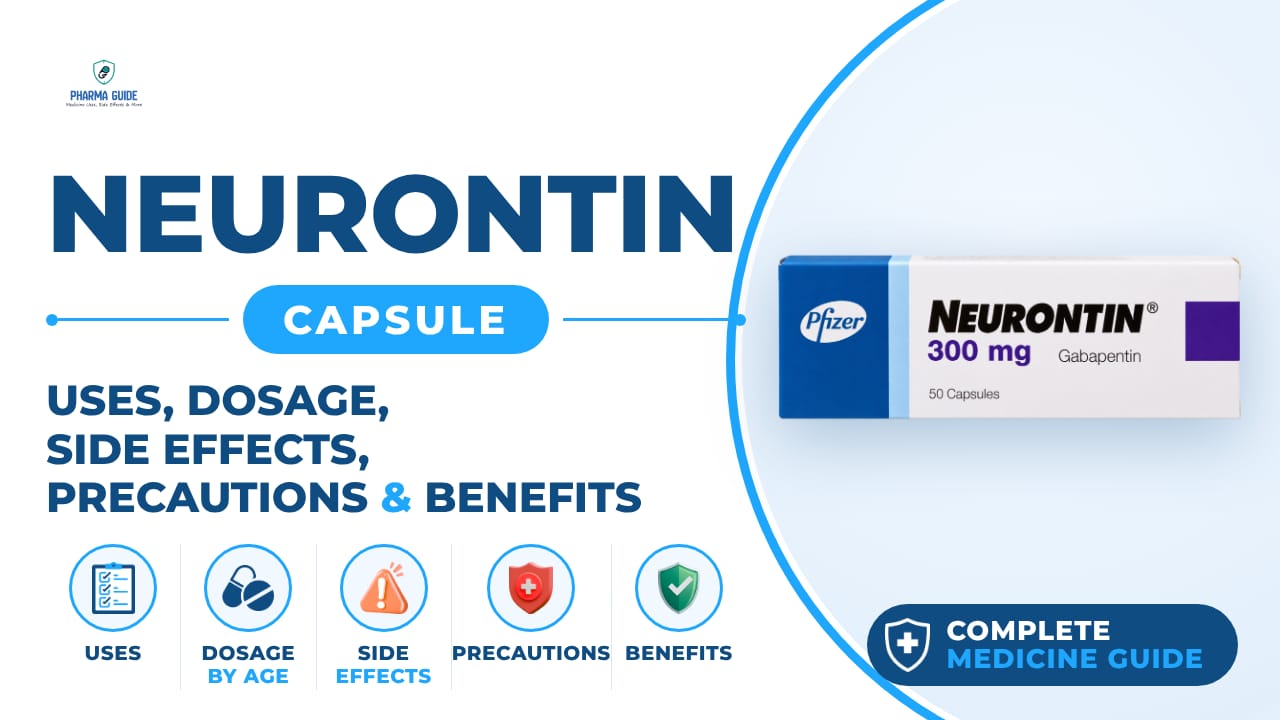
| Generic name | Gabapentin |
|---|---|
| Drug class | Anticonvulsant (gabapentinoid) |
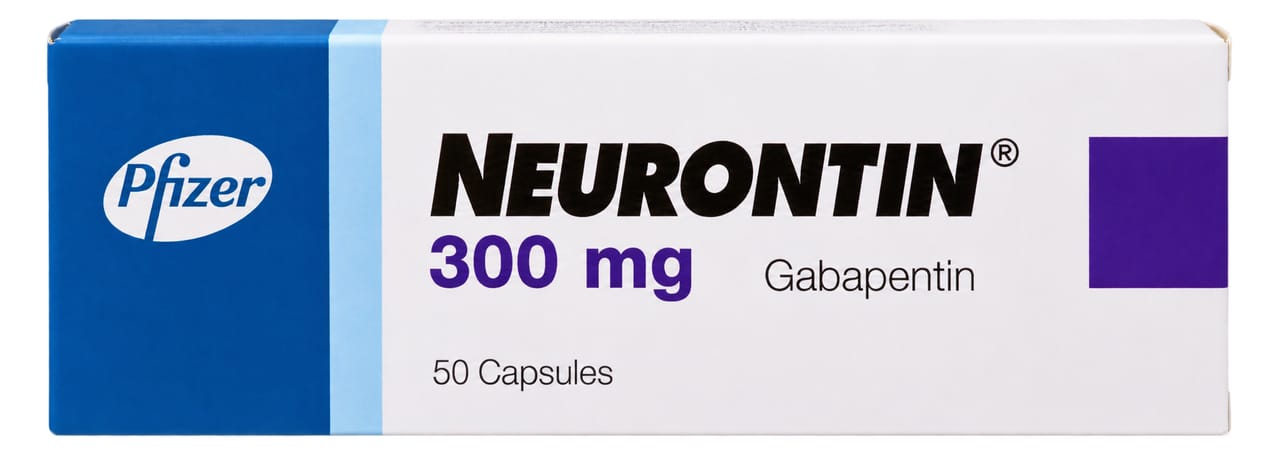
| Forms | Capsules (100 mg, 300 mg, 400 mg), Tablets (600 mg, 800 mg), Oral solution (250 mg per 5 mL) |
Quick overview
Neurontin Capsule contains gabapentin, an anticonvulsant medicine also known as a gabapentinoid. It is used to treat nerve pain that continues after a shingles rash has healed, and together with other medicines, to treat partial seizures in adults and children 3 years of age and older. Neurontin is available as capsules, tablets, and an oral solution.
What is Neurontin Capsule
Neurontin is a prescription medicine containing gabapentin. It is available as capsules, tablets, and an oral solution, and it belongs to a group of medicines called anticonvulsants (also called gabapentinoids).
Neurontin Capsule uses
- Treats nerve pain (postherpetic neuralgia) that follows healing of a shingles rash in adults
- Used together with other medicines to treat partial seizures in adults and children 3 years of age and older with epilepsy
Benefits of Neurontin Capsule
- Can reduce nerve pain that continues after a shingles rash has healed
- Can reduce how often partial seizures happen when added to other seizure medicines
How Neurontin Capsule works
Gabapentin is similar in structure to a natural brain chemical called GABA, which calms overactive nerve cells. It attaches strongly to a part of certain nerve calcium channels, which is believed to help control seizures and nerve pain, although the exact way it works is not fully known.
Neurontin Capsule dosage
Neurontin Capsule can be taken with or without food. Swallow capsules whole with a full glass of water; do not crush, chew, break, or open them. If you take an antacid containing aluminum or magnesium, wait at least two hours before your next dose of this medicine. Take doses evenly spaced out, with no more than 12 hours between doses if taking it three times a day. Take exactly as prescribed by your doctor; do not change your dose without medical advice. Never stop taking this medicine suddenly without talking to your healthcare provider first, as this can cause serious problems including increased seizures. If you miss a dose, take it as soon as you remember; if it is almost time for your next dose, skip the missed dose and do not double up.
| Age group | Dose |
|---|---|
| Under 3 Years | Use only if prescribed by a specialist |
| 3–12 Years | 10–40 mg/kg/day, divided into 3 doses (adjusted by doctor) |
| 13–17 Years | Individualized dose based on condition and response |
| Adults (18–64 Years) | Usually started at 300 mg daily; maintenance commonly 900–3600 mg/day divided into doses |
| Older Adults (65+ years) | Lower starting dose; adjusted based on kidney function and response |
Available forms and strengths
- Capsules (100 mg, 300 mg, 400 mg)
- Tablets (600 mg, 800 mg)
- Oral solution (250 mg per 5 mL)
Side effects of Neurontin Capsule
Common
- Feeling tired or drowsy
- Dizziness
- Headache
- Nausea and vomiting
- Fever
- Difficulty speaking
- Recurring infections
- Memory loss or memory problems
- Weight gain or weight changes
- Coordination problems, unsteadiness, tremors, jerky movements
- Unusual eye movements, double vision
- Swelling, usually of the legs and feet
- Dry mouth
- Constipation or diarrhea
Serious
- Signs of an allergic reaction such as rash, hives, itching, or swollen, blistered or peeling skin, with or without fever
- Trouble breathing or swallowing, wheezing, or swelling of the face, lips, throat, eyes, mouth, or tongue
- Suicidal thoughts, thoughts about dying, or suicide attempts
- New or worsening depression, anxiety, irritability, agitation, or restlessness
- Trouble sleeping, panic attacks, aggression, anger, impulsive behavior, extreme increase in activity or talking, confusion, or memory problems
- Signs of liver problems: yellowing of the skin or eyes, dark urine, light-colored stools, vomiting, unusual bleeding or bruising
- Signs of kidney problems: trouble urinating, change in how much urine is passed, blood in urine, or weight gain and swelling from fluid retention
- Bluish color of the skin on lips, nail beds, fingers, or toes, along with severe fatigue, weakness, or unexpected muscle pain
- Serious breathing problems, especially when combined with other drugs that cause drowsiness
- Severe skin reactions with fever, rash, and swollen glands (a serious multi-organ hypersensitivity reaction)
Warnings and precautions
- This medicine can cause a serious allergic reaction called DRESS (multi-organ hypersensitivity), which may involve fever, rash, and swollen glands along with problems in other organs. Some cases have been fatal. Stop the medicine and get medical help if these symptoms occur.
- This medicine can cause severe allergic reactions such as anaphylaxis and angioedema, which can happen after the first dose or at any time. Stop taking it and get emergency medical care if you have trouble breathing or swelling of the lips, throat, or tongue.
- Stopping this medicine suddenly can cause serious problems, including seizures that will not stop, in people being treated for epilepsy. Never stop or change your dose without talking to your doctor.
- This medicine may increase the risk of suicidal thoughts or behavior. Watch for new or worsening depression, anxiety, or unusual changes in mood or behavior, and report them to your doctor right away.
- Serious, life-threatening, or fatal breathing problems (respiratory depression) can occur, especially when this medicine is combined with opioids or other drugs that cause drowsiness, or in people who already have breathing problems.
- In children age 3 to 12, this medicine has been linked to emotional changes, aggressive behavior, trouble concentrating, restlessness, and changes in school performance.
- It is not known if this medicine can harm an unborn baby. Tell your doctor right away if you are pregnant or planning to become pregnant so you and your doctor can decide together whether to continue this medicine during pregnancy.
- This medicine passes into breast milk. Talk to your doctor about the risks and benefits before breastfeeding while taking this medicine.
- This medicine is removed from the body mainly by the kidneys, so people with kidney problems or those on dialysis may need a lower dose. Tell your doctor if you have kidney problems.
- Watch for signs of liver problems such as yellowing skin or eyes, dark urine, or unusual bleeding, and tell your doctor if these occur.
- Avoid drinking alcohol while taking this medicine, as it can increase sleepiness or dizziness.
- Do not drive, operate heavy machinery, or do other dangerous activities until you know how this medicine affects you, since it can cause dizziness and drowsiness.
Storage
- Store capsules and tablets at room temperature between 68°F to 77°F (20°C to 25°C)
- Store the oral solution in the refrigerator between 36°F to 46°F (2°C to 8°C)
- Do not freeze the oral solution
- Keep out of the reach of children
- If you no longer need the medicine or it is expired or damaged, take it to a pharmacy for safe disposal
When to see a doctor
- Get emergency help right away if you have signs of a serious allergic reaction, such as hives, difficulty breathing, or swelling of your face, lips, tongue, or throat.
- Call your doctor right away if you notice weak or shallow breathing, blue-colored skin, lips, fingers, or toes, confusion, extreme drowsiness or weakness, problems with balance or muscle movement, unusual eye movements, or increased seizures.
- Seek immediate medical attention if you or someone you know has thoughts of suicide, thoughts of self-harm, or a sudden worsening of mood or behavior while taking this medicine.
- Get medical help right away if you develop a rash, fever, swollen glands, yellowing of the skin or eyes, unusual bruising or bleeding, severe fatigue, or unexpected muscle pain, as these may be early signs of a serious reaction.
- If you think you or someone else has taken too much of this medicine, seek urgent medical attention right away, even if there are no signs of discomfort.
Alternatives
- Pregabalin
- Amitriptyline
- Lamotrigine
Watch the video
FAQs
What is Neurontin Capsule used for?
It treats nerve pain (postherpetic neuralgia) that follows healing of a shingles rash in adults, and is used together with other medicines to treat partial seizures in adults and children 3 years of age and older with epilepsy.
How should Neurontin Capsule be taken?
It can be taken with or without food. Swallow capsules whole with a full glass of water without crushing, chewing, breaking, or opening them. Take doses evenly spaced, with no more than 12 hours between doses if taking it three times a day, exactly as prescribed.
Can I stop taking Neurontin Capsule suddenly?
No, never stop taking it suddenly without talking to your healthcare provider first, as this can cause serious problems including seizures that will not stop in people being treated for epilepsy.
What are the common side effects of Neurontin Capsule?
Common side effects include tiredness or drowsiness, dizziness, headache, nausea and vomiting, fever, memory problems, weight changes, coordination problems, swelling of the legs and feet, dry mouth, and constipation or diarrhea.
What forms and strengths does Neurontin Capsule come in?
Neurontin is available as capsules (100 mg, 300 mg, 400 mg), tablets (600 mg, 800 mg), and an oral solution (250 mg per 5 mL).
General information, not medical advice
Your prescriber and the leaflet in your pack know your situation. This page does not.
- Follow your prescriber and the leaflet
- Don't start, stop, or change a dose on your own
- Doses and warnings differ by country and product
Sources
Video
Related medicines
Sabril Tablet: Uses, Dosage, Side Effects, Precautions and Alternates
Anticonvulsant (gabapentinoid)
Sabril Tablet (vigabatrin) is used with other medicines for refractory focal seizures and alone for infantile spasms. Learn uses, dosage, and vision loss risks.
Gabantin Capsule: Uses, Dosage, Side Effects, Precautions and Alternates
Anticonvulsant (gabapentinoid)
Gabantin Capsule contains gabapentin, used for nerve pain and epilepsy control. Learn about its uses, dosage, side effects, and safety precautions.