
Safety
General information, not medical advice
Your prescriber and the leaflet in your pack know your situation. This page does not.
- Follow your prescriber and the leaflet
- Don't start, stop, or change a dose on your own
- Doses and warnings differ by country and product
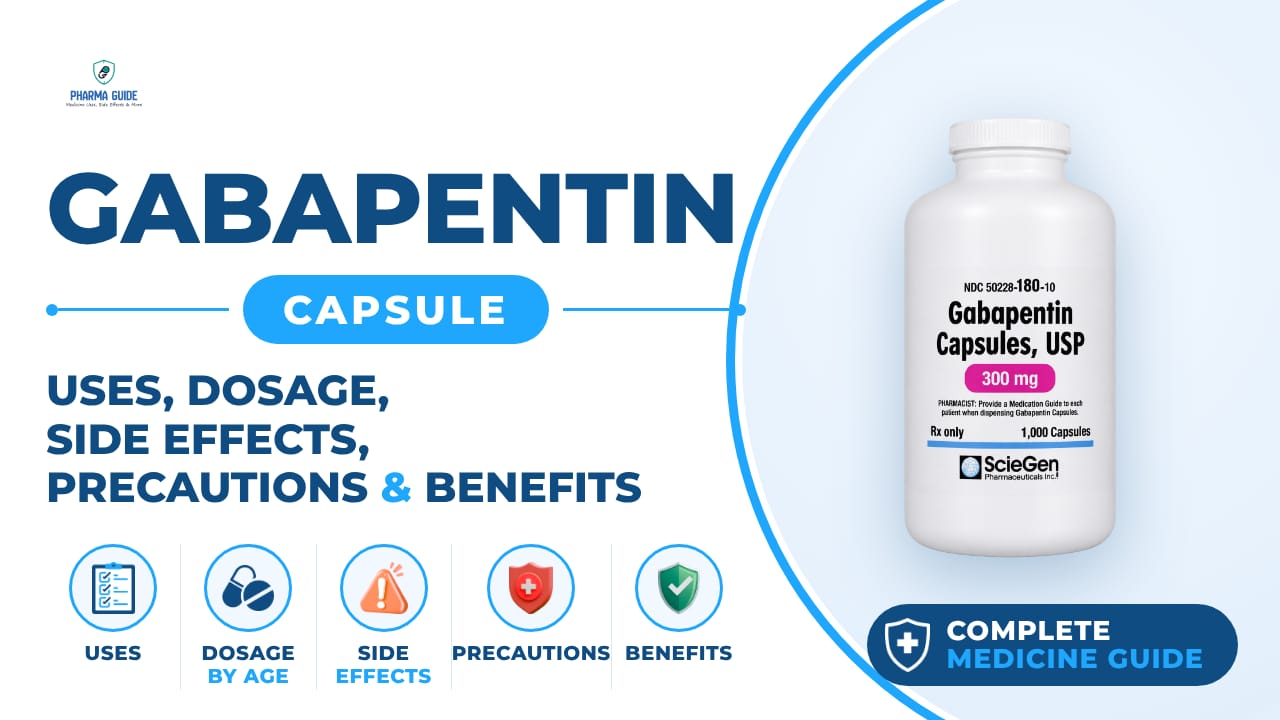
Gabapentin Capsule: Uses, Dosage, Side Effects, Precautions and Alternates
| Generic name | gabapentin |
|---|---|
| Drug class | Gabapentinoids (anticonvulsant/antiepileptic) |
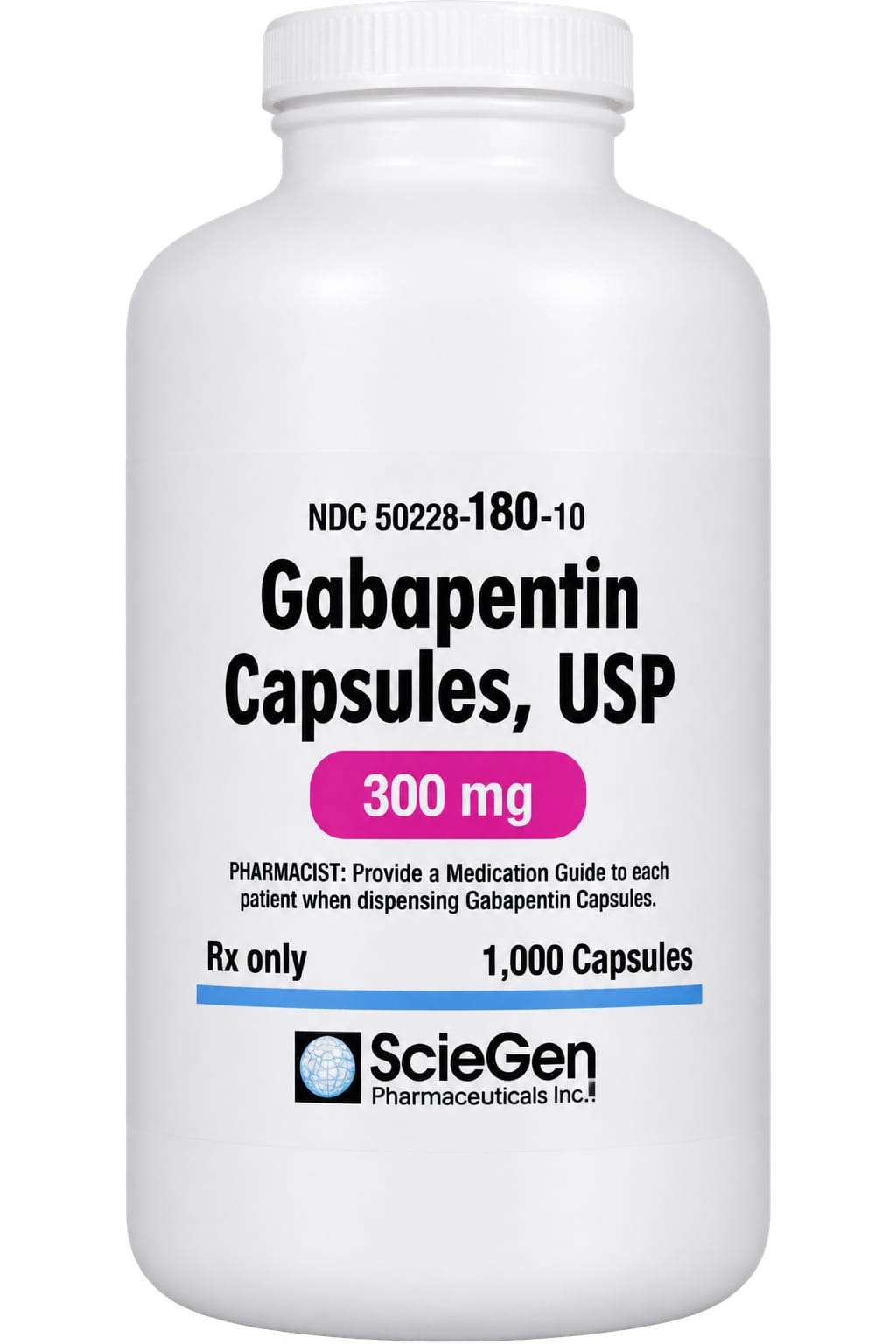
| Forms | Capsule, Tablet, Extended-release tablet, Oral solution |
Quick overview
Gabapentin Capsule is a prescription anticonvulsant medicine used to treat certain seizure disorders and nerve pain conditions. It works by calming overactive nerve signals in the brain and body. It is used as an add-on treatment for seizures, for nerve pain after shingles, and, in a specific extended-release brand, for restless legs syndrome. It is also sometimes prescribed off-label for other conditions as directed by a doctor.
What is Gabapentin Capsule
Gabapentin is a prescription medicine used to treat certain seizure disorders and nerve pain conditions. It belongs to a group of medicines called anticonvulsants and works by calming overactive nerve signals in the brain and body.
Gabapentin Capsule uses
- Add-on treatment for partial seizures in adults and children 3 years and older with epilepsy
- Nerve pain after shingles (postherpetic neuralgia) in adults
- Moderate to severe restless legs syndrome (specific extended-release brand only)
- Off-label: diabetic nerve pain, anxiety, fibromyalgia, hot flashes, and alcohol withdrawal (as prescribed by a doctor)
Benefits of Gabapentin Capsule
- Can reduce how often seizures happen when used with other seizure medicines
- Can relieve ongoing nerve pain from shingles
- May reduce the urge to move the legs in restless legs syndrome
How Gabapentin Capsule works
Gabapentin calms overactive electrical activity in nerve cells by attaching to a specific part of calcium channels in the nerves. This helps normalize the signals nerves send to each other, making the nerve circuits less excitable. This is why it helps with seizures and nerve pain, but it does not work like typical painkillers for everyday aches.
Gabapentin Capsule dosage
Take exactly as prescribed by your doctor; do not take more, less, or longer than directed. Capsules and immediate-release forms can be taken with or without food, and capsules should be swallowed with a full glass of water. If a scored tablet is broken in half, take the other half at your next dose, using it within 28 days of breaking it. Doses should be spaced evenly through the day and night, with no more than 12 hours between doses. Liquid forms should be measured only with the measuring device provided, not a kitchen spoon. Children's doses are based on body weight and may need to change if the child's weight changes. Wait at least 2 hours after taking an antacid containing aluminum or magnesium before taking gabapentin. Do not stop taking this medicine suddenly; your doctor will usually lower the dose gradually over at least a week. It may take one to several weeks of regular use before the full effect on pain or seizures is felt.
| Age group | Dose |
|---|---|
| Under 3 Years | Not recommended unless prescribed by a doctor |
| 3–11 Years | Usually 10–15 mg/kg/day initially; adjusted based on response |
| 12 Years and Above (Adults) | Usually 300 mg once daily initially; may increase up to 1800–3600 mg/day depending on condition |
| Older Adults (65+ years) | Usually lower starting dose; adjusted based on kidney function |
Available forms and strengths
- Capsule
- Tablet
- Extended-release tablet
- Oral solution
Side effects of Gabapentin Capsule
Common
- Dizziness
- Drowsiness (somnolence)
- Swelling in the hands or feet (peripheral edema)
- Tiredness/fatigue
- Unsteadiness, poor coordination, or jerky movements
- Nausea or vomiting
- Headache
- Trouble speaking
- Blurred or double vision
- Tremor
- Signs of infection such as fever, chills, or sore throat
- Dry mouth
- Constipation
- Weight gain/increased appetite
- Back pain
- Memory problems
Serious
- Signs of an allergic reaction: hives, difficulty breathing, or swelling of the face, lips, tongue, or throat
- Life-threatening slowed or difficult breathing (respiratory depression), especially when combined with opioids or other sedating drugs
- New or worsening depression, anxiety, agitation, aggression, or thoughts of suicide or self-harm
- A serious drug reaction affecting many parts of the body: skin rash, fever, swollen glands, muscle aches, severe weakness, unusual bruising, or yellowing of skin or eyes
- Severe skin reactions such as Stevens-Johnson syndrome, toxic epidermal necrolysis, or DRESS syndrome
- Increased seizures, especially if the medicine is stopped suddenly
- Behavior changes in children, including memory problems, trouble concentrating, restlessness, hostility, or aggression
- Signs of kidney problems: trouble urinating, blood in urine, or swelling from fluid retention
- Signs of liver problems: yellowing of skin or eyes, dark urine, light-colored stools, unusual bleeding or bruising
Warnings and precautions
- Gabapentin can cause life-threatening slowed or difficult breathing, especially in people with existing breathing problems, older adults, or those taking other drowsiness-causing medicines like opioids.
- Some people have thoughts of suicide while taking this medicine or after stopping it, so watch for any sudden changes in mood or behavior. Stopping gabapentin suddenly can bring on seizures or withdrawal symptoms such as anxiety, trouble sleeping, nausea, pain, and sweating; any dose changes should be done gradually under a doctor's guidance. Gabapentin can cause sleepiness, sedation, and dizziness that can lead to falls, accidents, or serious injury, so avoid driving or hazardous tasks until you know how it affects you. Different brand versions of gabapentin are not always interchangeable, and switching without your doctor's guidance can change how the drug works in your body.
- It is not known if gabapentin can harm an unborn baby. Using it in the first trimester may increase the risk of birth defects, so it should generally be avoided in pregnancy unless your doctor decides the benefits outweigh the risks. Effective birth control should be used while taking this medicine if you can become pregnant.
- Gabapentin passes into breast milk. Talk to your doctor about whether to breastfeed or take this medicine, since both may not be recommended at the same time.
- Because gabapentin is removed from the body by the kidneys, people with kidney disease or those on dialysis usually need a lower dose. Kidney function may need to be checked, and your dose adjusted based on the results.
- Gabapentin is not broken down by the liver to any significant extent, so no special studies or dose changes have been done for people with liver problems.
- Avoid drinking alcohol while taking gabapentin, since combining them can cause dangerous drowsiness, dizziness, or breathing problems.
- Do not drive or use machinery until you know how gabapentin affects you, since it can cause dizziness or drowsiness that may lead to falls or accidents.
Storage
- Store tablets and capsules at room temperature away from moisture and heat
- Store the liquid medicine in the refrigerator; do not freeze
- Keep out of the reach and sight of children
- Follow all storage instructions provided; ask your pharmacist for more information
- Dispose of unneeded medication through a medicine take-back program rather than flushing it down the toilet
When to see a doctor
- Get emergency help right away for signs of a serious allergic reaction, such as hives, trouble breathing, or swelling of the face, lips, tongue, or throat
- Seek medical care if you develop signs of a serious body-wide drug reaction, such as skin rash, fever, swollen glands, muscle aches, severe weakness, unusual bruising, or yellowing of the skin or eyes
- Tell your doctor right away about any new or worsening mood or behavior changes, including depression, anxiety, agitation, aggression, or thoughts about suicide or self-harm
- A caregiver should get emergency help right away if you have very slow breathing with long pauses, blue-colored lips, or are difficult to wake up
- Call your doctor at once if you have drowsiness, dizziness, weakness, problems with balance or muscle movement, or if your seizures increase
- If you think you or someone you are caring for has taken too much gabapentin, seek emergency medical attention or contact your local poison control center right away, even if there are no symptoms
Alternatives
- Pregabalin
- Carbamazepine
- Topiramate
Watch the video
FAQs
What is Gabapentin Capsule used for?
It is used as an add-on treatment for partial seizures, for nerve pain after shingles (postherpetic neuralgia), and a specific extended-release brand is used for moderate to severe restless legs syndrome. It is also sometimes prescribed off-label for diabetic nerve pain, anxiety, fibromyalgia, hot flashes, and alcohol withdrawal.
How does Gabapentin Capsule work?
It calms overactive electrical activity in nerve cells by attaching to a specific part of calcium channels in the nerves, which helps normalize nerve signals and makes nerve circuits less excitable. It does not work like typical painkillers for everyday aches.
Can I stop taking Gabapentin Capsule suddenly?
No, you should not stop suddenly. Stopping abruptly can bring on seizures or withdrawal symptoms such as anxiety, trouble sleeping, nausea, pain, and sweating. Your doctor will usually lower the dose gradually over at least a week.
What are the common side effects of Gabapentin Capsule?
Common side effects include dizziness, drowsiness, swelling in the hands or feet, tiredness, unsteadiness or poor coordination, nausea or vomiting, headache, blurred vision, tremor, dry mouth, constipation, and weight gain.
Is it safe to drink alcohol while taking Gabapentin Capsule?
No, you should avoid alcohol while taking this medicine because combining them can cause dangerous drowsiness, dizziness, or breathing problems.
General information, not medical advice
Your prescriber and the leaflet in your pack know your situation. This page does not.
- Follow your prescriber and the leaflet
- Don't start, stop, or change a dose on your own
- Doses and warnings differ by country and product
Sources
- https://www.drugs.com/gabapentin.html
- https://my.clevelandclinic.org/health/drugs/21561-gabapentin
- https://medlineplus.gov/druginfo/meds/a694007.html
- Neurontin Prescribing Information (FDA)
- Gabapentin Tablets USP Product Monograph (Sanis Health Inc., Health Canada)
Video
Related medicines

Injectafer Injection: Uses, Dosage, Side Effects, Precautions and Alternates
Iron products
Injectafer (ferric carboxymaltose) treats iron deficiency anemia and heart failure-related iron deficiency via IV. Learn uses, dosage, side effects, and

Gliclazide Tablet: Uses, Dosage, Side Effects, Precautions and Alternates
Sulfonylurea (hypoglycemic/antidiabetic agent)
Gliclazide Tablet is a sulfonylurea for type 2 diabetes that boosts insulin release. Learn about dosage, side effects, warnings, and precautions.