
Safety
General information, not medical advice
Your prescriber and the leaflet in your pack know your situation. This page does not.
- Follow your prescriber and the leaflet
- Don't start, stop, or change a dose on your own
- Doses and warnings differ by country and product
Gemifloxacin Tablet: Uses, Dosage, Side Effects, Precautions and Alternates

| Generic name | Gemifloxacin |
|---|---|
| Drug class | Fluoroquinolone antibiotic |
| Forms | Tablet, Injection |
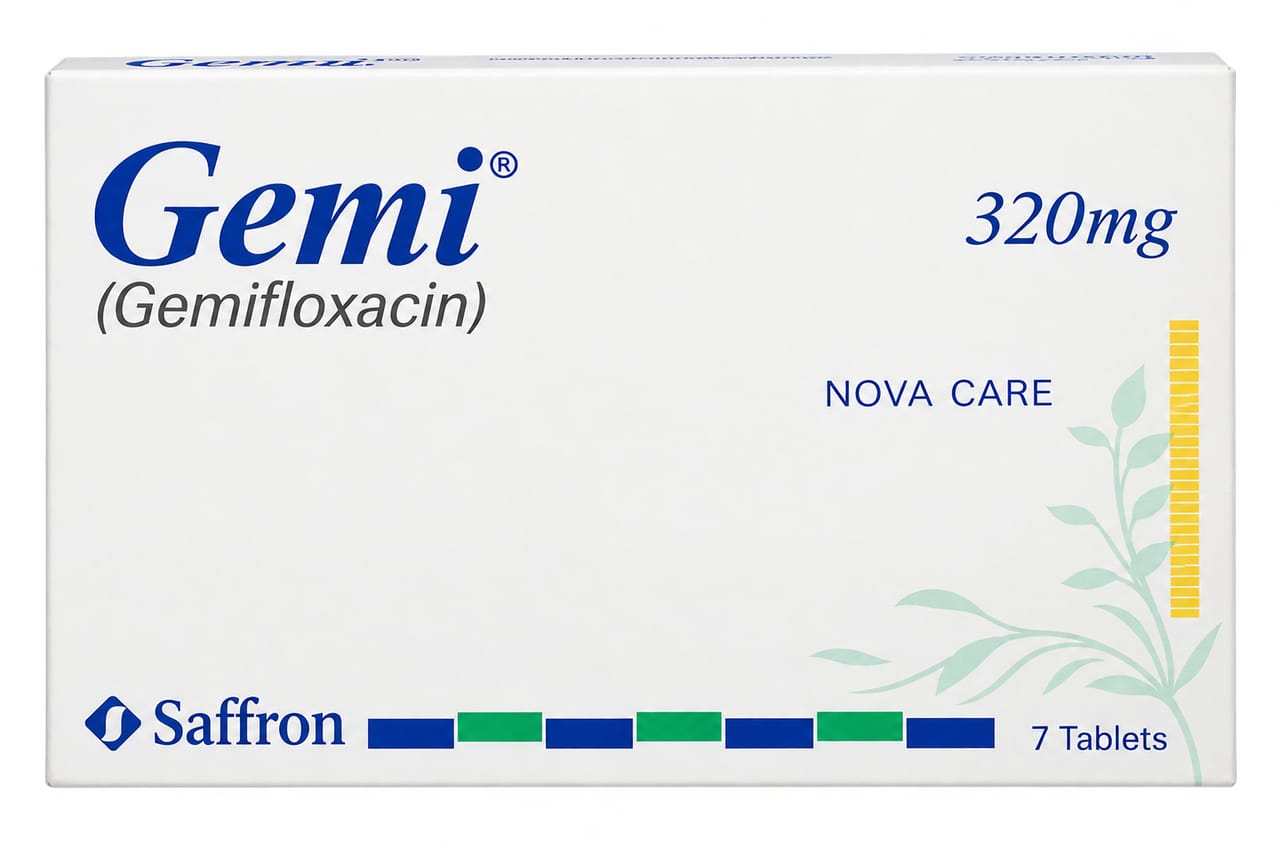
Quick overview
Gemifloxacin Tablet contains gemifloxacin, a fluoroquinolone antibiotic used to treat bacterial infections affecting different parts of the body, such as the lungs. It is not effective against infections caused by viruses. It works by blocking a bacterial enzyme needed for bacteria to divide and repair themselves, which stops bacterial growth and helps clear susceptible infections.
What is Gemifloxacin Tablet
Gemifloxacin is a fluoroquinolone antibiotic used to treat bacterial infections affecting different parts of the body, such as the lungs. It is not effective against infections caused by viruses.
Gemifloxacin Tablet uses
- Pneumonia
- Bronchitis (when there are no other treatment options)
- Urinary tract infections
- Tonsil, sinus, nose, and throat infections
- Female genital organ infections
- Skin and soft tissue infections
Benefits of Gemifloxacin Tablet
- Treats certain bacterial respiratory infections
- Helps treat community-acquired pneumonia
- May treat acute bacterial worsening of chronic bronchitis
- Stops the growth of susceptible bacteria
- Helps improve infection symptoms when the bacteria respond to treatment
How Gemifloxacin Tablet works
Gemifloxacin works by blocking a bacterial enzyme called DNA-gyrase, which stops bacteria from dividing and repairing themselves, eventually killing them.
Gemifloxacin Tablet dosage
Gemifloxacin Tablet is taken by mouth, usually once a day for 5 or 7 days depending on the type of infection. Take it at around the same time every day. It can be taken with or without food, but do not take it together with dairy products like milk or yogurt, or calcium-fortified juices alone — you may have these as part of a meal instead.
Swallow the tablet whole with plenty of water; do not split, chew, or crush it. If you take antacids, or iron, magnesium, or zinc supplements, space them at least 2 hours before or 3 hours after this medicine. If you take sucralfate, take it at least 2 hours after this medicine.
Finish the entire course even if you feel better, unless your doctor tells you to stop or you have certain serious side effects. If you miss a dose, take it as soon as you remember, but skip it if it is almost time for your next dose — do not double up. Drink plenty of water or other fluids every day while taking this medicine.
| Age group | Dose |
|---|---|
| Under 18 years | Not recommended |
| 18–64 years | 320 mg, once/day |
| 65+ years | 320 mg, once/day |
Available forms and strengths
- Tablet
- Injection
Side effects of Gemifloxacin Tablet
Common
- Diarrhea
- Nausea
- Stomach pain
- Vomiting
- Unusual tiredness
- Headache
- Dizziness
- Rash
- Body pain
- Burning or tingling sensation of hands and feet
- Acid or sour stomach
- Sudden sweating
Serious
- Severe diarrhea (watery or bloody stools), possibly with fever and stomach cramps, which may occur up to 2 months or more after treatment
- Rash, hives, itching, peeling or blistering of the skin, fever
- Swelling of the eyes, face, mouth, lips, tongue, throat, hands, feet, ankles, or lower legs
- Hoarseness or throat tightness, difficulty breathing or swallowing
- Ongoing or worsening cough
- Yellowing of the skin or eyes, pale skin, dark urine, or light colored stool
- Extreme thirst or hunger, pale skin, shaking, fast or fluttering heartbeat, sweating, frequent urination, blurred vision, or unusual anxiety
- Fainting or loss of consciousness
- Sudden pain in the chest, stomach, or back
- Tendon pain, swelling, tenderness, stiffness, or trouble moving a muscle (sign of tendinitis)
- Hearing or feeling a snap or pop in a tendon, bruising, or inability to move or bear weight on an area (sign of tendon rupture)
- Numbness, tingling, pain, burning, or weakness in arms or legs, or changes in feeling light touch, vibration, pain, heat, or cold
- Seizures, tremors, dizziness, lightheadedness, headaches that won't go away, trouble sleeping, nightmares, distrust of others, hallucinations, thoughts of self-harm, restlessness, anxiety, depression, confusion, memory problems, or other mood or behavior changes
- Muscle weakness or difficulty breathing, especially in people with myasthenia gravis
- Problems with bones, joints, and tissues around joints in children
Warnings and precautions
This medicine can increase the risk of tendinitis or tendon rupture, especially in people over 60, during treatment or for months afterward. Stop the medicine and call your doctor right away if you notice tendon pain, swelling, or stiffness, and seek emergency care if a tendon seems to have snapped or torn.
This medicine may cause nerve damage (numbness, tingling, pain, or weakness in the arms or legs) that can be permanent, sometimes starting soon after the first dose. Stop the medicine and call your doctor right away if this happens.
This medicine can affect the brain and nervous system, sometimes after just one dose, causing seizures, tremors, confusion, hallucinations, or thoughts of self-harm. Stop the medicine and call your doctor immediately if these occur.
In people with myasthenia gravis, this medicine can worsen muscle weakness and cause severe breathing problems or death. Tell your doctor if you have this condition.
This medicine can make your skin more sensitive to sunlight, so avoid prolonged sun or UV exposure and use protective clothing and sunscreen.
Tell your doctor about any heart rhythm problems, since this medicine can cause a rare but serious heart problem called QT prolongation, which may lead to irregular heartbeat, fainting, or sudden death.
This medicine is not approved for use in children younger than 18 years because it may cause problems with bones, joints, and surrounding tissues.
Gemifloxacin should generally be avoided during pregnancy because of possible risks to the baby's developing joints, though it does not appear harmful later in pregnancy. Only take it if your doctor says you should, and tell your doctor right away if you become pregnant while taking it.
Gemifloxacin passes into breast milk in small amounts but is not known to be harmful. It can be used while breastfeeding on your doctor's advice, but watch the baby for diarrhea or yeast infection.
Tell your doctor if you have kidney disease or have had a kidney transplant, since this medicine needs special care in people with kidney problems.
It isn't known how this medicine interacts with alcohol, so check with your doctor before drinking.
Do not drive, operate machinery, or do anything that needs alertness or coordination until you know how this medicine affects you, since it can cause dizziness or sleepiness.
Storage
- Keep this medication in the container it came in, tightly closed, and out of reach of children.
- Store it at room temperature and away from light and excess heat and moisture (not in the bathroom).
- Dispose of unneeded medications in a way so that pets, children, and other people cannot take them. Do not flush this medication down the toilet. Use a medicine take-back program.
When to see a doctor
- Stop taking this medicine and get emergency help if you have severe or bloody diarrhea, a rash, hives, itching, peeling or blistering skin, fever, swelling of the face, throat, or limbs, hoarseness or throat tightness, or trouble breathing or swallowing.
- Get medical help right away for yellowing of the skin or eyes, pale skin, dark urine, or light-colored stool, which can be signs of liver problems.
- Seek emergency care for sudden chest, stomach, or back pain, or for fainting or loss of consciousness.
- Stop the medicine and call your doctor immediately if you feel pain, swelling, tenderness, or stiffness in a tendon, or if you hear or feel a snap or pop in a tendon, have unusual bruising, or cannot move or bear weight on an area — get emergency treatment for a suspected tendon rupture.
- Stop the medicine and call your doctor immediately if you have numbness, tingling, pain, burning, or weakness in your arms or legs, or changes in your sense of touch, vibration, pain, heat, or cold.
- Stop the medicine and call your doctor immediately for seizures, tremors, dizziness, lightheadedness, persistent headaches, sleep problems, nightmares, distrust of others, hallucinations, thoughts of hurting yourself, or sudden changes in mood or behavior.
- If you have myasthenia gravis, call your doctor immediately if you notice muscle weakness or difficulty breathing while taking this medicine.
- Seek immediate medical attention for signs of a serious allergic reaction such as skin rash, itching or swelling of the face, tongue, or throat, severe dizziness, or trouble breathing.
Alternatives
- Doxycycline
- Levofloxacin
- Azithromycin
Watch the video
FAQs
What is Gemifloxacin Tablet used for?
It is used to treat bacterial infections such as pneumonia, bronchitis (when no other options are available), urinary tract infections, tonsil, sinus, nose, and throat infections, female genital organ infections, and skin and soft tissue infections.
How is Gemifloxacin Tablet taken?
It is taken by mouth, usually once a day for 5 or 7 days depending on the infection type, at around the same time each day. It can be taken with or without food, but not with dairy products or calcium-fortified juices alone. Swallow the tablet whole with plenty of water without splitting, chewing, or crushing it.
What is the dosage of Gemifloxacin Tablet for adults?
For adults aged 18 to 64 years and those 65 and older, the dose is 320 mg once a day. It is not recommended for use in children under 18 years.
What are the serious side effects of Gemifloxacin Tablet?
Serious side effects include severe or bloody diarrhea, allergic reactions with rash or swelling, tendinitis or tendon rupture, nerve damage, seizures or mood changes, liver problems, and worsening muscle weakness in people with myasthenia gravis.
Can Gemifloxacin Tablet be taken during pregnancy or breastfeeding?
It should generally be avoided during pregnancy due to possible risks to the baby's developing joints, though it is not known to be harmful later in pregnancy. It passes into breast milk in small amounts but is not known to be harmful, and can be used while breastfeeding under a doctor's advice while watching the baby for diarrhea or yeast infection.
General information, not medical advice
Your prescriber and the leaflet in your pack know your situation. This page does not.
- Follow your prescriber and the leaflet
- Don't start, stop, or change a dose on your own
- Doses and warnings differ by country and product
Sources
Video
Related medicines
Norfloxacin Tablet: Uses, Dosage, Side Effects, Precautions and Alternates
fluoroquinolone antibiotic
Norfloxacin Tablet treats UTIs, kidney, prostate, and certain gut or reproductive infections. Learn uses, dosage, side effects, and key warnings.
Moxifloxacin Eye Drops: Uses, Dosage, Side Effects, Precautions and Alternates
Fluoroquinolone antibiotic
Moxifloxacin Eye Drops treat bacterial conjunctivitis, corneal ulcers, and post-surgery infections. Learn dosage, side effects, and precautions before use.