
Safety
General information, not medical advice
Your prescriber and the leaflet in your pack know your situation. This page does not.
- Follow your prescriber and the leaflet
- Don't start, stop, or change a dose on your own
- Doses and warnings differ by country and product
Gentamicin Eye Drops: Uses, Dosage, Side Effects, Precautions and Alternates
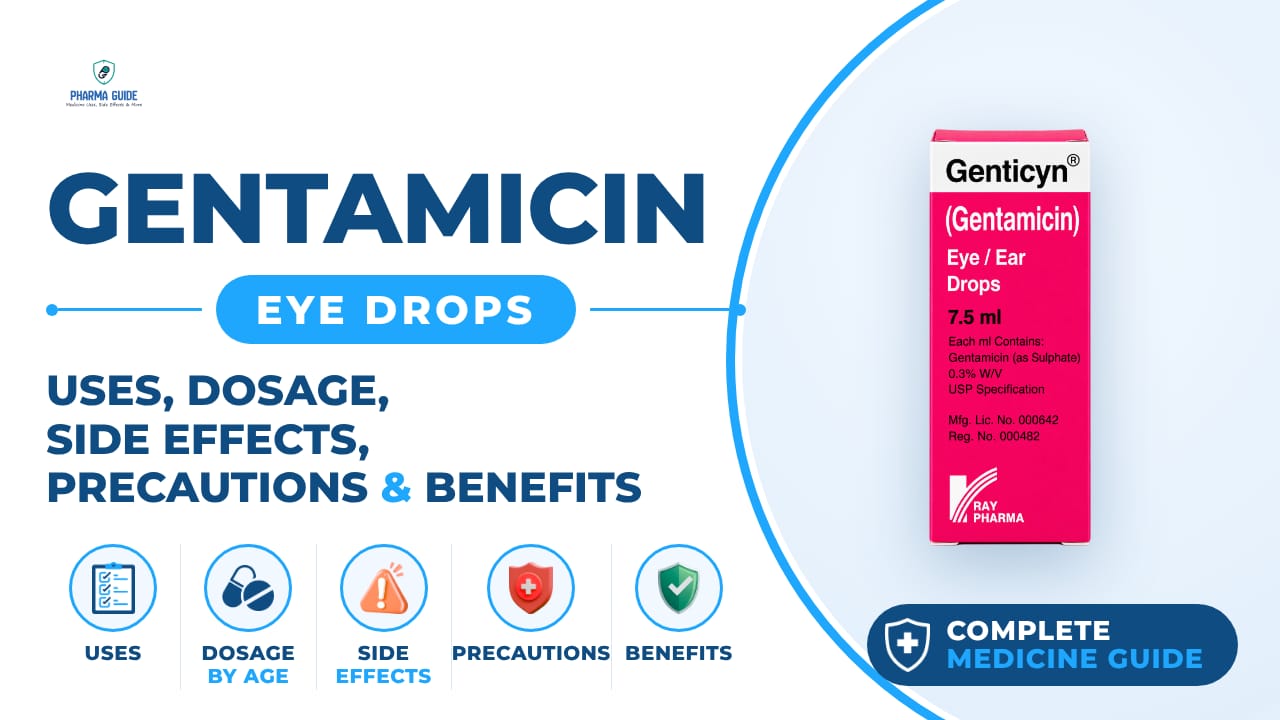
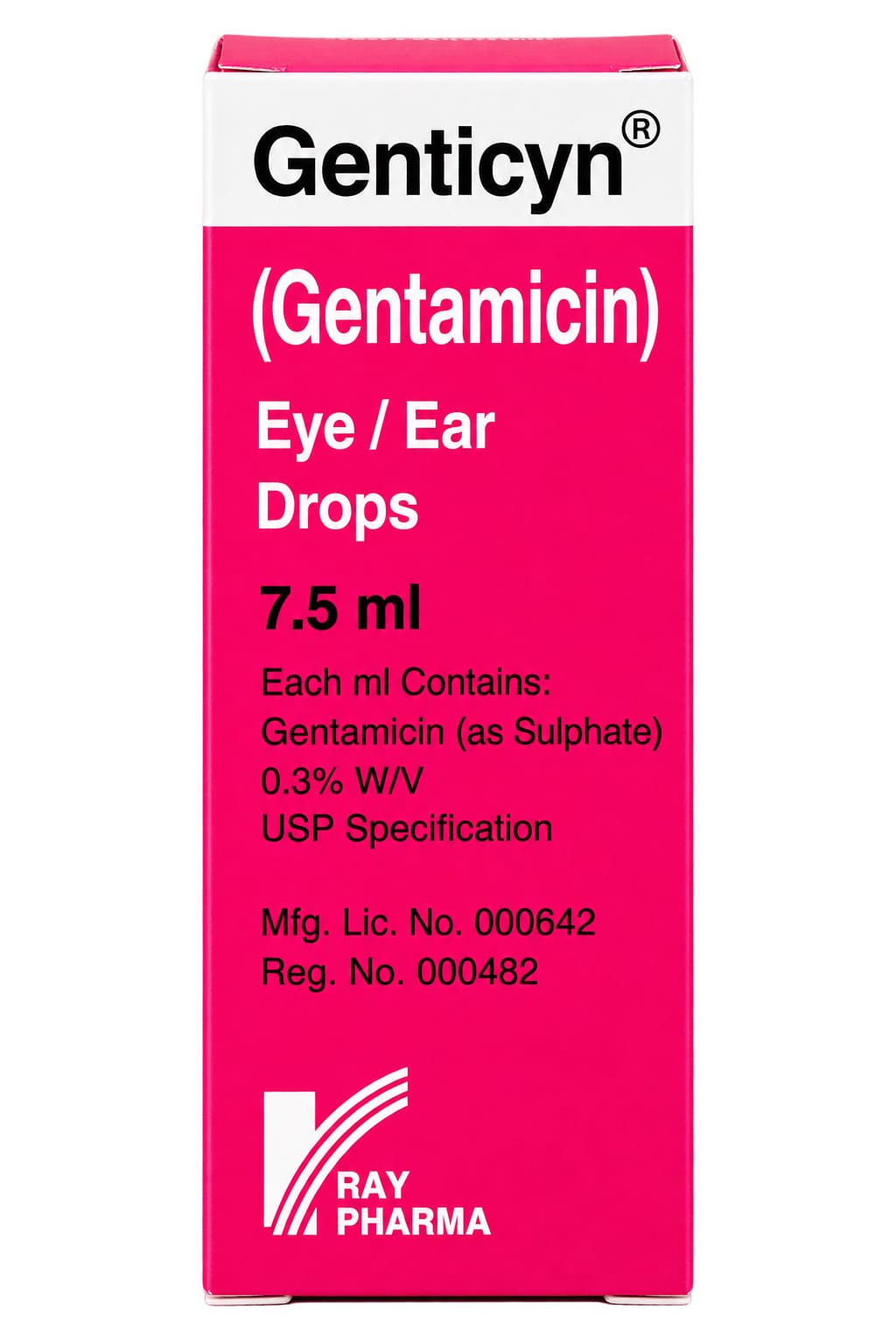
| Generic name | Gentamicin Sulfate |
|---|---|
| Drug class | Topical antibiotic (aminoglycoside) |
| Forms | Ophthalmic Solution (eye drops), Ophthalmic Ointment |
Quick overview
Gentamicin Eye Drops (generic name: Gentamicin Sulfate) is a topical antibiotic from the aminoglycoside class. It is used to prevent or treat bacterial infections of the eye and eyelid, such as conjunctivitis, blepharitis, and keratitis. It works by killing the bacteria causing the infection and is available as an ophthalmic solution or ointment.
What is Gentamicin Eye Drops
Gentamicin eye drops are an antibiotic medicine used to prevent or treat bacterial infections of the eye and eyelid.
Gentamicin Eye Drops uses
- Treatment of superficial bacterial infections of the conjunctiva, cornea, eyelids, tear ducts and skin adjacent to the eye, including conjunctivitis, blepharitis, blepharo-conjunctivitis, keratitis, episcleritis, corneal ulcers, dacryocystitis and infected eye sockets
- Prevention of eye infection after burns, cuts or other injury to the eye, lids, or nearby areas, or after removal of foreign bodies and before and after surgery
- Minor eye injuries such as scratches and abrasions to the cornea, to prevent infection while the eye heals
Benefits of Gentamicin Eye Drops
- Kills bacteria that cause eye infections such as conjunctivitis
- Helps prevent infections developing after eye injury or surgery
How Gentamicin Eye Drops works
Gentamicin works by killing the bacteria that cause the infection.
Gentamicin Eye Drops dosage
Use exactly as directed, even if you start to feel better early in treatment. Wash your hands before using the drops or ointment. Avoid touching the tip of the applicator to your eye, finger, or any surface to prevent contamination. Shake the bottle well before using.
Pull down the lower eyelid to form a pocket, instill the drops or ointment inside the eyelid, then blink (for drops) or gently close your eyes for a minute or two (for ointment) to let the medicine reach the infection. Do not wear contact lenses during treatment, and wait a day after your last dose before wearing them again. Do not share this medicine with other people.
If you miss a dose, use it as soon as you remember; if it is almost time for your next dose, skip the missed one and continue your normal schedule — do not double up. Keep using the medicine for the full course, even after symptoms disappear, to fully clear the infection.
For children with infected tear ducts, applying a hot compress and massaging the area over the tear duct may help alongside treatment. If using other eye drops, wait at least a few minutes between each one so your eye can absorb them properly.
| Age group | Dose |
|---|---|
| Under 6 years | Use only on a clinician's advice; the appropriate product and dose should be confirmed |
| 6–11 years | 1–2 drops every 4 hours, if prescribed |
| 12–17 years | 1–2 drops every 4 hours |
| Adults (18+ years) | 1–2 drops in the affected eye(s) every 4 hours |
Available forms and strengths
- Ophthalmic Solution (eye drops)
- Ophthalmic Ointment
Side effects of Gentamicin Eye Drops
Common
- Mild irritation or itching
- Burning or stinging
- Blurred vision
Serious
- Allergic reaction: difficulty swallowing or breathing, wheezing; drop in blood pressure; feeling sick to your stomach and throwing up; hives or rash; swelling of the face, lips, tongue or throat
- Black, tarry stools; blood in urine or stools; or unusual bleeding or swelling
- Eye pain, sensitivity to light, and/or tearing along with blurred vision
- Seeing, hearing, or feeling things that are not there (hallucinations)
- Itching, redness, swelling, or other signs of irritation not present before use
- Redness of the eye, eyelid, or inner lining of the eyelid
Warnings and precautions
- The safety of gentamicin during pregnancy has not been established. Tell your doctor if you are pregnant.
- It is not known whether components of gentamicin eye drops pass into breast milk, so caution is advised when used by a breastfeeding woman. Studies suggest it poses minimal risk to the infant.
- Your vision may become slightly blurred for a short time after using the drops. If this happens, do not drive or use tools or machines until your vision is clear again.
- Misuse or overuse of this medicine could lead to bacteria growing that are not killed by it (resistance), meaning it may not work for you in the future.
- Using antibiotic eye drops sometimes allows other germs, such as fungi, to grow. If this happens, or if irritation or an allergic reaction develops, stop using the medicine and get appropriate treatment.
- Do not use this medicine if you are allergic to gentamicin or any other ingredient in the product.
- Do not wear contact lenses until your symptoms have completely gone, and wait 24 hours after your last dose before putting lenses back in.
- Safety and effectiveness in children under six years of age have not been established.
Storage
- Store between 2 and 30°C
- Keep out of reach and sight of children
- Store in a cool, dry place, away from direct heat and light
- Throw away the bottle of eye drops after finishing your course of treatment, even if some liquid is left
- Do not keep opened bottles to use later, as eye drops must not be used if the bottle has been open longer than four weeks
When to see a doctor
- Get immediate medical help if you have signs of an allergic reaction, such as difficulty swallowing or breathing, wheezing, a drop in blood pressure, nausea and vomiting, hives or rash, or swelling of the face, lips, tongue or throat.
- See your doctor immediately if your symptoms get worse while using the drops, especially if your eye becomes painful, sensitive to light, or your vision changes.
- Check with your doctor immediately if you notice itching, redness, swelling or other new irritation, or redness of the eye, eyelid or inner eyelid.
- Check with your doctor immediately if you notice black, tarry stools, blood in urine or stools, unusual bleeding or swelling, blurred vision with eye pain and light sensitivity, or hallucinations.
- If you think you have used too much of this medicine, contact your healthcare professional, hospital emergency department, or your local poison control center right away, even if you have no symptoms.
Alternatives
- Tobramycin eye drops
- Chloramphenicol eye drops
- Ofloxacin eye drops
- Ciprofloxacin eye drops
- Moxifloxacin eye drops
Watch the video
FAQs
What is Gentamicin Eye Drops used for?
It treats superficial bacterial infections of the conjunctiva, cornea, eyelids, tear ducts and skin near the eye, including conjunctivitis, blepharitis, keratitis and corneal ulcers, and also helps prevent infection after eye injuries or surgery.
What is the usual dosage for adults?
Adults use 1-2 drops in the affected eye(s) every 4 hours, as directed by a clinician.
Can I wear contact lenses while using Gentamicin Eye Drops?
No, contact lenses should not be worn during treatment. Wait until symptoms have completely gone and at least 24 hours after your last dose before wearing lenses again.
What are the common side effects of Gentamicin Eye Drops?
Common side effects include mild irritation or itching, burning or stinging, and blurred vision.
Is Gentamicin Eye Drops safe during pregnancy or breastfeeding?
Safety during pregnancy has not been established, so you should tell your doctor if pregnant. It is not known whether it passes into breast milk, though studies suggest minimal risk to the infant, so caution is advised when breastfeeding.
General information, not medical advice
Your prescriber and the leaflet in your pack know your situation. This page does not.
- Follow your prescriber and the leaflet
- Don't start, stop, or change a dose on your own
- Doses and warnings differ by country and product
Sources
Video
Related medicines

Injectafer Injection: Uses, Dosage, Side Effects, Precautions and Alternates
Iron products
Injectafer (ferric carboxymaltose) treats iron deficiency anemia and heart failure-related iron deficiency via IV. Learn uses, dosage, side effects, and

Gliclazide Tablet: Uses, Dosage, Side Effects, Precautions and Alternates
Sulfonylurea (hypoglycemic/antidiabetic agent)
Gliclazide Tablet is a sulfonylurea for type 2 diabetes that boosts insulin release. Learn about dosage, side effects, warnings, and precautions.